Embrace Winter: Your Ultimate Guide to Preparing Your Lawn and Garden for a Thriving Spring
While the recent unseasonably warm weather might have you clinging to your shorts, the official arrival of winter on December 21st is a clear signal: it’s time to prepare your outdoor spaces. Many homeowners mistakenly believe that garden work pauses when temperatures drop, but winter is a crucial period for nurturing your landscape. Proper winterization isn’t just about survival; it’s about setting the stage for a spectacular spring bloom and a healthy, resilient garden. The experienced team at Lawns of Dallas understands the unique challenges and opportunities of seasonal lawn and garden care, offering invaluable tips to help you navigate the colder months effectively. This comprehensive guide will walk you through essential steps, from strategic planting to meticulous protection and vital soil preparation, ensuring your garden emerges vibrant and robust when spring arrives.
Strategic Planting: Seizing Winter’s Opportunity for a Bountiful Spring
Winter, surprisingly, offers a prime window for certain planting activities, laying the groundwork for future beauty and bounty. Don’t let the chilly air deter you; with the right choices and techniques, your garden can flourish even before the first thaw.
Planting Roses for Future Elegance
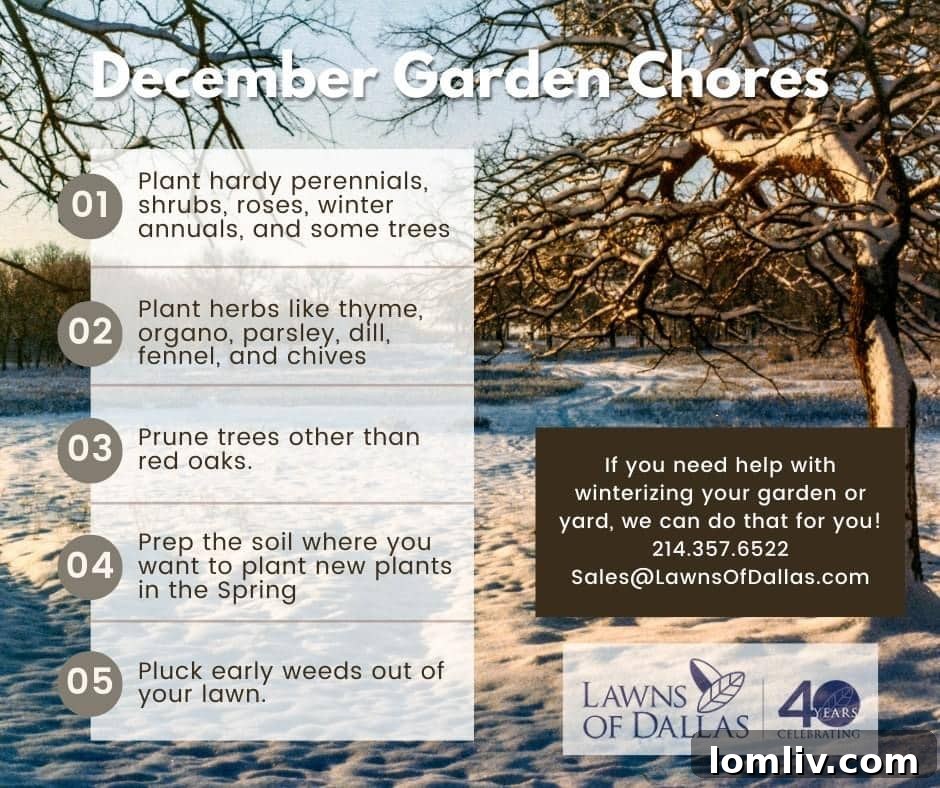
Perhaps one of the most surprising tips for many gardeners is that winter, particularly late fall to early winter, is the absolute best time to plant new rose bushes. During this dormant period, roses can focus their energy on establishing a strong root system without the stress of supporting foliage or blooms. This allows them to become deeply rooted and resilient, ready to burst forth with spectacular flowers come spring. When planting, ensure good drainage and enrich the soil with compost. Water thoroughly after planting to settle the soil around the roots, and consider a layer of mulch to provide insulation.
Introducing Vibrant Winter Annuals
To keep your garden from looking barren during the colder months, plant a selection of winter annuals. These hardy beauties provide much-needed color and texture when most other plants are asleep. Consider calendula with its cheerful orange and yellow blooms, the delicate yet resilient snapdragons, and the classic pansy and viola, known for their charming faces and wide array of colors. Dusty miller adds a silvery, textural contrast, while ornamental kale and cabbage bring dramatic architectural elements and rich hues to your beds. Alyssum offers a carpet of tiny, fragrant flowers, and stock delivers elegant, fragrant spires. Cyclamen, with its unique upswept petals, provides a touch of sophistication. These plants are not just survivors; they are performers, ensuring your garden remains a source of joy and visual interest throughout the winter.
Anticipating Spring with Bulb Planting
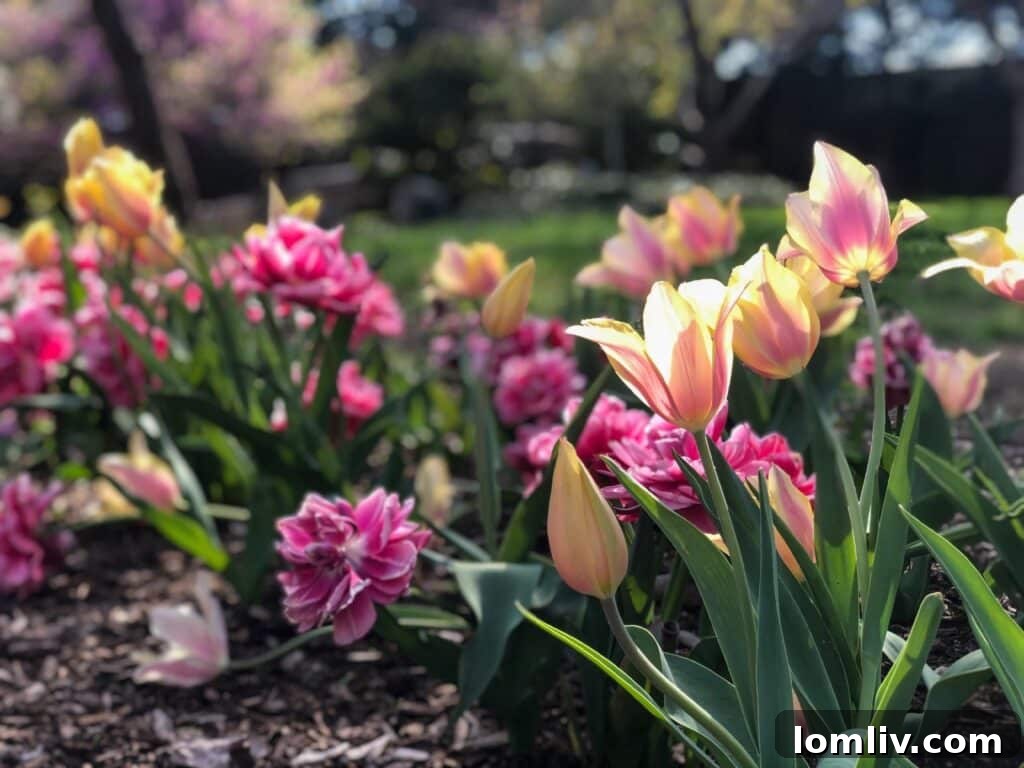
Winter is also the critical period for planting springtime bulbs that require a proper chill to bloom. This cold stratification period is essential for triggering the chemical processes within the bulb that lead to flowering. Without it, many popular spring bulbs simply won’t perform. Plant tulips, daffodils, iris, and hyacinths now to ensure a dazzling display when warmer weather returns. For optimal results, plant bulbs at the recommended depth (typically two to three times their height) in well-draining soil. Consider layering smaller bulbs over larger ones for a continuous show. The anticipation of their vibrant emergence is a true highlight of winter gardening.
Cultivating a Productive Winter Herb Garden
Don’t forget the herb garden! Many culinary herbs are surprisingly cold-hardy and can thrive through the winter, providing fresh flavor for your cooking. Plant herbs like thyme, oregano, parsley, dill, fennel, and chives directly into your garden beds. For more tender varieties, or if you experience particularly harsh freezes, consider planting them in containers that can be moved indoors during severe cold snaps. A sunny windowsill can become a productive miniature herb garden, ensuring you have access to fresh ingredients even when snow blankets the ground. Winter-grown herbs often have a concentrated flavor, making them a delightful addition to your seasonal dishes.
Essential Protection: Shielding Your Plants from Winter’s Harsh Embrace
Winter weather, particularly unexpected deep freezes, can be devastating to vulnerable plants. Proactive protection is paramount to ensure their survival and health. Being prepared can make the difference between a thriving garden and one that struggles to recover.
The Art of Covering: Sheets, Blankets, and Tarps
When a deep freeze threatens, be ready to cover sensitive plants with a sheet, blanket, or burlap. These materials provide insulation, trapping warmth from the soil and protecting foliage from direct exposure to freezing temperatures and frost. It is crucial to remember a cardinal rule: never cover plants directly with plastic. Plastic conducts cold, and any part of the plant touching it can suffer freeze damage. Furthermore, plastic can create condensation that freezes, or on sunny winter days, can overheat plants. If you must use a plastic tarp for its waterproof qualities, always place a sheet or blanket between the plastic and the plants. This creates a vital insulating air pocket and prevents direct contact, offering superior protection. Secure covers with rocks, bricks, or stakes to prevent them from blowing away in winter winds, ensuring they stay in place during the critical cold hours.
Hydration as a Defense Mechanism
One of the most overlooked aspects of winter protection is proper watering. Deeply watering your plants a day or two before an anticipated freeze can significantly increase their resilience. Moist soil retains heat better than dry soil, radiating warmth upwards and providing a buffer against the cold. The water within plant cells also helps them withstand freezing temperatures more effectively. Ensure the soil is moist, but not waterlogged, to avoid root rot.
The Insulating Power of Mulch
A generous layer of mulch around the base of your plants and throughout your garden beds is a winter garden’s best friend. Mulch acts as an insulating blanket, regulating soil temperature by protecting roots from extreme cold and preventing the damaging freeze-thaw cycles that can heave plants out of the ground. Organic mulches like shredded leaves, straw, or wood chips also break down over time, enriching the soil with valuable nutrients. Apply a layer 2-4 inches deep, keeping it a few inches away from plant stems to prevent rot and pest issues.
Protecting Container Plants and Tender Specimens
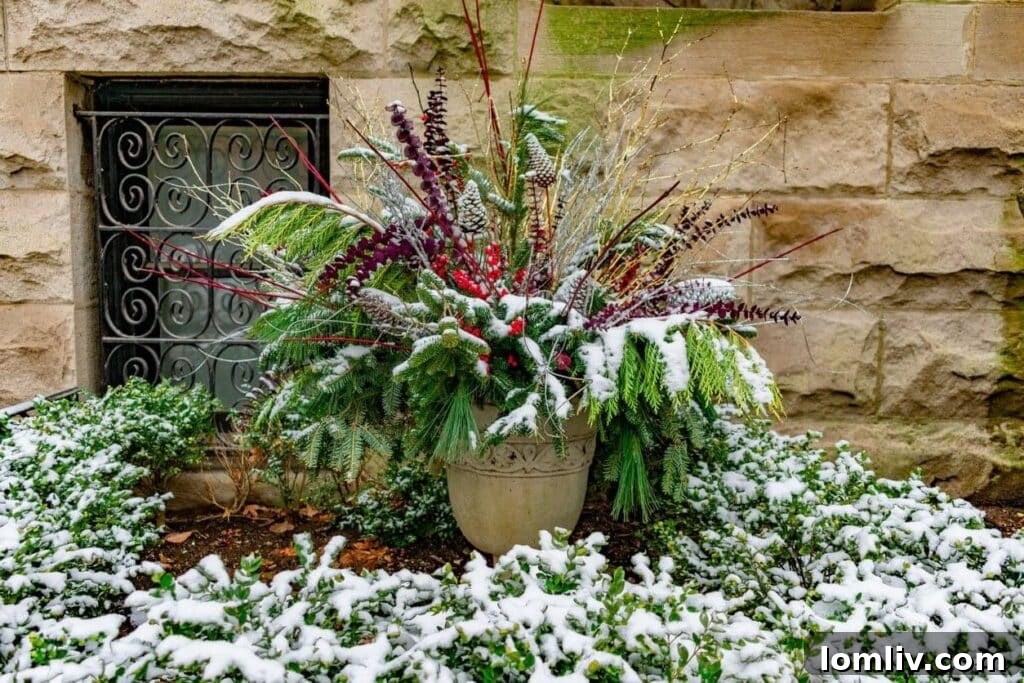
Container plants are particularly vulnerable to freezing temperatures because their root systems are exposed on all sides. For tender containerized plants, the best defense is to move them indoors to a garage, shed, or a sunny room. If bringing them inside isn’t an option, group containers closely together to create a microclimate, and wrap the pots with burlap, bubble wrap, or blankets to insulate the roots. For delicate shrubs and small trees that cannot be moved, consider wrapping their trunks with burlap to protect against sunscald and winter winds.
Intelligent Pruning: Shaping for Health and Future Growth
Winter, during the dormant season, is an ideal time for thoughtful pruning. With leaves off deciduous trees and shrubs, you have a clear view of their structure, making it easier to identify what needs to be removed. This strategic trimming promotes plant health, improves structural integrity, and sets the stage for vigorous growth in the spring.
The Exception: Red Oaks and Oak Wilt
While most trees benefit from winter pruning, there’s a critical exception: red oaks. Pruning red oaks in late fall or early winter can leave them susceptible to Oak Wilt disease, a fungal infection spread by sap beetles. These beetles are attracted to fresh wounds and can transmit the disease, which can be fatal to red oaks. If red oaks absolutely must be pruned, ensure any cuts are immediately sealed with pruning paint. For all other tree species, pruning in late fall and early winter allows ample time for cuts to heal before the active growth period of spring, minimizing stress and preventing the entry of diseases or pests.
What to Prune and Why
During winter dormancy, focus on removing dead, diseased, or damaged branches. These not only detract from the plant’s appearance but can also harbor pests and diseases that might spread in warmer months. Also, look for crossing branches that rub against each other, as this friction can create wounds. Thin out crowded areas to improve air circulation, which helps prevent fungal issues. For fruit trees, winter pruning is essential for shaping and encouraging fruit production. For ornamental shrubs, you can begin to shape them, remove suckers (shoots growing from the base), and water sprouts (fast-growing shoots from main branches).
Tools and Techniques for Effective Pruning
Always use clean, sharp pruning tools. Dull tools can crush stems and make jagged cuts, increasing the risk of disease. Sterilize your pruners with rubbing alcohol or a bleach solution between plants, especially if you’re dealing with diseased branches. Make clean cuts just outside the branch collar (the swollen area where a branch meets the trunk or a larger branch) to promote proper healing. Avoid leaving stubs, which can become entry points for decay.
Proactive Preparation: Laying the Foundation for a Fertile Spring
Beyond immediate care, winter is the perfect time for long-term planning and preparation. Attending to the soil and tidying your garden now will pay dividends in the spring, reducing your workload and enhancing the overall health of your landscape.
Prepping Soil for Spring Planting
If you have specific areas where you plan to introduce new plants in the spring, winter is an excellent time to prepare the soil. If the ground isn’t frozen, take advantage of the milder days to till the soil. Incorporate organic matter such as compost, well-rotted manure, or leaf mold. This enriches the soil structure, improves drainage, and provides a slow-release source of nutrients. A soil test done in late fall or early winter can also inform you of any pH imbalances or nutrient deficiencies, allowing you to amend the soil accordingly before spring planting begins.
Harnessing the Power of Fallen Leaves

Don’t view fallen leaves as mere waste; they are a valuable resource for your garden. Rake leaves into your garden beds to create a natural mulch layer over winter. This insulates plant roots, suppresses weeds, and conserves soil moisture. As they decompose, leaves return vital nutrients to the soil, improving its fertility and structure. If you have a tiller and the ground isn’t frozen solid, lightly till the leaves directly into the soil. This accelerates their breakdown, quickly releasing their nutrients and improving soil tilth. You can also shred leaves before applying them; shredded leaves break down faster and create a finer mulch that looks tidier.
Considering Cover Crops
For empty vegetable beds or areas prone to erosion, consider planting winter cover crops. These “green manures” protect the soil from winter rains and winds, preventing nutrient leaching and erosion. As they grow, their roots break up compacted soil. In the spring, they can be tilled into the soil, adding a wealth of organic matter and nutrients. Popular winter cover crops include clover, winter rye, and vetch.
Winterizing Your Tools and Irrigation
Winter is also an opportune time to clean, sharpen, and oil your garden tools. Proper tool maintenance extends their lifespan and ensures they are ready for spring’s demanding tasks. Additionally, if you have an irrigation system, make sure it is properly drained and winterized to prevent pipes from freezing and bursting, which can lead to costly repairs.
Diligent Plucking: Proactive Weed Control for a Pristine Spring
Weed management isn’t just a spring and summer chore. Addressing weeds in late fall and early winter is a proactive step that significantly reduces the amount of work required come springtime, allowing your desired plants to thrive without competition.
Catching Weeds Before They Seed
Take the time to pluck out any early weeds that emerge in your lawn or garden beds before the ground freezes solid. Many winter weeds, such as henbit and chickweed, can germinate in cooler temperatures and often go unnoticed. If left unchecked, these weeds will drop thousands of seeds, which can then germinate during the winter or lie dormant, ready to sprout vigorously in the spring when the weather warms up. Removing them now prevents this cycle, breaking the generational spread of weeds and saving you considerable effort later.
The Power of Pre-Emergent Herbicides
Applying one last application of a pre-emergent herbicide for weeds in late fall or early winter is a highly effective strategy for long-term weed control. Pre-emergents create a barrier in the soil that prevents weed seeds from germinating. They don’t kill existing weeds, but they stop new ones from emerging. This is particularly effective against cool-season weeds that germinate in fall and winter, as well as many common spring annual weeds. By establishing this protective barrier now, you will significantly reduce the number of weeds that sprout in your lawn and planting beds when springtime temperatures climb, ensuring your desirable plants have the space and nutrients they need to flourish.
Ongoing Vigilance
Even with pre-emergents, a watchful eye is beneficial. Spot-treat any persistent weeds or hand-pull them as they appear. Consistent weed management throughout the year, including winter, is key to maintaining a healthy and beautiful landscape.
Preparing your lawn and garden for winter doesn’t have to be an overwhelming task. By following these strategic steps—from thoughtful planting and diligent protection to proactive pruning, soil preparation, and essential weed control—you can ensure your outdoor spaces not only survive the cold but truly thrive. These efforts will result in a more vibrant, healthier garden in the spring, reducing your workload and enhancing the beauty of your home. If you find yourself needing expert assistance with winterizing your garden or yard, or simply want to ensure the job is done right, the professionals at Lawns of Dallas are ready to help. Let their expertise transform your winter chores into a pathway for spring splendor. Call them today at 214.357.6522 or send an email to [email protected] to discuss your specific landscaping needs and ensure your garden is perfectly poised for a spectacular rebirth.