

The Lone Star State’s real estate market experienced an unprecedented boom last year, marking a record-breaking period for home sales across Texas. This remarkable performance, highlighted by insights from the esteemed Texas A&M University Systems Real Estate Center, underscores the state’s burgeoning appeal and robust economic landscape. The confluence of several potent factors created a perfect storm for growth, attracting both residents and investors to its diverse metropolitan areas and charming communities.
With an astounding 356,576 homes sold through Multiple Listing Services (MLSs) in 2019 alone, the market demonstrated extraordinary vitality. Research associate Wesley Miller identified three primary catalysts behind this surge, each playing a critical role in shaping the trajectory of Texas housing:
- Sustained Low Interest and Mortgage Rates: A favorable lending environment made homeownership more accessible and affordable for a broader spectrum of buyers.
- Significant Domestic Migration: An influx of new residents from other states, drawn by Texas’s economic opportunities and quality of life, fueled demand.
- Robust Job Growth and Dynamic Demographic Shifts: A thriving job market, combined with the purchasing power of an aging millennial generation, significantly boosted buyer confidence and activity.
Understanding the Core Drivers of Texas’s Real Estate Surge
The exceptional growth witnessed in the Texas housing market is not accidental; it is the direct result of fundamental economic and demographic forces converging to create a highly attractive environment for homeowners and investors alike. Delving deeper into the factors identified by the Texas A&M University Systems Real Estate Center provides a comprehensive understanding of this dynamic period.
The Enduring Appeal of Low Interest and Mortgage Rates
One of the most significant tailwinds for the Texas real estate market has been the sustained period of low interest and mortgage rates. These favorable lending conditions have dramatically increased housing affordability, allowing more prospective buyers to enter the market or upgrade their existing homes. For many, a lower interest rate translates into more manageable monthly mortgage payments, freeing up household income for other expenditures and stimulating broader economic activity.
Wesley Miller, a leading expert from the Real Estate Center, emphasized the stability of this crucial factor. “Without predicting an exact number, we are expecting interest and mortgage rates to be relatively stable and stay low,” Miller stated. He further noted that while global economic conditions and Federal Reserve policies always play a role, the outlook for 2020 indicated no anticipated widespread changes that would significantly disrupt the current low-rate environment. This predictability provides a solid foundation for continued market strength, offering assurance to both buyers contemplating a purchase and sellers looking to capitalize on demand.
The Magnetic Pull of Domestic Migration
Texas has long been a beacon for individuals and families seeking new opportunities, and recent years have seen this trend accelerate significantly. Domestic migration, or the movement of people from other U.S. states into Texas, has been a critical engine of housing demand. This influx is driven by a compelling combination of factors, including the state’s robust job market, favorable tax policies (specifically, the absence of a state income tax), and a generally lower cost of living compared to coastal metropolitan areas.
Many migrants arrive from high-cost states such as California, New York, and Illinois, seeking better economic prospects, a higher quality of life, and more affordable housing options. These new residents not only contribute to the state’s diverse talent pool but also directly translate into increased demand for housing, ranging from starter homes to luxury properties. The continuous stream of newcomers ensures a steady pipeline of potential buyers, sustaining the market’s upward momentum.
Job Growth and Shifting Demographics: A Powerful Combination
A thriving job market is the bedrock of any healthy housing economy, and Texas has consistently delivered on this front. The state boasts a diverse and resilient economy, attracting major corporations and fostering innovation across various sectors. Industries such as technology, energy, healthcare, advanced manufacturing, and logistics have experienced significant expansion, creating abundant employment opportunities that draw skilled professionals and families to the state. This strong employment landscape provides the financial security necessary for individuals to commit to homeownership, further propelling market activity.
Hand-in-hand with job growth, significant demographic shifts are reshaping the housing landscape. Miller pointed out a pivotal change concerning the millennial generation. “People were concerned they would never buy homes,” Miller recalled, referring to earlier skepticism about this cohort’s entry into the housing market. However, as the oldest millennials now enter their 40s and a substantial portion moves into their 30s, the narrative has dramatically shifted. “Now, the main part of that cohort has moved into their 30s, and more and more millennials are buying homes,” he confirmed. This demographic wave represents a massive pool of first-time and move-up homebuyers, whose increasing participation is profoundly influencing housing demand and design preferences across the state.
Regional Spotlights: Growth and Evolution Across Texas
While the overall state picture paints a vibrant scene, the dynamics of Texas’s real estate market are nuanced, with different metropolitan areas experiencing distinct rates and types of growth. The state’s major economic hubs each contribute uniquely to the statewide success, often driven by specific industry strengths and urban development strategies.
Austin and San Antonio: The Tech-Driven Powerhouses
Leading the charge in both regional and statewide growth are Austin and San Antonio, two vibrant cities in Central Texas that have become undeniable magnets for innovation and talent. Their ascendancy is largely attributable to the burgeoning technology sector, which continues to attract major tech companies, startups, and a highly skilled workforce. Austin, often dubbed “Silicon Hills,” is renowned for its dynamic tech ecosystem, drawing giants like Apple, Google, and Tesla, alongside a thriving entrepreneurial scene. San Antonio, while having a different flavor of tech, is making significant strides in cybersecurity and advanced manufacturing, complementing its established military and healthcare sectors.
This tech-led expansion translates directly into heightened demand for housing, as new employees relocate to the region. “When it comes to population growth and domestic migration, Austin comes to the forefront of people’s minds,” Miller observed. He emphasized that this phenomenon is not isolated but “occurs in all the major MSAs,” highlighting a broader trend of urban expansion driven by specialized industries. The continuous arrival of tech professionals, coupled with general population increase, places considerable pressure on housing supply, fueling appreciation and new construction.
The Dallas-Fort Worth Metroplex: A Maturing Giant
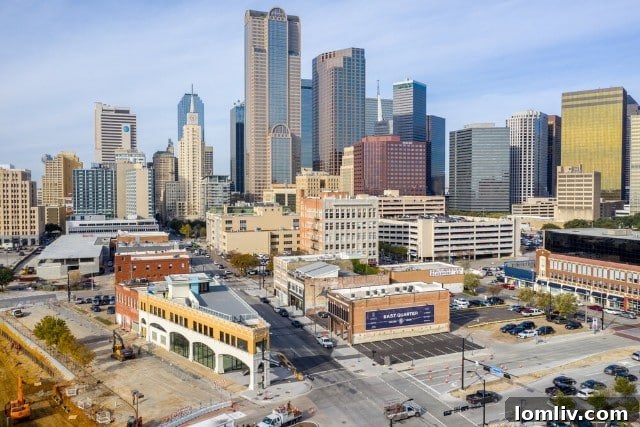
In contrast to the explosive growth rates seen in Austin and San Antonio, the Dallas-Fort Worth (D-FW) Metroplex experienced a modest slowdown in 2019, with growth easing by 3.1 percent. This came after nearly a decade of unparalleled, rapid expansion, during which D-FW consistently ranked among the fastest-growing metropolitan areas in the nation. While a slowdown might initially sound concerning, experts view it as a healthy recalibration, signaling a move towards a more sustainable and balanced market.
The reduced rate of housing price increases in 2019, following seven to eight years of significant appreciation, provided an opportunity for other sectors of the D-FW economy to catch up. This normalization is beneficial, fostering a more diversified and robust economic environment. D-FW boasts an incredibly diverse economy, home to numerous corporate headquarters, a thriving finance industry, extensive logistics and transportation networks, and a growing healthcare sector. A balanced housing market allows these other industries to thrive without being overshadowed by real estate speculation, ultimately benefiting the region’s long-term economic stability and attractiveness to businesses and residents alike.
Central Texas and Beyond: A State of Growth
Beyond the major metropolitan centers, Central Texas as a whole experienced solid growth, with a 2.4 percent increase in the past year. This region benefits from its proximity to Austin and San Antonio, often serving as a desirable option for those seeking slightly lower housing costs while remaining within commuting distance of major job hubs. Smaller cities and towns surrounding the major MSAs are also seeing increased activity, as residents spread out in search of affordability and space.
Furthermore, other key Texas MSAs, such as Houston, continue to play vital roles in the state’s overall real estate narrative. Houston, with its energy industry dominance and world-renowned medical center, maintains a significant housing market driven by its own unique economic cycles. This broad-based growth across various regions underscores the comprehensive strength and appeal of the Texas real estate landscape.
Addressing the Supply Side: Challenges for Builders and Developers
While demand has been robust, the supply side of the Texas housing market faces its own set of formidable challenges. The rapid pace of sales and population growth has put immense pressure on homebuilders and developers to keep up with the escalating demand, a task that is proving increasingly complex.
The Scramble to Meet Demand
The vibrant housing market, while positive for homeowners, presents significant hurdles for those tasked with creating new inventory. Builders and developers are constantly scrambling to acquire suitable land, navigate complex permitting processes, manage rising construction costs, and secure adequate labor. These challenges collectively contribute to a situation where the supply of new homes often lags behind the relentless demand.
“We’re seeing that activity in terms of building permits, vacant lot development and supply factors are increasing,” Miller stated, acknowledging the concerted efforts of the construction industry. However, he emphasized the scale of the challenge: “Builders and developers are having to try hard to keep up with the demand.” This indicates that while new construction is indeed underway, the sheer volume of buyers entering the market necessitates an even more accelerated pace of development. Factors such as infrastructure limitations, environmental regulations, and local zoning ordinances further complicate the ability to bring new housing units to market quickly and efficiently.
Future Outlook and Concluding Thoughts
The remarkable performance of the Texas real estate market in the past year is a testament to the state’s enduring economic strength, demographic appeal, and strategic advantages. The interplay of low interest rates, sustained domestic migration, and a dynamic job market, coupled with the significant influence of the millennial generation, has created a uniquely fertile ground for housing growth.
As Texas continues to attract new residents and businesses, the challenge of maintaining a balanced and affordable housing market will persist. Addressing supply-side constraints, such as land availability, labor shortages, and regulatory hurdles, will be crucial for ensuring sustainable growth and preventing excessive price appreciation. The resilience and adaptability demonstrated by the Texas economy suggest a continued positive trajectory for its real estate sector, albeit with ongoing adjustments to meet evolving demand.
For more comprehensive insights and detailed analyses of the Texas housing market, prospective buyers, sellers, and industry professionals are encouraged to consult the valuable resources provided by the Texas A&M University Systems Real Estate Center. The center publishes monthly reports offering granular data on the Texas Urban Triangle, major MSAs, and the border economy, alongside a quarterly report dedicated to commercial real estate trends. These reports serve as indispensable tools for understanding the intricate dynamics of one of the nation’s most exciting real estate markets.
For more information, read the reports at the Real Estate Center website.