

The Statler Hotel: A Beacon of Hope for Dallas Healthcare Heroes Amidst COVID-19
As the world grappled with the unprecedented challenges brought forth by the novel coronavirus, communities rallied to support those on the front lines. In Dallas, Texas, the situation was particularly pressing, with Dallas County reporting a cumulative total of 1,112 confirmed cases of COVID-19 by 10 a.m. on April 5th. This significant rise, including 97 new cases from the previous day, underscored the critical and tireless efforts of medical professionals and the urgent need for robust community support.
Stepping up to this challenge with remarkable corporate social responsibility, Centurion American, the esteemed redevelopment firm helmed by Mehrdad Moayedi, transformed a portion of its iconic Statler Hotel into a sanctuary for healthcare workers. The firm, renowned for breathing new life into the once-derelict but architecturally significant Midcentury Modern building in downtown Dallas, opened two dedicated floors of its luxurious guest rooms to serve medical professionals at no cost. This initiative provided a much-needed haven for those tirelessly combating the pandemic, allowing them a safe and comfortable space to rest and rejuvenate.
This generous gesture extended beyond just lodging. As prominently shared on the hotel’s official Facebook page, recipients of this invaluable support were also provided with complimentary boxed breakfast, lunch, and dinner meals. This comprehensive approach aimed to alleviate the numerous stresses faced by medical personnel, ensuring they had access to nutritious food and didn’t have to worry about meal preparation after exhaustive shifts. Centurion American Development Group articulated its motivation clearly: “We want to alleviate some of the stress and show appreciation for the sacrifices they make every day for the health of our citizens.” This act of kindness served as a powerful testament to the community’s gratitude and solidarity with its healthcare heroes.
The Statler, a historical landmark beautifully revitalized, became more than just a hotel; it transformed into a symbol of resilience and community spirit during a global crisis. Its commitment to providing a safe, isolated environment was crucial for medical professionals who might otherwise risk exposing their own families after working directly with COVID-19 patients. This support allowed them to focus entirely on their demanding duties, knowing that their well-being and that of their loved ones were being considered. For more information or to refer a medical professional who could benefit from a safe place to isolate, inquiries can be directed via email to [email protected]. This initiative not only offered tangible support but also sent a clear message of appreciation and unity to those selflessly serving the community.
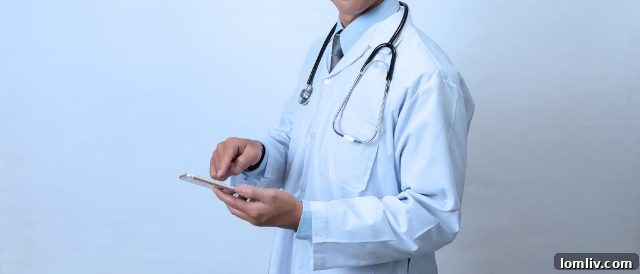
NAR Champions Member Well-being with No-Cost Telehealth Services for Realtors
The vast majority of real estate professionals operate as self-employed individuals, a professional structure that often limits their access to affordable group health insurance policies. This inherent challenge became particularly pronounced during the advent of the novel coronavirus pandemic, when health and access to medical care became paramount concerns for everyone. Recognizing this critical vulnerability, the National Association of Realtors (NAR) swiftly responded, reaffirming its commitment to the well-being of its extensive membership.
In a timely and vital move to address escalating concerns regarding the spread of COVID-19, NAR introduced a groundbreaking initiative: offering no-cost telehealth services to all eligible members who registered by April 15. This proactive step was designed to provide crucial health support, ensuring that Realtors could access medical advice and care from the safety and convenience of their homes, thereby minimizing potential exposure risks and alleviating pressure on traditional healthcare facilities.
This innovative telehealth offering is a cornerstone of NAR’s broader “Right Tools, Right Now” initiative, an extensive program designed to equip its 1.4 million members with essential resources during challenging times. The initiative encompasses various support mechanisms, all geared towards helping members navigate the complexities of their professional and personal lives amidst the pandemic. By providing access to virtual healthcare, NAR aimed to empower its members to prioritize their health without facing prohibitive costs or logistical hurdles.
Bob Goldberg, CEO of NAR, articulated the association’s guiding principle, stating, “While the nation continues to grapple with the COVID-19 crisis, we are doing everything we can to ensure our members and their families can stay safe, healthy and secure.” This statement underscores NAR’s dedication to its members, viewing their health and security as fundamental to their ability to continue serving clients and contributing to the economy.
Members TeleHealthSM provides unparalleled around-the-clock access to non-emergency healthcare services from a vast network of over 2,300 board-certified U.S. physicians. This invaluable service covers a wide array of common medical issues, including allergies, asthma, various rashes, joint aches, flu-like symptoms, and nausea, among others, ensuring comprehensive virtual care.
To demonstrate its profound commitment, NAR funded two months of these essential services for members who previously lacked access to telemedicine and enrolled in this critical program by the April 15 deadline. Acknowledging the anticipated high demand for such a vital offering, NAR proactively negotiated a significantly discounted rate for those members who wished to continue their coverage beyond the initial two-month, no-cost period. This strategic foresight ensures sustained access to affordable healthcare, offering long-term peace of mind.
Vince Malta, NAR President and broker at Malta & Co., Inc., in San Francisco, CA, emphasized the profound importance of this initiative. “As we continue to solicit input from our members regarding COVID-19’s impact on their lives and businesses, NAR is grateful to be able to offer expanded access to potentially lifesaving telemedicine services,” he remarked. He further highlighted the broader public health implications, noting, “Medical professionals are urging Americans who are sick to stay home, and telemedicine is playing a critical role protecting our communities and our health care workers. We continue to encourage members to limit their exposure and decrease the chance of spreading illnesses to others.” This initiative not only supported individual Realtors but also contributed to the collective effort to flatten the curve and safeguard public health during a critical period, making virtual healthcare a cornerstone of safety and professional continuity for the real estate community.
Texas Navigates Economic Headwinds: Unemployment Surges Amidst Global Pandemic
The economic fallout from the COVID-19 pandemic unleashed an unprecedented wave of job losses across the United States, and Texas, often lauded for its robust economy, was not immune. The Lone Star State experienced a staggering increase of over 2,100 percent in unemployment claims since the beginning of the year, a stark indicator of the widespread economic disruption caused by the global health crisis. This sharp rise in jobless claims highlighted the immediate and profound impact of lockdowns and business closures on the state’s workforce.
Despite this alarming surge in unemployment figures, a recent report from WalletHub offered a nuanced perspective, ranking Texas as 34th out of the 50 states and the District of Columbia in terms of its unemployment increase. This position, placing Texas behind California (ranked 33rd) and ahead of Missouri, suggests that while the impact was significant, other states faced even more severe immediate employment crises. This relative ranking can be attributed to various factors, including the state’s diverse economic base, its timing of initial lockdown measures, and the composition of its workforce compared to other heavily impacted regions.
WalletHub’s methodology for ranking states on the severity of unemployment increase was based on two crucial dimensions: firstly, the percentage increase in the number of unemployment insurance initial claims in 2020 compared to the same period in 2019; and secondly, the total increase in the number of unemployment insurance initial claims in 2020. These metrics provided a comprehensive view of both the relative and absolute changes in joblessness, offering insights into which states were experiencing the most dramatic shifts in their employment landscapes.
- The increase in the number of unemployment insurance initial claims in 2020 vs. 2019, reflecting the year-over-year change.
- And the total increase in the number of unemployment insurance initial claims in 2020, showcasing the absolute volume of new claims.
While unemployment insurance payments provided a critical safety net for millions of Americans, the long-term economic recovery was widely understood to hinge on a confluence of factors. The monumental $2.2 trillion aid package signed by President Trump, known as the CARES Act, injected vital liquidity into the economy, supporting businesses and individuals through direct payments, expanded unemployment benefits, and small business loans. However, the ultimate pace and resilience of the economic rebound largely depended on how quickly and effectively social distancing measures could be eased, and consumer confidence could be restored.
Economists offered various perspectives on the path to recovery. Jason Beck, an associate professor of economics at Georgia Southern University, provided an insightful outlook: “I expect we’ll be feeling the effects of this for quite some time. Once people can go back to work, there will be a big boost in economic activity to satisfy all the pent up demand that accumulated during the shutdown. But the hit people took while not working, plus the general pessimism about the near term that people will likely be feeling will cause a slowdown.” This perspective highlighted the potential for a V-shaped recovery driven by pent-up demand, but also cautioned against the lingering effects of lost income and pervasive uncertainty, suggesting a more prolonged or uneven path to full economic health. The Texas economy, deeply intertwined with national and global markets, would inevitably navigate these complex dynamics, with long-term implications for its vibrant real estate sector and diverse industries.
Local Decor Designer Kathy Fielder Empowers Community with DIY Coronavirus Mask Tutorial
For residents of Lakewood and East Dallas, the name Kathy Fielder is synonymous with exquisite taste and luxurious home decor. Her boutique is a celebrated destination for those seeking the most beautiful bedding, accessories, and unique design elements that elevate any living space. However, as the COVID-19 crisis rapidly unfolded, Fielder and her team swiftly pivoted their focus, demonstrating remarkable adaptability and a profound commitment to community welfare. Recognizing the urgent need for personal protective equipment, they channeled their design expertise into a practical and incredibly helpful initiative: providing a comprehensive tutorial on how to craft effective face masks from materials readily available in most homes.
This timely shift underscored the critical role that businesses and individuals played in supporting public health efforts. With shortages of medical-grade masks impacting healthcare workers, the Centers for Disease Control and Prevention (CDC) began recommending that the general public use cloth face coverings to help prevent the spread of the virus. Kathy Fielder’s tutorial became an invaluable resource, empowering individuals to create their own masks using common home decor fabrics they might already have on hand. This initiative not only addressed a practical need but also encouraged creativity and resourcefulness during a period of widespread anxiety.
The beauty of Fielder’s approach lies in its accessibility and the utilization of everyday materials. By demonstrating how to transform fabric remnants, old linens, or other household textiles into functional face coverings, she made mask-making approachable for everyone, regardless of their sewing experience. This community-focused effort provided a tangible way for individuals to contribute to public safety, protect themselves and others, and feel a sense of agency in uncertain times. The tutorial served as a beacon of practical guidance, illustrating how local businesses and designers could leverage their skills to make a direct and meaningful impact on community health and well-being during an unprecedented global challenge.