

The Trump Presidency and North Texas Real Estate: An In-Depth Analysis of the 2016 Market Shift
The night of November 8, 2016, sent ripples of uncertainty across global financial markets. As election results for the 45th President of the United States trickled in, confirming Donald Trump’s unexpected victory, equities experienced an immediate dip. Markets, notoriously averse to unpredictability, reacted swiftly to the prospect of a billionaire businessman with a real estate background taking the nation’s highest office. For those immersed in the vibrant North Texas real estate scene, the question immediately arose: what would this seismic political shift mean for the region’s dynamic housing market? Could it, perhaps, even signal good news for niche segments like vacation homes?
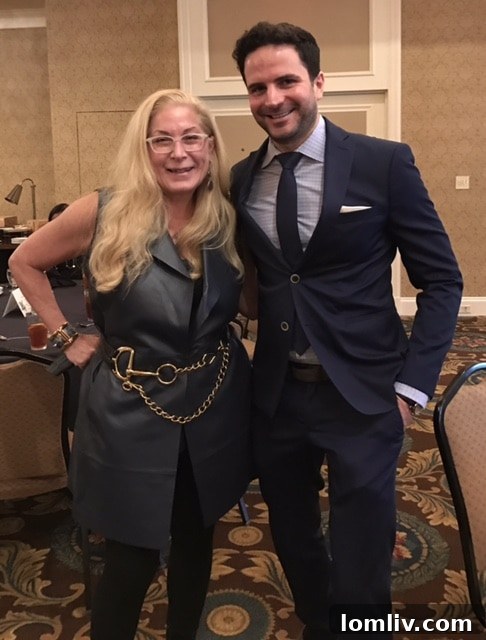
This pivotal moment prompted a closer look at the local and national real estate landscape. Just the day before the election, the author had the privilege of moderating a compelling panel discussion hosted by the Dallas Builder’s Association at the prestigious Stonebriar Country Club. This venue, nestled within the heart of the “Billion Dollar Corridor”—one of the nation’s most rapidly expanding and sought-after markets—provided a unique vantage point to gauge the industry’s pulse.
North Texas: A Hotbed of Real Estate Activity Despite Shifting Tides
The panel, featuring an esteemed group of local real estate veterans including Lisa Birdsong from Ebby Halliday Frisco, Ram Konara of StarPro Realty, Bill Nelson from Your Home Free, Janie Ragsdale of JRagz Realty, and Victor Vo of RE/MAX DFW, painted a vivid picture of the North Texas market. A unanimous sentiment emerged: the most pressing challenge was not a lack of demand, but a critical shortage of inventory to meet the relentless onslaught of eager clients.
While the luxury market south of LBJ Freeway (Interstate 635) showed signs of cooling, a stark contrast was observed in the northern reaches of the Dallas-Fort Worth Metroplex. Activity in areas like Frisco remained absolutely ferocious, showing no indications of slowing down. Lisa Birdsong, a seasoned agent with Ebby Halliday Frisco, encapsulated this sentiment perfectly:
“I had my busiest summer EVER. And it is not slowing down now, not in Frisco.”
This fierce competition highlights the enduring appeal of North Texas, driven by strong economic fundamentals, corporate relocations, and a continuously growing population.
Understanding North Texas Buyer Preferences
The panelists also shed light on evolving buyer preferences that are shaping demand in the North Texas market. Prospective homeowners prioritize highly-rated school districts as their number one criteria, often making the school zone the primary determinant for their home choice, even over specific property features. Furthermore, new construction consistently trumps pre-owned homes in desirability, reflecting a desire for modern amenities, fresh designs, and often, the ability to customize finishes.
Intriguingly, while there’s a general perception that buyers seek smaller square footage, this preference often comes with specific stipulations. “Must-haves” now frequently include a detached or semi-detached casita. These versatile secondary living spaces, which innovative builders like Darling Homes have begun to incorporate, serve a multitude of purposes: housing live-in in-laws, accommodating adult millennial children returning home, or providing comfortable quarters for frequent visitors. This trend underscores a broader societal shift towards multi-generational living and flexible home arrangements.
National & Economic Real Estate Forecasts Post-Election
To gain a broader understanding of the election’s national impact, many eyes turned to industry leaders. Steve Brown, a respected real estate columnist, sought insights from Jonathan Smoke, Chief Economist at Realtor.com, which serves as a prominent voice for the National Association of Realtors—one of the largest lobbying groups globally. Smoke sagely noted that the election occurred during a naturally slower period for the housing market, potentially mitigating some of the immediate shockwaves.
Smoke also reminded us of the remarkably close nature of the 2016 election, often described as a virtual tie, with Hillary Clinton winning the popular vote. The unexpected strength of Trump’s performance, particularly in states like New Hampshire and the pivotal win in Pennsylvania (where urban Philadelphia voted differently from central and western parts of the state), highlighted deep regional economic and political divides. Smoke posited that traditionally “blue states” like Texas, with their robust economies, might remain largely unaffected by the political upheaval. However, the implications for “blue” enclaves within “red states” presented a more complex picture.
Migration Patterns and Economic Grievances
The discussion at the Dallas Builder’s Association event also revealed significant migration trends. When asked about the primary origins of new residents moving to North Texas, California topped the list, followed closely by the Northeast and Midwest. Interestingly, panelists noted that Northeastern buyers often prefer master bedrooms located upstairs with their children’s rooms—a distinct preference compared to traditional Texas layouts. This migration pattern, especially from regions often referred to as the “rust belt,” suggests that many of those who voted for Trump may have done so out of frustration with stagnant regional economies, seeking new opportunities in booming areas like North Texas.
James Gaines, the esteemed chief economist at the Real Estate Center at Texas A&M University, provided a characteristically pragmatic view on the Texas market. He anticipated no immediate short-term changes but expressed concern about potential mortgage rate hikes, which could temper buyer enthusiasm. Gaines underscored the pervasive uncertainty factor, explaining:
“The main result is greater uncertainty about future. Folks will either hunker down and do nothing or anticipate tougher times – i.e. higher interest rates – and try to move quicker to buy.”
This highlights a bifurcated buyer response: some might delay decisions, while others, fearing rising costs, might accelerate their purchases.
Conversely, Ralph McLaughlin, Chief Economist at Trulia.com, offered a slightly different perspective from Smoke and Gaines. He suggested that homebuyers in “blue states”—a category that, by popular vote, could include many urban areas even within traditionally red states—might be more rattled by the election outcome. This segment, he theorized, could be more inclined to defer large purchases, including homes. The humorous, yet perhaps prescient, thought of a boost in readership for SecondShelters.com (a sister publication focused on vacation homes) underscored this sentiment, hinting at a potential exodus or shift in investment strategies for some.
International Markets Brace for US Exodus
The ripple effect of the US election was not confined to domestic borders. Gill South, reporting for Inman, detailed how international real estate markets were actively bracing for an influx of American buyers. Countries experiencing the most significant surge in inquiries included Costa Rica and Ireland.
Sarah Breitlander, owner of Krain Costa Rica Real Estate (part of Leading Real Estate Companies of the World), confirmed this trend with conviction. She reported that her firm had been receiving “huge bites” rather than mere “nibbles” in the two years leading up to the election. The demand was almost overwhelming, with daily inquiries. Breitlander noted that buyers from states like Texas, Massachusetts, Colorado, and California—representing both Democratic and Republican affiliations—were contacting her. The underlying message was clear, irrespective of the election’s outcome: “I’ll be down there.”
Further evidence of this sentiment was the widely reported crash of Canada’s immigration website on election night as votes began decisively favoring Trump. This indicated a substantial number of Americans exploring options for relocation, driven by political uncertainty or dissatisfaction.
Deregulation and the Business Perspective
The election outcome also brought a specific kind of optimism from the business community. Many analysts pointed to the significant number of “lean-in” voters—those who privately supported Trump despite public reticence—as individuals hoping he would dismantle burdensome regulations perceived to inflate business costs and stifle growth. This perspective was echoed strongly in the commercial real estate sector.
Jeff Swope, a prominent commercial real estate investor and developer heading Dallas Champion Partners, articulated this sentiment clearly to Steve Brown. He welcomed the prospect of a businessman in the White House, anticipating a positive impact on the regulatory environment:
“I would expect a short – very short pause – and then back to business as normal. The great news is that there is a businessman as president – should mean an opportunity to lessen some of the insane regulations being forced on businesses.”
Indeed, regulations undeniably contribute to the cost of construction and development. The promise of streamlining these processes resonated deeply within the real estate and development communities, potentially paving the way for more efficient and cost-effective projects.
The Federal Reserve’s Dilemma and Interest Rates
However, the question of whether a Clinton presidency might have helped keep interest rates low lingered. The post-election landscape placed the Federal Reserve in a precarious “can’t-win” position, as commercial real estate experts conveyed to Bisnow.
“The Federal Reserve is now in a can’t-win position where if they raise the rate in December it will be seen as trying to invoke policy before the new president takes office and has a chance to offer his views,” Jack Kern, director of research at Yardi, explained. “[But] if they fail to raise rates, it will be seen as a political decision implying they are trying to curry favor with the new Trump administration.”
Despite this conundrum, Carl R. Zwerner Chair of Economic Forecasting at Georgia University, Rajeev Dhawan, remained convinced that a December rate hike would proceed, citing the reaction of the 10-year bond market as a strong indicator.
Jonathan Miller, another respected voice, held a more optimistic view regarding rates, suggesting they would likely remain low for an extended period. While beneficial for the housing market, keeping rates artificially low might not be ideal for the overall economy. This perspective was echoed by HousingWire, which hinted at potential resignations from key Fed officials like Janet Yellen in the weeks following the election, signaling the profound uncertainty facing the institution.
“This is very much a step into the unknown because we simply can’t know what type of President Trump will be,” observed Paul Ashworth, Chief Economist at Capital Economics. “Will he be the demagogue from the campaign trail, who threatened to lock up his political opponents, punish the media, build border walls and start a global trade war? Or is he capable of becoming a statesmanlike figure who leads in a more measured manner?”
Ashworth further speculated, “Given the adverse market reaction we have already seen, the Fed’s planned December rate hike is now off the table. There is a possibility that Fed Chair Janet Yellen and even some other Fed Governors (Lael Brainard??) will resign immediately.”
The inherent unpredictability of a Trump presidency thus cast a long shadow over established economic policies and leadership.
Potential Policy Shifts: Dodd-Frank and Housing Initiatives
Amidst the swirling uncertainty, one potential positive outcome frequently discussed was the possible relaxation of the Dodd-Frank Act. This complex legislative framework, enacted in response to the 2008 financial crisis, tightened capital requirements for banks and made it considerably more challenging for consumers to obtain mortgages. A Republican administration under Trump, largely advocating for deregulation, was seen as likely to ease some of these stringent financial controls.
During his campaign, explicit discussions on housing policy were notably scarce, often overshadowed by the broader “Make America Great Again” mantra. However, Trulia Chief Economist Ralph McLaughlin interpreted Trump’s hints as a preference for boosting homeownership through demand-side policies, such as financial deregulation. This approach would prioritize making it easier for people to buy homes rather than focusing on supply-side policies, like reducing local impediments to new housing construction. As a seasoned real estate investor himself, Trump’s personal experience with property ownership—including his numerous homes—suggested an intrinsic understanding of the sector, albeit from a developer’s perspective.
Interestingly, the article concludes with a humorous, yet poignant, observation about Hillary Clinton’s recent real estate acquisition. Having just purchased a third million-dollar property next door to her existing residence, her timing might have been, perhaps inadvertently, perfect—securing a significant asset just as the political and economic landscape shifted dramatically.
Conclusion: Navigating a New Era for Real Estate
The 2016 presidential election ushered in an era of profound uncertainty for the United States, and the real estate market was no exception. While initial market jitters were palpable, particularly in global equities, the North Texas real estate market demonstrated remarkable resilience and unique dynamics. Fueled by strong migration, robust economic growth, and specific buyer demands for features like excellent schools and multi-functional casitas, areas like Frisco and the Billion Dollar Corridor continued their ferocious pace of activity, defying broader cool-downs seen in other luxury segments.
Nationally, experts grappled with the implications of a new administration, weighing potential deregulation benefits against concerns over mortgage rate hikes and the Federal Reserve’s delicate position. The prospect of easing the Dodd-Frank Act offered a glimmer of optimism for many in the industry, potentially simplifying mortgage access and reducing building costs. Simultaneously, the election spurred a noticeable increase in international real estate inquiries, hinting at a segment of the American population seeking stability beyond national borders.
Ultimately, the post-election real estate landscape was characterized by a blend of apprehension and opportunity. While the long-term trajectory remained a “step into the unknown,” as one economist put it, the underlying strength of regional markets like North Texas, coupled with the potential for business-friendly policy shifts, suggested a complex but adaptive future for real estate in the United States.