A New Dawn for The Bottom District: Revitalizing Dallas’s Historic Tenth Street Community
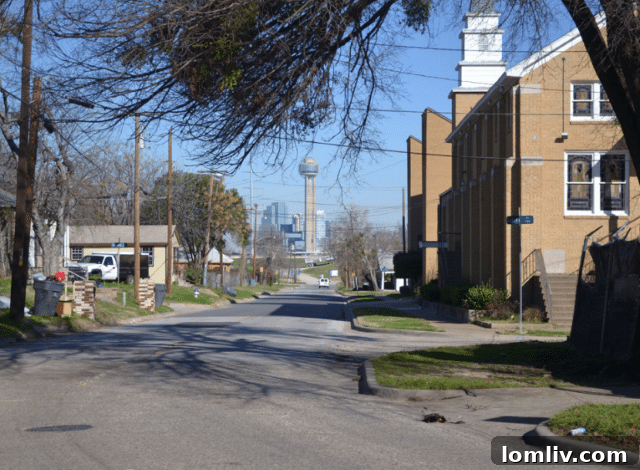
After years of meticulous planning and dedicated effort, a monumental revitalization project is finally breaking ground in The Bottom District, a historically significant neighborhood nestled near downtown Dallas. This ambitious undertaking heralds a new beginning for the cherished Tenth Street community, promising to infuse new life, modern infrastructure, and much-needed affordable housing into an area rich with heritage and resilience.
The recent groundbreaking ceremony marked a pivotal moment, signaling the tangible start of a project that many have championed for over a decade. As State Sen. Royce West aptly noted at the ceremony, “It’s taken a while to get here, but it appears as though we are finally here.” This sentiment encapsulates the long journey and the collective determination that has brought this vision to fruition.
The Heart of History: Understanding The Tenth Street Community
The Bottom District, particularly its Tenth Street community, holds a unique and profound place in Dallas’s history. It is recognized as one of the last remaining Freedmen’s towns in the city—communities established by formerly enslaved people following the Civil War. These towns were crucial havens, offering African Americans opportunities for land ownership, self-governance, and cultural preservation in an era marked by systemic segregation and discrimination. The Tenth Street community, with its vibrant history and strong communal bonds, has stood as a testament to the perseverance and spirit of its residents for generations.
Over the decades, like many historic urban centers, The Bottom faced various challenges, including underinvestment, urban decay, and the pressures of encroaching modern development. Despite these hurdles, the community maintained its distinct identity and sense of belonging, with residents advocating tirelessly for the preservation of their heritage while seeking improvements for their future. The current revitalization project is not merely about building new homes; it is about honoring this profound legacy, ensuring that the new development respects and integrates with the existing cultural fabric of the Tenth Street community.
Project Scope and Vision: A $110 Million Transformation
The comprehensive revitalization project, valued at $110 million, is spearheaded by Texas Heavenly Homes in collaboration with several minority contractors. This partnership underscores a commitment to equitable development and community empowerment. The ambitious plan envisions the construction of up to 400 new homes, designed to be accessible and affordable for a diverse range of Dallas residents. These homes are projected to be priced competitively, ranging between $200,000 and $300,000, addressing a critical need for quality, attainably priced housing in the rapidly growing Dallas metropolitan area.
The development adheres strictly to the city’s Urban Structure & Guidelines document, ensuring that the new construction aligns with broader urban planning goals for the area. Spanning a significant 126-acre parcel, The Bottom district is strategically located, bordered by Interstate-35E to the west, Corinth Street to the east, Eighth Street to the south, and the scenic Trinity River floodplain to the north. This prime location offers residents convenient access to downtown Dallas, major transportation arteries, and the natural beauty of the Trinity River greenbelt.
Overcoming Obstacles: A Decade of Dedication
The journey to this groundbreaking moment has been a testament to perseverance, with the project officially commencing its collaborative efforts in 2008. The City of Dallas initially partnered with Dick LeBlanc, president of Texas Heavenly Homes, to conceptualize and develop the land adjacent to the Trinity River in southeast Dallas. However, urban development projects of this scale, particularly those involving historic communities, are often fraught with complexities.
LeBlanc shared with The Dallas Morning News that the process of rezoning the areas and extensively updating critical infrastructures proved to be far more time-consuming than initially anticipated. Outdated and insufficient utility systems, including water, sewage, and streets, required comprehensive overhauls. These foundational improvements were non-negotiable for sustainable and modern living. The City of Dallas demonstrated its commitment by investing millions of dollars into upgrading this essential infrastructure, paving the way for wider streets, robust utility lines, safe sidewalks, modern streetlights, and crucial high-speed internet access. These investments are not just about convenience; they are about enhancing the quality of life and ensuring the longevity of the community’s future.
“It has been a complicated thing to go from Point A to Point B,” LeBlanc acknowledged, highlighting the intricate web of regulatory requirements, environmental considerations (given the proximity to the Trinity River floodplain), and the necessity for extensive community engagement. Such projects demand a delicate balance between progress and preservation, requiring continuous dialogue with residents, historical societies, and city officials to ensure the development meets contemporary needs while honoring the community’s past.
A Bright Future: Impact and Economic Growth
The revitalization of The Bottom District is poised to deliver a multitude of positive impacts. Foremost among them is the creation of much-needed affordable housing, which will allow current residents to remain in their community and attract new families seeking a vibrant, historically rich place to call home. The availability of 400 new homes at accessible price points will contribute significantly to alleviating Dallas’s ongoing housing affordability crisis.
Beyond housing, the project is expected to spur considerable economic growth. The construction phase itself will generate numerous jobs, benefiting local contractors and skilled tradespeople, including many from minority-owned businesses involved in the partnership. Once completed, the increased residential density and improved infrastructure will likely attract new businesses and services to the area, creating further employment opportunities and bolstering the local economy. The enhanced connectivity, with new streets and internet access, will integrate The Bottom more seamlessly into the broader Dallas urban fabric, fostering greater accessibility and opportunities for its residents.
Moreover, this development serves as a model for urban renewal, demonstrating how historic communities can be revitalized without sacrificing their unique character. It underscores the importance of public-private partnerships and sustained commitment from all stakeholders to achieve meaningful and transformative change. The preservation of the Tenth Street community’s legacy, combined with modern amenities and housing, ensures that The Bottom District will not only thrive but also continue to tell its compelling story for generations to come, standing as a beacon of progress, heritage, and community spirit in Dallas.