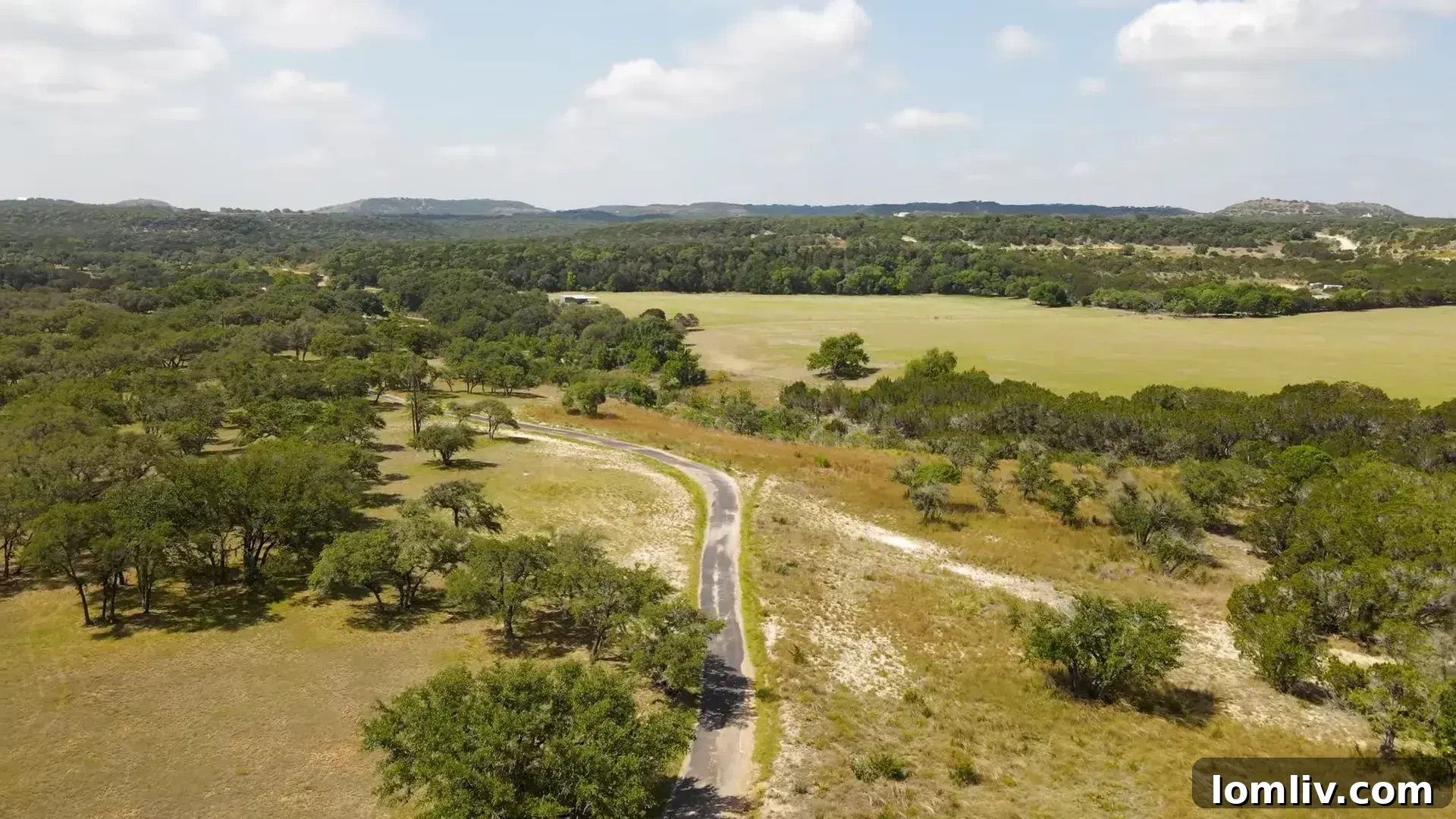
Investing in land represents a cornerstone of strategic wealth building, offering a unique blend of stability, potential for significant appreciation, and diversification for an investment portfolio. Navigating the inherently complex world of property acquisition, whether it involves vast farmland, a serene rural retreat, or a prime parcel for urban development, demands a comprehensive understanding of several critical factors. A successful land investment hinges on meticulous research and careful consideration of key elements, including location analysis, legal frameworks, prevailing market trends, environmental assessments, and crucial financial planning. This detailed guide aims to illuminate these essential considerations, providing aspiring and seasoned investors alike with the insights necessary to make truly informed and smart investment decisions in the dynamic land market.
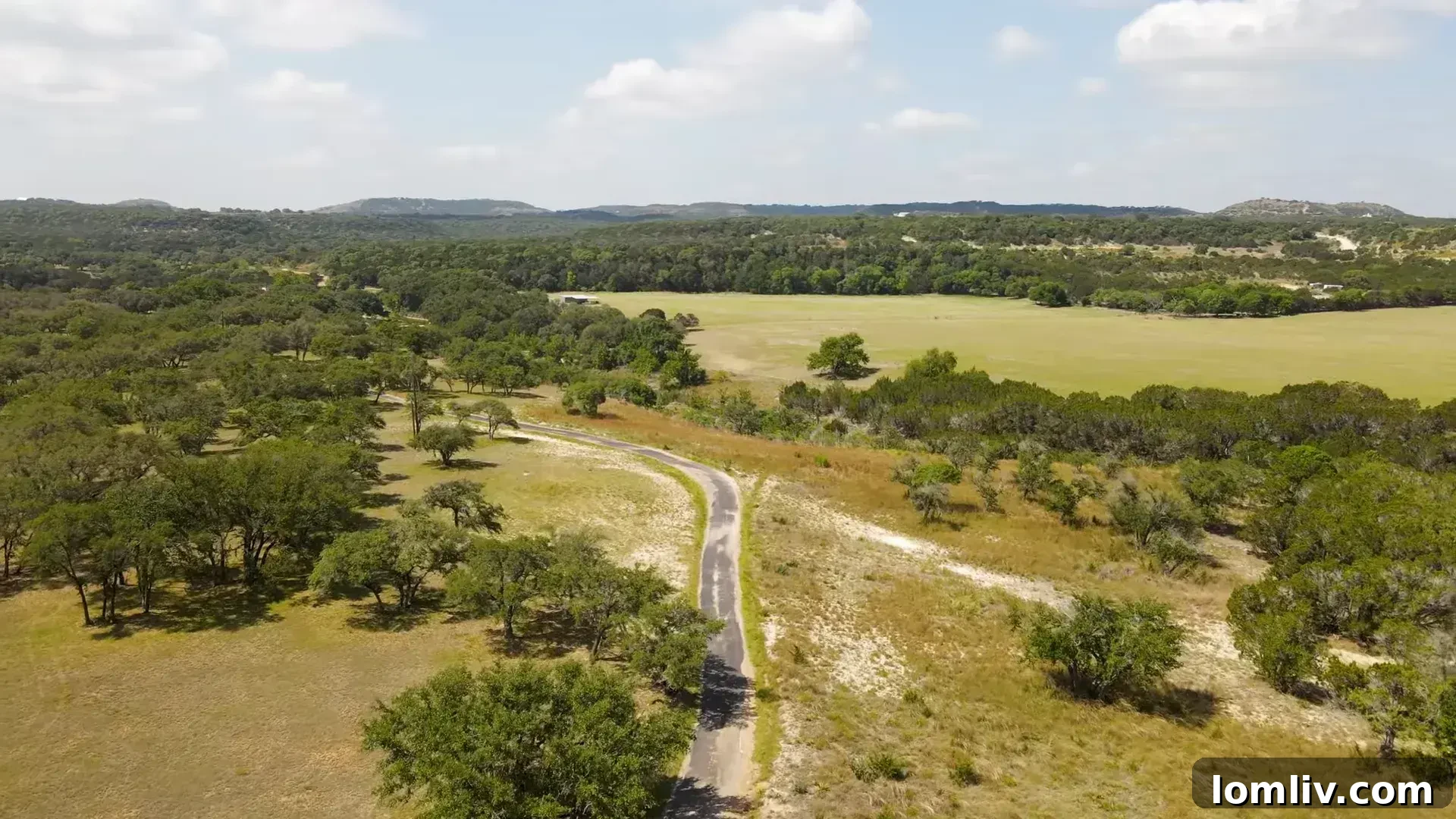
Strategic Location Analysis: The Cornerstone of Land Investment
The cardinal rule of real estate, “location, location, location,” holds even greater significance in land investment. Evaluating a parcel’s location goes far beyond its immediate surroundings; it involves a deep dive into its strategic positioning relative to essential infrastructure and growth drivers. Proximity to major highways, bustling commercial centers, and expanding residential areas often correlates directly with higher land values and superior returns on investment. Identifying regions with robust infrastructure development plans, such as new road constructions, public transportation expansions, or utility upgrades, can signal future appreciation.
Thoroughly investigating local economic conditions is paramount. Assess factors like job growth rates, unemployment statistics, and the presence of stable or emerging industries, as these indicators directly influence population influx and demand for property. Furthermore, projecting future growth patterns, including master-planned communities or municipal development initiatives, is crucial for uncovering long-term value. Consider what makes the surrounding area appealing to potential buyers or renters: access to reputable schools, vibrant recreational facilities, healthcare services, and cultural amenities. Conducting a detailed comparative market analysis, exploring property values, and understanding demand trends in the specific locale are indispensable steps. For instance, data from sources like Statista, indicating that the average cost per square foot for newly constructed single-family homes in the US has risen significantly since 2012, reaching $168, and the average sales price of a new home hitting $540,000, underscores the critical role of market trends in property valuation and the continuous upward trajectory of real estate values. These statistics highlight the consistent appreciation in the housing market, which often translates to increased demand and value for undeveloped land suitable for residential projects.
Mastering Zoning and Land Use Regulations for Future Development
Zoning is the legal framework that dictates how a particular piece of land can be used. It assigns specific designations—such as residential, commercial, industrial, agricultural, or mixed-use—to parcels of land within a municipality. A clear understanding of these regulations is absolutely vital, as they directly impact the feasibility and profitability of your investment vision. Before making any commitment, diligently check local zoning codes to ensure the land’s current designation aligns with your intended use. For example, purchasing land zoned for agriculture with the expectation of building a multi-story apartment complex would likely prove to be a costly mistake without a successful zoning change.
Beyond the primary use, zoning codes also impose various restrictions, including building height limits, density regulations (e.g., how many units per acre), setback requirements (distance from property lines), and parking mandates. These details can significantly influence design, cost, and overall project scope. Savvy investors also consider the potential for future zoning changes. Municipalities periodically update their general plans and zoning ordinances, and understanding the history of urban planning initiatives for a specific parcel can provide valuable clues about its future developmental trajectory. Engaging with local planning departments and reviewing public records can offer insights into proposed changes or ongoing discussions that might impact your investment positively or negatively. Navigating these regulations adeptly can unlock substantial value, while neglecting them can lead to insurmountable obstacles.
Environmental and Soil Quality Assessment: Protecting Your Investment
A thorough environmental and soil quality assessment is not merely a formality but a critical component of a sound land investment strategy. The physical characteristics of the land, particularly its soil composition, dictate its suitability for various purposes, whether it be agricultural cultivation or the foundation for construction. Different soil types—from loamy soil ideal for farming to compact clay suitable for stable foundations—have distinct implications for development costs and potential uses.
Beyond suitability, potential environmental hazards pose significant risks. According to the ATSDR, arsenic concentrations in US soils vary widely, with a geometric mean of approximately 5.2 ppm. While the Eastern US averages 4.8 ppm, the Western US shows an average of 5.5 ppm with a range extending from less than 0.1 ppm to 97 ppm. Such regional variations underscore the importance of localized assessments to identify potential soil contamination risks, which could necessitate expensive remediation efforts and legal liabilities. Investors must also evaluate drainage factors, historical land use (which might indicate contamination from previous industrial activities or waste disposal), and overall site stability. Environmental studies are crucial for identifying specific challenges related to protected wetlands, endangered species habitats, or other ecologically sensitive areas that could severely restrict development. Additionally, assessing hazards such as designated flood zones, areas prone to erosion, or geological instability is imperative to safeguard the investment against natural disasters and ensure long-term viability. A Phase I Environmental Site Assessment (ESA) is often a prudent initial step, and if “recognized environmental conditions” are identified, a more detailed Phase II ESA involving soil and water testing may be necessary.
The Indispensable Role of Engaging with a Specialized Land Broker
While general real estate agents handle residential and commercial properties, a specialized land broker possesses nuanced expertise critical for successful land investment. These professionals offer invaluable insights into specific land markets, streamline complex transaction management, and excel in negotiations unique to raw land parcels. Experienced land brokers can provide access to coveted off-market opportunities that are not publicly advertised, leveraging their extensive networks and deep local context. This access often translates into smoother transactions and more favorable investment terms.
Beyond merely facilitating transactions, specialized land brokers are adept at conducting comprehensive market analysis, providing accurate property valuations, and skillfully negotiating prices to secure the best possible deals for their clients. Organizations like the Land Broker Co-op exemplify the comprehensive support systems available. They assist with everything from property listing management to detailed market analysis and price negotiation. Furthermore, many land brokers emphasize stewardship, guiding clients toward investments that not only offer financial returns but also support wildlife habitat preservation or sustainable agricultural practices. They can also advise on potential tax exemptions for state landowners involved in wildlife, agriculture, or timber, in addition to informing on federal exemptions on ranch or farm expenses, which can amount to millions of dollars in financial relief. Their specialized knowledge and network are instrumental in navigating the intricacies of land acquisition, ensuring that investors are well-informed and well-represented throughout the entire process.
Comprehensive Financial Considerations and Costs in Land Investment
A thorough financial analysis is fundamental to any successful land investment. Beyond the initial purchase price, investors must account for a myriad of associated costs that can significantly impact the overall profitability and cash flow of the project. These include ongoing property taxes, necessary insurance policies, and maintenance expenses (such as upkeep for fences, access roads, or brush clearing). Furthermore, if the land is intended for development, significant costs will arise from site preparation, which encompasses clearing, grading, and potentially extensive infrastructure improvements like extending water lines, sewer systems, and electricity. The potential return on investment (ROI) must be rigorously assessed against current market values and future appreciation projections.
Financing options also play a critical role. Whether pursuing traditional bank loans, exploring owner financing arrangements, or considering specialized land loans, the prevailing interest rates and loan terms will heavily influence the total cost of acquisition and the project’s financial viability. A meticulously planned budget should not only cover these known expenses but also include a substantial contingency fund for unforeseen costs, which are common in land development. A rigorous financial analysis ensures that the investment aligns seamlessly with your long-term financial goals and capabilities, protecting against unexpected expenditures. The most common financial considerations, beyond the cost of acquisition, are property taxes, liability insurance, ongoing maintenance, site development costs, and the nuances of various financing options. A well-constructed financial plan is the bedrock upon which clearly defined investment goals can be achieved and sustained.
Legal Due Diligence and Title Verification: Securing Your Ownership
Legal due diligence and meticulous title verification are non-negotiable steps in any land acquisition. This comprehensive investigation process ensures that the property’s ownership is clear, free from encumbrances, and legally sound. The buyer must initiate a thorough title search to ascertain that the land is not subject to any outstanding liens, unresolved disputes, or other legal claims that could jeopardize ownership. Verifying the chain of title, which traces the property’s ownership history, is crucial for identifying any past legal issues that might resurface.
According to Investopedia, a title verification process, which involves checking public records for outstanding liens and other legal matters, can take anywhere from 10 to 14 days, especially for older properties where records may be less consolidated. It is highly advisable to enlist the expertise of a qualified real estate attorney. This legal professional will carefully review all land contracts, zoning ordinances, environmental reports, and especially documents related to easements or encumbrances. Easements, such as those for utility lines or shared access roads, can limit a landowner’s ability to use or develop certain portions of their property. Similarly, restrictive covenants might dictate what can be built or how the land can be maintained. By diligently reviewing these legal factors, investors can protect their substantial investment from potential future complications, legal challenges, and unexpected restrictions, thereby ensuring clear, undisputed ownership and the full utilization of the land’s potential.
Infrastructure and Utility Access: Essential for Development Potential
The availability and accessibility of essential infrastructure and utilities are paramount considerations that profoundly impact the value and development potential of any land investment. Before finalizing a purchase, it is imperative to investigate the presence and capacity of critical services such as water supply, electricity, sewage systems, natural gas, and reliable road access. The costs associated with bringing these utilities to an undeveloped parcel can be substantial and can significantly alter the overall feasibility of a project.
Consider the scale of existing infrastructure: CISA (Cybersecurity and Infrastructure Security Agency) highlights the vast network of public drinking water systems (around 153,000) and wastewater treatment systems (approximately 16,000) across the US, serving a vast majority of the population. Understanding if your target land is within the service area of such systems, or if it will require individual solutions like wells and septic systems, is crucial. Investors must inquire about existing road access—whether it’s via public roads, private easements, or if new access points need to be constructed. The costs and feasibility of installing utilities where they are absent, or upgrading existing ones, must be meticulously factored into the budget. Proximity to public transportation, essential amenities like schools, hospitals, and shopping centers further enhances a land area’s appeal and market value, particularly for residential or commercial development. A lack of readily available utilities or difficult access can severely restrict development options and diminish the land’s intrinsic value, making thorough research into these logistical aspects a critical step in prudent land investment.
By diligently following these comprehensive steps—from strategic location analysis and understanding regulatory frameworks to assessing environmental factors, engaging expert brokers, navigating financial complexities, ensuring legal due diligence, and evaluating infrastructure—investors can fine-tune their strategy and make truly informed decisions. This systematic approach is the cornerstone for securing a valuable land asset that promises both immediate advantages and substantial long-term investment benefits.