Navigating the Deluge: Surviving Prolonged Wet Weather in Rural and Farm Properties
The incessant drumming of rain on the roof, the squelch of mud underfoot, and the pervasive dampness can test the patience of even the most resilient homeowner. While city dwellers might contend with overflowing gutters and slippery sidewalks, those living in rural areas, particularly on sprawling farm or ranch properties, face a uniquely amplified set of challenges when the heavens refuse to close. What starts as welcome hydration for the land quickly transforms into an arduous battle against saturation, erosion, and an overwhelming sense of messy despair. Imagine a landscape where the ground has been continuously saturated for weeks, even months – a relentless ninety-day soak, with nearly half of April registering as rainy days. This isn’t just a wet spell; it’s a complete hydrological takeover, turning picturesque countryside into a quagmire of epic proportions.
The frustration is palpable. The very elements that sustain life on a farm—soil, water, and vegetation—become the protagonists in a frustrating drama of mud and mayhem. For those managing horse farms, cattle ranches, or any significant acreage, the dream of tranquil country living can quickly devolve into a nightmare of logistics and maintenance, as every step outside becomes a muddy trek and every task an uphill battle against the relentless forces of nature.
The Great Transformation: From Fertile Ground to Endless Mire
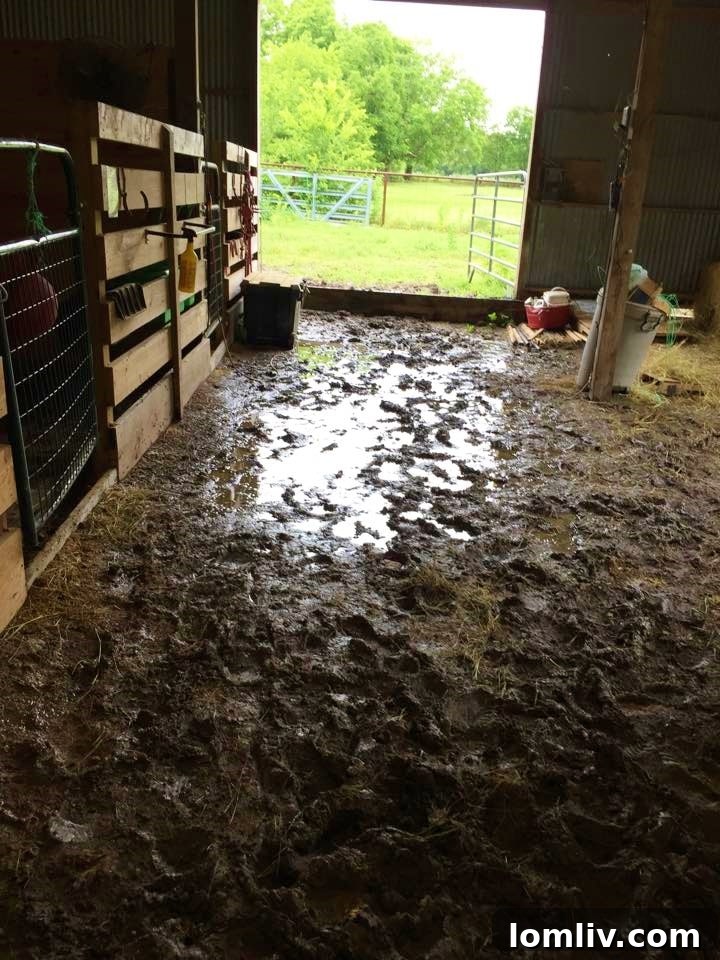
Country living typically boasts the charm of vast open spaces and connection to nature. However, when nature decides to unleash its full watery might, those charming open spaces become the epicenter of a mud crisis. The once firm, earthy ground, ideal for grazing animals and robust growth, morphs into a treacherous, slimy mud pit. This isn’t merely surface-level dampness; it’s deep saturation that permeates the very foundations of the land. Footing becomes uncertain for humans and livestock alike, raising concerns about injuries and contamination. Animal enclosures become particularly problematic, transforming into muddy pools that threaten animal health and hygiene. The daily routine of feeding, checking fences, and tending to animals, usually a refreshing outdoor activity, becomes a daunting, muddy expedition, requiring specialized gear and an extra dose of patience.
Beyond the immediate mess, prolonged saturation leads to serious long-term issues. Soil structure can degrade, impacting future fertility and drainage. Erosion becomes a significant threat, especially on sloped areas, washing away valuable topsoil and creating unsightly, damaging gullies. The constant moisture also fosters an environment ripe for mold and mildew, affecting not just outdoor structures but potentially creeping into barns, sheds, and even homes.
Battling the Wild: Overgrown Landscapes and Immobilized Machinery
One of the most striking visual indicators of prolonged wet weather on a rural property is the explosion of uncontrolled vegetation. The same rain that makes the mud so prolific also fuels an unprecedented growth spurt in grass and weeds. While lush green pastures are generally desired, when coupled with impenetrable mud, they become a different kind of problem. Imagine grass so tall and dense it resembles an untamed jungle, obscuring pathways, hiding potential hazards, and diminishing the aesthetic appeal of a meticulously maintained property.
The core issue? You can’t mow it. The heavy machinery required for managing large acreages—tractors, riding mowers, brush hoggers—are rendered useless. Attempting to navigate these powerful machines through deep, saturated mud isn’t just inefficient; it’s dangerous. Tractors get irrevocably stuck, requiring complex and costly extraction efforts. Their heavy tires churn the already soft ground, exacerbating erosion and creating deeper ruts that further complicate future land management. Consequently, every country property begins to resemble an overgrown wilderness, a far cry from its intended manicured appearance. This lack of maintenance also impacts forage quality for livestock, as desirable grasses are outcompeted by weeds and become trampled and soiled.
When Arenas Become Ponds: Water Management Nightmares
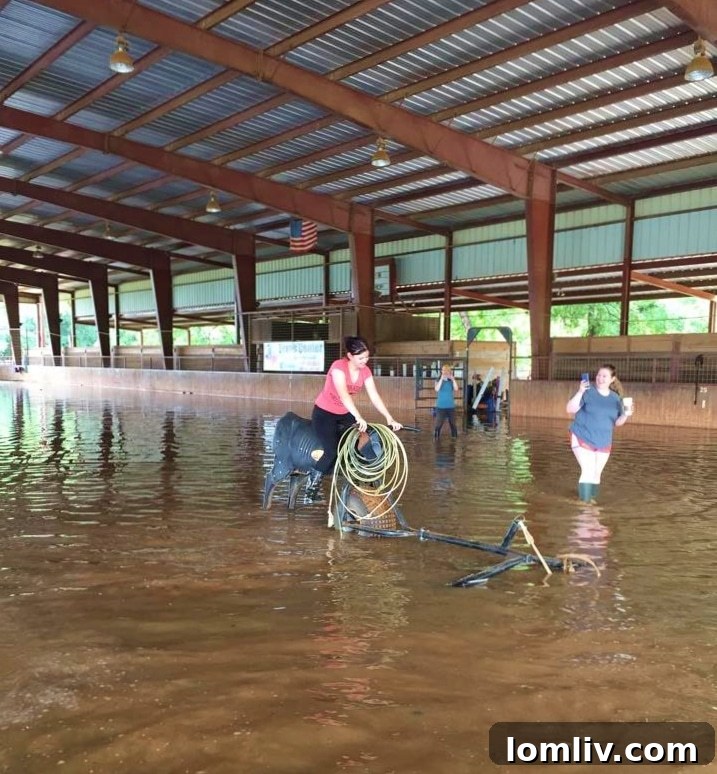
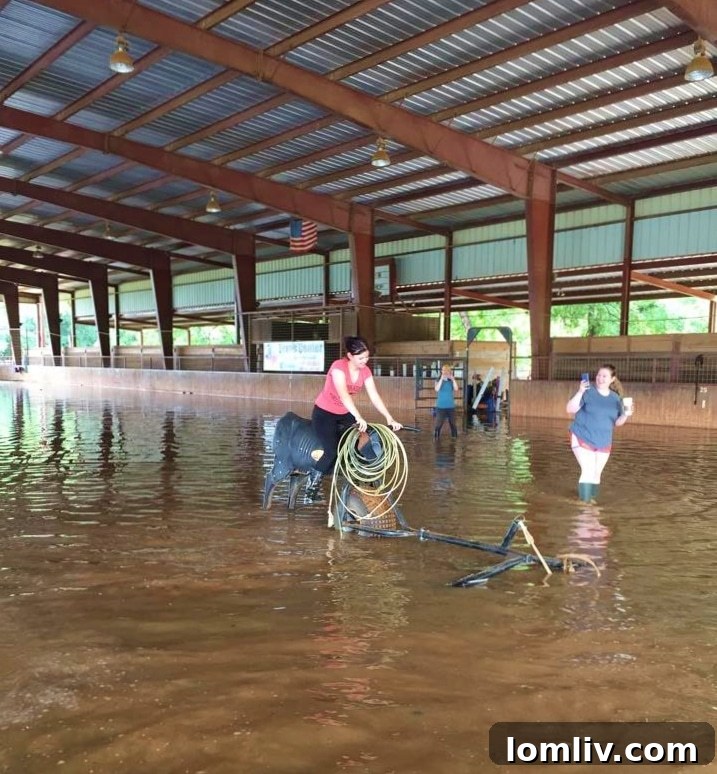
The sheer volume of water transforms functional spaces into unusable hazards. Equestrian arenas, meticulously graded and prepared for training and riding, become veritable ponds, often indistinguishable from the surrounding puddles. Swimming pools, designed for summer recreation, overflow to the point where their edges blur with the saturated landscape, creating potentially dangerous murky expanses. This excess water poses significant challenges:
- Lost Utility: Valuable spaces for recreation, training, or livestock become inaccessible, disrupting routines and potentially impacting livelihoods.
- Structural Integrity: Constant water exposure can undermine foundations of barns, sheds, and other outbuildings, leading to costly repairs. Fences can lean or collapse as posts lose their grip in the softened soil.
- Drainage Overload: Existing drainage systems, designed for typical rainfall, are overwhelmed, leading to widespread standing water and localized flooding.
- Disease Risk: Stagnant water creates breeding grounds for mosquitoes and other pests, and can contribute to hoof problems and other health issues for livestock.
The visual impact alone can be disheartening. What was once a source of pride and enjoyment becomes a source of frustration and despair, reinforcing the feeling of losing control to the elements.
Uninvited Guests: The Wildlife Conundrum
With overgrown vegetation and widespread dampness comes an inevitable surge in wildlife activity, often in unsettling ways. The casual mention of “Snake-Away” at Walmart isn’t just a humorous aside; it highlights a genuine concern for rural residents. Overgrown grasses and accumulated debris provide ideal habitats for snakes, rodents, and a host of other creatures seeking shelter from saturated burrows or new hunting grounds. This increase in wildlife, particularly venomous snakes, poses a direct threat to pets, livestock, and residents venturing out into the now-dense landscape.
Moreover, standing water attracts mosquitoes, ticks, and other biting insects, which can transmit diseases to both humans and animals. Rodents, displaced by rising water levels, may seek refuge in barns, sheds, or even homes, leading to potential damage and hygiene issues. Managing these pest populations becomes yet another urgent task in an already overflowing list of chores.
The Real Estate Conundrum: Selling and Showing in the Soggy Season
For those looking to sell a rural property during such a prolonged wet period, the challenges are formidable. Presenting a property at its best is crucial for attracting buyers, but how do you showcase expansive acreage when it’s a muddy, overgrown mess? First impressions are everything, and a landscape marred by standing water, deep ruts, and towering weeds is unlikely to inspire prospective buyers. The very charm of country living – the open spaces, the potential for outdoor activities – is obscured by the current conditions. Sure is fun… who wants to take clients out in this?
Real estate agents face the unenviable task of guiding clients through an outdoor obstacle course, requiring special footwear and a robust imagination to look past the current state. Buyers struggle to envision the property’s true potential when confronted with its temporary, less-than-ideal reality. Emphasizing indoor features, providing extensive high-quality photos and videos from drier seasons, and focusing on the property’s long-term value and structural integrity become paramount. Sellers may need to consider temporary solutions like laying down gravel paths or utilizing virtual tours to mitigate the visual impact of the challenging conditions.
Strategies for Survival: Managing the Muddy Monsoon
While battling nature can feel overwhelming, there are proactive steps rural property owners can take to manage the impact of prolonged wet weather and prepare for future deluges:
Short-Term Mud Management:
- Create Temporary Paths: Lay down wood chips, straw, or gravel in high-traffic areas around barns, gates, and frequently used paths to provide stable footing.
- Designate Cleaning Stations: Set up areas with hoses, brushes, and boot scrapers near entry points to minimize mud tracking indoors.
- Protect Sensitive Areas: Use tarps or temporary covers over vulnerable equipment or supplies that cannot tolerate prolonged dampness.
- Regular Checks: Continuously monitor fences, outbuildings, and animal enclosures for signs of damage, erosion, or standing water.
- Elevated Feeders: For livestock, use elevated feeders and water troughs to keep feed and water clean and prevent contamination from mud.
Long-Term Drainage and Landscape Solutions:
- Improve Grading: Ensure proper land grading around structures directs water away from foundations.
- Install Drainage Systems: Invest in French drains, culverts, or swales to efficiently channel excess water away from critical areas.
- Hardscaping: For high-traffic areas around barns or gate entrances, consider permanent hardscaping solutions like concrete pads or compacted gravel, which offer durability and prevent mud formation.
- Choose Resilient Vegetation: Select grass varieties and plants that are more tolerant to periods of saturation and have strong root systems to help prevent erosion.
- Elevated Structures: Consider building raised platforms or walkways in areas prone to persistent mud, especially for access to animal shelters or storage.
- Maintain Equipment: Regularly clean and maintain all farm equipment, especially after use in muddy conditions, to prevent rust and damage. Store machinery under cover when not in use.
Wildlife and Pest Control:
- Clear Debris: Remove piles of brush, logs, and other debris that can serve as habitat for snakes and rodents.
- Mow When Possible: Seize any opportunity during drier spells to mow overgrown areas to reduce cover for pests.
- Seal Entry Points: Ensure barns, sheds, and homes have sealed entry points to deter rodents and insects.
- Use Repellents: Employ pet-safe and environmentally friendly repellents where appropriate.
Beyond the Frustration: The Resilience of Rural Life
While the immediate impact of prolonged wet weather can be incredibly challenging, the cycle of nature also brings its eventual rewards. The same rains that cause so much frustration also replenish water tables, nourish the soil for future growth, and contribute to the vibrant greenery that defines the countryside during drier seasons. Rural living demands a unique blend of resilience, adaptability, and an understanding of nature’s rhythms.
The ability to anticipate, mitigate, and recover from such natural events is a testament to the enduring spirit of those who choose to live closer to the land. By implementing thoughtful strategies and embracing a proactive approach, property owners can transform overwhelming challenges into manageable tasks, ensuring their beautiful country or farm properties remain resilient, functional, and ultimately, rewarding, no matter what the weather brings. We endure the elements, knowing that eventually, the sun will shine again, drying the mud and revealing the lush beauty beneath.