
Navigating the real estate market in North Texas, particularly within the bustling Dallas-Fort Worth (DFW) metroplex, offers exciting opportunities for homeowners. However, this unique geographic and climatic region presents its own set of distinct challenges that are crucial for prospective buyers and current homeowners to understand. A comprehensive home inspection is far more than a mere formality; it’s an indispensable tool for uncovering potential issues that are deeply rooted in the local environment and can significantly impact a property’s value and structural integrity. At Green Scene Home Inspections, our team of seasoned professionals is dedicated to providing Daltxrealestate.com readers with invaluable insights into these localized concerns. Through our “Upon Closer Inspection” series, we aim to empower you with the knowledge needed to make informed decisions about your most significant investment.
We’ve consulted with our expert inspectors to identify the most common and critical problems they encounter that are specifically pertinent to homes across North Texas and the greater DFW area. Whether you’re a newcomer to this dynamic region or a first-time homebuyer embarking on your property journey, understanding these specific vulnerabilities can save you from unforeseen expenses and future headaches. Delving into these five key areas will equip you with a clearer perspective on what to meticulously look for when evaluating a property in this vibrant and growing part of Texas.
1. The Pervasive Challenge of Gray and Black Clay Soil on Foundations
One of the most significant and widespread issues affecting homes in North Texas is the prevalence of expansive gray and black clay soils. This particular soil type is highly reactive to changes in moisture content, posing a constant threat to the stability of home foundations. When dry, this clay soil contracts and shrinks, creating voids and leading to settlement. Conversely, during periods of heavy rainfall, it absorbs moisture, expands dramatically, and can exert immense upward pressure on a foundation, a phenomenon known as heaving.
The consequences of this continuous cycle of expansion and contraction are profound. As illustrated by the prominent crack in the dry soil in the graphic above, the stress on a foundation can be considerable. Inside the home, signs of foundation movement can manifest as visible cracks in interior and exterior walls, often seen in brickwork, drywall, and plaster. Homeowners may also notice uneven floors, doors and windows that stick or no longer align properly within their frames, and even gaps forming around window and door seals. Over time, these issues can compromise the structural integrity of the entire house, necessitating expensive foundation repairs such as the installation of piers or adjustments to pier-and-beam systems. Mitigating these risks involves strategic landscaping to ensure proper drainage away from the foundation, consistent watering of the soil during prolonged dry spells to maintain stable moisture levels, and, in some cases, the installation of French drains or root barriers to manage moisture. A professional home inspection will meticulously evaluate the foundation for any signs of distress and recommend further assessment by a qualified structural engineer if potential issues are detected, highlighting this as a top concern for North Texas homebuyers.
2. Understanding Hard Water’s Impact on DFW Plumbing Systems
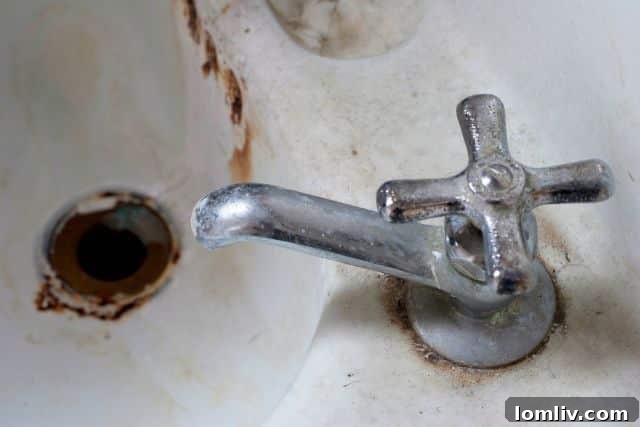
For residents of the Dallas-Fort Worth metroplex, “hard water” is a familiar term, denoting water with a high concentration of dissolved minerals, predominantly calcium and magnesium. While generally safe for consumption, this mineral-rich water presents considerable challenges for a home’s plumbing infrastructure, appliances, and fixtures. Over time, these minerals precipitate out of the water, forming limescale or mineral buildup (often referred to as calcium buildup) within pipes, water heaters, showerheads, faucets, and various household appliances such as dishwashers and washing machines.
This accumulation isn’t just an aesthetic nuisance on chrome fixtures; it significantly compromises the efficiency and longevity of your home’s vital systems. Within pipes, limescale constricts the internal diameter, reducing water flow and pressure, and eventually leading to stubborn blockages. In water heaters, it forms an insulating layer on heating elements, forcing the unit to work harder, consume more energy, and ultimately shortening its operational life. Repair and replacement costs for appliances damaged by hard water are a common and unwelcome expense for DFW homeowners. Although homes equipped with copper pipes might experience less internal pipe buildup compared to those with older galvanized steel systems, all fixtures and appliances remain vulnerable to mineral deposits. Beyond plumbing, hard water can diminish the effectiveness of soaps and detergents, result in dull laundry, and leave skin and hair feeling dry and sticky. Investing in a water softener system is a highly effective solution for many North Texas households, offering protection for plumbing and appliances while improving daily water quality. Regular descaling and cleaning of fixtures are also essential maintenance practices. For practical advice on preventing and removing mineral build-up, this resource from Roto-Rooter provides excellent, actionable tips: Here are some tips for preventing and removing mineral build-up.
3. Home Vulnerabilities to North Texas’ Frequent and Powerful Storms
North Texas is renowned for its intense and often unpredictable weather patterns, making storm preparedness and thorough post-storm damage assessment critical aspects of homeownership in the region. Situated in a zone prone to severe weather events, DFW experiences everything from powerful thunderstorms—complete with torrential rain, frequent lightning, and strong winds—to destructive hailstorms and the ever-present threat of tornadoes. These major weather occurrences can inflict substantial damage on residential properties, much of which may not be immediately visible from the ground, underscoring the vital role of professional inspection after any significant storm event.
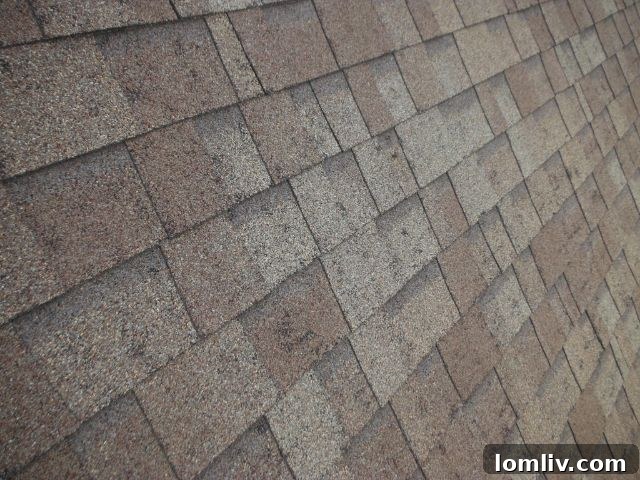
High winds, a common characteristic of North Texas storms, can cause extensive roof damage, lifting and tearing off shingles, dislodging fascia and soffit, and even causing structural damage to fences and other exterior elements. Hail, which can range from pea-sized to golf ball-sized or larger, can wreak havoc on roofs, leaving behind dents, bruising, and significant granule loss on asphalt shingles. As vividly depicted in the accompanying image, such hail damage compromises the protective layer of the roof, accelerating its aging process and creating prime entry points for water infiltration and subsequent leaks. Beyond the roof, hail can dent siding, damage gutters, and crack windows. After a significant weather event, a professional roof inspection is always recommended, as hidden damage can lead to costly water intrusion and further deterioration if left unaddressed. Proactive measures such as securing outdoor items, regularly trimming overgrown trees, and ensuring your home’s exterior envelope is in optimal repair can help mitigate some risks. However, the inherent unpredictability of North Texas storms means continuous vigilance is key. Early detection of storm damage can significantly expedite insurance claims and prevent minor issues from escalating into major, expensive repairs.
4. The Detrimental Effects of North Texas Heat and Humidity on Homes
The protracted, intensely hot, and often oppressively humid summers of North Texas present another distinct set of environmental challenges for residential properties. This harsh climate significantly accelerates the wear and tear on various home components and creates ideal conditions for specific types of damage. The relentless cycle of extreme temperature fluctuations, coupled with consistently high moisture levels, causes building materials to undergo constant expansion and contraction. This perpetual stress can lead to visible cosmetic issues like cracking paint, both internally and externally, and more structurally significant problems such as compromised window seals.
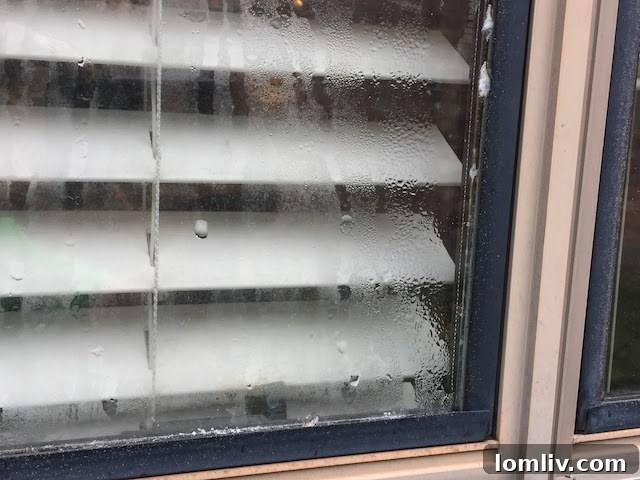
When window seals fail, as clearly shown in the accompanying image with moisture trapped between the glass panes, humid air can infiltrate the insulated unit. This results in unsightly condensation, fogging, or even visible water accumulation, which not only obstructs views but also severely diminishes the window’s insulating efficiency. The consequence is often higher energy bills, as your HVAC system struggles harder to maintain comfortable indoor temperatures. Beyond windows, the high humidity provides an ideal breeding ground for a variety of pests, most notably wood-destroying insects like termites and carpenter ants. Termites thrive in warm, moist environments and can inflict extensive, often hidden, damage to a home’s wooden structural elements. Other pests, including cockroaches and rodents, also find the DFW climate highly favorable. Furthermore, persistent humidity can foster the pervasive growth of mold and mildew in inadequately ventilated areas such as attics, crawl spaces, and bathrooms, posing potential health risks and requiring expensive remediation. Implementing proper ventilation strategies, ensuring robust insulation, maintaining diligent pest control measures, and regular servicing of HVAC systems are all crucial steps for managing the demanding impact of North Texas’ climate on your home.
5. Addressing the Age-Old Problem of Cast Iron Plumbing Systems
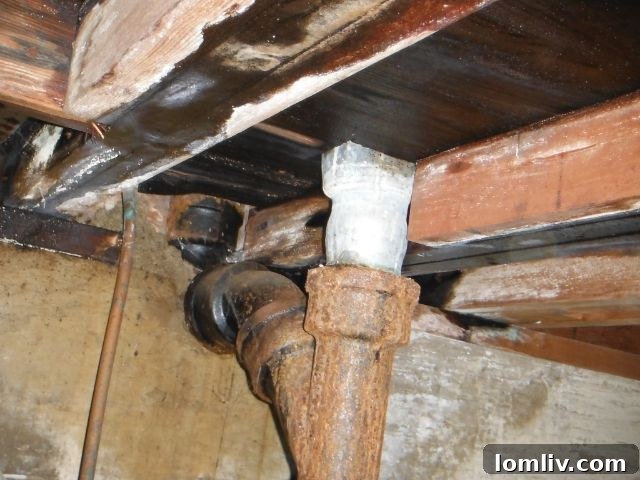
Many homes constructed in North Texas before the 1970s and 1980s, particularly those featuring pier-and-beam foundations, commonly utilized cast iron piping for their main drain lines. While cast iron was once praised for its perceived durability and longevity, the unfortunate reality is that these pipes have a finite life expectancy, typically ranging from 50 to 75 years. As the housing stock in the DFW area continues to age, issues related to original cast iron plumbing systems are becoming increasingly prevalent findings during professional home inspections.
The primary vulnerability of cast iron pipes is corrosion. Over decades of constant exposure to wastewater, the interior of these pipes begins to rust and scale, leading to a significant reduction in the pipe’s internal diameter. This internal corrosion impedes the natural flow of water and waste, making blockages, slow drains, and recurring backups common and frustrating occurrences. More critically, the corrosion process weakens the pipe walls, rendering them brittle and highly susceptible to cracking, especially under external pressures from shifting foundations or the expansive clay soil discussed earlier. Leaks emanating from corroded cast iron pipes, often hidden within walls, beneath concrete slabs, or in confined crawl spaces, can lead to severe water damage, promote dangerous mold growth, and even contribute to foundational instability. The image provided vividly illustrates a severely corroded cast iron pipe, as observed from the crawl space of a pier-and-beam house – a stark and undeniable warning sign of imminent failure. Identifying and proactively addressing these issues is paramount, as replacing cast iron drain lines is a notoriously extensive and expensive undertaking. Such projects often involve disruptive excavation, breaking up concrete slabs, or navigating cramped crawl spaces to access and replace the deteriorated piping with modern, more durable materials like PVC or PEX. A detailed home inspection, often supplemented by a specialized sewer camera inspection, is essential to accurately assess the condition of these aging plumbing systems and provide homeowners with a clear understanding of potential future expenses and necessary upgrades.
Successfully navigating the complexities of buying or selling a home in North Texas requires more than just a passing glance at a property. It demands a thorough understanding of the unique environmental and structural challenges inherent to this region. From the dynamic and often problematic expansive clay soils that can threaten your foundation, to the relentless effects of hard water on your plumbing, the severe impact of local storms, the toll of extreme heat and humidity on building materials, and the aging cast iron plumbing systems—each factor plays a critical role in the long-term health, safety, and value of your property. These are not merely minor inconveniences; they represent significant considerations that can profoundly impact your budget, comfort, and ultimate peace of mind as a homeowner.
This is precisely why a comprehensive, professional home inspection conducted by experienced local experts is not just advisable, but absolutely essential. At Green Scene Home Inspections, we possess specialized expertise in identifying these DFW-specific issues, meticulously documenting our findings, and providing you with a detailed, actionable report. Our commitment is to ensure you are fully informed about a property’s true condition, empowering you to negotiate effectively, plan for necessary future maintenance, or confidently walk away from a potential money pit. Don’t leave your most significant investment to chance in the thriving North Texas real estate market. We encourage you to tune into our “Upon Closer Inspection” series for continuous valuable insights and, most importantly, schedule your professional home inspection with Green Scene Home Inspections today. Protect your investment and secure your peace of mind.