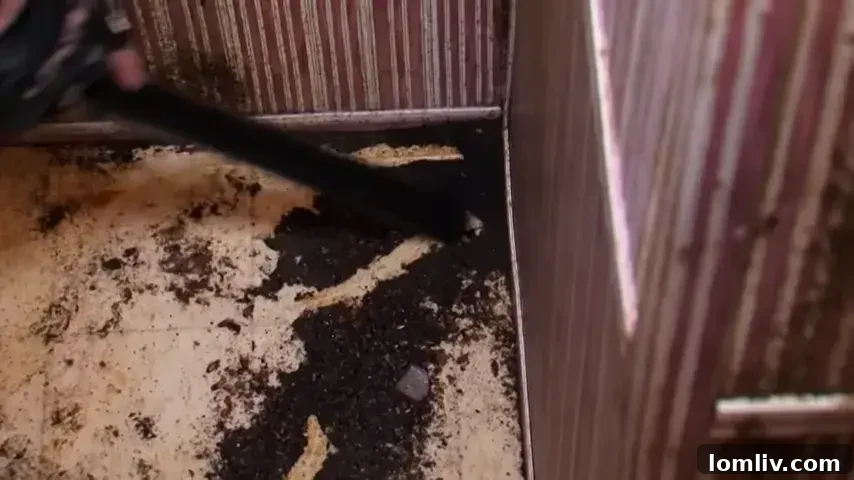
Living in a rental property should come with the fundamental expectation of a clean, safe, and healthy environment. Unfortunately, this expectation can be shattered by the unsettling discovery of a persistent cockroach infestation. These resilient pests are far more than just an unsightly nuisance; they pose significant health risks, inflict emotional distress, and can cause considerable damage to your belongings, effectively transforming your home into a source of constant anxiety and discomfort.
For tenants in California, specific legal protections are firmly in place to safeguard them from substandard living conditions, including severe and unresolved pest infestations. When a landlord fails to address a cockroach problem adequately and promptly, tenants are not left without recourse. Understanding these comprehensive rights and the legal avenues available is absolutely crucial. Engaging with a qualified cockroach infestation attorney can be an invaluable initial step, empowering tenants to navigate the complexities of landlord-tenant law and ultimately secure the healthy and habitable living environment they are legally entitled to by California state law.
The Grave Health Risks Associated with Cockroach Infestations
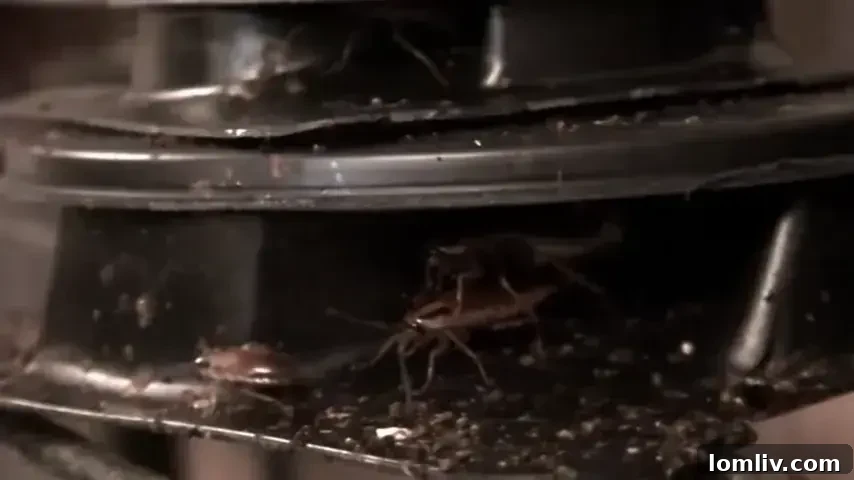
Beyond their universally repulsive appearance and the immediate discomfort they cause, cockroaches are notorious carriers of serious health threats that can impact every member of a household, with particular danger to vulnerable populations. These nocturnal invaders are known to traverse highly unsanitary areas such as sewers, garbage bins, and drains, picking up a multitude of dangerous pathogens on their bodies. They then track these contaminants across food preparation surfaces, utensils, stored food items, and even personal belongings.
Their ability to transmit bacterial infections like E. coli and Salmonella is well-documented, leading to severe gastrointestinal illnesses in humans who unknowingly consume contaminated substances. Symptoms can range from mild abdominal discomfort to debilitating diarrhea, vomiting, fever, and severe dehydration, often requiring immediate medical attention and potentially hospitalization. Furthermore, cockroaches are linked to the spread of other diseases and parasites, posing a broader public health concern within infested premises.
Moreover, the mere presence of cockroaches, even unseen, can significantly trigger or exacerbate chronic respiratory issues. Their droppings (feces), shed skin (exoskeletons), and saliva contain potent allergens that become airborne and are easily inhaled. When these microscopic particles are breathed in, they can provoke severe allergic reactions, particularly in sensitive individuals. Children, the elderly, and those with pre-existing respiratory conditions such as asthma are especially vulnerable. Exposure to cockroach allergens can lead to frequent and severe asthma attacks, chronic coughing, persistent sneezing, skin rashes (eczema), and other debilitating allergic responses, substantially diminishing an individual’s quality of life and general well-being.
The psychological toll associated with living in a cockroach-infested environment should not be underestimated. The constant vigilance required, the fear of contamination, the embarrassment, and the sheer disgust can induce significant stress, anxiety, sleep deprivation, and even depression. It transforms what should be a sanctuary into an unbearable and anxiety-provoking space. Given these profound health implications—both physical and mental—a persistent and widespread cockroach infestation is unequivocally considered a serious habitability issue that landlords are legally compelled to address under California law. Failure to do so constitutes a clear and serious violation of the implied warranty of habitability, a fundamental protection afforded to all tenants in California rental properties.
Understanding Your Fundamental Legal Rights as a Tenant in California
In the state of California, the law mandates that all rental properties meet stringent minimum health and safety standards. This foundational legal principle is encapsulated in what is known as the “implied warranty of habitability.” This warranty is a non-waivable, inherent promise that a landlord makes to every tenant, ensuring that the rental unit is not only fit for human occupation at the time of rental but also throughout the entire tenancy. When tenants encounter a significant and ongoing cockroach infestation, it directly challenges and often violates this warranty, making it absolutely imperative for them to be fully aware of their robust legal rights under California landlord-tenant law.
- Right to a Habitable Home: Your Foundation for Healthy Living
- California Civil Code section 1941.1 explicitly requires landlords to provide and maintain a dwelling that is safe, sanitary, and fit for human habitation. This includes ensuring that the premises are free from infestations of pests such as cockroaches, rodents, bed bugs, and other vermin. A widespread or persistent cockroach problem renders a property uninhabitable, as it poses direct health risks, compromises the structural integrity of the living space by contaminating surfaces, and disrupts the peaceful enjoyment of the home. Landlords are obligated to take proactive measures to prevent and swiftly eliminate such infestations, and their failure to do so is a direct and serious violation of this critical legal standard, potentially subjecting them to legal action.
- Right to Timely Repairs and Professional Pest Control: Prompt Action is Key
- Upon discovering and reporting a pest problem, tenants have the undeniable right to expect prompt, effective, and professional action from their landlord. Landlords are legally responsible for hiring and funding qualified professional pest control services to thoroughly eradicate cockroaches and implement effective preventative measures to stop their return. “Timely” typically means within a reasonable period, often cited as 30 days for non-emergency issues, but much sooner—sometimes within 24-72 hours—for urgent health and safety threats like widespread pest infestations that pose immediate health hazards. Unreasonable delays, superficial attempts at treatment, or an outright failure to act can be deemed landlord negligence, opening significant avenues for tenants to pursue legal remedies and seek compensation for their suffering.
- Right to Withhold Rent or “Repair and Deduct”: Taking Action When Landlords Fail
- If a landlord neglects to address a documented cockroach infestation after receiving proper written notice and a reasonable opportunity to do so, California law may permit tenants to take specific self-help measures. One such powerful option is to withhold a portion of rent, typically an amount commensurate with the reduced value and habitability of the property, until the necessary repairs or pest eradication efforts are completed. Another potent tool is the “repair and deduct” remedy, which allows tenants to pay for professional pest control services themselves and then deduct the substantiated cost from their next rent payment. However, these powerful actions must be executed with strict adherence to specific legal procedures and limitations (e.g., the cost of repair cannot exceed one month’s rent, and the tenant must have given proper notice and a reasonable opportunity for the landlord to fix the issue). Consulting an experienced cockroach infestation attorney before exercising these rights is highly recommended to ensure compliance with legal requirements and avoid potential complications.
- Right to Legal Action for Damages: Seeking Justice and Comprehensive Compensation
- When a cockroach infestation persists due to a landlord’s prolonged negligence, causing tenants demonstrable harm and suffering, legal action becomes a viable and often necessary path. Tenants can pursue claims for various forms of compensation. This can include reimbursement for medical bills incurred due to health issues directly caused or exacerbated by the infestation (e.g., allergies, infections, asthma treatment), the cost of replacing contaminated food, damaged furniture, or other personal belongings, compensation for lost wages if time off work was required to deal with the issue, and even significant compensation for the emotional distress, anxiety, and diminished quality of life caused by living in an infested and unhealthy home. A specialized cockroach infestation attorney can provide expert guidance on how to meticulously document all damages and build a compelling case for a successful claim, ensuring all losses are accounted for.
- Protection Against Retaliation: Safeguarding Your Advocacy Efforts
- California law unequivocally prohibits landlords from retaliating against tenants who assert their legal rights or report legitimate habitability issues, including severe pest infestations. Retaliatory actions can manifest in various unfair forms, such as sudden and unjustified rent increases, attempts to evict without proper cause (often termed “no-fault” evictions used improperly), harassment, or an unwarranted refusal to renew a lease without a legitimate, non-retaliatory reason. Tenants who experience such actions after reporting an infestation have strong legal protection and can file claims against the landlord, potentially seeking damages for the retaliation and even preventing an unlawful eviction. This vital protection ensures tenants can advocate for their rights without fear of undue reprisal or unfair treatment.
Crucial Steps Tenants Must Take When Confronted with a Cockroach Infestation
Effectively addressing a cockroach infestation and protecting your legal rights requires a methodical and diligent approach. By following these specific steps, you can build a strong foundation for your case, ensure accountability from your landlord, and significantly increase your chances of a favorable outcome:
- Thoroughly Document the Infestation: Building Your Indisputable Evidence File
- The first and most critical step is to meticulously document every aspect of the infestation as it appears. Take clear, high-resolution photos and videos of live cockroaches (including adults and nymphs, if possible), cockroach droppings (which often resemble coffee grounds, black pepper, or small dark smears), egg casings (oothecae), and any visible damage caused to your property, food items, or personal belongings. Ensure your documentation includes clear dates and times, and if possible, include a recognizable object (like a coin) for scale. Keep a detailed logbook or journal, noting the frequency, specific locations within your unit (e.g., under the sink, behind the refrigerator, in cabinets, inside walls), and approximate numbers of cockroaches sighted. This comprehensive visual and written evidence will be indispensable if legal action becomes necessary, as it irrefutably proves the existence, severity, and persistence of the problem.
- Report the Issue in Writing Immediately: Creating an Official and Undeniable Record
- As soon as you discover or confirm the infestation, formally notify your landlord or property management in writing. Relying solely on verbal notifications is often difficult to prove in court. A well-documented written report creates an undeniable paper trail, demonstrating precisely when and how your landlord was informed of the problem. Your communication should clearly and concisely state the nature of the infestation, its specific locations within your unit, and a reasonable demand for prompt and professional pest control action. Send the notice via certified mail with a return receipt requested, or via email with a read receipt, ensuring you have irrefutable proof of delivery and receipt. Keep a copy of the sent letter or email for your records.
- Maintain Meticulous Copies of All Communication: Your Complete Communication History
- Organize and diligently retain copies of every single piece of correspondence related to the infestation. This includes your initial written notice, any subsequent emails or letters sent by you or received from your landlord, screenshots of text messages, and detailed records of phone calls (including dates, times, names of individuals spoken to, and summaries of conversations). This complete and chronological communication history will serve as crucial evidence if the landlord fails to act or attempts to dispute your claims later, demonstrating your consistent efforts to resolve the issue.
- Diligently Record All Related Expenses: Quantifying Your Financial Losses
- Keep an exhaustive and organized record of any and all expenses incurred as a direct result of the cockroach infestation. This includes receipts for medical treatment (doctor visits, specialist consultations, prescription medications for allergies or infections), cleaning supplies specifically purchased to combat the pests, and the verifiable cost of replacing damaged or contaminated food, clothing, bedding, small appliances, furniture, or other personal property. These detailed expense records are absolutely vital for demonstrating the financial impact of the infestation and will form a significant part of any claim for compensation you pursue.
- Consult a Specialized Cockroach Infestation Attorney: Expert Legal Guidance is Paramount
- If your landlord fails to respond effectively to your reports, delays action unreasonably, provides only superficial and ineffective treatments, or, worse, retaliates against you for asserting your legitimate rights, seeking specialized legal counsel is paramount. A cockroach infestation attorney specializes in tenant law and habitability issues, possessing an in-depth understanding of California-specific regulations. They can provide an expert assessment of your unique situation, explain your legal options in detail, and guide you through the complex process of compelling your landlord to comply with the law or pursuing appropriate and aggressive legal action. Do not hesitate to seek this specialized assistance, as early consultation can significantly strengthen your position.
How a Specialized Cockroach Infestation Attorney Can Provide Invaluable Assistance
When faced with a landlord who is unresponsive, neglectful, or even hostile regarding a persistent cockroach infestation, a specialized attorney can become your strongest advocate. Their expertise, legal acumen, and ability to navigate complex legal frameworks can significantly impact the outcome of your case, transforming a frustrating situation into one with clear legal direction:
- Thorough Case Evaluation and Strategy Development: Understanding Your Strengths: An experienced attorney will meticulously review all your collected evidence—including photos, videos, communication logs, expense records, and any medical reports. They will assess the specific details of your situation against California tenant laws, identify clear legal violations, and provide a realistic evaluation of the strengths, potential challenges, and likely outcomes of your case. Based on this, they will develop a robust legal strategy tailored to your circumstances.
- Authoritative Communication with Your Landlord: Lending Credibility and Urgency: Lawyers can issue formal, legally-backed notices to landlords, unequivocally outlining their legal obligations, demanding immediate and effective professional pest eradication, and detailing the specific potential legal repercussions for continued negligence or non-compliance. A letter from a reputable attorney often carries significantly more weight and urgency than direct communication from a tenant, frequently prompting landlords to take the issue seriously and initiate corrective action where they previously failed.
- Strategic Negotiation of Settlements: Achieving Resolution Without Court Intervention: In many instances, an attorney can skillfully negotiate with the landlord or their insurance company to reach a fair, comprehensive, and out-of-court settlement. This can include rightful compensation for damages, covering medical costs, property losses, emotional distress, and even ensuring future preventative measures are contractually put in place. An expertly negotiated out-of-court settlement can save clients significant time, reduce stress, and minimize the legal fees and uncertainties often associated with a protracted court trial.
- Aggressive Representation in Litigation: Advocating for Your Rights in Court: If a fair and equitable settlement cannot be achieved through negotiation, your attorney will be fully prepared to file a lawsuit on your behalf and represent you vigorously in court. They will skillfully navigate the intricate legal proceedings, present your meticulously collected evidence, articulate compelling legal arguments, and advocate fiercely for maximum compensation for all damages suffered. This ensures that your rights as a tenant are fully upheld and that the landlord is held accountable for their negligence or misconduct.
Potential Compensation for Tenants Suffering from Infestations
Tenants who are compelled to take legal action against negligent landlords due to a severe and unresolved cockroach infestation may be entitled to various forms of compensation. These damages are designed to make them whole again, covering not only direct financial losses but also the intangible impact on their quality of life:
- Medical Expenses Coverage: This encompasses comprehensive reimbursement for all costs related to medical treatment, such as doctor visits, specialist consultations (e.g., allergists, dermatologists, pulmonologists), prescription medications, allergy shots, emergency room visits, and any other healthcare services proven to be necessitated by illnesses, allergic reactions, or exacerbated health conditions directly attributable to the cockroach infestation.
- Replacement and Repair Costs for Damaged Belongings: Compensation for items that were extensively damaged, contaminated beyond repair, or had to be discarded entirely due to the infestation. This can cover a wide range of personal property, including contaminated food supplies, clothing, bedding, mattresses, small kitchen appliances, furniture, and other household goods that became unsalvageable or unhygienic because of the pervasive presence of cockroaches.
- Compensation for Emotional Distress and Loss of Enjoyment: Living in an infested home can lead to significant psychological harm and a severe diminishment of one’s quality of life. Tenants can seek substantial compensation for the severe stress, anxiety, fear, recurring nightmares, sleep disturbances, embarrassment, and general loss of peaceful enjoyment and comfort in their own home caused by the constant presence and psychological burden of pests.
- Temporary or Permanent Relocation Expenses: If the infestation was so severe that it necessitated you moving out of the unit, either temporarily during extensive remediation efforts or permanently due to uninhabitable conditions, you could recover all reasonable costs associated with temporary housing (e.g., hotel stays, short-term rentals), moving expenses, and storage fees for your belongings during the displacement.
- Reimbursement for Lost Wages or Income: If dealing with the infestation—such as attending numerous doctor appointments, managing pest control visits, cleaning extensively, or even preparing for legal action—caused you to miss work, take unpaid leave, or negatively impacted your ability to earn income, you can include these verifiable lost wages as a legitimate part of your compensation claim.
- Punitive Damages: In cases where a landlord’s negligence, deliberate inaction, or malicious conduct was particularly egregious, reckless, or showed a willful disregard for tenant safety and well-being, a court might award punitive damages. These are not intended to compensate for direct losses but rather to punish the landlord for their severe misconduct and to deter similar irresponsible behavior from them and other landlords in the future.
Beyond the Infestation: Preventing Future Problems and Maintaining Habitability
While diligently fighting an existing cockroach infestation is paramount for current tenant well-being, understanding and implementing preventative measures is equally crucial for long-term habitability and maintaining a healthy living environment. Both landlords and tenants share responsibilities in fostering a pest-free environment, though their primary duties differ significantly. Tenants should consistently maintain a high level of cleanliness, properly store all food in sealed containers, promptly dispose of garbage, and immediately report any initial signs of pests to their landlord.
Landlords, however, bear the fundamental and primary responsibility for the structural integrity and comprehensive pest control of the property, especially in multi-unit dwellings where infestations can rapidly spread. This includes meticulously sealing cracks, crevices, and openings in walls, floors, and foundations through which pests can enter, repairing leaky pipes and addressing moisture issues (a common attractant and water source for pests), and ensuring regular, professional pest inspections and preventative treatments, particularly in common areas. A proactive and diligent approach from landlords to structural maintenance and regular professional pest management can significantly reduce the likelihood of severe infestations, thereby upholding their legal commitment to providing habitable living conditions and minimizing potential legal disputes. Tenants, armed with comprehensive knowledge of their rights, can play a crucial role in ensuring these preventative responsibilities are consistently met by their landlords.
Conclusion: Asserting Your Right to a Healthy, Pest-Free Home
A cockroach infestation in your rental property is far more than a mere inconvenience or an unpleasant annoyance; it is a direct and serious violation of your fundamental right to a safe, clean, and habitable living environment. California’s robust tenant laws are specifically designed and enforced to shield you from unsanitary and hazardous conditions, placing a clear, non-negotiable legal obligation on property owners to promptly and effectively address infestations and ensure the well-being of their tenants.
If your landlord fails to uphold this crucial duty, remember that you possess potent legal tools and rights to protect your health, peace of mind, and secure justice. Engaging the services of an experienced real estate attorney specializing in tenant rights and habitability issues can be the decisive step needed to ensure you receive the necessary support, expert legal backing, and rightful compensation for any damages incurred. Your health, your family’s well-being, your peace of mind, and the sanctity of your home should never be compromised by the negligence of a landlord or the persistent presence of pests. Familiarize yourself with your rights today, and do not hesitate to assert them aggressively when necessary to reclaim the healthy and pest-free living space you unequivocally deserve.