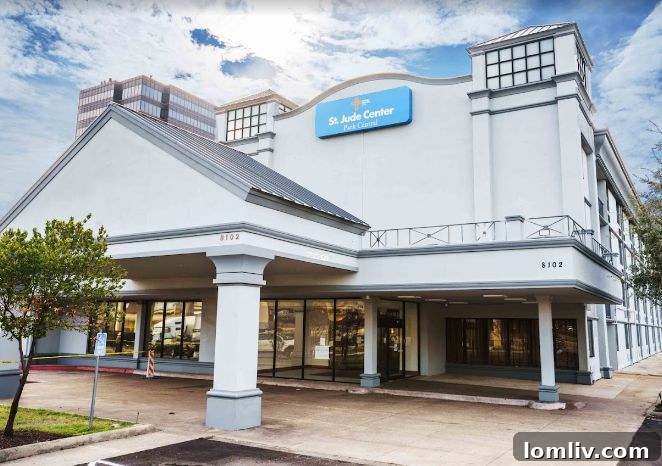
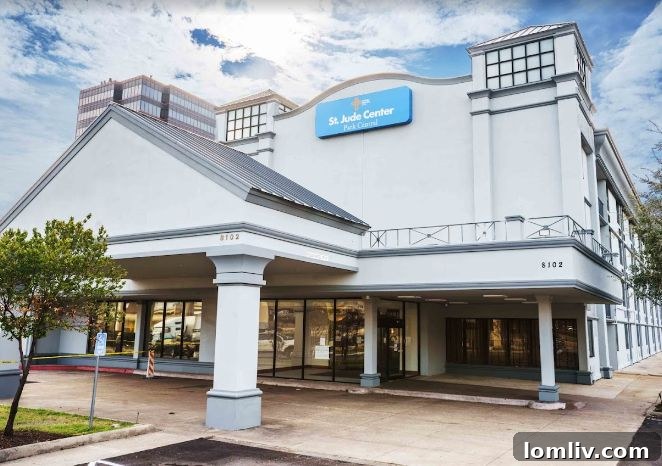
The demand for accessible and affordable housing continues to be a critical challenge in rapidly growing metropolitan areas across the United States, and Dallas, Texas, is no exception. As the city’s population expands, so does the urgency to implement innovative solutions that ensure all residents, regardless of their income level, have access to safe and stable housing. A significant step in this direction was taken last year with the creation of the Mixed-Income Housing Development Bonus (MIHDB) fund. This forward-thinking mechanism was specifically designed to incentivize real estate developers to include affordable housing units within their projects. Alternatively, developers who opt not to build these units contribute a fee-in-lieu directly into the MIHDB fund, which is exclusively dedicated to supporting affordable housing initiatives.
The establishment of such a fund, while commendable, naturally led to questions regarding its practical application. Adam Lamont, a District 10 resident and a vocal representative of Dallas Neighbors for Housing, articulated a key concern last week during discussions surrounding the city manager’s recommended budget. He wondered aloud about the specific plans for deploying the MIHDB fund, a query that echoed the broader public’s interest in seeing concrete results from this vital resource. The community’s anticipation for how this growing pool of funds would be strategically allocated to address Dallas’s pressing affordable housing crisis was finally met with a clear and decisive answer at a recent Dallas City Council meeting.
For further context on how housing advocates have weighed in on Dallas’s financial plans, you can review the full report:
Housing Advocates Weigh In On City Manager’s Recommended $4.63 Billion Budget
Utilizing the Mixed-Income Housing Development Bonus Fund: A Landmark Agreement
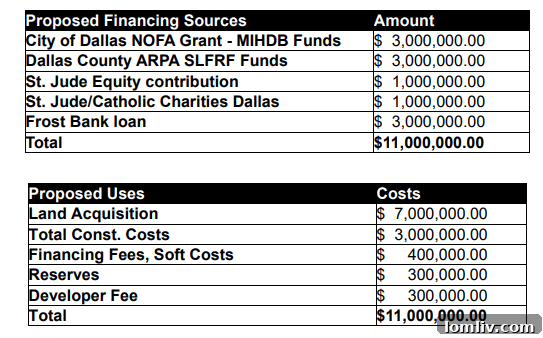
The Dallas City Council meeting served as a crucial platform for announcing the strategic allocation of the MIHDB fund. A landmark cost-share agreement was forged between Dallas County and the City of Dallas, outlining a collaborative effort to establish permanent supportive housing for individuals experiencing homelessness. This ambitious project involves the acquisition and redevelopment of a former extended-stay hotel by St. Jude Centers, transforming it into a vital resource offering stability and comprehensive support services to its residents. With an estimated total cost of $11 million, this initiative represents a significant commitment towards tackling chronic homelessness within the region.
Under the terms of this pivotal agreement, the City of Dallas has pledged approximately $3 million towards the project. Crucially, official documents confirm that these funds will be directly sourced from the Mixed-Income Housing Development Bonus Fund. This allocation marks the fund’s first major deployment, validating its intended purpose and demonstrating a clear pathway for converting developer contributions into tangible solutions for affordable housing and homelessness. This initial strategic use not only reinforces the program’s effectiveness but also establishes a precedent for how future MIHDB funds will be utilized, signaling the city’s unwavering commitment to addressing its housing challenges.
The remaining financial contributions highlight a robust and diversified partnership model. St. Jude Catholic Charities, a renowned organization with a long history of community service, is providing substantial financial backing. Additionally, Dallas County is channeling funds from the American Rescue Plan Act (ARPA), a federal stimulus package designed to aid local governments in their recovery efforts from the COVID-19 pandemic and address critical public health and economic needs. A significant portion, specifically $3 million, is also being secured through a loan from Frost Bank. This multi-layered funding approach underscores the extensive collaboration required to successfully implement large-scale social welfare projects, drawing upon resources from the public, private, and non-profit sectors to create a comprehensive solution.
Vantage Point Permanent Supportive Housing: Transforming a Former “Hotel from Hell”
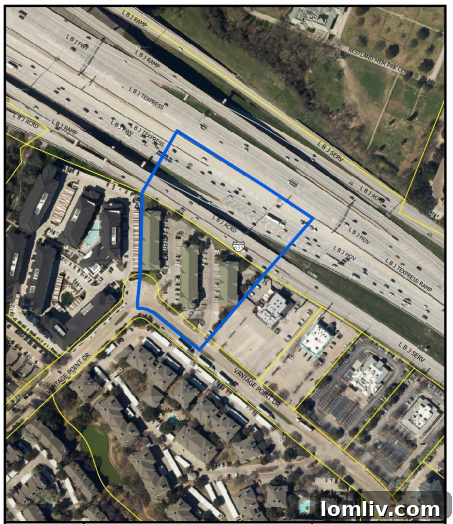
The location chosen for this impactful project, a former extended-stay hotel situated on the north side of Vantage Point Drive, just west of Greenville Avenue, has a well-known history within the community. Previously dubbed the “Hotel from Hell” by local neighbors due to various challenges associated with its past operations, the property underwent a critical rezoning process in May. This essential step cleared the regulatory path for St. Jude Centers to advance its vision for the site. During the rezoning proceedings, St. Jude Centers representatives unveiled their comprehensive plans to redevelop the property into 132 units of affordable transitional housing. This significant transformation of a once-problematic site into a vital resource for vulnerable residents is a testament to strategic planning and collaborative community effort.
More information regarding the rezoning of this site and the initial plans can be found in this detailed article:
“Hotel from Hell” Rezoning Makes Way for St. Jude Center to House Homeless in Lake Highlands
The agreement between the Dallas City Council and St. Jude Centers was the culmination of extensive deliberations and the careful consideration of several proposed plans for the 2.9-acre property. The recent inclusion of Dallas County as a key partner has further strengthened the project’s foundation. On Wednesday, the two governmental entities formally entered into a cost-share agreement, solidifying their shared commitment to funding and actively supporting the St. Jude Vantage Point initiative. This robust tripartite partnership—involving the City of Dallas, Dallas County, and St. Jude Centers—establishes a resilient framework for success, effectively pooling essential resources and expertise to ensure the project’s long-term viability and positive impact.
A cornerstone of the St. Jude Vantage Point initiative is its commitment to providing comprehensive support services, recognizing that stable housing is often just one piece of the puzzle for individuals experiencing homelessness. A dedicated third-party service provider will oversee the management of rental subsidies and housing vouchers for future residents. This holistic approach integrates critical support components, which are vital for fostering long-term stability and enabling residents to achieve self-sufficiency. Such services typically include personalized case management, access to mental health counseling, substance abuse treatment programs, job training and placement assistance, and essential life skills development. This model of permanent supportive housing has consistently demonstrated its effectiveness in significantly reducing chronic homelessness and markedly improving the overall health and well-being of its residents.
The project has received widespread commendation from city officials, particularly for its innovative funding model and collaborative spirit. District 14 Councilman Paul Ridley lauded the initiative, emphasizing its multi-faceted benefits. “It represents cooperation and collaboration between the city and the county to address a joint concern for the homeless,” Ridley stated, highlighting the unified purpose driving this transformative effort. He further underscored the critical role of the MIHDB funds: “Secondly, it will be utilizing $3 million from the Mixed-Income Housing Development Bonus Fund, which we authorized a year ago in May through in-lieu payments by developers in lieu of building affordable housing units. I think this represents a very constructive use of the funds that were created in that fund, from developments in my district as it turns out. I’m looking forward to future opportunities to deploy those funds for the construction of more affordable housing in the city.” Councilman Ridley’s remarks clearly articulate the strategic vision behind the MIHDB fund: to establish a sustainable funding stream that directly facilitates the expansion of affordable housing options across Dallas, providing a tangible return on the investments made by developers.
To guarantee the long-term integrity and dedicated purpose of the St. Jude Vantage Point property, a stringent condition has been imposed on the city’s grant funding: a 15-year deed restriction. This legally binding agreement ensures that the property will exclusively serve its intended purpose of providing affordable housing and essential support services for low-income residents for at least a decade and a half. This crucial measure actively safeguards against any potential future conversions of the property to market-rate housing, thereby protecting the city’s significant investment in affordable housing and ensuring these vital resources remain consistently accessible to the individuals and families who are most in need. This long-term commitment is fundamental to creating lasting change in the community.
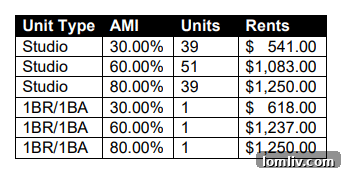
The agreement meticulously outlines the specific income restrictions for the 132 units, designed to serve a diverse range of low-income residents. The Area Median Income (AMI) serves as the crucial benchmark for these restrictions, offering a standardized and equitable measure of household income relative to the Dallas metropolitan area. Of the total units, a significant 30 percent will be specifically reserved for residents whose household income is at or below 30 percent of the AMI. These units are critically designated for individuals and families facing the most severe housing insecurity and economic hardship. An additional 40 percent of the units will be allocated to residents earning at or below 60 percent of the AMI, while the remaining 30 percent will be reserved for those earning at or below 80 percent of the AMI. This intelligently tiered approach ensures that the St. Jude Vantage Point project can provide essential housing stability and support to a broad spectrum of low-income individuals and families, effectively addressing varying levels of affordability needs within the Dallas community and promoting social equity.
The financial framework for residents is also thoughtfully structured to prioritize affordability. As stipulated in the agreement, “Residents will pay affordable rents with the remainder of the nominal rental rate paid from housing subsidies arranged by [St. Jude] in collaboration with City Square, VASH, Metrocare, and other nonprofits working directly with the homeless population.” This pivotal detail underscores the highly integrated nature of the support system provided. By actively partnering with esteemed non-profit organizations such as City Square, widely recognized for its holistic poverty solutions; VASH (Veterans Affairs Supportive Housing), an indispensable resource for assisting homeless veterans; and Metrocare, a leading provider of comprehensive mental health services, St. Jude Centers guarantees that residents will receive not only affordable housing but also a robust and multi-faceted network of social, medical, and financial support. This collaborative ecosystem is absolutely fundamental to empowering residents to overcome past adversities, achieve personal growth, and build a truly sustainable future within the community.
St. Jude Vantage Point: A Proven Model for Collaborative Success
The anticipated success of the St. Jude Vantage Point project is firmly anchored in the established expertise and impressive track record of its lead organization. St. Jude Inc. operates as a dedicated subsidiary of the Catholic Housing Initiative, an entity that boasts a commendable history of developing highly impactful and community-centric housing projects across various Dallas City Council Districts, including Districts 11 and 13. This extensive background of successful community engagement and housing development provides a remarkably strong foundation for the Vantage Point initiative, instilling significant confidence in its projected positive outcomes and long-term viability.
City officials have explicitly identified the highly successful models currently operated by Catholic Charities of Dallas at their established locations on 2920 Forest Lane and 8102 Lyndon B. Johnson Freeway as the definitive blueprint for the long-term supportive services and housing approach to be implemented at the Vantage Point site. These well-regarded centers are celebrated for their integrated service delivery framework, which masterfully combines safe and stable housing with a comprehensive array of vital support services. These services include personalized counseling, robust employment assistance programs, and critical access to healthcare, ensuring holistic well-being for residents. By meticulously replicating these proven methodologies, St. Jude Vantage Point is exceptionally positioned to offer its future residents not merely a secure roof over their heads, but a clear and empowering pathway to holistic well-being, sustained stability, and successful community reintegration. The excitement is palpable, with St. Jude confidently planning to open the housing development in early 2024, signaling a rapid and efficient transition from meticulous planning to impactful, real-world implementation.
The community’s response to this ambitious project has been overwhelmingly positive, reflecting a deep understanding and acknowledgment of the critical need for such initiatives. District 10 Councilwoman Kathy Stewart extended her heartfelt gratitude to both the Catholic Housing Initiative and Catholic Charities for their unwavering dedication and for spearheading the establishment of the St. Jude Center within Lake Highlands, a vital community nestled within her district. “I look forward to working with everyone involved,” Councilwoman Stewart affirmed with enthusiasm, expressing her profound commitment to ensuring the project’s enduring success. She further articulated, “I really believe the District 10 community will find ways to support the St. Jude Center at Vantage Point.” This sentiment powerfully underscores the paramount importance of strong local community buy-in and active engagement in ensuring that permanent supportive housing projects are not only successfully constructed but also genuinely thrive as fully integrated and valued components of the neighborhood fabric. Sustained community support, manifested through dedicated volunteerism, generous donations, and fervent advocacy, will be absolutely essential in cultivating a welcoming, nurturing, and empowering environment for all future residents of St. Jude Vantage Point.
The strategic allocation of the Mixed-Income Housing Development Bonus fund to the St. Jude Vantage Point project transcends a mere financial transaction; it represents a profound and unequivocal declaration of Dallas’s unwavering commitment to fostering a more inclusive, equitable, and compassionate city. By ingeniously transforming a historically problematic property into a sanctuary of stability, opportunity, and hope, and by masterfully uniting governmental bodies, dedicated non-profit organizations, and the proactive private sector, Dallas is setting an exemplary standard for urban development. This groundbreaking initiative serves as an irrefutable testament to the powerful fact that with clear vision, resolute collaboration, and judicious strategic funding, even the most daunting and entrenched challenges of homelessness and housing insecurity can be met with innovative, sustainable, and profoundly compassionate solutions. The St. Jude Vantage Point project stands proudly as a radiant beacon of hope, promising a significantly brighter and more stable future for hundreds of Dallas residents and meticulously laying the indispensable groundwork for further, widespread advancements in affordable housing across the entire vibrant city.