Transform Your Backyard: The Ultimate Guide to Pet Grass and Artificial Turf for Dogs
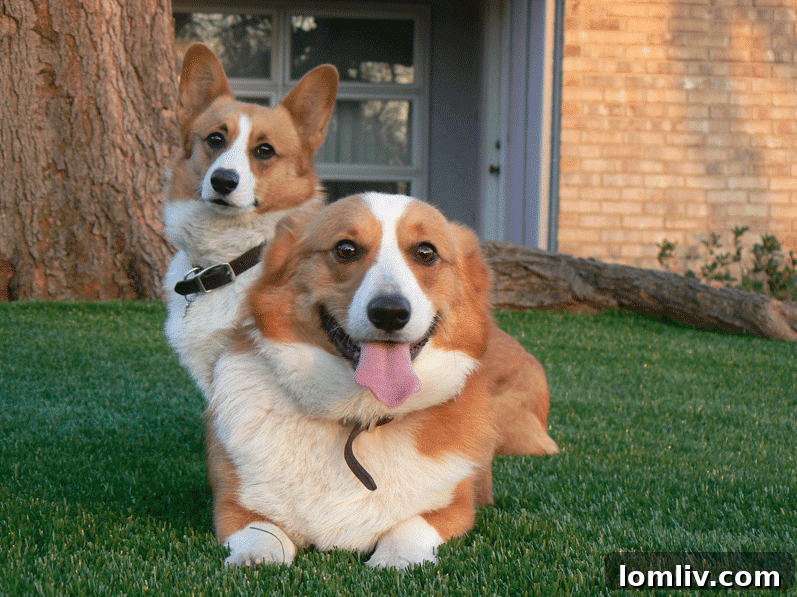
Every dog owner knows the struggle. One minute, your beloved canine companion is enjoying the backyard, the next, they’ve managed to excavate a sizeable crater, emerging triumphantly covered in dirt. My eleven-pound Maltipoo, for instance, has a particular knack for transforming a pristine lawn into an archeological dig site in mere minutes when my back is turned. This scenario is undoubtedly familiar to countless dog owners who regularly contend with muddy paws, destructive digging, and the endless cycle of trying to maintain a presentable yard.
Beyond the playful destruction, homeowners, particularly in regions like North Texas, face a myriad of challenges: persistent water restrictions, the demanding maintenance of natural grass during sweltering summer months, the unsightly brown patches that appear in colder seasons, and even common grass allergies affecting both pets and humans. What was once a pleasant outdoor space quickly becomes a constant source of frustration and effort. The good news? A revolutionary solution exists that addresses all these concerns, offering a beautiful, practical, and sustainable alternative: pet grass, a specialized form of synthetic turf designed with your furry friends in mind.
The Evolution of Pet Grass: Solving Common Canine Conundrums
For years, the idea of synthetic grass for pets was met with skepticism, and for good reason. Early versions of artificial turf often suffered from poor drainage, materials that absorbed and retained pet odors, an unrealistic appearance, and a disappointingly short lifespan. However, the landscape of artificial grass technology has dramatically evolved. Modern pet grass applications are engineered specifically to overcome these past limitations, offering a superior and highly functional product.
Bryce Bartlett, Director of Sales for Dallas-based Conservation Grass, emphasizes the significant advancements. “Conservation Grass is a terrific solution for pets in that it solves the problems of wear and muddy paws,” Bartlett states. “Our business has been growing consistently over the past couple of years as more and more homeowners are realizing the benefits that synthetic grass can provide.” He further highlights the critical aspects of modern pet grass. “As with all synthetic grass applications, the base preparation is critical to ensure proper drainage and performance, but when selecting a synthetic pet grass, it is absolutely essential to be sure that the backing is permeable and that the blades are polypropylene.” This combination, he explains, is key to preventing odor absorption and ensuring efficient liquid drainage.
Unlike older brands that utilized non-permeable black plastic or perforated backings, which could trap moisture and odors, advanced pet grass systems feature patented permeable backing materials. This innovative design allows water and urine to pass through quickly and effectively, preventing the buildup of unpleasant smells and maintaining a hygienic surface for your pets. These technological leaps mean that today’s synthetic pet grass is not only durable and aesthetically pleasing but also a truly practical and long-lasting solution for any pet owner.
Why Homeowners Are Choosing Pet-Friendly Artificial Turf
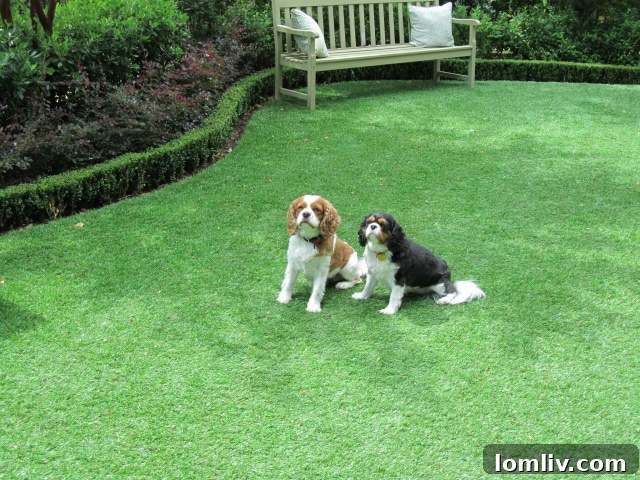
The surge in popularity for pet-friendly artificial turf is undeniable. Kimberly Van Buren, owner of Dallas-based Synthetic Grass Pros, reports a remarkable 67 percent increase in their pet grass installations since last year. This trend is driven by several compelling factors. “I think a lot of it has to do with watering, for one,” Van Buren notes, referring to the ongoing water restrictions prevalent in many regions. “But also, I think that pets are more of a family member, and having a place for them to go without bringing in muddy feet is great. Plus the ease and maintenance of the system, just scooping the poop and rinsing the grass, is a huge draw.”
Van Buren’s company offers a wide range of synthetic grass options, with 42 different types available, most of which are inherently “pet friendly.” Their expertise allows them to recommend specific products tailored to individual client needs, considering factors like pet size, activity level, and aesthetic preferences. The enthusiasm for artificial turf extends across the industry, particularly in challenging climates.
“The Texas market is really exploding—we have low rain issues and brown grass issues that have people searching to make their yards look beautiful,” adds Abbie Beltran, digital marketing analyst and account representative for Dallas-based EXDesignGroup. EXDesignGroup specializes in installing ProGreen artificial grass in North Texas homes and is a distributor for Zeofill infill, a crucial component for pet systems. Beltran highlights the durability and advanced features of modern products: “ProGreen can last up to 25 years and it’s coated with a UV/polyurethane inhibitor that protects against discoloration, ensuring your lawn stays vibrant and green for decades.”
The Professional Pet Grass Installation Process
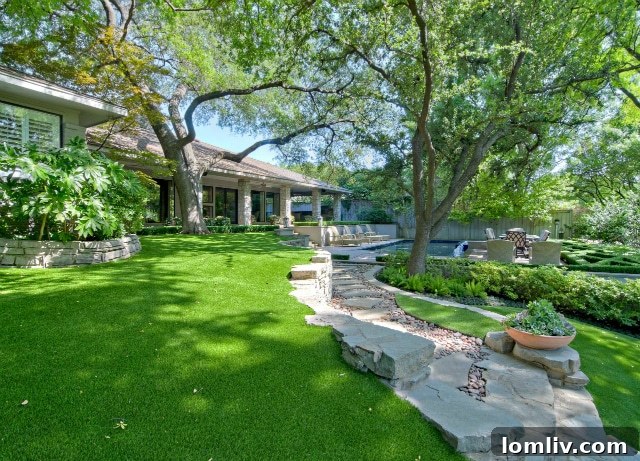
While the benefits of pet grass are clear, proper installation is paramount to achieving optimal performance and longevity. The process is meticulous and involves several key steps, typically handled by experienced professionals:
- Site Preparation and Excavation: The first step involves removing approximately two to four inches of existing topsoil and natural grass. This creates the necessary depth for the base layers and ensures a stable foundation for the artificial turf.
- Compacted Base Layer: A crucial layer of decomposed granite or similar aggregate material is then laid down. This material is meticulously compacted to create a firm, level, and evenly sloped surface. This careful grading is essential to ensure proper drainage, allowing water and pet urine to flow efficiently away from the surface and prevent pooling.
- Weed Barrier Installation: A durable fabric barrier is placed over the compacted base. This serves as an effective barrier, preventing any residual natural grass or stubborn weeds from growing through the synthetic turf and compromising its appearance.
- Odor-Absorbing Infill (Optional but Recommended): Some companies apply an additional layer of specialized odor-absorbing product, such as Zeofill, directly onto the compacted base before the turf is laid. This adds an extra line of defense against pet odors, particularly beneficial for high-traffic pet areas.
- Laying and Securing the Pet Grass: The synthetic pet grass rolls are carefully unrolled and positioned over the prepared base. Sections are precisely cut and seamed together to create a seamless, natural-looking lawn. The edges of the turf are then securely fastened around the perimeter using large, galvanized spikes or staples. This robust securing method is vital to prevent pets from digging up or dislodging the turf, even the most determined excavators.
- Applying Infill: Finally, a specialized infill material (often silica sand, rubber granules, or organic options like Zeofill) is evenly distributed and brushed deep into the synthetic grass blades. This infill serves multiple purposes: it helps the blades stand upright, mimics the feel of natural soil, provides ballast to the turf, and, critically for pet systems, further aids in odor control and drainage.
This comprehensive installation process ensures that your pet grass system is not only beautiful but also highly functional, durable, and hygienic for years to come.
Effortless Maintenance and Unbeatable Savings
One of the most appealing aspects of pet grass is its incredibly low maintenance requirements. As Van Buren affirms, keeping your pet grass pristine is a breeze: pet owners simply scoop solid waste as they normally would and occasionally rinse off the lawn during dry periods. This minimal upkeep translates to significant time savings and, critically, substantial cost reductions in parched climates where water restrictions are common.
Bryce Bartlett further elaborates on the environmental and financial advantages. “As water restrictions become the norm in many North Texas communities, we have been able to help educate our clients and the public about the benefits of conservation grass and the differences that separate our product from others in the market,” he notes. “We only install Conservation Grass brand turf, which is a high-quality synthetic grass with a patented permeable backing material and blend of blade colors that provides the most realistic appearance, while still providing a high-performance surface.” This commitment to quality ensures that homeowners receive a durable, beautiful, and truly low-maintenance solution.
While the initial investment in pet grass is higher than natural sod, the long-term financial benefits are overwhelmingly convincing. A typical pet grass installation might cost between $7 and $9 per square foot, depending on the chosen turf quality and site complexities, compared to roughly $2 per square foot for traditional sod. So, for a 1,000-square-foot lawn, the upfront cost for pet grass could be around $9,000.
However, when factoring in the annual maintenance costs, the savings quickly accumulate. Consider a 1,000-square-foot natural lawn over a 10-year period. After an initial installation cost of approximately $2,000, the annual maintenance could easily average $2,760 (or $230 per month) for watering, mowing, edging, fertilization, and weed and pest control. Over a decade, this totals an astounding $29,600 in ongoing expenses, bringing the grand total to approximately $31,600.
In stark contrast, a $9,000 pet grass installation, even with an annual maintenance package (offered by many companies for around $250 per year for inspections, cleaning, and disinfection), would incur an additional $2,500 over ten years. This brings the total 10-year cost for artificial turf to approximately $11,500. The math is compelling: roughly $31,600 for natural sod versus $11,500 for pet grass. That’s almost three times the cost for natural grass, not to mention the constant annoyances of muddy paws, digging, allergies, and chemical treatments.
Choosing the Right Pet Grass System
With various options available, selecting the ideal pet grass system requires careful consideration. Here are key factors to keep in mind:
- Permeability: Always ensure the backing material is fully permeable to facilitate excellent drainage and prevent odor buildup.
- Blade Material and Density: Opt for polypropylene blades, known for their durability and softness. Consider the density of the turf; higher density can withstand more traffic from active pets.
- Infill Type: For pet systems, specialized infills like Zeofill are highly recommended for their superior odor-absorbing properties.
- UV Protection: Ensure the turf is treated with UV inhibitors to prevent fading and degradation from sun exposure, crucial for longevity.
- Pile Height: A slightly shorter pile height (around 1 to 1.5 inches) can make cleaning easier for pet waste.
- Professional Installation: As discussed, the quality of installation is as important as the quality of the product. Choose reputable installers with experience in pet-specific turf systems.
Versatility and Broad Appeal Across DFW and Beyond
The benefits of pet grass extend beyond just solving problems for individual homeowners. Its versatility makes it suitable for a wide array of applications and property sizes. “We are doing work in a variety of neighborhoods across the DFW area, including Highland Park, University Park, Dallas, and Fort Worth,” Bartlett confirms. “It is a great product for a variety of applications and home sizes, and it handles the high traffic areas and eliminates those muddy paws when letting pets in and out of the house.”
From expansive suburban backyards to compact urban patios, dog runs, kennels, and even commercial pet facilities, artificial pet turf provides a clean, safe, and attractive surface. It’s particularly beneficial for homes with multiple dogs or highly active breeds, where natural grass quickly succumbs to wear and tear.
Embrace a Mud-Free, Green Future
In conclusion, the decision to invest in high-quality pet grass is more than just an aesthetic upgrade; it’s a strategic choice for pet owners seeking a cleaner, greener, and more sustainable lifestyle. By eliminating the hassles of traditional lawn care, conserving precious water resources, and providing a perpetually pristine and safe environment for your pets, artificial turf offers a superior alternative. With modern advancements in drainage, odor control, and durability, pet grass is no longer a compromise but a premium solution that delivers peace of mind, significant long-term savings, and a beautiful, always-ready space for you and your cherished four-legged family members. Say goodbye to muddy paws, destructive digging, and constant yard work, and say hello to a beautiful, effortless outdoor haven.