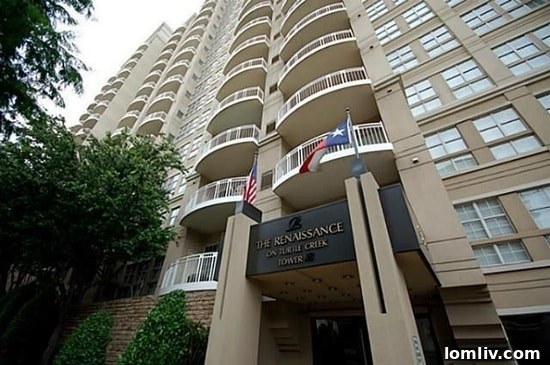
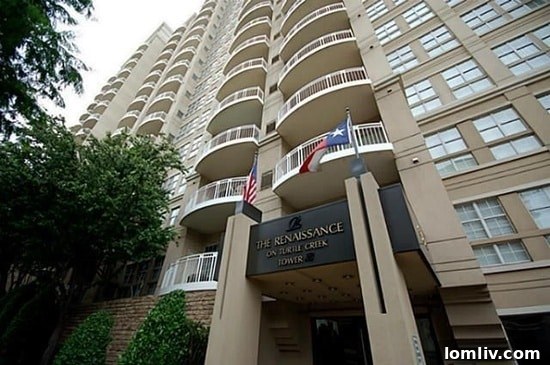
Navigating the complexities of tenant rights can be challenging, especially when unexpected disruptions occur in your living situation. Recently, we received a compelling inquiry from a reader regarding a significant issue faced by residents at “The Renaissance,” highlighting a common dilemma many renters might encounter. This situation brings to light important aspects of landlord-tenant law, particularly within the framework of the Texas Property Code. Understanding your rights and responsibilities is crucial when essential amenities, such as parking garages, become inaccessible.
The core of the reader’s concern revolves around a prolonged garage lockdown and its multifaceted impact on daily life and financial obligations. Here’s a summary of their situation and questions:
We’ve been informed about a garage lockdown at The Renaissance, which is expected to last for several months. The building management has suggested offering rental cars to residents who can no longer access their vehicles due to this closure. This raises several important questions concerning renters’ rights under the Texas Property Code. Specifically, what are our rights in such an instance, particularly regarding compensation for the loss of a significant amenity like parking?
It’s anticipated that the contractors’ insurance carrier will provide a substantial settlement to the unit owners. However, there’s a concern that these funds may not flow down to the tenants, who are directly affected by the disruption. Given the scarcity of alternative parking in this area, should tenants still be required to pay full rent during this period of uncertainty and inconvenience?
Any insights or guidance on these matters would be greatly appreciated.
Understanding Your Renter’s Rights in Texas: The Case of Amenity Loss
This reader’s query touches upon several critical areas of landlord-tenant law in Texas. When an essential amenity like a parking garage becomes unavailable for an extended period, it can significantly impact a tenant’s quality of life and the perceived value of their lease agreement. Texas law provides a framework for addressing such situations, though specific outcomes often depend on the details of your lease and the nature of the disruption.
The Texas Property Code and Landlord Responsibilities
The Texas Property Code outlines fundamental rights and responsibilities for both landlords and tenants. While the code specifically addresses conditions affecting a tenant’s health and safety (e.g., lack of hot water, structural issues), the loss of a key amenity like a parking garage, especially when it was a promised part of the lease, can still constitute a breach of the lease agreement or an issue impacting the tenant’s quiet enjoyment of the property. For a landlord to provide a safe and habitable living environment, they are generally expected to maintain the premises and the amenities promised in the lease. A garage that becomes inaccessible for months can certainly fall under this umbrella, even if it’s not a direct threat to health.
The severity of the disruption is key. If a parking space was explicitly included in your lease agreement as part of your rent, its prolonged unavailability could be considered a partial constructive eviction or a significant reduction in the value of the leased premises. Tenants generally have the right to peaceful and undisturbed possession of the property, including all amenities agreed upon in the lease.
Assessing the Building’s Offer: Rental Cars as a Remedy
The building’s offer of rental cars to affected residents demonstrates an acknowledgment of the inconvenience and a proactive attempt to mitigate the issue. From a legal standpoint, whether this offer fully satisfies the landlord’s obligations or adequately compensates tenants depends on several factors:
- Lease Agreement Specifics: Does your lease guarantee a parking spot or access to a garage? If so, the landlord is obligated to provide it or an equivalent.
- Adequacy of the Remedy: While a rental car addresses the transportation need, it might not cover all associated inconveniences. For example, it might not provide the same convenience as an on-site garage, or there could be limitations on vehicle size, type, or usage that don’t match the tenant’s original vehicle. Are there any costs associated with the rental car (e.g., fuel, insurance deductibles, limitations on mileage)?
- Duration: Is the rental car offered for the entire duration of the garage lockdown?
- Tenant Choice: Is every tenant required to take a rental car, or are other forms of compensation considered for those who might not need one (e.g., if they don’t own a car or have alternative arrangements)?
While the offer of rental cars is a positive step, it’s essential for tenants to evaluate if this solution fully addresses the loss they are experiencing. It’s not uncommon for landlords to offer alternative solutions, and tenants should consider if these solutions are truly equitable.
The Complex Issue of Rent Payment During Disruption
The question of whether tenants should be required to pay full rent during such a significant disruption is perhaps the most contentious point. In Texas, tenants generally do not have the right to withhold rent, even if the landlord breaches the lease. However, there are specific circumstances and procedures that can allow for remedies related to rent reduction or compensation.
- Loss of Use/Value: If a significant amenity like a parking garage, explicitly included in your lease, becomes unavailable, it could be argued that the fair market value of your rental unit has decreased. Tenants might seek a temporary rent reduction commensurate with the lost amenity’s value. This is often difficult to quantify without negotiation or legal intervention.
- Negotiation: The most direct approach is to negotiate with the landlord. Present a united front with other tenants, explaining the impact and proposing a fair rent reduction or additional compensation beyond the rental car offer. Document all communications carefully.
- Constructive Eviction (Partial): While rare for mere amenity loss, a complete and prolonged deprivation of an essential part of the leased premises could, in extreme cases, be argued as a partial constructive eviction, potentially allowing a tenant to break the lease or seek damages. This is a high legal bar to meet.
Tenants should continue to pay rent while pursuing solutions, as withholding rent without proper legal justification can lead to eviction proceedings. Instead, focus on documented communication and negotiation.
Insurance Settlements: Why Tenants Might Not See Direct Funds
The reader rightly points out that any insurance settlement from the contractors will likely go to the unit owners, not directly to the tenants. This is a common legal distinction:
- Property Ownership: The insurance policy typically covers the property owners for damages to the structure and loss of rental income (for the owners). Tenants do not have an insurable interest in the physical structure of the garage or the building itself.
- Lease as Contract: A tenant’s relationship with the landlord is primarily governed by the lease agreement. The landlord is responsible for fulfilling the terms of that agreement. Any compensation a tenant might receive for inconvenience or loss of amenity would come directly from the landlord (or their insurance, if they have a policy covering such tenant claims), not usually from the contractor’s insurance payout to the building owner.
Therefore, while the owners might receive a large settlement to repair the garage and potentially for lost revenue, tenants’ recourse for their personal inconvenience and loss of use lies in asserting their rights against the landlord, rather than expecting a share of the owners’ settlement.
Actionable Steps for Tenants at The Renaissance
When faced with a situation like the garage lockdown at The Renaissance, taking proactive and informed steps is essential. Here’s a comprehensive guide for tenants:
1. Review Your Lease Agreement Carefully
This is the foundational step. Examine your lease for clauses related to:
- Parking: Is a specific parking spot or access to a garage explicitly guaranteed? Is it included in your rent, or is it a separate charge?
- Amenities: What other amenities are mentioned, and what are the landlord’s responsibilities for their maintenance and availability?
- Disruption/Force Majeure: Are there clauses discussing what happens in case of unforeseen circumstances, natural disasters, or major repairs that impact amenities?
- Remedies: Does the lease outline any procedures for addressing landlord breaches or tenant compensation?
Understanding these details will strengthen your position in negotiations.
2. Document Everything
Thorough documentation is paramount. Keep a detailed record of:
- Communication: All correspondence with building management regarding the garage closure, including dates, times, names of individuals spoken to, and summaries of conversations. Whenever possible, communicate in writing (email) to create a paper trail.
- Notices: Copies of all notices from the building about the garage lockdown, its expected duration, and proposed solutions.
- Personal Impact: Keep a log of how the garage closure affects you personally—e.g., extra time spent looking for parking, costs incurred for alternative transportation or parking, difficulties with car access, and any other specific inconveniences. Photos and videos can also be helpful.
3. Communicate and Negotiate with Management
Before considering more drastic measures, engage in good-faith negotiations with the property management. Clearly articulate your concerns and propose solutions. This could involve:
- Formal Letter: Send a formal letter (certified mail with return receipt requested is best for legal documentation, but email is also acceptable for initial communication) detailing your concerns, referencing your lease, and proposing a rent abatement or other forms of compensation.
- Collective Action: Organize with other affected tenants. A collective voice often carries more weight than individual complaints. Appoint a representative or a small committee to negotiate on behalf of all tenants.
- Specific Demands: Clearly state what you are seeking. Is it a rent reduction? Better alternative parking arrangements? Enhanced rental car options?
While the building is offering rental cars, consider if this is truly adequate. Perhaps a portion of your rent that was implicitly or explicitly for parking should be abated, or other forms of compensation (e.g., gas cards, free car wash services, increased security for temporary outdoor parking) could be explored.
4. Seek Legal Advice
If direct negotiation proves unsuccessful or if the situation escalates, consider consulting with an attorney specializing in landlord-tenant law in Texas. An attorney can:
- Interpret Your Lease: Provide a professional interpretation of your specific lease agreement and its implications under Texas law.
- Advise on Rights: Inform you of your exact rights and the strongest legal arguments you have.
- Mediate/Represent: Potentially mediate with the landlord on your behalf or represent you if the matter proceeds to small claims court or other legal avenues.
- Evaluate Remedies: Help you understand potential remedies, such as filing a lawsuit for damages, seeking an injunction, or pursuing rent abatement through legal channels.
Many tenant rights organizations or legal aid services offer free or low-cost consultations, which can be a good starting point.
5. Do Not Unilaterally Withhold Rent
As mentioned, unilaterally withholding rent in Texas is generally not advisable, as it can be grounds for eviction. Even if you believe your landlord is in breach of the lease, continuing to pay rent while pursuing other remedies maintains your standing as a tenant and prevents you from falling into further legal complications.
Long-Term Considerations for Renters
This situation at The Renaissance underscores the importance of being prepared for unforeseen circumstances as a renter. While no one expects a parking garage to be out of commission for months, understanding your lease and your rights is crucial.
- Read Your Lease Carefully: Always read every clause of your lease agreement before signing, paying particular attention to sections on amenities, maintenance, and landlord responsibilities during repairs or disruptions.
- Renter’s Insurance: While it won’t cover the loss of an amenity like a garage, renter’s insurance is vital for protecting your personal belongings in case of theft, fire, or other covered perils, especially if your car is temporarily parked in a less secure location.
- Community Engagement: Being part of a tenant community or association can empower residents to address common issues more effectively.
The situation at The Renaissance is undoubtedly stressful for its residents. By understanding their rights under the Texas Property Code, documenting all interactions, and engaging proactively with management, tenants can work towards a fair and equitable resolution. While direct access to the contractors’ insurance settlement is unlikely, direct compensation or rent abatement from the landlord is a more achievable goal for tenants experiencing significant inconvenience and loss of value from their leased property.