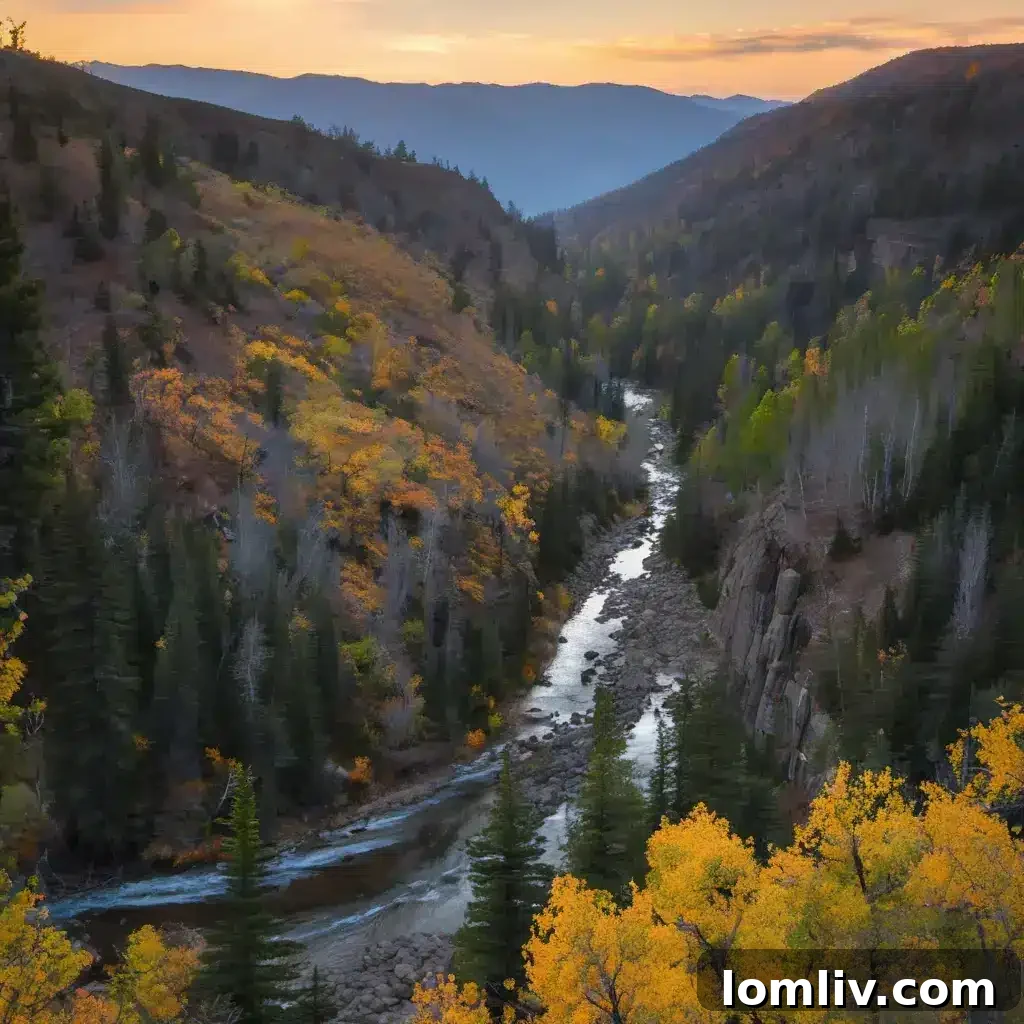
Mirasol Springs, a community nestled on the edge of the breathtaking Roy Creek Canyon, has recently become a focal point in a passionate debate concerning land use, economic development, and environmental preservation. Over the past few years, the region has experienced significant growth, attracting visionary developers who recognize the area’s immense potential for profit. Their ambitious plans involve transforming parts of the pristine Roy Creek Canyon into a vibrant hub of luxury resorts, upscale hotels, and exclusive luxury homes. Proponents of this development assert that such projects are essential for stimulating economic prosperity, promising to generate numerous employment opportunities, attract affluent tourism, and bolster local businesses. They envision a future for Mirasol Springs as a thriving, dynamic town with a robust economy and an enhanced quality of life for its residents.
However, this vision faces staunch opposition from a dedicated coalition of environmentalists and concerned community members. Their primary apprehension lies in the irreversible impact such large-scale development could have on the delicate ecosystem of Roy Creek Canyon. This invaluable natural habitat is home to an astonishing array of plant and animal species, many of which are already teetering on the brink of extinction. Environmental advocates fear that the extensive construction, increased vehicular traffic, escalating noise pollution, and a surge in human activity will collectively disrupt the canyon’s fragile ecological balance. This disruption could lead to habitat fragmentation, species displacement, and the degradation of critical natural resources, posing a profound threat to the canyon’s intrinsic value and biodiversity.
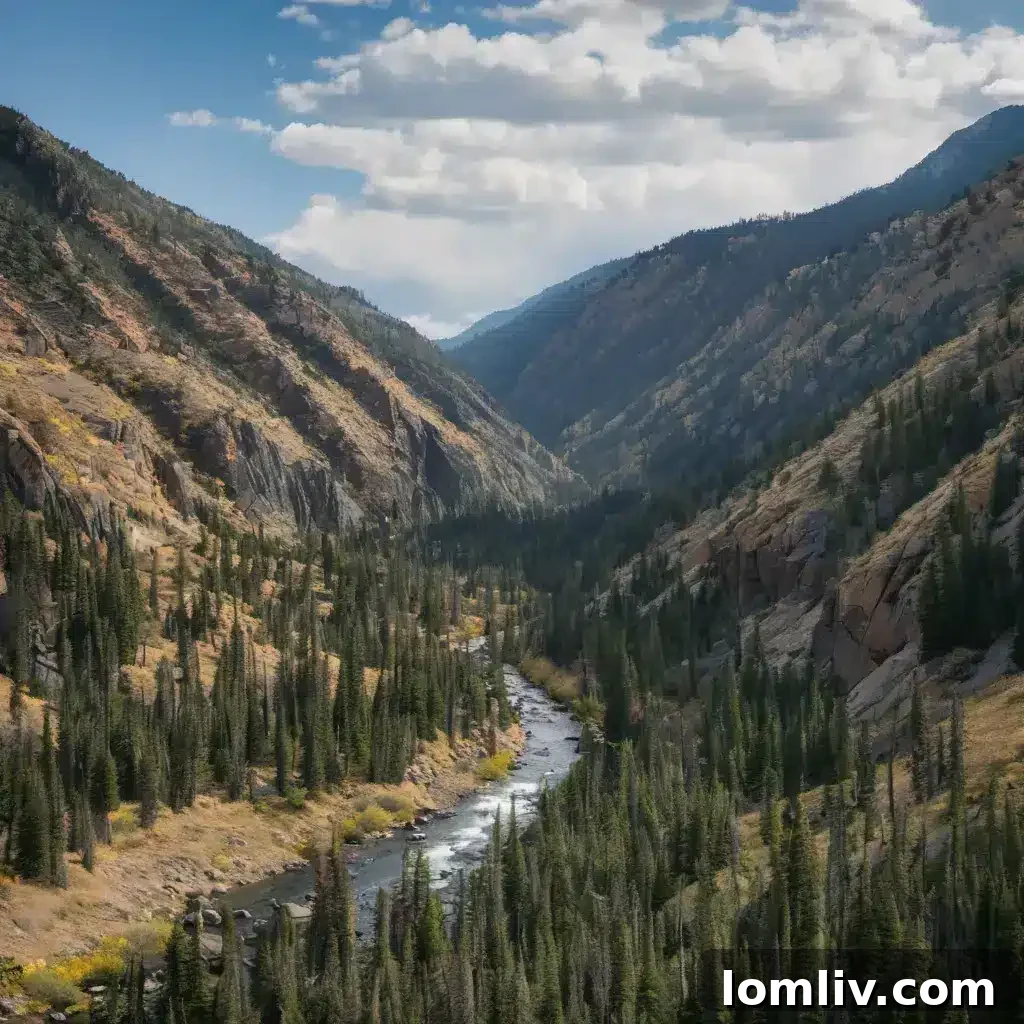
Beyond ecological concerns, environmentalists underscore the crucial role Roy Creek Canyon plays as a natural sanctuary and vital recreational area for the entire community. They emphasize its unique capacity to foster a deep connection with nature for both local residents and visitors, offering an abundance of well-maintained hiking trails, serene camping sites, and breathtaking panoramic vistas. This natural oasis provides solace and adventure, serving as a cherished escape from the hustle and bustle of modern life. Preserving the canyon in its natural state is, therefore, not just an ecological imperative but a cultural and social one, ensuring that future generations can continue to enjoy its splendor and benefit from its therapeutic qualities.
The escalating conflict over Roy Creek Canyon has ignited an intense, often emotional, debate throughout Mirasol Springs. Public forums and town hall meetings have become platforms for passionate arguments, with residents fiercely divided between those who prioritize the allure of economic growth and those who champion the necessity of environmental conservation. Both factions articulate compelling arguments, driven by a deep conviction for what they believe constitutes the best path forward for Mirasol Springs. The community grapples with the intricate challenge of reconciling these disparate viewpoints, seeking a resolution that respects both progress and preservation.
Local politicians find themselves in an unenviable position, caught between the powerful forces of economic incentives and their fundamental responsibility to protect the environment and maintain the town’s natural beauty. They face the daunting task of forging a compromise that can placate both developers and environmentalists, while simultaneously considering the long-term ramifications for Mirasol Springs. This complex issue demands meticulous consideration, foresight, and a steadfast commitment to finding a sustainable solution that harmonizes community well-being with environmental stewardship. The outcome of this pivotal decision will undoubtedly set a significant precedent for how other communities navigate the delicate balance between urban expansion and ecological integrity.
Roy Creek Canyon itself is a magnificent testament to the raw wonders of nature, captivating all who venture into its heart. Upon entering this enchanting landscape, visitors are immediately greeted by a vibrant symphony of colors that paint the rugged terrain. Hues of fiery red, golden orange, and rich gold dance across the ancient cliffs, forming a breathtaking panorama that evokes a profound sense of awe. The interplay of light and shadow, shifting throughout the day, continually transforms the canyon’s appearance, revealing new layers of its spectacular beauty and making every visit a unique experience.
One of the most compelling features of Roy Creek Canyon is its remarkably diverse wildlife. As explorers traverse the winding trails, they might be fortunate enough to witness a graceful deer elegantly bounding through the underbrush or catch sight of a majestic eagle soaring effortlessly high above the towering canyon walls. The canyon’s rich biodiversity extends to a myriad of other elusive creatures, from the stealthy bobcat to playful river otters, each contributing to the intricate tapestry of life that flourishes within this pristine natural sanctuary. These creatures are not just inhabitants; they are integral components of an ecosystem that has evolved over millennia, highlighting the critical need for their protection.
However, the allure of Roy Creek Canyon extends far beyond its captivating flora and fauna. Its geological formations are truly extraordinary, telling a story etched in stone over millions of years. Towering rock structures, meticulously sculpted by the relentless forces of erosion, create a dramatic and awe-inspiring backdrop against the vast, clear blue sky. The canyon walls themselves are adorned with intricate patterns and textures, serving as a natural chronicle of Earth’s ancient past. These geological marvels leave visitors spellbound, offering a profound appreciation for the immense power, artistry, and timeless beauty inherent in nature’s grand design, making the canyon a living museum of Earth’s history.
For those with an adventurous spirit, Roy Creek Canyon presents a rich tapestry of activities designed to satisfy even the most intrepid souls. Hiking enthusiasts will find themselves immersed in a world of wonder as they explore the numerous trails that snake through the canyon’s varied terrain. From leisurely, scenic strolls along the serene riverbank, perfect for families and casual walkers, to challenging, exhilarating treks up steep, rocky cliffs, there is a trail meticulously suited for every level of hiker. Each path offers unique perspectives and opportunities to discover hidden gems within the canyon, from secluded waterfalls to ancient petroglyphs.
For the more daring and experienced adventurers, rock climbing offers an unparalleled and exhilarating way to intimately experience the canyon’s rugged topography. With its sheer, imposing cliffs and a diverse array of challenging routes, Roy Creek Canyon has become a magnet for climbers worldwide, all eager to test their mettle against its unforgiving rock faces. As they meticulously ascend to new, dizzying heights, climbers are rewarded with truly breathtaking panoramic views that are exclusive to a privileged few, offering a unique perspective of the canyon’s vastness and intricate beauty that is simply unforgettable.
Yet, perhaps the most enchanting and profound aspect of Roy Creek Canyon is the pervasive sense of tranquility and serene calm it effortlessly imparts. As one wanders through its hidden nooks, secluded crannies, and sun-dappled groves, a profound peace envelops the senses, a stillness that can only be found within the heart of nature. The gentle, rhythmic babbling of the creek, the soft rustling of leaves dancing in the breeze, and the melodic, harmonious songs of various birds collectively orchestrate a symphony of natural sounds. This auditory experience deeply soothes the soul and profoundly rejuvenates the spirit, offering a sanctuary of quiet reflection away from the demands of modern life.
It is this remarkable and unique confluence of stunning, diverse landscapes, an abundance of varied wildlife, and extraordinary geological formations that collectively establishes Roy Creek Canyon as an unparalleled natural gem. Whether you are an avid hiker seeking new challenges, a passionate nature enthusiast yearning for connection, or simply an individual desiring solace and rejuvenation amidst the beauty of the outdoors, this majestic canyon promises an experience that is truly unforgettable and deeply enriching. Its multifaceted appeal ensures that every visitor leaves with cherished memories and a renewed appreciation for the natural world.
The Vision of Progress: Developers’ Perspective on Roy Creek Canyon
From the perspective of developers, Roy Creek Canyon represents a significant opportunity for robust economic growth and community progress. They assert that strategically developing portions of the area will not only create a substantial number of jobs across various sectors but also significantly boost tourism, injecting much-needed revenue into the local economy. Their comprehensive vision encompasses the establishment of luxurious resorts, world-class golf courses, and an array of high-end amenities designed to attract discerning visitors from across the globe. According to developers, this transformative development would be meticulously executed in an environmentally responsible manner, incorporating advanced measures and sustainable practices specifically designed to safeguard the area’s inherent natural beauty and ecological integrity for future enjoyment.
Developers firmly believe that the proposed enhancements to Roy Creek Canyon will transcend mere economic benefits, ultimately leading to an improved overall quality of life for the Mirasol Springs community. They argue that the creation of diverse new employment opportunities, spanning construction, hospitality, and retail sectors, will significantly reduce local unemployment rates and substantially increase household incomes. This economic uplift, in turn, is projected to foster a stronger, more resilient local economy, which would then support crucial investments in essential infrastructure. This includes upgrading vital services such as roads, schools, healthcare facilities, and public utilities, thereby creating a more functional and prosperous environment for all residents.
Furthermore, developers are keen to emphasize their unwavering commitment to environmental stewardship throughout the planned development. They provide assurances that extensive environmental impact assessments (EIAs) will be meticulously conducted to thoroughly identify and proactively mitigate any potential negative effects on the delicate ecosystem. Specific, actionable measures are slated for implementation to preserve the natural splendor of the area. These include comprehensive reforestation programs, the establishment of state-of-the-art waste management systems, and robust initiatives dedicated to the protection of endangered species and their critical habitats. This holistic approach aims to demonstrate a dedication to balancing progress with ecological responsibility, ensuring the project aligns with sustainable development principles.
In addition to the direct economic and environmental considerations, developers contend that the meticulously planned development will profoundly enhance the regional tourism industry. They are confident that the introduction of luxury resorts and premium golf courses will attract a segment of high-end tourists who are known for their significant contributions to local economies. The increased tourism revenue generated from these visitors, they argue, can be strategically reinvested into ongoing conservation and preservation efforts for the surrounding natural areas. This reinvestment strategy is designed to ensure the long-term sustainability and continued vitality of the region’s burgeoning tourism sector, creating a beneficial cycle of economic growth and environmental protection.
While developers acknowledge that there are legitimate concerns regarding the potential impact of such extensive development on both the local community and the environment, they firmly assert that these concerns can be effectively addressed through diligent, comprehensive planning and the implementation of responsible management practices. They express a strong commitment to fostering close collaboration with all local stakeholders, including community members, various environmental organizations, and relevant government agencies. This collaborative approach aims to ensure that the development plans are not only aligned with but also responsive to the fundamental needs, values, and long-term aspirations of the Mirasol Springs community. By working together, they believe a mutually beneficial outcome can be achieved.
Ultimately, developers perceive Roy Creek Canyon as a vibrant, promising opportunity for robust economic growth and significant community advancement. They are convinced that the thoughtful development of the area will yield a multitude of benefits, including substantial job creation, a surge in tourism, and considerable revenue generation for Mirasol Springs. They stand firm in their commitment to undertaking this development in an environmentally responsible and sustainable manner, implementing rigorous measures to actively protect and meticulously preserve the natural beauty and ecological integrity of the area. Through careful planning, transparent communication, and dedicated collaboration with local stakeholders, developers are confident that the transformation of Roy Creek Canyon can indeed evolve into a mutually beneficial “win-win” scenario for both the community and its precious environment, setting a benchmark for future projects.
Voices of Conservation: Environmental Concerns in Roy Creek Canyon
Beyond the immediate ecological disruption, environmentalists voice profound concerns regarding the potential for heightened pollution resulting from increased development within Roy Creek Canyon. They express deep apprehension about the possible release of harmful chemicals and various pollutants into the delicate air and vital water systems. Such contamination, they argue, could have severe and detrimental effects on both human health and the well-being of the diverse animal populations inhabiting the canyon. Their urgent emphasis is on the critical importance of maintaining the canyon’s pristine natural beauty and meticulously preserving its unique, invaluable flora and fauna, recognizing these as irreplaceable assets for current and future generations.
In addition to the pressing environmental implications, environmentalists also raise significant social and cultural concerns that are inextricably linked to the proposed development. They assert that the construction of large-scale resorts and expansive golf courses would severely disrupt the established local way of life and potentially erode the traditional practices of the communities, particularly if any indigenous populations reside in or near the area. They harbor deep fears that a sudden influx of tourists and the aggressive commercialization of the canyon could irrevocably damage the distinct cultural heritage and collective identity of these communities, leading to a loss of tradition and a sense of place that cannot be easily recovered.
Moreover, environmental advocates highlight the potential long-term economic repercussions that could arise from extensive development in Roy Creek Canyon. They argue vehemently that any short-term economic benefits derived from tourism and temporary job creation should not, under any circumstances, eclipse the far greater, long-term costs imposed on the environment and, subsequently, on the local economy. They firmly believe that truly sustainable alternatives, such as carefully managed eco-tourism initiatives or robust nature conservation programs, would offer a more balanced, enduring approach. Such alternatives, they contend, would yield continuous benefits for both the local community and the environment, fostering true prosperity without compromise.
Ultimately, environmentalists passionately advocate for the mandatory completion of a comprehensive and rigorous environmental impact assessment (EIA) before any development plans are given final approval. They stress the paramount importance of meticulously considering all long-term consequences and actively striving to achieve a delicate yet crucial balance between economic growth and the imperative of environmental preservation. To this end, they propose and champion alternative solutions that prioritize robust conservation efforts and the widespread adoption of sustainable practices. Their overarching goal is to ensure the inviolable protection of Roy Creek Canyon, securing its natural splendor and ecological integrity as an enduring legacy for future generations to cherish and enjoy.
As this heated debate continues to intensify, both sides present exceptionally compelling arguments to rigorously support their respective stances. Proponents of development emphatically point to the substantial potential for widespread job creation and robust economic growth as the primary, irrefutable benefits. They assert that the strategic construction of new buildings, modern hotels, and innovative recreational facilities would inevitably attract a significant influx of tourists, thereby providing a powerful boost to the local economy. Furthermore, they confidently claim that the increased revenue generated from enhanced tourism and flourishing business activities would directly lead to profoundly improved infrastructure, superior schools, and significantly enhanced public services for the entire community, elevating the overall standard of living.
However, staunch opponents of extensive development adamantly emphasize the paramount importance of meticulously preserving the canyon’s unparalleled natural beauty and its intricate ecological balance. They argue forcefully that the construction of large-scale projects would inevitably disrupt the delicate ecosystem of diverse plants and precious wildlife that call the canyon their cherished home. They voice profound concerns regarding the potential for widespread destruction of critical habitats and the severe negative impact on the area’s rich biodiversity. Moreover, they express deep apprehension that the inevitable influx of tourists and a surge in human activity would impose an additional, unbearable strain on the fragile environment, ultimately leading to exacerbated pollution and irreversible degradation of invaluable natural resources, jeopardizing the canyon’s long-term viability.
Despite the ongoing, fervent disagreement, both factions acknowledge the urgent necessity for a carefully balanced approach that thoughtfully considers the multifaceted interests of both the community and the environment. Some forward-thinking community members propose innovative compromise solutions, such as implementing exceptionally strict regulations on any development to meticulously minimize its ecological footprint within the canyon. They suggest designating specific, limited areas for controlled construction while simultaneously preserving vast, untouched portions of the canyon. This strategy, they argue, would allow the community to reap the undeniable benefits of economic growth while rigorously safeguarding the unparalleled natural beauty that uniquely defines Mirasol Springs, creating a model for harmonious coexistence.
As the community grapples with this deeply divisive and complex issue, it is abundantly clear that forging common ground will necessitate open, honest dialogue, a spirit of genuine collaboration, and a sincere willingness to thoughtfully consider alternative perspectives from all stakeholders. The ultimate outcome of this pivotal debate will not only fundamentally shape the future trajectory of Mirasol Springs but will also stand as a powerful reflection of how communities can successfully navigate the delicate, often precarious, balance between the undeniable imperatives of progress and the vital necessity of environmental preservation. It is a critical moment for Mirasol Springs to define its values and its legacy for generations to come.
The Role of Government and Activism in the Roy Creek Canyon Debate
The intense and multifaceted fight for Roy Creek Canyon has prominently highlighted the crucial role played by both governmental bodies and the influential power of citizen activism. Both developers and environmental organizations have been relentlessly lobbying local and state officials, each side striving vigorously to sway critical decisions in their favor. This concerted effort underscores the democratic process, where vested interests and public concern converge in the political arena, demanding careful consideration from elected representatives who must balance competing priorities to serve their constituents effectively.
Environmental organizations, armed with a profound sense of urgency, have launched comprehensive and highly visible campaigns aimed at raising widespread public awareness about the potentially devastating environmental impact of unrestrained development. These campaigns have included organizing impactful protests, tirelessly collecting signatures for petitions, and engaging in extensive public outreach initiatives to galvanize broad support for their vital cause. These dedicated efforts have not only successfully mobilized local communities within Mirasol Springs but have also captured the significant attention of influential national environmental groups, who have subsequently joined forces to amplify the collective message, adding substantial weight and legitimacy to the conservation movement.
The developers, conversely, have strategically leveraged their considerable resources to finance meticulous studies and comprehensive research that robustly support their claims of responsible and sustainable development practices. They have expertly retained experienced lobbyists to fervently advocate for their business interests and have made substantial, strategic donations to various political campaigns. In tandem with these efforts, they have orchestrated a highly targeted public relations campaign, meticulously designed to shape and influence public opinion in their favor. This sophisticated campaign encompasses a diverse array of tactics, including extensive advertising campaigns, proactive social media outreach, and the hosting of various community events specifically intended to showcase their grand vision for the proposed development, aiming to build a positive public perception.
As the battle for Roy Creek Canyon intensifies on multiple fronts, both sides have also strategically turned to the intricate legal system to advance their respective causes. Environmental organizations have proactively filed meticulously prepared lawsuits, challenging the legality and validity of permits previously issued for the development. These legal actions often cite alleged violations of existing environmental regulations and highlight the potential for irreparable harm to endangered species residing within the canyon. On the opposing side, developers have assembled formidable legal teams comprising top-tier experts, meticulously prepared to rigorously defend their ambitious project and skillfully navigate the complex, often labyrinthine, web of environmental laws and regulations, ensuring their plans adhere to legal frameworks.
Amidst this palpable clash of deeply vested interests, the role of government has emerged as absolutely crucial and profoundly influential. Local and state officials find themselves squarely in the middle of this contentious and high-stakes debate, experiencing a continuous tug-of-war between the alluring economic benefits confidently promised by developers and the grave, pressing concerns eloquently raised by environmentalists. These officials are tasked with the unenviable responsibility of meticulously weighing the significant potential for immediate economic growth and substantial job creation against the severe risks of potential environmental degradation. Their decisions must thoughtfully consider the far-reaching, long-term implications for the entire region, requiring a delicate balance of diverse priorities.
Activism, in this highly charged context, plays an absolutely pivotal role in effectively shaping public opinion and significantly influencing governmental decisions. It serves as an incredibly powerful and indispensable tool for engaged citizens to vociferously voice their profound concerns and demand unwavering accountability from their elected officials. The protracted and passionate fight for Roy Creek Canyon has transcended a local dispute, evolving into a potent symbol of the broader, ongoing struggle between the undeniable forces of development and the critical imperative of conservation. This emblematic conflict profoundly highlights the urgent, overarching need for a meticulously balanced and thoughtful approach that judiciously considers both sustained economic progress and long-term environmental sustainability, paving the way for a truly harmonious future.
Charting a Sustainable Future for Roy Creek Canyon
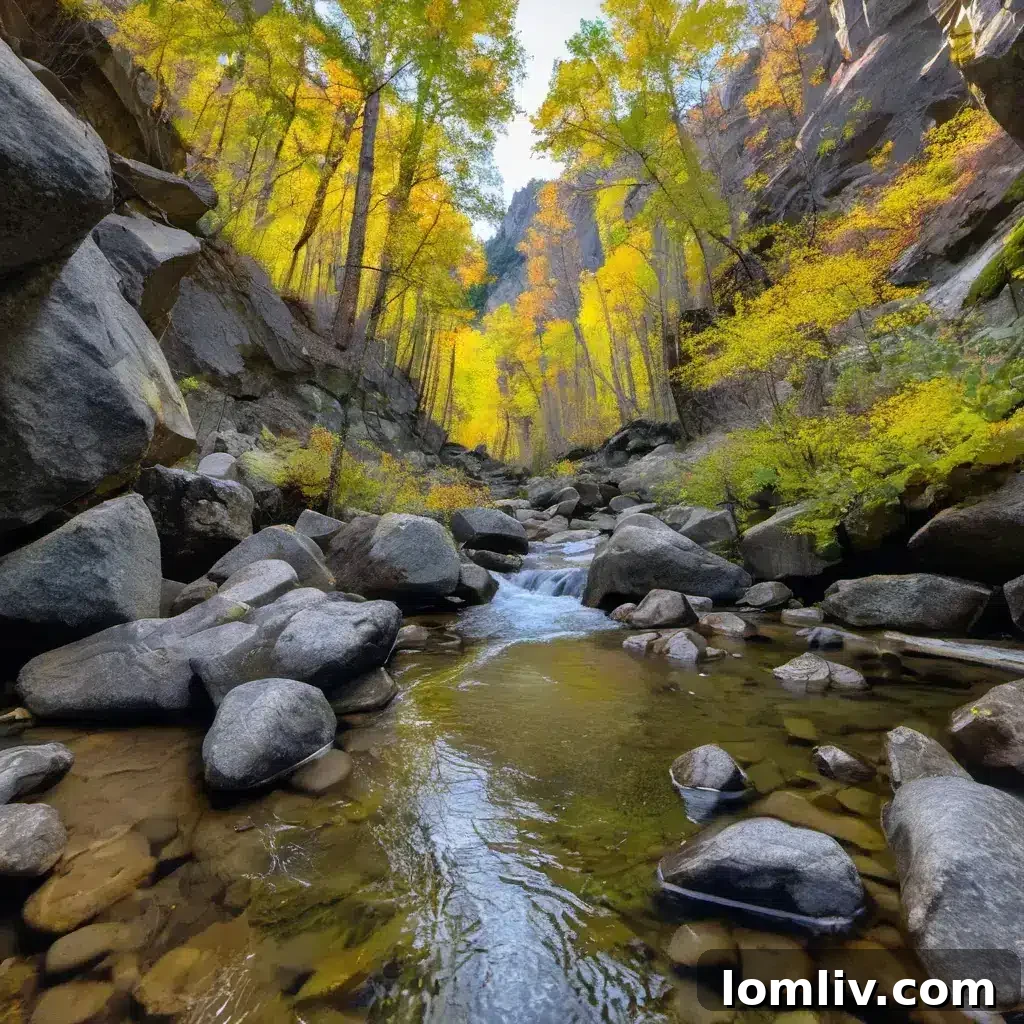
As the intense battle over Roy Creek Canyon progresses, the very future of this magnificent landscape hangs precariously in the balance. The monumental decision that will ultimately be rendered holds far-reaching and profound consequences, not only for the immediate community of Mirasol Springs but also for the fragile environment and the broader regional economy. This pivotal moment underscores the imperative to make choices that will resonate for generations, shaping the legacy of this cherished natural area and influencing how development and conservation efforts are balanced in the broader geographical context.
Ultimately, achieving a harmonious balance between responsible development and robust conservation is of paramount importance. It is indeed possible to conceptualize and implement sustainable and ethically sound development initiatives that meticulously preserve the inherent natural beauty of the area while simultaneously safeguarding the diverse wildlife that calls it home. By conscientiously exploring and embracing alternative solutions, such as the adoption of eco-friendly resort designs and the integration of low-impact infrastructure, both developers and environmentalists may very well discover common ground, paving the way for innovative projects that respect ecological boundaries and community values.
One particularly promising potential solution involves the establishment of a comprehensive conservation easement encompassing a significant, protected portion of the canyon. Such an easement would legally guarantee that this designated land remains perpetually shielded from future, unsustainable development, while still allowing for carefully planned, limited sustainable development within specific, pre-determined areas. This easement could be effectively managed by a reputable local land trust or a dedicated conservation organization, thereby ensuring that the multifaceted interests of both the Mirasol Springs community and the environment are equitably and responsibly represented in perpetuity.
In addition to the strategic implementation of a conservation easement, enforcing exceptionally strict regulations on any development that is permitted to occur within the canyon could significantly help in mitigating potential negative impacts on the sensitive environment. This might encompass mandating requirements for LEED-certified buildings, which adhere to rigorous green building standards, the exclusive utilization of renewable energy sources, and the responsible sourcing of sustainable, environmentally friendly materials. By diligently enforcing these stringent regulations, Mirasol Springs has a unique opportunity to ensure that any future development within the canyon is undertaken with the utmost consideration and respect for its invaluable natural surroundings, setting a new benchmark for ecological urban planning.
Furthermore, it is absolutely crucial that the Mirasol Springs community actively and robustly engages in ongoing, transparent discussions and participatory decision-making processes concerning the future trajectory of Roy Creek Canyon. This essential engagement must encompass soliciting invaluable input from a diverse array of stakeholders, including long-term residents, distinguished environmental experts, and local business owners, thereby ensuring that all perspectives are thoroughly considered and respected. By fostering an open, inclusive dialogue and actively encouraging widespread community participation, Mirasol Springs can make profoundly informed and truly democratic decisions that authentically reflect the collective desires and core values of its residents, charting a course that is supported by consensus.
Regardless of the ultimate outcome, the intense and deeply resonant fight for Roy Creek Canyon has undeniably highlighted the profound importance of open and honest dialogue, widespread community engagement, and the critical necessity of making decisions that thoughtfully consider both short-term economic gains and long-term environmental sustainability. This emblematic struggle serves as a powerful and timely reminder that the diligent preservation of natural landscapes is not merely vital for the ecological health of our planet but is equally indispensable for the overall well-being and enduring prosperity of any community. Mirasol Springs now stands at a unique and historic crossroads, possessing an unparalleled opportunity to set a luminous example for other communities by courageously finding a progressive balance between judicious development and proactive conservation, thereby ensuring that future generations can perpetually enjoy the unparalleled beauty and myriad benefits of the irreplaceable Roy Creek Canyon, a true natural heritage.