
Unlocking Prosperity: Why Texas Cities Lead the Nation in Wealth Building

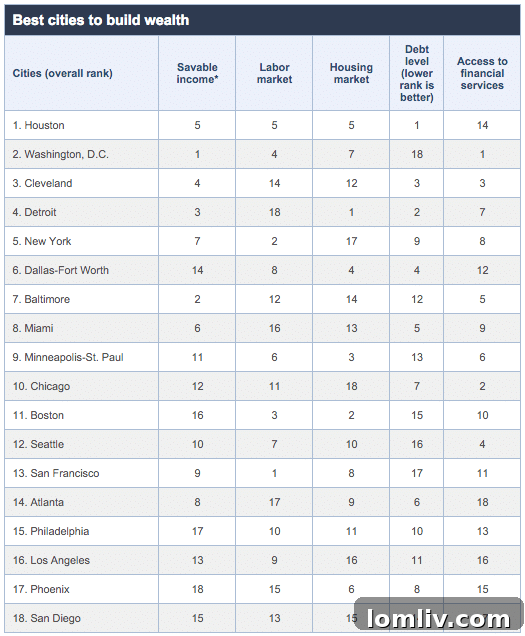
Texas has long been synonymous with grandeur, a place where everything is famously bigger. This expansive spirit, it turns out, extends far beyond physical size and boasts to encompass the immense potential for wealth creation. A groundbreaking study conducted by Bankrate has illuminated the Lone Star State’s leading role in fostering environments where individuals can effectively make and save money, ultimately building substantial personal wealth. The findings placed Houston at an impressive No. 1 position, closely followed by Dallas ranking at No. 6, among the 18 largest metropolitan areas across the United States.
This comprehensive survey meticulously evaluated these major U.S. metros, dissecting their unique attributes to determine which offer the most fertile ground for financial growth. The remarkable performance of both Houston and Dallas underscores a significant trend: Texas is not just a hub for business and culture, but also a powerhouse for economic opportunity and personal prosperity. For anyone looking to enhance their financial standing and secure a prosperous future, the vibrant cities of Texas present an exceptionally compelling case.
The Science of Wealth Building: Key Factors Identified by Experts
The rigorous methodology behind Bankrate’s rankings involved extensive consultations with leading economic and financial experts. These specialists helped to pinpoint the most critical factors that contribute to a city’s capacity for wealth building. Understanding these pillars is crucial for individuals and policymakers alike seeking to cultivate economic success. The experts identified several core contributors, each playing a vital role in an individual’s journey toward financial independence and growth:
-
After-Tax, Savable Income
This metric represents the actual disposable income an individual has after all taxes and essential living expenses are covered. It’s the critical surplus that can be allocated towards savings, investments, or other wealth-generating activities. A high savable income indicates a favorable balance between earnings and the cost of living, allowing residents to consistently set aside capital for future growth, perhaps into an interest-bearing account or various investment vehicles. It reflects the true financial breathing room individuals experience within a city.
-
The Job Market Strength
A thriving job market is the bedrock of wealth building. This factor assesses the availability of employment opportunities and, more importantly, whether these jobs offer competitive wages. In robust job markets, employers are often in competition for skilled talent, which typically translates into better salaries, more comprehensive benefits, and greater job security for workers. A dynamic and diverse job market ensures that individuals can not only find work but can also advance their careers and increase their earning potential over time.
-
Human Capital Development
Investment in human capital is an investment in future earnings. This category examines the accessibility of educational opportunities – from vocational training to higher education – that enable residents to enhance their skills, gain new knowledge, and advance their careers. Cities that provide strong educational infrastructure and opportunities for continuous learning empower their workforce to command higher salaries and adapt to evolving economic landscapes, directly contributing to their long-term wealth accumulation.
-
Access to Financial Services
Efficient management of money is impossible without robust financial infrastructure. This factor evaluates whether residents have convenient and affordable access to a wide array of financial products and services. This includes traditional banking services, investment platforms, affordable credit options, and financial advisory services. Easy access to these tools allows individuals to save effectively, invest wisely, borrow responsibly when needed, and plan for their financial future, ensuring their money works harder for them.
-
The Local Housing Market Stability
For many Americans, homeownership remains one of the primary avenues for building wealth. The stability and accessibility of the local housing market are therefore paramount. A healthy housing market allows prospective homeowners to secure mortgages at reasonable terms and enables existing homeowners to build equity over time. Conversely, a struggling market can hinder new buyers and erode the wealth of current owners. The ability to leverage real estate as an asset is a cornerstone of middle-class wealth and a key indicator of a city’s overall financial health.
Beyond these primary considerations, the study also factored in participation rates for crucial retirement plans such as 401(k)s. These plans are indispensable wealth-building tools, especially for middle-class households. The availability of employer-sponsored retirement plans often reflects a city’s economic culture and the interplay of supply and demand in its labor market. As Christian Weller, an economist at the University of Massachusetts Boston, explained to Bankrate, “If you’re in an area where the unemployment rate is very low, then the employers have to compete for you, and part of how employers compete for you is they offer benefits and they offer retirement plans.” This competition for talent, he noted, is fiercely regional, playing out at the city level.
Houston: America’s Top Destination for Wealth Generation
While the study primarily focused on the factors, Houston’s ascension to the No. 1 spot is a testament to its dynamic economy and favorable financial environment. Although specific detailed rankings for Houston were not provided in the original excerpt, we can infer its strengths based on the discussed criteria. Houston’s robust energy sector, coupled with burgeoning healthcare, aerospace, and technology industries, provides a diverse and competitive job market with ample opportunities for high-wage employment. Its relatively lower cost of living compared to other major U.S. metropolises likely contributes to a higher after-tax, savable income for its residents. Furthermore, Houston boasts a vibrant real estate market and a wide array of financial institutions, all contributing to its status as a premier city for building wealth and achieving financial success.
Dallas: A Powerhouse at Number Six in the Nation
Dallas, consistently recognized for its rapid growth and economic vitality, secured an impressive No. 6 ranking among the top U.S. metro areas for wealth building. The DFW metro area, which was considered as a whole for these rankings due to its integrated workforce and commuter population, demonstrates a unique blend of strengths and areas for potential improvement according to Bankrate’s detailed assessment:
- Savable Income (After Taxes): Ranked 14th out of 18 metro areas.
This ranking suggests that while Dallas offers excellent earning potential, the cost of living and other essential expenses might be relatively higher compared to some other cities, leaving less disposable income for savings after all necessary outlays. This highlights the importance of strategic financial planning and budgeting for Dallas residents to maximize their wealth-building efforts.
- Labor Market: Ranked 8th out of 18.
Dallas boasts a strong and diversified labor market, reflecting its status as a corporate hub with significant presences in finance, technology, logistics, and professional services. An 8th place ranking indicates a healthy environment for job seekers, with competitive wages and a wide array of career opportunities. This robust job market is a significant engine for income generation and, consequently, wealth accumulation.
- Housing Market: Ranked 4th out of 18.
The Dallas housing market stands out as a major strength, securing an impressive 4th position. This high ranking suggests a stable and appreciating real estate market, offering excellent opportunities for homeownership and equity growth. A strong housing market contributes significantly to household wealth, allowing residents to build assets through their property investments.
- Debt Level: Ranked 4th out of 18 (lower rank is better).
Dallas’s 4th place ranking for lower debt levels is a remarkable achievement, indicating that residents in the DFW metro area manage their finances responsibly and carry less personal debt on average. This is a critical factor for wealth building, as lower debt burdens free up income for savings and investments, accelerating the path to financial independence.
- Access to Financial Services: Ranked 12th out of 18.
While Dallas is a major financial center, its 12th ranking in access to financial services suggests that there might be room for improvement in ensuring broad, equitable, and comprehensive access to banking, investment, and financial planning tools for all residents. Enhancing this access could further empower individuals to manage and grow their wealth more efficiently.
The Enduring Texas Advantage: More Than Just Metrics
The stellar performance of both Houston and Dallas in Bankrate’s study is not merely a coincidence; it reflects a broader “Texas Advantage” that permeates the state’s economic landscape. Beyond the specific metrics, several overarching factors contribute to Texas’s exceptional environment for wealth building:
- No State Income Tax: This is arguably one of the most significant financial benefits for Texas residents. By not having to pay state income tax, individuals retain a larger portion of their earnings, directly increasing their after-tax savable income.
- Strong Economic Growth: Texas consistently ranks among the top states for economic growth, driven by a diversified economy that includes energy, technology, manufacturing, healthcare, and trade. This robust economic activity translates into job creation and business opportunities.
- Business-Friendly Environment: The state’s favorable regulatory environment, lower operational costs, and supportive policies attract businesses of all sizes, fostering job growth and encouraging entrepreneurial endeavors.
- Population Influx: Texas continues to experience significant population growth, drawing talent and investment from across the country. This influx fuels demand for housing, services, and creates a dynamic, competitive labor market.
While Houston’s energy sector and international trade provide a distinct economic flavor, Dallas shines as a financial services hub, a logistics stronghold, and a rapidly expanding tech corridor. Both cities leverage their unique strengths to create a powerful synergy that positions Texas as a national leader in economic opportunity and wealth creation.
Strategies for Maximizing Wealth in Texas Cities
For individuals looking to leverage the wealth-building potential of Texas cities, understanding and actively engaging with these factors is key:
- Optimize Savable Income: Focus on career advancement and negotiating competitive salaries. Simultaneously, adopt smart budgeting practices to control expenses and maximize the portion of income available for savings and investments.
- Engage with the Job Market: Proactively seek opportunities within the thriving industries of Houston and Dallas. Continuously update skills and education to remain competitive and increase earning potential.
- Invest in Human Capital: Utilize the educational resources available – from community colleges to top-tier universities and vocational training centers – to acquire new skills or certifications that can open doors to higher-paying careers.
- Leverage Financial Services: Take advantage of the diverse financial products available. Explore investment options, understand retirement plans, and seek financial advice to make informed decisions about managing and growing your money.
- Strategic Housing Decisions: Carefully consider the local housing market. For homeowners, building equity is a significant wealth builder. For prospective buyers, understanding market trends can lead to wise investment decisions.
- Prioritize Retirement Planning: Actively participate in employer-sponsored 401(k)s or other retirement plans. Early and consistent contributions, especially with employer matching, can dramatically accelerate long-term wealth accumulation.
Conclusion: Texas – A Beacon of Financial Opportunity
The Bankrate study unequivocally confirms what many Texans already know: the state offers an unparalleled landscape for building wealth. With Houston leading the nation and Dallas securing a strong top-tier position, Texas cities are proving to be fertile ground for financial growth. The combination of strong job markets, opportunities for human capital development, accessible financial services, and vibrant housing markets creates an ecosystem ripe for prosperity.
The underlying principles identified by experts – from maximizing savable income to prudent debt management and strategic investment in retirement – remain universally important. However, in the context of Texas’s unique economic advantages, these principles gain an amplified power. As the state continues to attract talent and investment, its major metropolitan areas are poised to remain at the forefront of wealth creation. For those aspiring to financial success, looking to the expansive opportunities within Houston and Dallas is not just a smart choice; it’s a strategic move towards a more prosperous future.