Phil Crone
Executive Officer, Dallas Builders Association
Winterizing Your Home: A Comprehensive Guide to Preventing and Addressing Frozen Pipes, Water Damage, and Plumbing Emergencies
The severity of recent winter storms has presented an unprecedented array of challenges for countless households across the region. Record-breaking cold temperatures, often coupled with prolonged power outages, have unfortunately led to substantial and often devastating damage to many homes. As homeowners, understanding the risks and knowing how to respond effectively is paramount to protecting your most valuable asset.
Among the most common and destructive consequences of such extreme weather events are frozen and burst pipes. When water inside pipes freezes, it expands with immense force, often leading to ruptures in the plumbing system. The real catastrophe, however, often occurs when these frozen pipes thaw. Without immediate action, the melting ice can unleash a torrent of water into your home, resulting in extensive flooding, structural damage, mold growth, and a host of other costly repairs. Taking proactive steps, particularly knowing how to promptly turn off your home’s main water supply, can significantly mitigate the damage, confining it primarily to the compromised pipes themselves rather than allowing it to spread throughout your living spaces.
Mastering Your Home’s Water Shut-Off System: The First Line of Defense
Knowing how to quickly and efficiently turn off your home’s water supply is perhaps the single most crucial piece of information a homeowner can possess during a plumbing emergency. The exact method for shutting off your home’s water can vary depending on your property’s age and specific plumbing configuration, but there are common locations to check.
Locating Your Main Shut-Off Valves
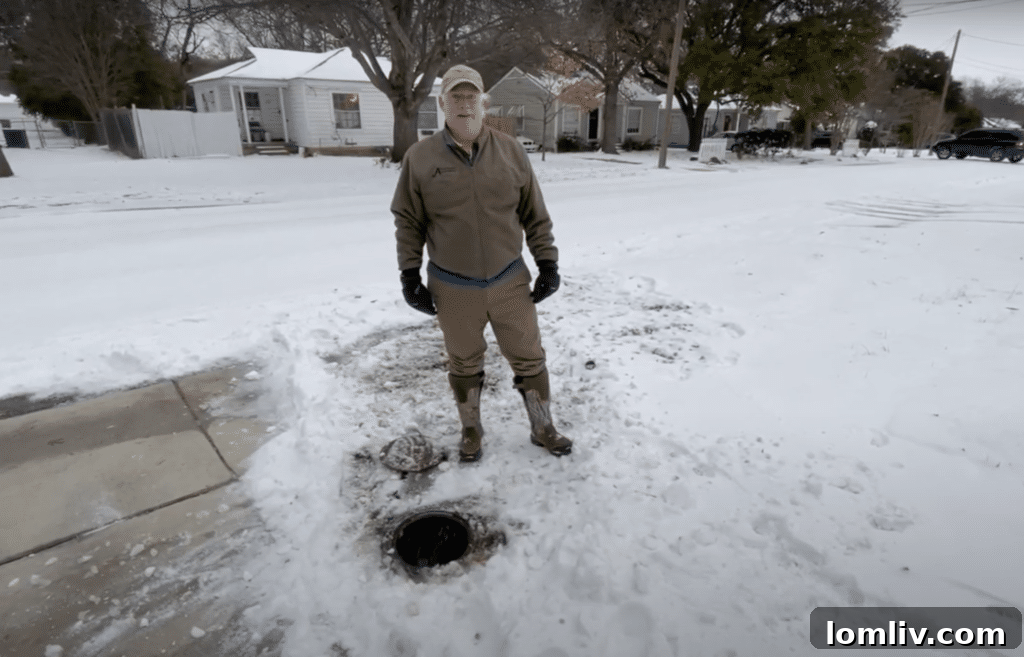
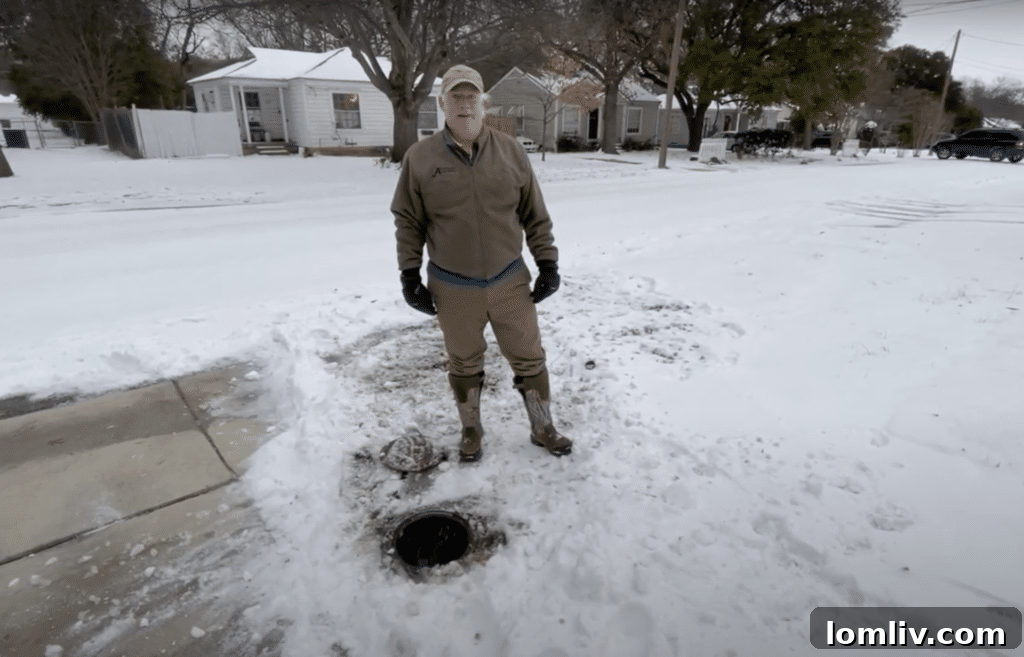
Most homes typically have at least two primary shut-off valves. The first is usually located at the city meter, often found near the street or sidewalk in a utility box. Accessing this valve may require a special meter key or a sturdy wrench to open the cover and operate the valve itself. The second common shut-off point is closer to the house, sometimes in an outdoor access box, near the foundation, or in a utility closet. Newer homes, in particular, are frequently equipped with an accessible inside shut-off valve, commonly situated in a utility room, garage, or basement, making it much easier for homeowners to quickly react in an emergency.
The most challenging aspect of this critical process is often simply finding the location of these valves. We highly recommend that every homeowner locate and familiarize themselves with their main shut-off valves *before* an emergency strikes. Once you’ve successfully identified the valve, the process is straightforward: a simple turn to the right (clockwise) with a sturdy wrench or a pair of pliers will effectively cut off the water flow to your entire home. After turning off the main supply, it is imperative to open a few faucets, both hot and cold, throughout your house. This serves a dual purpose: it confirms that the water supply has been successfully turned off and, more importantly, it helps to drain any excess water remaining in the pipes. If your pipes are already frozen, leaving faucets open allows the expanding water to escape as it thaws, thereby reducing pressure and minimizing the risk of a burst. Remember to also turn off your hot water heater if you are draining the entire system to prevent damage to the unit.
PEX Plumbing VS. Copper Pipes: Understanding Material Resilience
The materials used in your home’s plumbing system play a significant role in its resilience against extreme cold. Modern PEX (cross-linked polyethylene) plumbing, which has become a standard in most newer residential constructions, offers superior protection compared to traditional copper piping. The inherent flexibility and molecular structure of PEX material allow it to expand and contract more effectively than rigid copper. This means PEX is significantly more resilient against the immense force of expanding, frozen water, making pipe bursts much less likely. While not entirely impervious to freezing, PEX can withstand greater internal pressure before succumbing to a rupture.
When combined with advanced insulation techniques and proper installation, PEX plumbing drastically reduces the incidence of frozen and broken pipes in newer homes. Despite these technological advancements, even homes with modern PEX systems are not immune to the unprecedented cold temperatures and power outages that can occur during severe winter storms. In such extreme conditions, even PEX pipes can freeze and potentially rupture. Therefore, it remains a prudent practice to allow faucets to drip during freezing temperatures, especially in areas prone to power interruptions, as this continuous flow helps prevent water from stagnating and freezing solid within the pipes. Thanks to recent legislative efforts, this proven and highly beneficial product is now widely available and approved for use in all cities across many regions, providing homeowners with a more robust and reliable plumbing option.
Addressing Frozen Tankless Water Heaters: A Nuisance, Not a Catastrophe
While often inconvenient, a frozen tankless water heater typically represents a less serious issue compared to a burst water pipe. These units, particularly those mounted on exterior walls or in unheated spaces, are susceptible to freezing during periods of extreme cold. The tell-tale sign of a frozen tankless water heater is when hot water barely runs or ceases entirely, yet the cold water supply remains perfectly functional. This indicates that the water flow within the hot water heater unit itself has become obstructed by ice.
The solution is usually quite straightforward and can often be remedied by the homeowner. Carefully place a small space heater near the unit, ensuring it is at a safe distance and not in direct contact with any components. After a few minutes, the gentle warmth from the space heater will begin to thaw the unit’s metal manifold and internal plumbing. As the ice melts, water will gradually begin flowing through the unit as usual, restoring your hot water supply. For prevention, consider insulating exposed tankless units or ensuring the area around them maintains a minimum temperature during cold snaps. If the problem persists or you notice any visible damage to the unit, it’s always best to consult a qualified professional.
Navigating the Plumber Shortage and Ensuring Quality Repairs
In the aftermath of widespread plumbing damage, homeowners often face another significant challenge: a severe shortage of licensed plumbers. The demand for repairs far outstrips the available workforce, meaning many homeowners may unfortunately have to endure weeks, or even months, of waiting before their plumbing issues can be properly addressed. This situation underscores a critical broader issue that governing bodies, such as the Texas Legislature, must urgently tackle in the wake of severe winter weather and widespread power outages: the need for comprehensive reforms to the Texas State Board of Plumbing Examiners and similar regulatory bodies across the nation.
The problem of plumber licensure and regulation was left unresolved at the end of the last legislative session, necessitating Governor Abbott to invoke executive authority to ensure the continued operation of the agency and the crucial licensure of plumbers. This ongoing instability exacerbates the existing shortage and complicates recovery efforts for consumers. In this environment, the Dallas Builders Association strongly urges consumers to exercise extreme caution and diligence. Always use licensed plumbers, who can typically be verified through official state licensing boards listed here. It is vital to avoid individuals or entities who attempt to solicit work without providing clear, verifiable evidence that they are actively licensed and insured. Unlicensed work carries significant risks, including subpar repairs, lack of warranty, and no recourse for homeowners if things go wrong.
Consumers who encounter any concerns, suspicious activity, or potentially nefarious solicitation for plumbing work should immediately report these issues via this link to their respective state’s regulatory body. These reports are crucial for maintaining industry standards and protecting homeowners. Furthermore, for those seeking reliable builders and remodelers, a full list of reputable professionals who are proud members of our association can always be found at DallasBuilders.com, ensuring you connect with trusted experts for all your home improvement and repair needs.

Phil Crone is the executive officer of the Dallas Builders Association, a leading trade association and network dedicated to supporting and advocating for Dallas-area builders and remodelers. The Dallas Builders Association is committed to promoting professionalism and excellence within the home building industry. Discover more about the invaluable resources and community initiatives offered by the DBA at dallasbuilders.com.