North Texas on the Move: Navigating Growth and Crafting a Sustainable Transportation Future
The Dallas-Fort Worth (DFW) Metroplex stands as a beacon of economic opportunity and rapid expansion in the United States. However, this relentless growth brings with it a complex web of challenges, particularly concerning transportation infrastructure. At the MetroTex Region 2015 event, held at the prestigious Brookhaven Country Club, a panel of experts convened to shed light on these pressing issues. Among them, Dan Lamers, Senior Program Manager at the North Texas Council of Governments (NTCOG), delivered a sobering yet insightful presentation on the state and future of our region’s roadways and transit systems. His frank assessment resonated deeply with attendees, offering a critical look at the very arteries that sustain DFW’s dynamic pulse.
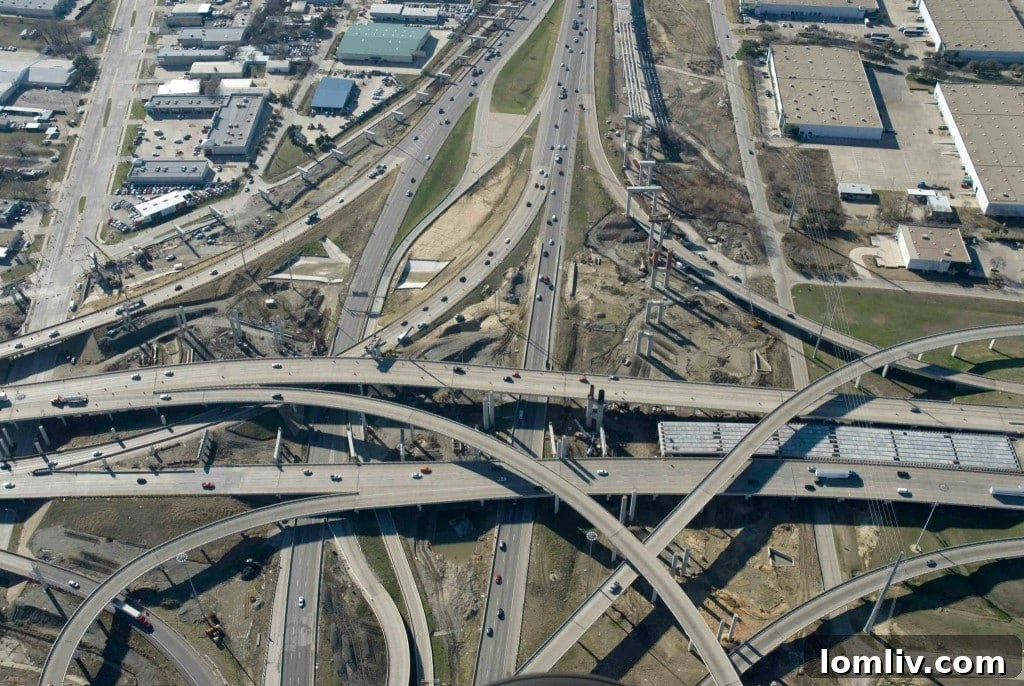
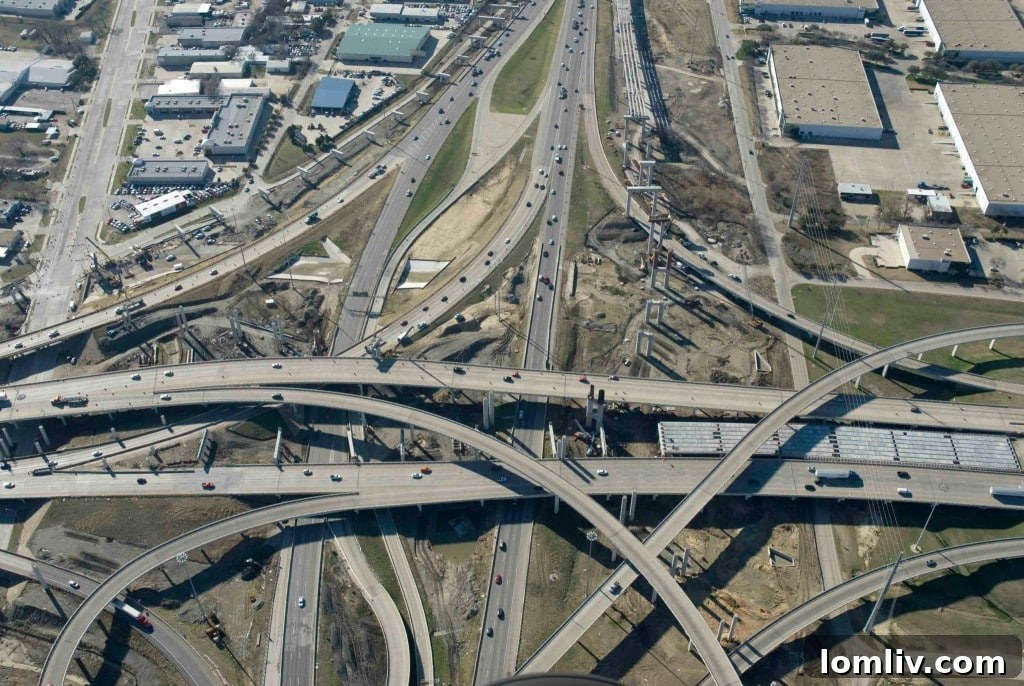
Lamers, whose department bears the brunt of public frustration over perpetual road construction and congestion, found himself in a challenging position. Yet, he garnered applause for the near-completion of the much-anticipated LBJ super highway, a project that has for years been synonymous with disruption for countless commuters. The completion of such a monumental undertaking, while a welcome relief, also sparks a familiar question in the minds of many North Texans: when will the next major artery be torn up, and the cycle of repairs begin anew?
The Unprecedented Growth of North Texas: A Demographic Tsunami
To fully grasp the magnitude of DFW’s transportation dilemma, one must first understand its extraordinary growth trajectory. The North Texas Council of Governments (NTCOG) is tasked with the unenviable responsibility of coordinating planning efforts, including those for critical highways, across an astonishing 240 local governments within the region. This gargantuan task is amplified by the sheer scale of the area, spanning nearly 10,000 square miles, and its explosive demographic expansion.
Since the 1970s, the DFW Metroplex has witnessed a staggering population increase of more than 150 percent. Today, it proudly ranks as the fourth-largest metropolitan area in the country, boasting a population of 7 million residents. Lamers starkly illustrated this relentless influx: on average, North Texas welcomes approximately one million new residents every eight years. This translates into an unrelenting pressure on existing infrastructure, explaining why our roads, despite constant repair efforts, often feel perpetually bumpy and inadequate.
Looking ahead, the projections are even more daunting. Experts predict that by 2040, North Texas will be home to an astounding 11 million people. This continuous demographic surge, fueled by job opportunities, a lower cost of living, and the overall appeal of Texas, undeniably contributes to our escalating traffic woes. The question then becomes not if, but how, DFW will manage to maintain its renowned quality of life and economic vitality in the face of such rapid expansion.
The Funding Gap: A Mountain of Maintenance Debt
During his presentation, Lamers made a candid admission that resonated with every frustrated driver in the room: he conceded that COG, like many regional planning bodies, has struggled immensely to keep pace with the maintenance needs of North Texas roads. Despite ongoing repair projects that seem to plague every major highway, the reality is that the region is falling further behind. Lamers highlighted the severity of this deficit, stating that the City of Dallas alone requires an astronomical $24 billion just to “catch up” on deferred road maintenance. This figure underscores a systemic problem that affects not just daily commutes but also economic efficiency, public safety, and environmental quality.
The broader regional picture is even more sobering. Lamers’ takeaways from the presentation emphasized that North Texas roads collectively require a staggering $94.5 billion in transportation improvements. This colossal sum is a testament to decades of underfunding and the sheer scale of development needed to accommodate a burgeoning population. Addressing this deficit is not merely about convenience; it’s about preserving the economic engine that is DFW and ensuring its future prosperity.
Balancing Act: Roads, Public Transit, and the Future of Mobility
While the need for road improvements is undeniable, Lamers clarified a fundamental truth for the DFW region: “roadways will continue to be our primary method of travel.” Given the sprawling nature of the Metroplex and its development patterns, a significant portion of the population will always rely on personal vehicles for daily commutes and activities. However, this acknowledgment does not negate the crucial efforts by NTCOG and other agencies to diversify transportation options and encourage a shift away from single-occupancy vehicle dependence.
Lamers highlighted ongoing initiatives designed to get people out of their cars and into alternative modes of transport. This includes promoting the use of bike lanes, expanding the light rail network, enhancing bus services, and encouraging simple walking. Dallas, for instance, boasts one of the largest light rail systems in the world, a testament to early investment in public transit. Yet, the question of its full utilization and effectiveness in significantly reducing traffic congestion remains a point of public discussion.
The push for alternatives is not about eliminating roads but complementing them. Lamers emphasized the importance of “doing everything in our power to keep activities at home or at work to minimize car time.” This philosophy encourages a more integrated approach to urban planning, where daily necessities and recreational opportunities are within closer proximity to residential and business hubs. Interestingly, Lamers noted that many newcomers to Dallas, particularly millennials moving into urban centers, often do not drive, thriving instead on the existing public transportation network.
The Vision for Smarter Development: Embracing Mixed-Use Communities
A cornerstone of NTCOG’s strategy for managing growth and mitigating traffic is the aggressive encouragement of mixed-use developments. These integrated communities blend residential, commercial, cultural, institutional, and industrial uses, all within a compact area, designed to be walkable or easily accessible via public transit. The goal is simple yet transformative: to create environments where residents can live, work, dine, and run errands without the constant need for a car.
Lamers specifically referenced the ongoing debates surrounding multi-use developments, such as the one proposed near Inwood & Forest. Such projects, while sometimes facing local resistance, are viewed by urban planners as vital tools in the fight against sprawl and congestion. By fostering density and diversity of use, mixed-use developments aim to shorten commutes, reduce vehicle miles traveled, decrease reliance on personal automobiles, and ultimately enhance the quality of life for residents by creating vibrant, self-sustaining neighborhoods.
This approach stands in contrast to traditional suburban development patterns, which often necessitate extensive driving for almost every aspect of daily life. For a region like North Texas, where commuters can drive daily from as far as Waco and Hill County, promoting localized activity centers is not just a convenience; it’s a strategic imperative to decongest major arteries.
Funding the Future: The Texas Toll Road Mindset
Given the immense financial demands for transportation improvements and the constrained budgets at both state and local levels, Texas has increasingly adopted a “toll-road mindset.” This model involves charging drivers for the use of certain highways or express lanes, transforming roadways into a “pay as you use” service. The LBJ express lanes serve as a prime example of this strategy in action, offering commuters an option to bypass congestion for a variable fee.
The rationale behind toll roads is pragmatic: they provide a dedicated funding stream for the construction of new highways, the expansion of existing ones, and the ongoing maintenance of the entire system. Without such mechanisms, the region’s ability to keep pace with its rapid growth would be severely hampered. However, the implementation of toll roads also sparks considerable debate, with concerns raised about equity, affordability, and the potential for creating a two-tiered transportation system where access to faster routes depends on one’s ability to pay. Despite these ongoing discussions, the reality of tight budgets means that tolling will likely remain a significant component of North Texas’s transportation funding strategy for the foreseeable future.
A Comprehensive Plan for a Mobile and Sustainable DFW
The challenges facing North Texas’s transportation system are multifaceted, requiring a holistic and forward-thinking approach. Lamers underscored the critical need to develop and rigorously maintain a comprehensive transportation plan. Such a plan must extend beyond simply building more roads; it must strategically integrate all modes of transit, prioritize innovative funding mechanisms, and balance the imperative of increasing mobility with the equally vital goal of environmental sustainability.
Without a robust, coordinated strategy, the projected population surge to 11 million by 2040 could transform DFW into a region characterized by incessant gridlock, reminiscent of Los Angeles-style traffic jams. The risk is not merely an inconvenience; it could deter future businesses, diminish property values, and fundamentally alter the appeal of living in North Texas. As Lamers warned, if residents find themselves stuck in three or four-hour commutes, the trend of urban dwellers seeking refuge in deeper country locales like Aubrey and Pilot Point, already tiring of congestion, will only accelerate. This outward migration contributes to further sprawl, longer commutes, and increased pressure on ever-expanding infrastructure, creating a challenging feedback loop.
Dan Lamers’ Key Insights: A Blueprint for Collaborative Action
The complexity of North Texas’s transportation future demands a multi-pronged approach, as outlined by Dan Lamers’ crucial takeaways:
- Encourage More Mixed-Use Developments: By fostering communities where work, home, and leisure are integrated, we can significantly reduce the need for daily vehicle travel, allowing residents to walk to dinner, run errands, and enjoy a higher quality of life with less time spent in traffic.
- Continue Building Essential Road Infrastructure: While focusing on alternatives, the reality is that North Texas will still need to construct new roads and expand existing ones to adequately accommodate the relentless influx of newcomers. This must be done strategically, integrating new infrastructure with smart growth principles.
- Develop and Maintain a Comprehensive Transportation Plan: A long-term vision is paramount. This plan must enhance overall mobility across the region, integrating various transit modes, and crucially, balancing economic development with environmental considerations to ensure a sustainable future for DFW.
- Embrace the Toll-Road Mindset: With severe budgetary constraints, toll roads represent a necessary funding mechanism. By adopting a “pay as you use” model, exemplified by facilities like the LBJ express lanes, the region can finance critical infrastructure projects that would otherwise be impossible to fund through traditional means.
- Address the Funding Deficit: The stark reality of requiring $94.5 billion in transportation improvements underscores the urgency. Securing this funding will require innovative solutions, collaborative efforts between all levels of government, and potentially new public-private partnerships.
The Road Ahead for North Texas
The insights shared by Dan Lamers at the MetroTex event in 2015 remain profoundly relevant today. North Texas stands at a pivotal juncture, grappling with the blessings and burdens of its extraordinary growth. The path forward demands visionary leadership, robust planning, and collective action from local governments, state agencies, businesses, and individual citizens. By embracing comprehensive planning, investing wisely in both traditional infrastructure and innovative transit solutions, and fostering smarter development patterns, the DFW Metroplex can continue to thrive, ensuring that its reputation as a dynamic and desirable place to live and work remains intact, even as its population scales new heights. The future of mobility in North Texas depends on our ability to adapt, innovate, and collaborate.