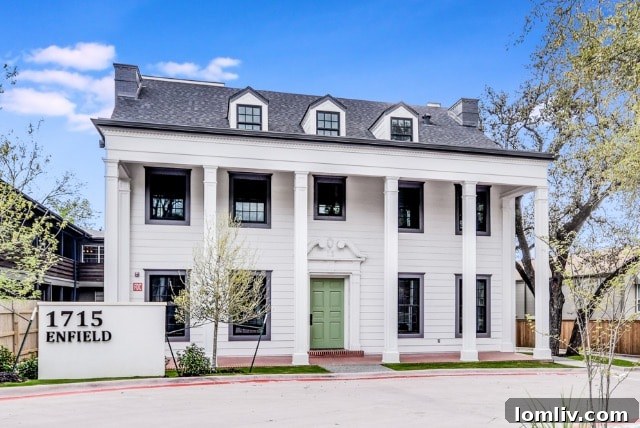
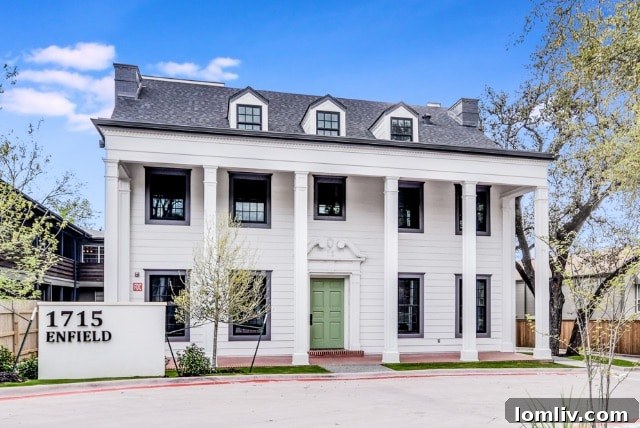
Austin, Texas, a city celebrated for its vibrant culture, innovative spirit, and commitment to preserving its unique heritage, offers an exceptional narrative through its architecture. Amidst the rapid growth and modernization, certain historical gems stand out, not just for their beauty but for their remarkable journey of transformation. This article delves into one such treasure: a stunning Colonial Revival mansion located at 1715 Enfield Road, an iconic structure that embodies the very essence of adaptive reuse in the heart of Austin.
For those of us who have lived, studied, or simply admired Austin’s historic districts, finding a beloved landmark not only saved but reimagined for a new era is a profound delight. This particular mansion holds a special place, once a familiar sight during my college years at The University of Texas, mere minutes away. Its salvation and subsequent metamorphosis into an exemplary model of adaptive reuse is a testament to thoughtful urban development and a deep respect for architectural legacy.
Understanding the Power of Adaptive Reuse
The term “adaptive reuse” might not be part of everyday conversation, yet its principles are deeply embedded in sustainable urban planning and historic preservation. At its core, adaptive reuse is the process of repurposing existing buildings for new functions while maintaining their historical, architectural, or cultural significance. It’s an artful blend of preservation and innovation, preventing demolition and extending the lifespan of structures that might otherwise be lost to decay or redevelopment.
Adaptive reuse initiatives gained significant traction after the National Historic Preservation Act of 1966, which encouraged communities to find creative ways to save a wide array of buildings. From industrial behemoths like grain silos and factories to civic structures such as fire stations and schools, the potential for transformation proved immense. This approach not only preserves tangible links to our past but also fosters unique living and working environments that cannot be replicated by new construction.
The Multifaceted Benefits of Adaptive Reuse
The advantages of adaptive reuse are far-reaching, impacting environmental sustainability, economic vitality, and cultural identity:
- Environmental Sustainability: By reusing existing structures, we significantly reduce construction waste that would otherwise end up in landfills. It also lessens the demand for new building materials, conserving natural resources and minimizing the energy consumption associated with manufacturing and transporting these materials. This results in a smaller carbon footprint, aligning perfectly with modern ecological goals.
- Economic Benefits: Adaptive reuse often proves more cost-effective than new construction, especially when considering infrastructure that is already in place. It stimulates local economies by creating jobs in specialized trades (historic restoration, craftsmanship) and revitalizes neighborhoods by breathing new life into dormant properties. Repurposed buildings frequently command higher market values due to their unique character and history.
- Cultural & Historical Preservation: Perhaps most importantly, adaptive reuse safeguards the architectural heritage and collective memory of a community. Historic buildings tell stories, embodying the craftsmanship, design trends, and societal values of their time. By preserving them, we maintain a sense of place and continuity, enriching the urban fabric with distinct character that modern, cookie-cutter developments often lack.
Across the nation, successful adaptive reuse projects abound. Dallas’s former Sears distribution center, now South Side on Lamar, stands as a prime example, pioneering loft living and spearheading redevelopment in the Cedars area. Austin itself showcases its commitment with the Seaholm EcoDistrict, where the former electrical plant has been transformed into a vibrant mixed-use complex centered around the award-winning Central Library, designed by Lake/Flato Architects. This project integrates hotels, restaurants, residences, retail, and office spaces, all while honoring the site’s industrial past. These examples underscore that adaptive reuse is not just a trend but a fundamental practice for sustainable urban development.
The Genesis of a Landmark: 1715 Enfield Road
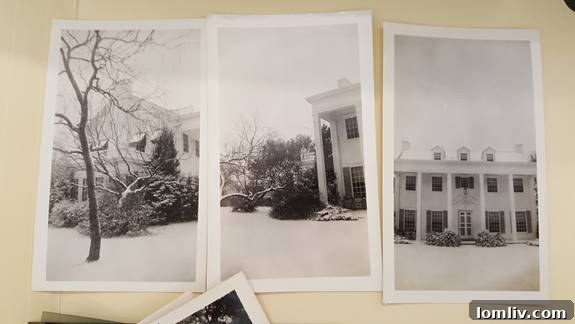
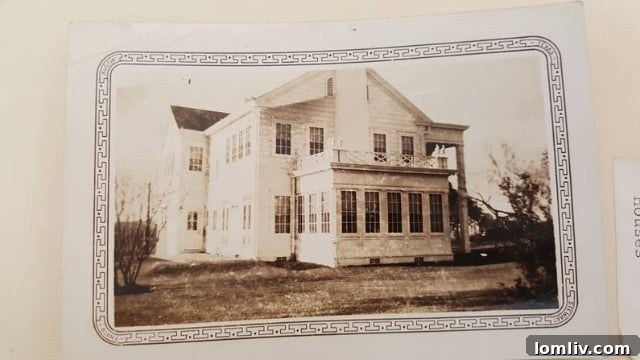
The magnificent Colonial Revival mansion at 1715 Enfield Road began its storied life in 1933, a period when classic American architectural styles were deeply cherished. It was commissioned for Judge D.H. Dooms and his distinguished wife, Nellie Dooms, a name etched in history for her pivotal contributions to the women’s suffrage movement. Imagine the discussions and decisions that unfolded within these walls, likely shaped by Nellie’s strong convictions and progressive ideals. The home was originally situated on a generous, estate-sized lot, gracefully bridging the historic neighborhoods of Old Enfield and Clarksville, areas renowned for their mature trees, stately homes, and a palpable sense of Austin’s rich past.
The Colonial Revival style, popular from the late 19th century into the mid-20th century, drew inspiration from American colonial architecture, emphasizing symmetry, classical proportions, and elegant details. Homes like 1715 Enfield Road often feature grand entrances with prominent porticos, multi-pane windows, and a balanced facade that exudes timeless sophistication. This architectural lineage speaks to a desire for stability and tradition, even as the world around it was rapidly changing.


The Dooms resided in this esteemed mansion until the 1950s. Over the subsequent decades, as Austin experienced significant growth and the University of Texas expanded its student population, the original estate land was gradually subdivided and sold off. While the surrounding landscape evolved, the beautiful Colonial Revival mansion itself remained, though its purpose began to shift. Like many grand homes in central Austin during that era, it transitioned into rental units, serving the burgeoning student community. This transformation, while practical, often meant a degree of neglect for the architectural integrity that made such homes special.
From Historic Residence to Luxury Condominiums: A Vision Realized
It was only a matter of time before visionary developers recognized the inherent value and immense potential of 1715 Enfield Road. This historic mansion was a prime candidate for adaptive reuse, offering a unique opportunity to marry the charm of the past with the demands of contemporary luxury living. Many discerning individuals today seek homes with character, a distinct departure from the generic, boxy apartment buildings that dot urban landscapes. They crave spaces that tell a story, yet still provide the comfort and conveniences of modern amenities.
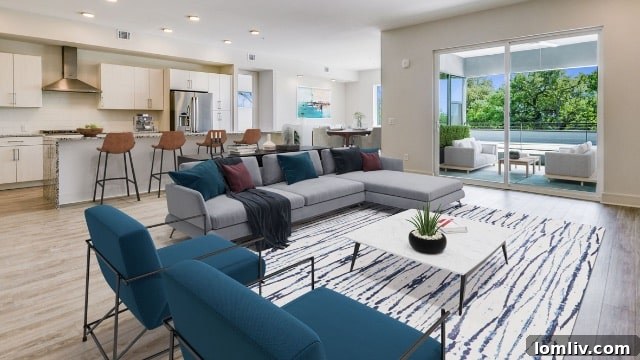
The project, undertaken with the expert design assistance of Mark Odom Studio, meticulously preserved the mansion’s exquisite facade, ensuring its harmonious integration with the surrounding historic neighborhood. This commitment to retaining the visual integrity of the original structure was paramount. However, the interior underwent a complete and thoughtful renovation, seamlessly blending into an additional, architecturally complementary building. The result is a collection of seven stunning new luxury condominium homes, each offering a unique living experience within this historic context.
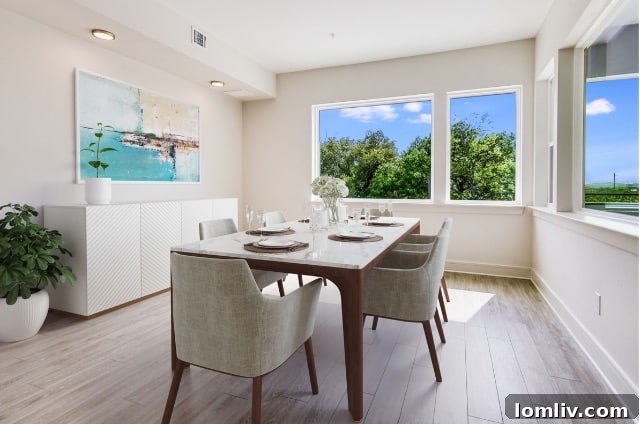
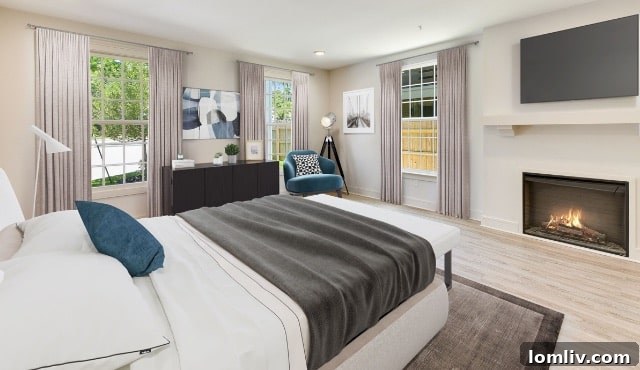
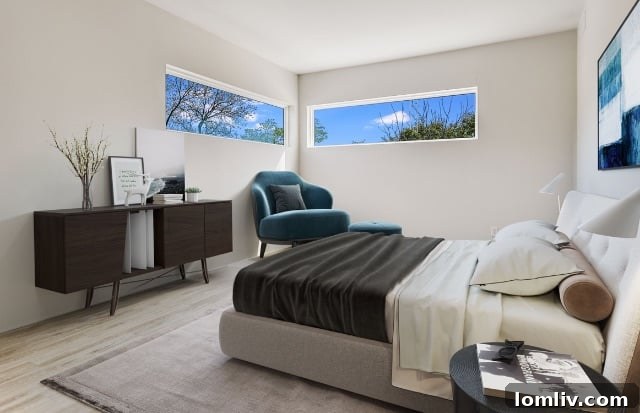
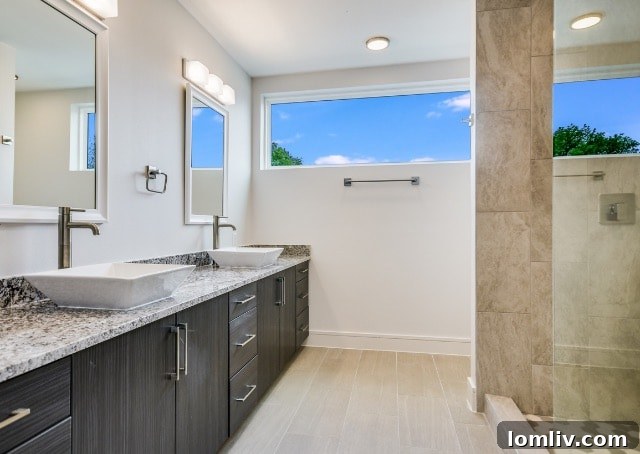
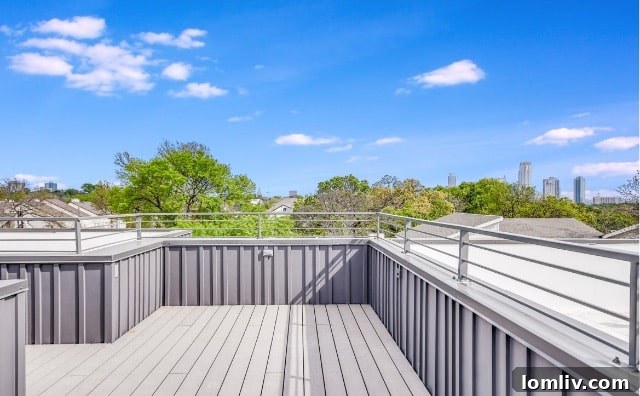
The original mansion now houses three exclusive condominiums, one on each floor, providing residents with a unique sense of place and connection to the building’s rich past. These units likely boast high ceilings, grand windows, and architectural details that hark back to their origins, all while featuring state-of-the-art kitchens, luxurious bathrooms, and contemporary finishes. The newly constructed rear building thoughtfully accommodates the remaining four condominiums, including a particularly spacious and opulent three-bedroom plan designed for expansive modern living. Each residence comes with two dedicated parking spaces, a significant advantage in central Austin, and residents can enjoy a fantastic common area on the rooftop sundeck, offering panoramic views and an ideal spot for relaxation and socializing.
An Unbeatable Location: The Heart of Austin Living
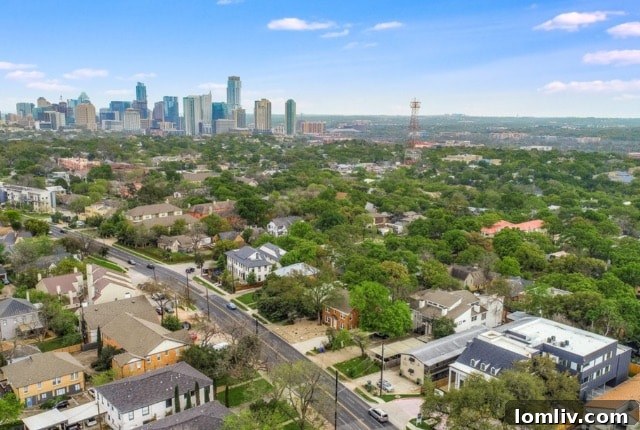
Beyond its architectural beauty and historic significance, 1715 Enfield Road offers an unparalleled lifestyle defined by its prime location. Nestled within what many consider one of Austin’s finest neighborhoods, residents benefit from a harmonious blend of urban convenience and natural serenity. The enduring charm of this area is evident in its long-standing establishments and verdant green spaces.
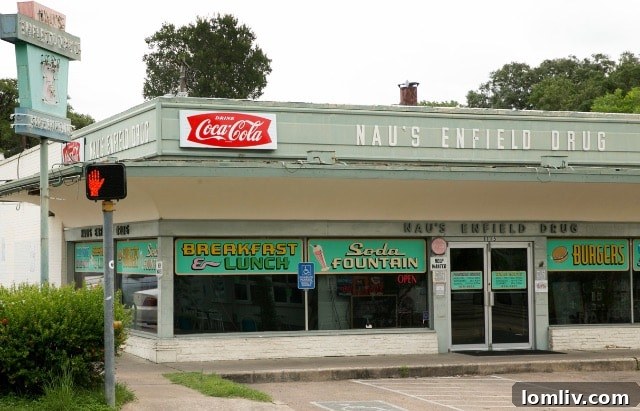
For instance, Nau’s Enfield Drug, a cherished community fixture since 1951, continues to operate, offering a nostalgic glimpse into Austin’s past while serving modern needs. Just down the street lies Jeffrey’s, renowned as one of Texas’s premier fine dining establishments, which first opened its doors in 1975. Its sister restaurant, Josephine House, is housed in another lovely historic home, further enhancing the neighborhood’s culinary and architectural allure. These institutions not only provide excellent services but also contribute to the strong sense of community and local character that makes this area so desirable.
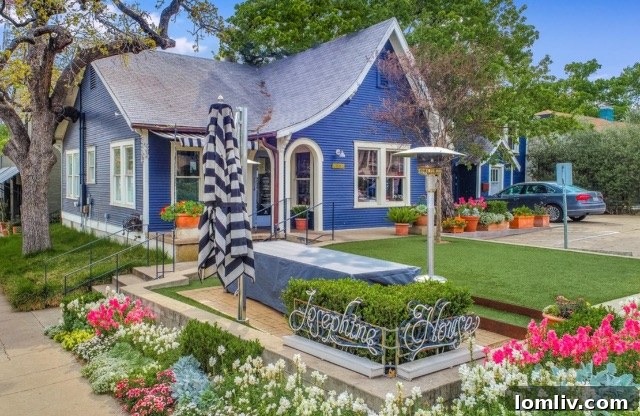
The strategic location of 1715 Enfield Road provides effortless access to Austin’s most iconic destinations:
- Downtown Austin: A mere five-minute drive connects residents to the bustling heart of the city, with its dynamic entertainment venues, diverse dining scene, vibrant nightlife, and thriving business district.
- The University of Texas at Austin: A quick 15-minute bike ride or even shorter drive provides access to the university’s academic, cultural, and sporting events, making it ideal for faculty, staff, or those who simply enjoy being near a major intellectual hub.
- Pease Park: Just a five-minute bike ride away, this historic urban park offers sprawling green spaces, trails for walking and running, playgrounds, and seasonal community events, providing a perfect escape into nature within the city.
- Barton Springs Pool & Zilker Park: A mere seven-minute drive transports residents to Austin’s crown jewel for outdoor recreation. Barton Springs Pool, a natural spring-fed oasis, offers year-round swimming, while the expansive Zilker Park hosts major festivals, botanical gardens, and extensive hike and bike trails along Lady Bird Lake, catering to every outdoor enthusiast.
This unparalleled proximity to everything that defines the “Austin lifestyle” — from cultural institutions and culinary hotspots to academic centers and abundant green spaces — makes 1715 Enfield Road an address of distinction. It offers the rare opportunity to experience the very best of Austin living, combining historical reverence with contemporary convenience.
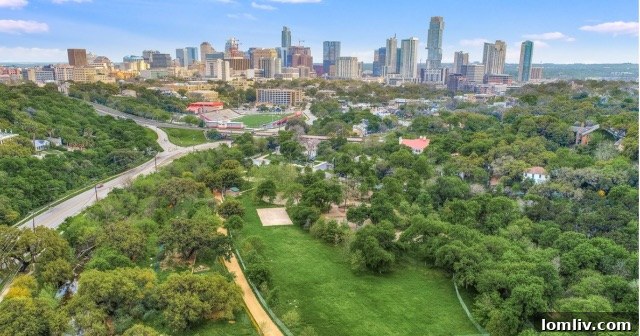
Indeed, you truly can have it all: the timeless elegance of a completely renovated historic Colonial Revival mansion, situated in an exceptional neighborhood, and offering unrivaled access to every amenity and attraction that makes Austin one of the most beloved cities in the nation. It’s more than just a home; it’s a piece of Austin’s soul, meticulously preserved and thoughtfully reimagined for the modern era.
These exquisite luxury condominiums at 1715 Enfield Road are currently listed by Lazan Pargaman with Kuper Sotheby’s International Realty. Prices for these unique residences range from $600,000 to $1.3 million, reflecting the premium value of owning a piece of Austin history in such a coveted location. This truly is one of Austin’s best neighborhoods, offering not just a residence, but a lifestyle choice that few other properties can match.