A significant urban dilemma is unfolding in North Dallas, sparking debate among residents, utility providers, and urban planners. Approximately 100 mature trees, which have long provided a vital green buffer along the eastern side of the Dallas North Tollway—stretching from Forest Lane north to Harvest Hill Road—are slated for removal. These diverse trees, including resilient pines and stately live oaks, have stood for three decades, offering a natural barrier between the busy thoroughfare and the peaceful backyards of homes on Quincy Lane within the Melshire Estates neighborhood. Their impending removal raises crucial questions about urban growth, environmental preservation, and the inescapable demands of modern infrastructure.
The core reason behind this large-scale tree-ectomy is the necessity for infrastructure upgrades. Oncor, the local energy provider, plans to replace outdated transmission towers with modern, more efficient structures to meet the escalating energy demands of Dallas, a city experiencing relentless growth. This surge in power consumption is a direct consequence of rapid urbanization and population increase, underscoring the complex challenges faced by metropolitan areas. The utility company asserts that the trees pose a significant safety hazard during the electrical upgrade work, which may involve the use of specialized equipment, including helicopters. Furthermore, the trees reside on an easement owned by Oncor, a property right that, under state law, permits the utility to remove any vegetation obstructing or interfering with their equipment or operations.
The situation highlights a persistent conflict between maintaining essential public services and preserving natural urban landscapes. Robert Wilonsky of the Dallas Morning News initially brought attention to this issue after hearing from concerned homeowners on Quincy Lane, whose properties directly back onto the Dallas North Tollway. While the trees offer numerous environmental and aesthetic benefits, their presence complicates critical infrastructure projects. Oncor’s position underscores the broader societal reliance on a robust and reliable power grid.
“This vital transmission line isn’t just about the customers on Quincy Lane who appreciate the trees on Oncor’s right-of-way,” explained Geoff Bailey, Oncor spokesman and Chief of Staff to CEO Allen Nye. “It serves hundreds of thousands of customers across our service area, emphasizing the critical importance of ensuring its reliability and safety for the wider community.”
Bailey acknowledged the “unfortunate” nature of the decision and expressed understanding for the “passion about trees” within the community. However, he emphasized that this verdant buffer must be cleared to facilitate the construction and safety requirements of the infrastructure project. He also pointed out the inherent dangers posed by trees growing too close to power lines, which can lead to service interruptions and safety hazards, particularly during severe weather events.
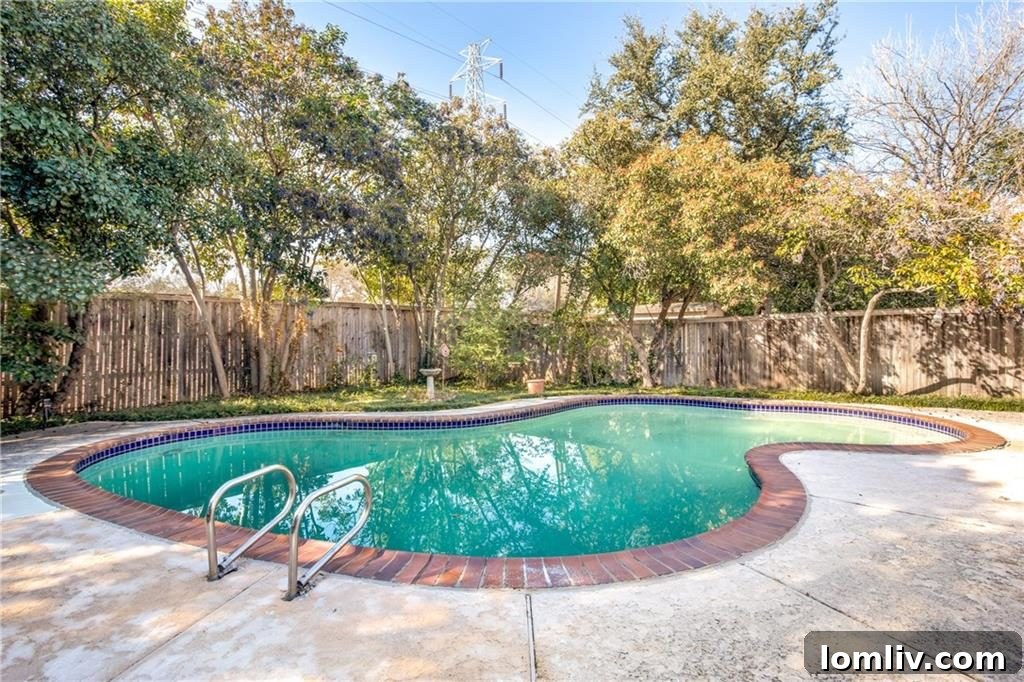
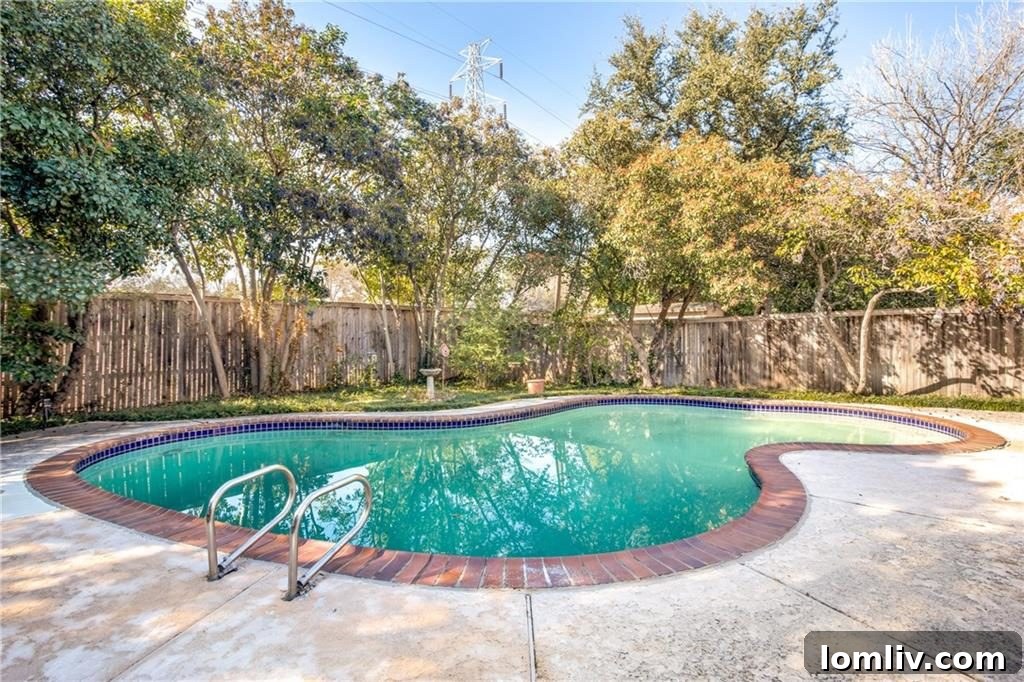
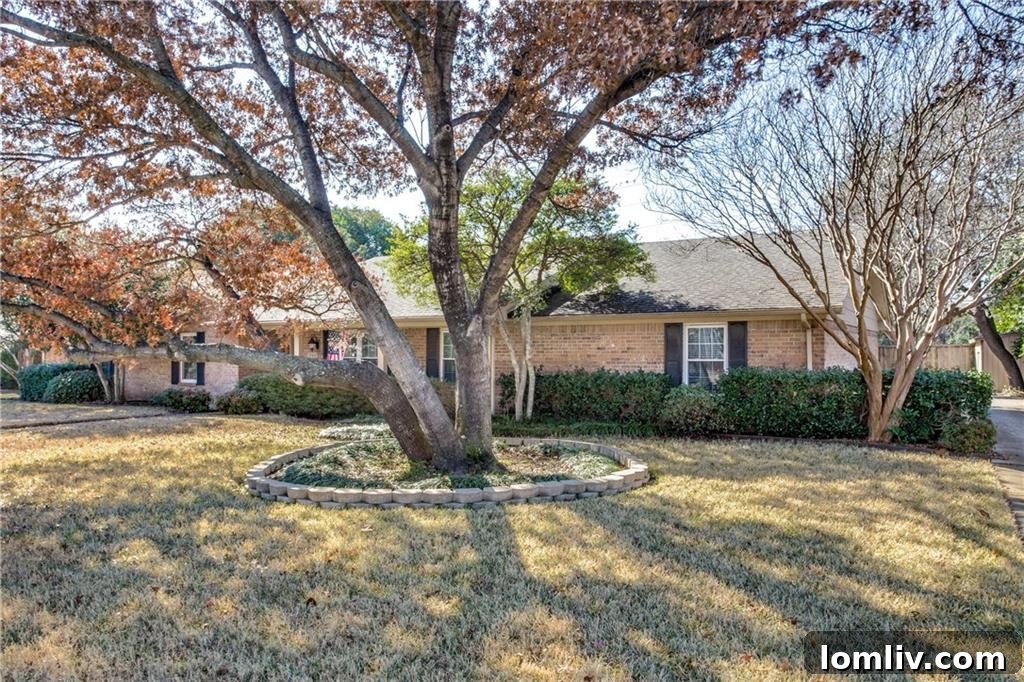
Despite the utility’s rationale, the move appears drastic to many, especially residents whose quality of life stands to be directly affected. For instance, the home at 12417 Quincy Lane, situated directly adjacent to the tollway, faces the prospect of losing a significant portion of its backyard canopy, thereby diminishing privacy, increasing noise, and altering its aesthetic appeal. The removal of these established trees will undoubtedly transform the landscape, leaving a noticeable void for residents accustomed to their calming presence.
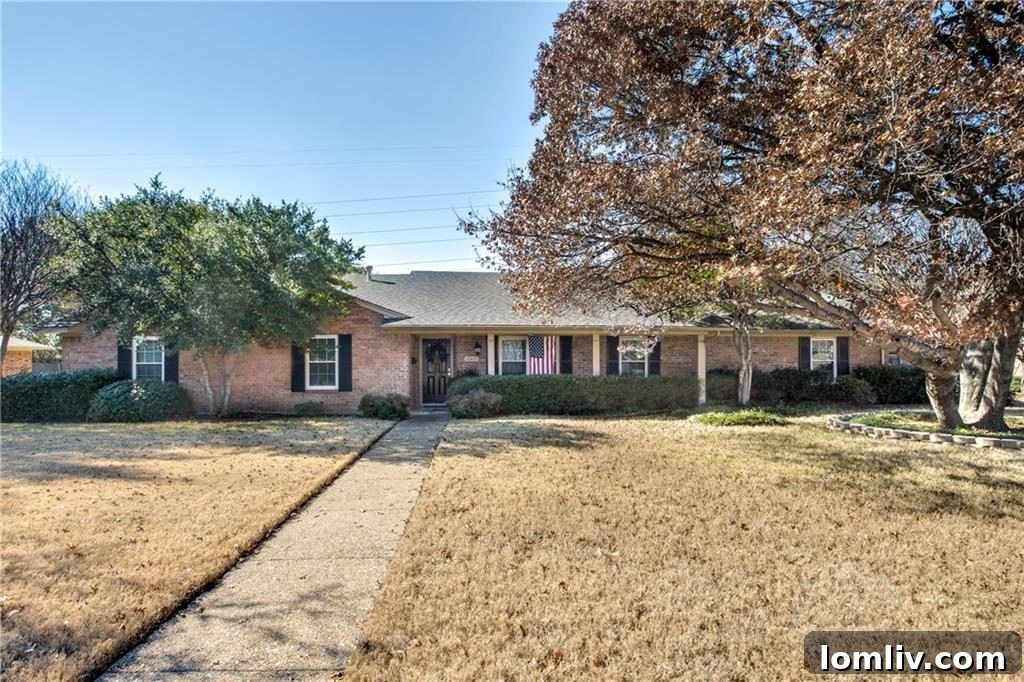
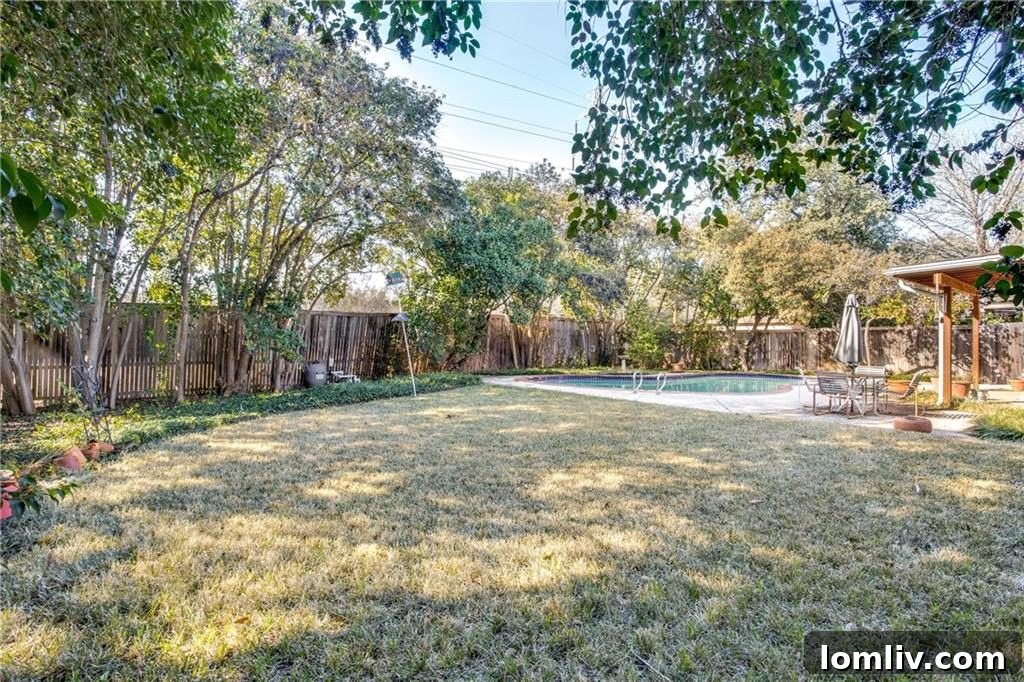 While the immediate impact on individual properties is a major concern, the broader question of how this loss will affect property values on Quincy Lane remains. Homes backing onto major highways often experience a slight discount in market value, balanced by potential property tax breaks, making them more accessible to some buyers. This specific home, for example, was listed in January 2018 for $469,000 and sold in July for $445,000—a respectable $179 per square foot for a 2,477-square-foot, four-bedroom home built in 1967, complete with a pool. The presence of the tree buffer was undoubtedly a contributing factor to its appeal. Losing this natural screen could potentially diminish the property’s attractiveness, raising concerns for homeowners about future market valuations and their overall investment.
The debate surrounding these trees delves into a fundamental conflict between environmental aesthetics and modern necessities. While many share a deep appreciation for trees, including personal anecdotes of protecting beloved saplings, the reality of urban living often necessitates difficult choices. Recalling experiences during power outages—such as prolonged periods without electricity during an ice storm in Hillcrest Estates, lasting nearly two days without internet access, heating, or modern conveniences—underscores the profound dependence on a reliable power supply. The inconvenience and hardship endured during such times can quickly overshadow the aesthetic loss of trees. Cooking on a gas stove without proper ventilation, reading by flashlight, and coping without internet connectivity highlight the indispensable role of electricity in contemporary life. These personal experiences often lead to a pragmatic view: while the loss of trees is regrettable, the uninterrupted flow of power for essential services and communication often takes precedence.
Given this essential trade-off, a crucial question arises: Can Dallas find a balance? If modern lifestyles demand robust power infrastructure, could Oncor be encouraged, though not legally obligated, to mitigate the environmental impact? A potential solution could involve a tree replacement program, where Oncor plants new trees elsewhere in Dallas—perhaps even in affected residents’ backyards, if suitable—for every tree removed. Such an initiative, while not compensating for the immediate loss of a mature canopy, could contribute positively to the city’s overall urban forest, demonstrating corporate responsibility and fostering goodwill within the community.
Indeed, Dallas faces an urgent ecological challenge that transcends this specific incident. The city simply cannot afford to lose its trees, whether these specific ones or any others. According to compelling research from the Texas Trees Foundation, Dallas is experiencing an accelerated warming trend, “heating up faster than every city in the country except for Phoenix,” as highlighted in its 2017 Urban Heat Island Effect study. This phenomenon, largely driven by the continuous expansion of concrete and asphalt surfaces, contributes to higher temperatures, increased energy consumption for cooling, and diminished air quality. Each day, more of Dallas’s natural landscape is paved over, resulting in a gradual but significant shrinkage of its vital urban canopy. Trees are not merely decorative; they are essential infrastructure for combating heat, absorbing carbon dioxide, filtering pollutants, managing stormwater, and promoting biodiversity and mental well-being within the city.
Adding another layer of complexity, Phil Erwin, the city’s chief arborist, offered a candid perspective on the situation. He noted that while the trees along the tollway appear established and beneficial now, they likely “shouldn’t have been there in the first place” when planted some three decades ago. His assessment highlights a critical issue in long-term urban planning:
“It looks great now, but foresight was needed 30 years ago,” Erwin stated. “The city’s infrastructure requires continuous maintenance and upgrades, and sometimes, trees simply become an obstacle to that necessity. Unfortunately, as a city expands and its systems demand modernization, certain removals become unavoidable. It’s undeniably a challenging situation for everyone involved, striking a difficult balance between urban development and environmental considerations.”
Indeed, this situation serves as a potent lesson in property rights and urban development. Individuals purchasing homes adjacent to major transportation corridors, such as a tollway, must recognize that their control over the land typically extends only to their property line. Easements held by utility companies or transportation authorities grant them specific rights over certain areas, even if they visually appear to be part of a homeowner’s natural surroundings. The trees in question served as a crucial visual, acoustical, and air-filtering barrier against the incessant traffic noise and pollution of the Dallas North Tollway, in addition to their aesthetic appeal. Their absence will undeniably alter the living experience for Quincy Lane residents, impacting their privacy and exposure to urban elements.
The mystery surrounding the original planting of these trees further complicates the narrative. A historical document, a letter dated October 30, 1984, from the city’s then-director of Public Works to the Texas Turnpike Authority (TTA), sheds some light on past agreements. In exchange for land needed to extend the toll road north, the TTA agreed to construct a 30-foot-tall wall and cover the costs of landscaping determined by the city. Furthermore, City Hall committed to maintaining the landscaping, irrigation system, and furnishing water for irrigation. However, the exact details of who ultimately planted and paid for the trees remain elusive. Neither City Hall nor the NTTA can locate a final, definitive agreement, and Oncor states it has no records indicating DP&L (Oncor’s predecessor) was ever formally notified of this arrangement between the city and the TTA.
How the city got involved, I have no idea — the neighbors, I assume, at least based on a letter I got from City Hall on Monday.
The ongoing lack of clarity surrounding these historical agreements underscores a broader challenge in urban planning and record-keeping, where initial intentions often become obscured over decades. This institutional amnesia inadvertently contributes to present-day conflicts, as communities grapple with decisions made long ago without full transparency or accountability. It’s a subtle yet significant detail that highlights the complexities embedded within the fabric of urban growth.
Shhhhhh.