Understanding and Addressing Foundation Problems in North Texas Homes: A Home Buyer’s Guide
Every week, the detail-oriented folks at Green Scene Home Inspections will give Daltxrealestate.com readers an education in inspection. Want to see what they see? Tune in for “Upon Closer Inspection.”
In the current Dallas real estate landscape, low housing inventory has created an intensely competitive market, pushing buyers to make swift, significant decisions. While the urgency to secure a home is understandable, it’s paramount not to overlook crucial due diligence, especially a comprehensive home inspection. A home is arguably the largest investment most people will make, and understanding its true condition, particularly regarding major structural elements, is non-negotiable.
Though the negotiation power might be limited in a seller’s market, entering such a monumental purchase with a clear understanding of potential future expenses is invaluable. At Green Scene Home Inspections, we focus on the five critical areas of any home: foundation, plumbing, electrical, HVAC, and the roof. Among these, home buyers in North Texas consistently express the most concern and ask the most questions about foundation issues. Given the unique geological and climatic conditions of our region, this focus is well-founded. Let’s delve into what you need to know about foundations in North Texas.
Why North Texas Homes Are Prone to Foundation Problems
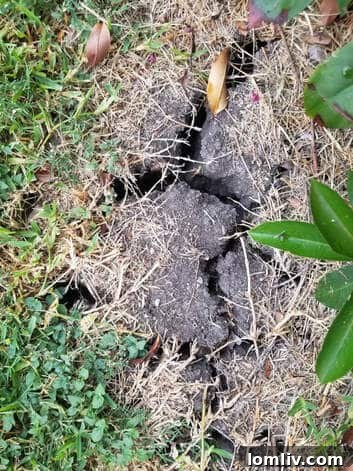
The prevalence of foundation problems in North Texas is primarily due to the region’s distinctive soil composition and extreme weather patterns. Our area is largely characterized by expansive clay soil, often referred to as “gumbo clay.” This type of soil is highly reactive to moisture changes – it swells significantly when wet and shrinks drastically when dry. This constant shrink-swell cycle exerts immense pressure and stress on a home’s foundation over time, leading to differential movement and ultimately, structural damage.
North Texas experiences distinct seasons, often swinging between periods of prolonged drought and intense, heavy rainfall. During extended dry spells, the clay soil desiccates and contracts, causing the foundation to settle unevenly. Conversely, during heavy rain events, the soil absorbs moisture, expands, and pushes upward, again creating uneven stress. This relentless push and pull can cause a foundation to crack, heave, or settle, compromising the integrity of the entire structure. Understanding this fundamental environmental factor is the first step in appreciating the critical importance of foundation inspections in our locale.
Recognizing the Red Flags: Signs of Foundation Movement
Foundation problems manifest in various ways, both inside and outside the house. Being able to identify these visual cues can empower you as a buyer and provide valuable insights before even engaging an inspector. It’s important to remember that while some minor issues might be cosmetic, a cluster of these signs often points to significant underlying foundation movement.
Interior Indicators of Foundation Distress
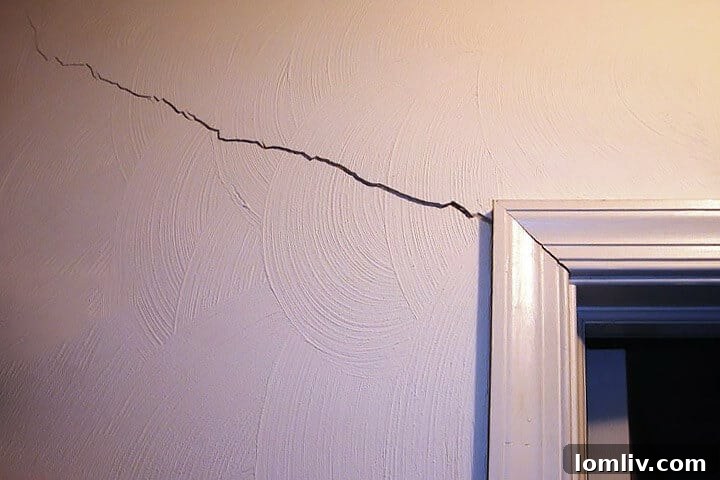
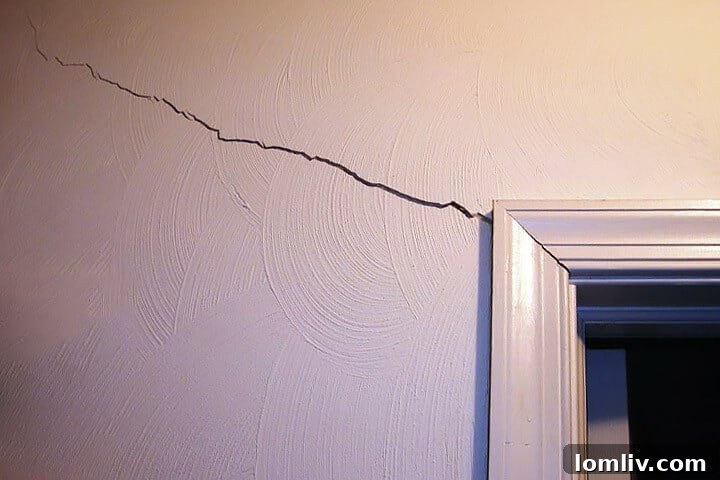
- Cracks in Drywall and Ceilings: While small hairline cracks can be normal with a house settling, cracks that are wide, diagonal, or extend from the corners of doors and windows towards the ceiling are often tell-tale signs of foundation stress. These cracks indicate that the frame of the house is distorting.
- Sloping or Uneven Floors: If you notice a noticeable slope or unevenness when walking across a room, or if a small ball rolls to one side, it suggests that the supporting structure beneath the floor is no longer level. This is a common consequence of foundation settlement or heaving.
- Doors and Windows Out of Alignment: Doors that stick or rub against the frame, or windows that don’t close or latch properly, can be a direct result of a racked foundation. Gaps between the door frame and the wall, especially at the top corners, are also red flags.
- Cracked Tile and Flooring: Rigid flooring materials like ceramic tile, stone, or even concrete can crack as the foundation shifts beneath them. Look for cracks that extend across multiple tiles or appear in unexpected places, as opposed to simple grout line cracks.
- Gaps Between Walls and Ceilings/Floors: In severe cases, foundation movement can cause noticeable gaps to appear where walls meet the ceiling or floor, indicating significant structural strain.
Exterior Indicators of Foundation Distress
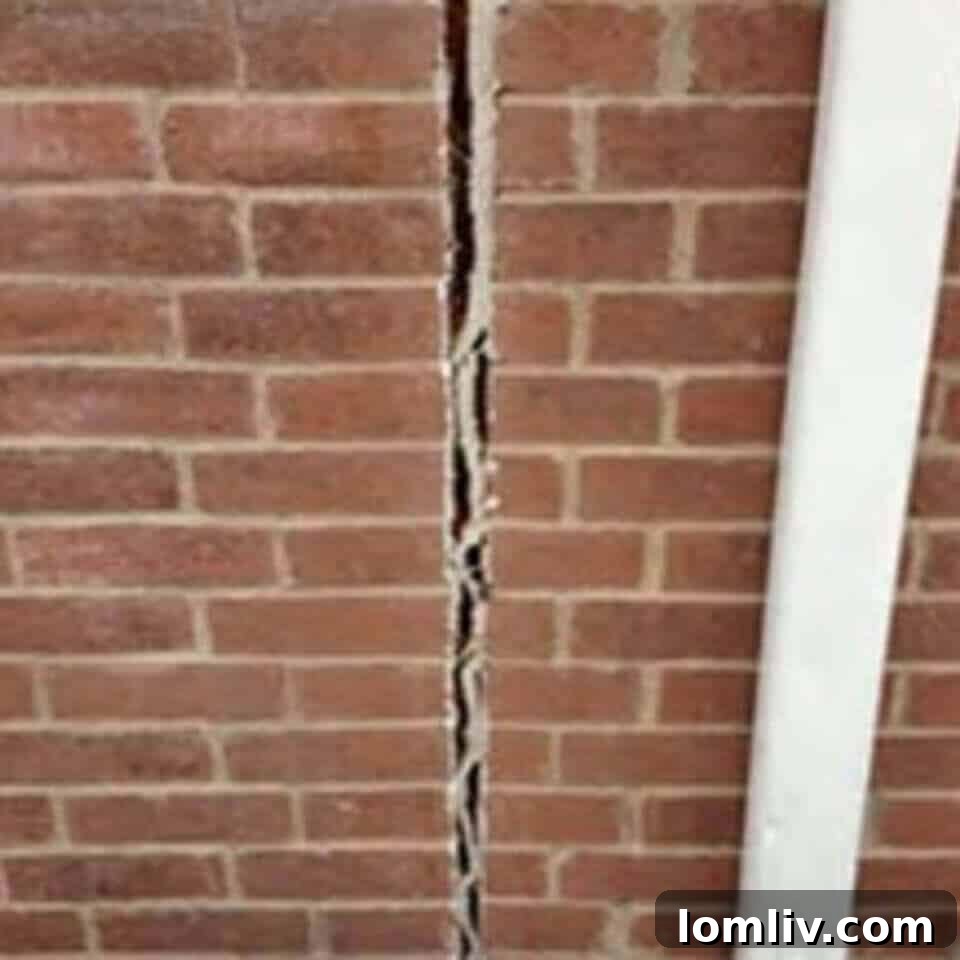
- Cracks in Bricks or Masonry: Inspect the exterior brick veneer for cracks. Stair-step cracks (following the mortar lines), horizontal cracks, or vertical cracks that are wide and continue through several courses of brick are strong indicators of foundation movement.
- Expansion Joint Separation: Expansion joints are designed to allow for natural movement between different sections of a home’s exterior. If these joints show significant separation or widening, it’s often a sign that the foundation itself is undergoing significant stress and movement.
- Window and Door Frame Separation: Similar to interior issues, gaps between exterior window and door frames and the surrounding brick or siding can signify that the foundation has shifted, distorting the openings.
- Frieze Board Separation: Frieze boards are decorative trim pieces located where the siding or brick meets the soffit. If these boards pull away from the house, it suggests movement in the roofline or walls, which can be linked to foundation issues.
- Brick/Slab Separation: A noticeable gap where the brick veneer meets the concrete foundation slab or grade beam is a clear indicator that the foundation is settling or shifting.
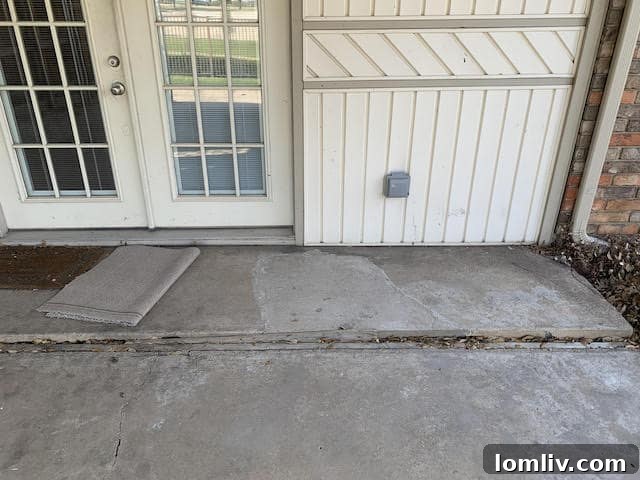
- Uneven Exterior Concrete: Cracks or unevenness in patios, driveways, or walkways immediately adjacent to the house can sometimes be tied to foundation movement, as these slabs often interact with the main foundation.
Digging Deeper: Beyond the Visible Signs
Sometimes, the signs of foundation issues aren’t immediately obvious, or they might be historical. A thorough inspection goes beyond just observing current visual cues to uncover deeper truths about the home’s structural history.
Investigating Previous Foundation Repairs
If your inspector finds evidence of previous foundation repairs, this is a critical discovery that warrants further investigation. Prior repair does not automatically mean the problem is solved permanently, nor does it guarantee it won’t reoccur. In older homes, it’s not uncommon to encounter “multiple generations” of foundation repair, indicating a persistent battle with the local soil conditions.
When prior repairs are identified, you should immediately request all relevant paperwork. This includes warranty information, engineering reports, and details about the scope of work performed. A structural engineer’s evaluation might be necessary, especially if the repairs were not recently completed or if there’s any doubt about their efficacy. Understanding the history of repairs helps you assess the long-term stability and potential future costs associated with the foundation.
“Flipped” Homes and Concealed Problems
The allure of a beautifully “flipped” home can be strong, but buyers must proceed with caution. Some property flippers prioritize aesthetic upgrades for quick sales, often neglecting or even intentionally covering up underlying structural problems. Look for signs that foundation issues might have been masked, such as suspiciously fresh paint patches over areas where cracks typically form, new mortar filling in exterior brick cracks, or new flooring laid over noticeably uneven subfloors.
An independent home inspection is absolutely vital when considering a flipped home. A skilled inspector can often spot these cover-ups and identify areas where cosmetic fixes might be hiding more significant, costly repairs. Don’t let a superficial makeover blind you to potential structural deficiencies that could lead to enormous expenses down the road.
Proactive Measures: The Crucial Role of Drainage
While some foundation issues stem from unavoidable soil dynamics, many problems are exacerbated, if not directly caused, by improper drainage around the home. Managing water effectively is paramount to preventing foundation distress.
Importance of Proper Grading and Slope
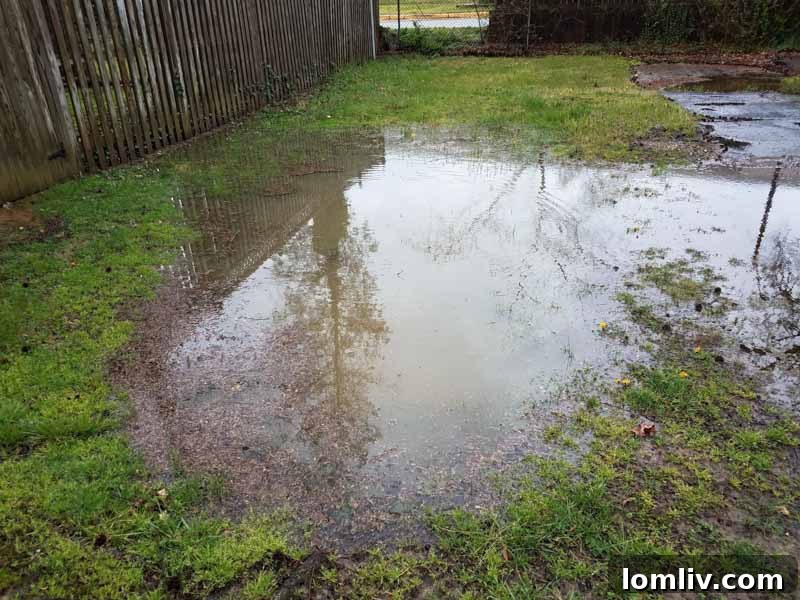
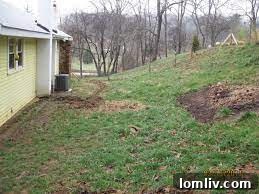
The ground immediately surrounding your home should always slope away from the foundation. This natural gradient ensures that rainwater is directed away from the house, preventing it from saturating the expansive clay soil directly beneath and around the foundation. If the ground slopes towards the house, or if it’s flat, water will pool, leading to excessive soil expansion and putting undue pressure on the foundation.
Surface Drains and French Drains
In cases where natural grading is insufficient or challenging to achieve, engineered drainage solutions become essential. A surface drain is designed to capture standing water on the surface and channel it away through an underground pipe system. A French drain, on the other hand, is a trench filled with gravel and a perforated pipe that redirects subsurface water away from the foundation. Both systems are highly effective at mitigating water intrusion and protecting your foundation, especially on properties with significant slopes or persistent water accumulation.
Gutter and Downspout Management
Perhaps one of the most common and easily rectifiable causes of foundation problems is improperly installed or maintained gutter and downspout systems. Our inspectors at Green Scene often observe more incorrectly installed downspouts than correct ones. It’s critical that your gutter downspout extends at least three feet, and ideally more, away from the foundation. This ensures that the significant volume of water collected by your roof is discharged a safe distance from your home’s structural base, preventing localized saturation and subsequent soil expansion or erosion. Simple extensions or splash blocks can make a huge difference in protecting your investment.
The Enduring Value of a Professional Home Inspection
In a fast-paced and competitive real estate market like North Texas, it’s easy to get swept up in the excitement and pressure of buying a home. However, losing sight of the bigger picture – that a home is a long-term investment – can lead to significant financial strain down the road. A professional home inspection is not merely a formality; it’s an indispensable tool for protecting your assets and ensuring peace of mind.
Expert inspectors, like those at Green Scene Home Inspections, possess the specialized knowledge and keen eye to identify both obvious and hidden structural issues, particularly those related to the foundation. By providing a comprehensive report, they empower you with crucial information that allows you to make an informed decision, budget for future maintenance or repairs, and potentially negotiate with the seller even in a tight market. Knowing the condition of the foundation, plumbing, electrical, HVAC, and roof before you buy prevents you from being blindsided by major, high-cost repairs post-purchase. Invest wisely, inspect thoroughly, and secure your home’s future.