The urban landscape of Dallas is undergoing a significant transformation, driven by a burgeoning population, evolving economic priorities, and a collective vision for a more sustainable and equitable future. In this dynamic environment, the city’s comprehensive land use plan, known as ForwardDallas, emerges as a critical framework guiding its development. While the idea of a manufacturing plant in one’s backyard might be an unwelcome prospect for most homeowners, countless Dallas residents possess valuable insights into the optimal utilization of the properties they encounter daily. Recognizing this invaluable community knowledge, city leaders are actively engaging with citizens across Dallas to ascertain their preferences and aspirations for urban development.
This ambitious undertaking involves an intensive, consultant-guided process aimed at thoroughly updating the comprehensive land use plan. Dubbed ForwardDallas, the initiative has recently advanced with a pivotal series of seven visioning workshops, which commenced on Wednesday, October 19th. This robust public engagement phase underscores the city’s commitment to collaborative planning, ensuring that the updated plan reflects the diverse needs and desires of its residents.
The last comprehensive review of ForwardDallas took place in 2006. As Julia Ryan, the Director of Planning and Urban Development, emphasizes, the city has experienced profound changes since then. Dallas has seen substantial growth in population, diversified its economic base, grappled with housing affordability challenges, and increasingly recognized the importance of environmental sustainability. These shifts necessitate a fresh perspective and a forward-looking strategy for land use.
Ryan articulates the core of the current phase, stating, “We’re really starting to get into the meat of ForwardDallas by looking at place types and future land use.” She explains that this involves a detailed examination of how different areas of the city should function and evolve. “We’re identifying and determining what those place types will look like. We’re taking them and spatially putting them on a map. We’re starting to work through existing land use with the public on what this means for their future.” This meticulous approach ensures that the plan is not merely theoretical but is grounded in the existing urban fabric while envisioning its optimal future configuration. Understanding and defining ‘place types’ — be they vibrant mixed-use corridors, serene residential neighborhoods, bustling commercial hubs, or vital green spaces — is fundamental to creating a cohesive and well-planned city. The process of mapping these proposed place types allows for a visual representation of the future Dallas, fostering a clearer understanding among stakeholders and residents.
Empowering Communities: Missing-Middle Housing and ADUs in Dallas’s Future
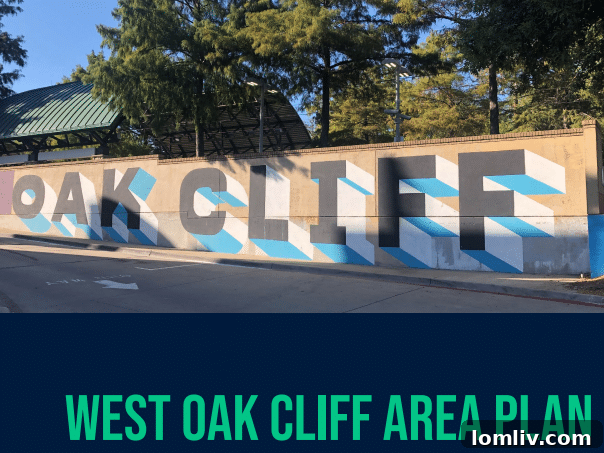
Dallas residents have consistently demonstrated an impressive depth of knowledge and passion regarding critical issues of zoning and land use. Their active participation in recent high-profile cases, such as the contentious Shoreline and Elm Thicket zoning battles, as well as their instrumental role in shaping the innovative West Oak Cliff Area Plan, highlight a proactive and engaged citizenry. Beyond broad policy, these residents have also voiced strong opinions on technical planning aspects like roof types, building height, and density—demonstrating a nuanced understanding of how these details impact their neighborhoods and the city’s overall character. This deep level of community involvement is a cornerstone of the ForwardDallas initiative.
Throughout the development of smaller, localized area plans and the navigation of complex zoning disputes, both elected and appointed officials have frequently referenced the overarching ForwardDallas plan. They view it as an essential tool for “drilling down” to determine the highest and best future land use for the entire city. This integrated approach ensures that decisions made at a localized level are consistent with, and contribute to, a broader, city-wide vision for growth and development.
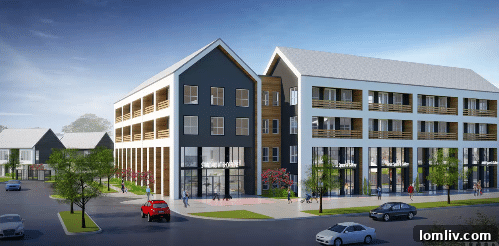
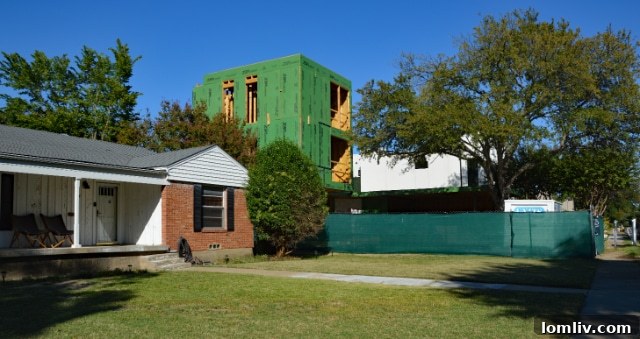
One critical concept that has gained significant traction, particularly during the West Oak Cliff Area Plan (WOCAP) discussions, is “missing-middle” housing. Brent Rubin, Vice Chair of the City Plan Commission, emphasized that while it was a key topic in WOCAP, it is an issue far better addressed on a large scale within the comprehensive framework of ForwardDallas. Missing-middle housing refers to a range of multi-family housing types, such as duplexes, triplexes, fourplexes, cottage courts, and townhouses, that are compatible in scale and form with single-family homes but offer a wider array of housing options. These types of housing historically formed the backbone of many walkable, traditional neighborhoods but became “missing” from many American cities’ development patterns due to restrictive zoning ordinances that primarily favored either detached single-family homes or large-scale apartment complexes. The benefits of missing-middle housing are manifold: it provides diverse, more affordable housing choices; promotes walkability and reduces reliance on cars; fosters sustainable community growth; and helps maintain the character of existing neighborhoods by integrating density more subtly than high-rise developments. These housing types are crucial for creating vibrant, mixed-income communities and are seen as a vital strategy to combat the ongoing housing availability and affordability crisis in Dallas.
Rubin further clarified the role of WOCAP in this context, stating, “I don’t think the intent was for [West Oak Cliff] to be the guinea pig for missing middle. It’s just that it’s a critical issue and it happened to come up while we’re still in the ForwardDallas process.” This highlights the urgency of the housing crisis and the ongoing relevance of these discussions. He expressed optimism about the path ahead, adding, “I look forward to continuing conversations about these very pressing issues related to housing availability, affordability, displacement, and gentrification that we are going to have to take a hard look at in the comp plan update.” Addressing these complex socio-economic challenges requires a robust, city-wide strategy, which ForwardDallas is designed to provide.
Architect and CPC Commissioner Tipton Housewright echoed this sentiment, expressing his hope that the ForwardDallas discussions would illuminate practical ways for the city to integrate missing-middle housing solutions into its “toolbox” of development strategies. This proactive inclusion would empower developers and homeowners alike to contribute to a more diverse and accessible housing market.
Housewright also underscored the significant importance of accessory dwelling units (ADUs) as a means to expand housing supply and gradually increase density within existing neighborhoods. ADUs, often referred to as granny flats, in-law suites, or backyard cottages, are secondary housing units on the same lot as a primary residence. Their potential benefits are substantial. “I think [ADUs have] real potential to slow gentrification through economic empowerment and the ability to have more extended families on the same piece of property,” Housewright explained. By providing opportunities for homeowners to generate rental income or accommodate family members, ADUs can offer financial stability and support multi-generational living arrangements, thereby strengthening communities and making them more resilient against rapid economic shifts. However, Housewright expressed concern about the current regulations. “I hope that we as a city can get behind a simpler and more generous application of ADUs. I feel like the ordinance we have right now is a little timid, a little tentative. It’s really not all-in on ADUs and what they could do for us.” A more streamlined permitting process, increased flexibility in size and placement, and clearer guidelines could unlock the full potential of ADUs to contribute significantly to Dallas’s housing solutions and empower its residents.
Shaping Dallas’s Future: ForwardDallas Visioning Workshops
The success of ForwardDallas hinges on robust public engagement and genuine community input. Recognizing this, Director Julia Ryan confirmed that the ongoing series of workshops are intensely focused on defining future land use and place types. These sessions are designed to be interactive platforms where residents can directly influence the vision for their neighborhoods and the city as a whole. Beyond land use, the workshops also incorporate critical discussions with transportation officials regarding the city’s proposed bicycling network. This integrated approach ensures that planning for housing and development is seamlessly aligned with infrastructure and mobility strategies, creating a more cohesive and accessible urban environment.
Ryan elaborated on the comprehensive nature of these discussions, stating, “It’s a planning process. We’re looking at the place types that we want in our vision for the future. We’re also coordinating with the transportation department on the bike plan.” This coordination is crucial for ensuring that Dallas develops as a truly integrated city, where housing, commerce, and mobility infrastructure are planned in concert, rather than in isolation. The workshops serve as a vital conduit for residents to articulate their vision for neighborhoods that are not only livable and affordable but also well-connected and environmentally conscious. Their input directly informs the spatial mapping process, ensuring that the physical layout of future Dallas reflects the community’s collective aspirations.
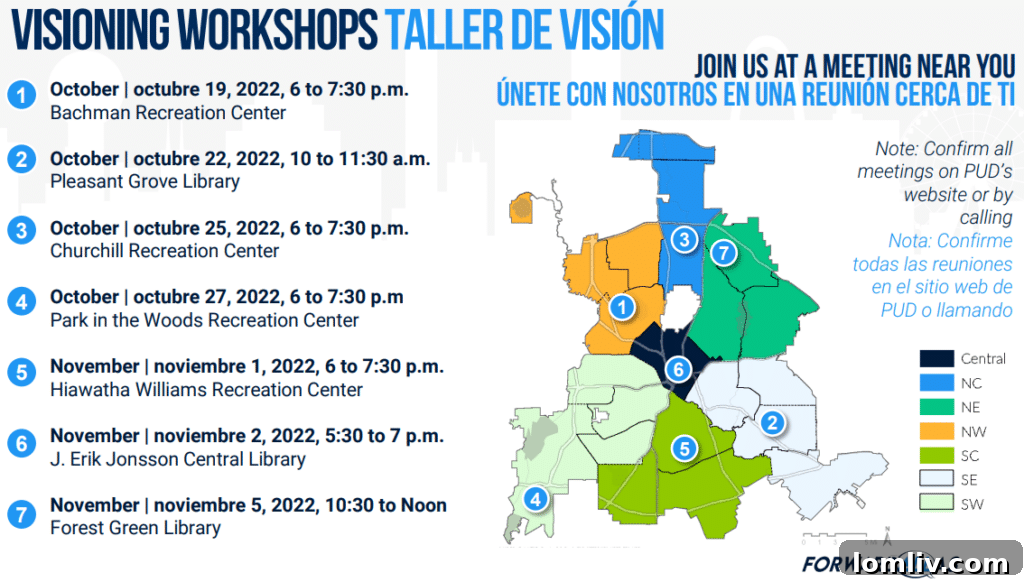
To ensure widespread participation and accessibility, a series of visioning workshops were strategically scheduled across various locations throughout the city. These workshops offered multiple opportunities for residents to engage directly with city planners and contribute their perspectives on the future of Dallas. The commitment to reaching diverse communities across the city reflects an understanding that truly comprehensive planning must be inclusive and representative of all voices. These sessions are instrumental in gathering a rich tapestry of ideas and concerns that will ultimately shape the final ForwardDallas plan.
- Oct. 19, from 6 to 7:30 p.m. at Bachman Recreation Center
- Oct. 22, from 10 to 11:30 a.m. at Pleasant Grove Library
- Oct. 25, from 6 to 7:30 p.m. at Churchill Recreation Center
- Oct. 27, from 6 to 7:30 p.m. at Park in the Woods Recreation Center
- Nov. 1, from 6 to 7:30 p.m. at Hiawatha Williams Recreation Center
- Nov. 2, from 5:30 to 7 p.m. at J. Erik Jonsson Central Library
- Nov. 5, from 10:30 a.m. to noon at Forest Green Library
Assistant City Manager Majed Al-Ghafry underscored the transformative potential of ForwardDallas, emphasizing its role in shifting the city’s planning department into a more proactive stance. Currently, Dallas faces significant challenges stemming from reactive planning; there are approximately 1,100 planned developments ongoing across the city, and a considerable queue of 17 neighborhoods awaiting authorized hearings for critical zoning changes. This backlog and reactive approach can lead to inefficiencies, community frustrations, and development patterns that may not fully align with the city’s long-term goals.
Al-Ghafry articulated the strategic shift: “The next stage of our land use and planning and zoning efforts will take place with ForwardDallas so we can combat those issues and be a lot more proactive.” This proactive approach means anticipating future needs and challenges, rather than merely responding to present demands. By establishing clear guidelines, defining place types, and integrating community input from the outset, ForwardDallas aims to streamline development processes, mitigate potential conflicts, and foster sustainable, equitable growth. This strategic foresight will enable Dallas to better manage its growth, address housing needs more effectively, and ensure that urban development consistently serves the best interests of its residents and the city’s future prosperity. It represents a commitment to building a Dallas that is thoughtfully planned, resilient, and reflective of the collective vision of its diverse communities for generations to come.