Navigating Dallas’s Urban Landscape: The Resurgence of PD-15 Zoning Discussions
In a development that signals a renewed commitment to community-driven urban planning, the long-standing challenges surrounding Dallas’s PD-15 zoning are once again at the forefront of local discourse. After a period of stagnation last autumn, marked by seemingly irreconcilable differences among stakeholders, the neighborhood has reconvened for a fresh round of discussions. This latest effort, however, is significantly different, promising a more structured and productive path forward for the area’s development. Two pivotal changes distinguish this new iteration: first, the City of Dallas has taken on a guiding role, ensuring that all information presented is accurate and that a decorous environment is maintained throughout the proceedings. Second, and perhaps most crucially, the current committee has been carefully curated, intentionally excluding some of the more contentious voices that previously hindered progress. This strategic adjustment aims to foster a more balanced conversation, ultimately leading to a more equitable and sustainable outcome for the entire neighborhood.
A Fresh Start for PD-15: City-Led Dialogue for Sustainable Development
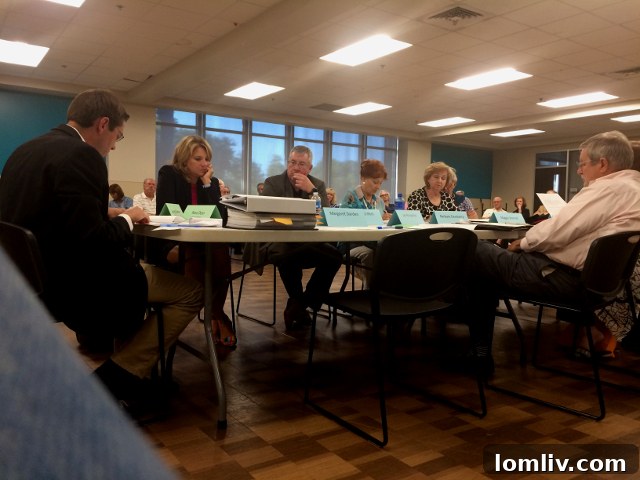
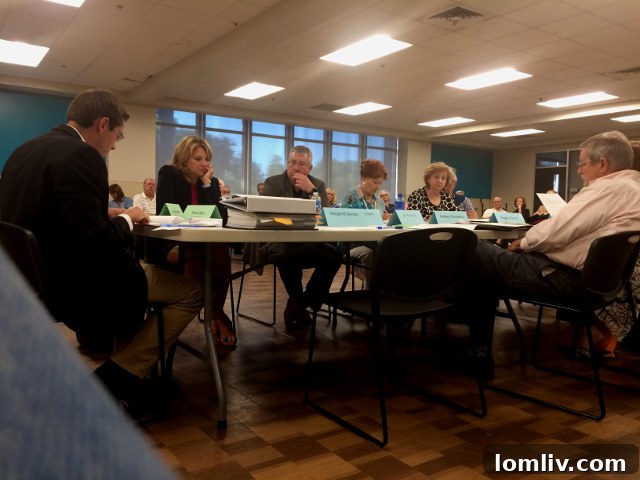
The initial meeting of this revamped PD-15 committee, while not immediately groundbreaking, laid a vital foundation for future discussions. Far from being a heated debate, the session was characterized by a meticulous review of the PD-15 area’s current conditions and a detailed exploration of the historical factors that have shaped its development over the years. Planners from the City’s Sustainable Development office expertly guided the discussion, providing comprehensive insights into the evolution of the district. Council member Jennifer Gates was also present, offering invaluable advice on complex city processes and sharing her extensive experience with some of the core concepts under discussion. Her presence underscored the city’s dedication to supporting the committee’s work and ensuring its recommendations align with broader urban planning goals.
Importantly, this initial gathering also served to dispel a significant misconception that had circulated within certain segments of the community. Rumors had been actively propagated by an “anti-authorized hearing camp,” suggesting that the city intended to unveil an aggressive, large-scale development plan designed to compel the committee into swift approval. The reality, however, proved to be quite different. The meeting demonstrated a measured and transparent approach, effectively deflating these baseless claims and reinforcing the city’s commitment to a fair and open process. The atmosphere shifted from one of apprehension to a more collaborative and informed engagement, setting a positive precedent for the upcoming sessions.
The Legacy of PD-15: Interpreting Outdated Zoning Regulations
A central challenge in the PD-15 discussions stems from the age and inherent imprecision of the original zoning documents themselves. Senior Planner Andrew Ruegg meticulously walked the committee through these foundational texts, which consist of a mere four pages of text and two diagrams. He highlighted the city’s ongoing task of interpreting these contents, a necessity born from their somewhat ambiguous nature when compared to contemporary zoning documentation standards. It stands to reason that the “15th” iteration of any planning document, developed decades ago, would possess less clarity and detail than the “1,000th” or later versions. Today, Dallas boasts nearly a thousand distinct Planned Development (PD) districts, each reflecting modern planning principles and more rigorous specification requirements.
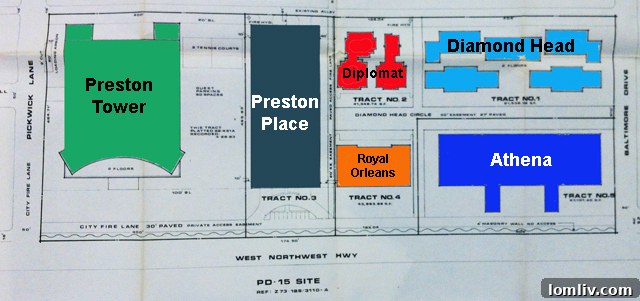
The questions posed by committee members during this session were precisely what one would expect from a group earnestly dedicated to its responsibilities. Their inquiries delved into critical distinctions, such as the difference between a major and minor amendment to the PD. A minor amendment, as illustrated by a 2010 instance where Preston Tower repurposed its second tennis court for additional parking, does not necessitate approval from the Plan Commission or the City Council. These smaller adjustments are often administrative or involve minimal impact on the overall character of the district. Conversely, major amendments – those that propose significant alterations to building footprints, heights, or fundamental land uses – require the full scrutiny and approval of the city’s governing bodies. It is precisely these types of major amendments that have brought the committee back to the table, emphasizing the profound implications of their decisions.
Key Discussion Points: Amendments, The Pink Wall, and Permissible Uses
Beyond the technicalities of amendments, the committee tackled specific, highly localized issues that resonate deeply within the community. One such topic was the potential for altering the iconic “Pink Wall” itself. Before any swift conclusions were drawn, it’s important to acknowledge the physical realities. The wall’s foundations, particularly along its exterior, are visibly elevated above the road bed. This architectural characteristic suggests that future improvements or stability considerations might indeed necessitate changes to the wall’s structure, regardless of its symbolic status. Such a prospect, naturally, stirs strong emotions among residents who view the Pink Wall as an integral part of the neighborhood’s identity and charm.
The city’s representatives initially did not have an immediate, definitive answer regarding the wall’s alterability, underscoring the complexity of the issue. However, historical investigations reveal critical distinctions. The section of the Pink Wall stretching west from Pickwick Lane to The Laurel is often protected by specific deed restrictions tied to the underlying parcels. As prior research indicated, The Laurel was able to modify its section precisely because its specific lots were not subject to these same restrictive covenants. In contrast, the segment of the wall from Preston Tower to the Athena lacks this separate layer of protection, as it resides on land owned by the buildings fronting Northwest Highway, whose property lines extend directly to the highway. Understanding these nuanced legal and property ownership details is crucial for any potential future decisions regarding the wall.
Another significant point of discussion centered on permissible land uses within the PD-15 area. It was highlighted that the original PD document specified particular uses for the commercial condominium units situated on the first two floors of Preston Tower. This revelation sparked a broader debate about the appropriateness of allowing mixed-uses, particularly commercial establishments, on the ground floor of residential buildings within the district. Few members seemed enthused by the idea, and the representative from Preston Tower offered a practical perspective: businesses such as a café or coffee shop, which were suggested as potential mixed-use options, had been attempted in the past. These ventures ultimately failed due to insufficient foot and vehicular traffic to sustain their operations. This historical context provides valuable insight into the unique commercial viability challenges faced by businesses in this predominantly residential area.
Indeed, a look further back into the area’s history reveals that Preston Tower once hosted a grocery store, a pharmacy, and even a supper club known as Chez Arthur on its eastern end, alongside a 7-Eleven convenience store on its western flank. While these establishments once served the community, their eventual disappearance underscores the inherent difficulties of sustaining independent commercial enterprises within a high-density residential district that may lack the consistent external customer base typically required for such businesses to thrive. This reinforces the argument that a standalone café, without broader supporting infrastructure or a significant influx of non-resident patrons, is unlikely to achieve long-term success.
Charting the Path Forward: From Committee to City Council
For those community members who could not attend the initial session, understanding the procedural roadmap for the PD-15 committee is essential. The committee is scheduled to meet as needed, with five meetings currently slated, though more may be required depending on the depth and complexity of the issues. Once the committee has thoroughly deliberated and formulated its conclusions, it will present a consolidated set of recommendations to the neighborhood at a separate, dedicated public meeting. This step ensures that the community has a clear understanding of the proposed changes and an opportunity to provide further feedback.
Should these recommendations garner sufficient community support, often referred to as “peachiness” in local parlance, they will then advance to City Hall. There, the proposals will undergo a rigorous review process by both the Plan Commission and the City Council, who will ultimately vote to approve or deny them. Council member Gates provided a realistic timeline for this intricate journey, indicating that the entire process, from the committee’s initial convening to final city approval, could span approximately six months. This extended timeline underscores the meticulous and multi-layered approach required for significant zoning changes, ensuring thorough consideration at every stage.
Transparency is a cornerstone of this renewed effort. All committee sessions are being recorded, and these recordings, along with comprehensive summaries of each meeting, will be made publicly available online. This commitment to openness allows all interested residents to stay fully informed, even if they cannot attend every session in person. Alongside the meeting materials, additional resources can be accessed on the websites of both the Sustainable Development department and Council member Gates, providing a centralized hub for all pertinent information related to PD-15.
Stay Informed: Essential Resources and Upcoming Meetings
For residents and stakeholders committed to staying abreast of the evolving PD-15 situation, several key online resources offer comprehensive information and updates:
- For articles and ongoing coverage related to PD-15 from a local real estate perspective, visit: https://daltxrealestate.com/tag/pd-15/
- Council member Gates’ official website, providing updates and information pertinent to her district and the PD-15 zoning discussions, can be found at: http://dallascityhall.com/government/citycouncil/district13/Pages/PD-15-Zoning.aspx
- The Sustainable Development department’s dedicated PD-15 website offers official documents, meeting summaries, and recordings: http://dallascityhall.com/departments/sustainabledevelopment/planning/Pages/pdd15.aspx
The next vital committee meeting is scheduled for July 11th at 6 PM, and it will be held at the Walnut Hill Recreation Center. You can find the location on a map here: map. Your participation and engagement are crucial to shaping the future of the PD-15 district.

Connecting with the Author: Expertise in Real Estate and Urban Development
As a dedicated observer and commentator on the Dallas real estate landscape, my focus consistently revolves around high-rises, homeowners associations (HOAs), and property renovation projects. However, my passion extends beyond these core areas to encompass the intricate balance between modern and historical architecture, often viewed through the lens of the dynamic YIMBY (Yes In My Backyard) movement, which advocates for greater housing density and development. My commitment to insightful and well-researched writing has been recognized by industry peers; in 2016, 2017, and 2018, the National Association of Real Estate Editors honored my work with three Bronze awards for articles that delved into diverse topics such as housing styles, property taxes, and a significant neighborhood event.
Furthermore, my analytical depth and storytelling prowess were acknowledged with two Silver awards in 2016 and 2017 for pieces published on external platforms, exploring fascinating subjects like international second homes and unique real estate markets. These accolades reflect a dedication to not just reporting on real estate, but exploring its broader societal and urban implications. If you have a compelling story to share, a perspective to offer, or even a whimsical marriage proposal, I encourage you to reach out via email at [email protected]. While I maintain a somewhat elusive online presence on platforms like Facebook and Twitter, you are certainly welcome to try and find me. Your insights and stories contribute invaluable context to the ever-evolving narrative of our urban environment.