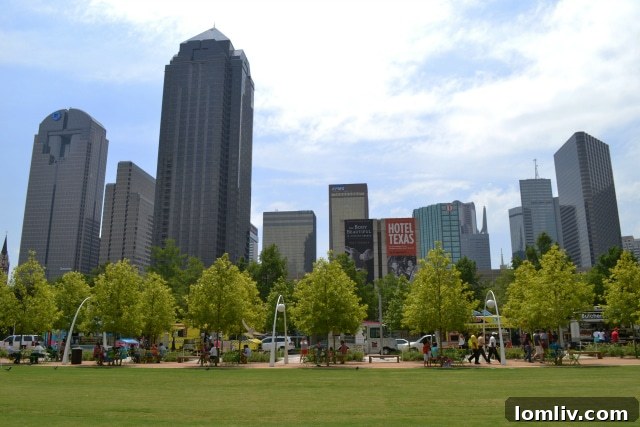
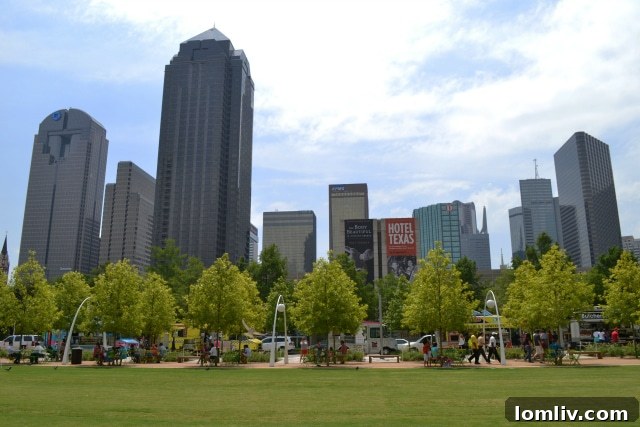
Downtown Dallas is experiencing an unprecedented resurgence, solidifying its reputation as a vibrant, dynamic urban core. What was once primarily a commercial hub is rapidly transforming into a multi-dimensional live, work, and play environment, attracting new residents, businesses, and visitors alike. The momentum built over recent years indicates that this period marks a significant turning point, promising continued growth and innovation for the heart of the city.
This remarkable transformation was a central theme at a recent panel discussion sponsored by the Dallas Business Journal, bringing together leading advocates, urban planners, and real estate experts. Their candid insights painted a vivid picture of past successes, critical lessons learned, and an optimistic outlook for the future trajectory of urban development in Downtown Dallas. The consensus was clear: the area has reached a new level of permanency and an enduring urban lifestyle continues to captivate interest.
The Heartbeat of Dallas: A Permanent Urban Lifestyle Emerges
Moderated by John Crawford, President and CEO of Downtown Dallas Inc., a pivotal advocacy group dedicated to the revitalization of the district, the panel highlighted the distinct spirit and energy now palpable throughout Downtown Dallas. Crawford underscored a critical achievement: the area has moved beyond mere revitalization projects to establish a sense of enduring permanency. This isn’t just about new buildings; it’s about fostering a sustainable, thriving community.
The residential sector, in particular, showcases this robust growth. Downtown Dallas boasts an impressive 94 percent occupancy rate across all converted buildings and new constructions. Such high demand is a testament to the allure of city living. The panel revealed staggering figures for future development, with estimates ranging between 6,000 and 8,000 residential units projected for construction between 2015 and 2017 alone. This surge in housing options caters to a diverse population eager to embrace the convenience, culture, and connectivity of downtown life.
Key Insights from Industry Leaders
The esteemed panel comprised figures instrumental in shaping Dallas’s urban landscape. These included:
- Theresa O’Donnell: Chief Planning Officer for the City of Dallas, providing strategic vision and regulatory guidance.
- Yogi Patil: An Associate at HKS Architects Inc., offering architectural and design perspectives on sustainable urban structures.
- Steve Shepherd: Representing the Downtown Residents Council, advocating for the interests and experiences of the burgeoning residential community.
- Michael Tregoning: President of Headington Company, a major real estate developer with significant investments in the downtown core.
These experts collectively addressed a sold-out crowd at The Joule Hotel, a landmark property itself, further symbolizing the luxury and growth in the area. Their discussions illuminated the multifaceted aspects of Downtown Dallas’s evolution, from economic indicators to social dynamics.
Beyond Commerce: A Multi-Dimensional Urban Hub
Historically, Downtown Dallas has been recognized as a formidable commercial office center. While it steadfastly retains its status as the largest office center in North Texas, Crawford emphasized its evolution into something far grander. “We have now moved from that one-dimensional commercial office center to being a multi-dimensional live, work, and play urban environment, along with becoming an incubator for innovation,” he stated. This shift signifies a holistic approach to urban planning, where economic prosperity is intertwined with quality of life and cultural richness.
The economic vitality underpinning this transformation is undeniable. Downtown Dallas emerged as the largest employment center in North Texas, adding a remarkable 441,000 jobs between November 2013 and November 2014. This significant job growth naturally fuels demand for urban housing, a trend clearly reflected in the real estate market.
A Booming Residential Market and the Call for Affordability
The DFW area experienced a national lead in apartment rentals, a milestone where Downtown Dallas played a crucial role. Vacancy rates plummeted to a 13-year low, dipping below 5 percent, while rents continued their upward trajectory. For developers, this represents a healthy, thriving market. However, Crawford acknowledged the flip side of this success: “Most of the residential as it stands now is probably pointed toward the high end of the market, whether it’s Museum Tower or rentals. We need to have more workforce housing because they can’t afford $1.75 to $2 a square foot or higher.”
The need for affordable and workforce housing is a critical challenge in any rapidly developing urban center. Ensuring a diverse range of housing options is essential for fostering a truly inclusive and sustainable community, allowing essential service providers, artists, and young professionals to remain part of the urban fabric. This nuanced discussion highlights the city’s commitment not just to growth, but to equitable growth.
Unprecedented Population Growth and District Transformation
The demographic shifts in Downtown Dallas are nothing short of radical. The population of the Central Business District (CBD), or urban core, was projected to reach 33,139 residents in 2015, with an astonishing forecast of 59,337 residents by 2030. To put this in perspective, the CBD housed a mere 14,654 residents in 2000. This exponential growth is reshaping every aspect of urban life, from infrastructure to cultural amenities.
This widespread transformation extends across all 15 distinct districts that collectively form the greater downtown area. Iconic neighborhoods like Victory Park, known for its modern entertainment venues; the Design District, a hub of creativity and showrooms; Deep Ellum, with its historic music scene and vibrant nightlife; and the charming, historic West End are all experiencing renewed energy and development. Crawford’s projections indicate a monumental future, with an estimated 50,000 residential units expected to be under construction in the larger downtown area by 2017, a figure that promises to catalyze even further development and solidify Dallas’s status as a major metropolitan draw.
Commercial Expansion and Key Investments
The commercial real estate sector in Downtown Dallas also reflects this robust growth. In 2014 alone, commercial renewals, expansions, and relocations added approximately 1.6 million square feet to the downtown real estate inventory. This surge includes significant projects such as the $100 million renovation of Thanksgiving Tower, which not only revitalized an iconic skyscraper but also introduced 16,000 square feet of dynamic retail space on its ground floor, breathing new life into street-level activity.
Dallas energy and real estate firm Headington Cos. is a prominent player in this growth narrative. Owning properties like The Joule Hotel and various establishments along Main Street and throughout downtown, their commitment is evident. Michael Tregoning of Headington Cos. conveyed his company’s enthusiasm for the urban core, calling it a “boon” for their business. He reiterated their sustained interest in future development, citing examples such as the acquisition of the 12-story parking garage at Ross Avenue and Griffin Street, with preliminary plans for a transformative mixed-use development. Such strategic investments underscore the confidence major developers place in the long-term potential of Downtown Dallas, with Tregoning remarking, “This kind of downtown environment is the only one we have. We’ll continue that path until there’s nothing left that we can see that we’d be good at doing.”
Crafting a Compelling Urban Experience: Engaging Residents and Visitors
A crucial discussion point during the panel revolved around strategies to engage current and future residents, pedestrians, and customers, ensuring they remain deeply connected to the ongoing changes in downtown. Michael Tregoning emphasized the paramount importance of making the area not just livable, but truly compelling.
The initiatives to achieve this are numerous and impactful. The culinary and hospitality scenes are flourishing, with plans for ten new hotels and approximately 30 new restaurants slated to open within a mere 12 months. These additions not only cater to a growing resident base but also attract tourists and business travelers, enhancing Downtown Dallas’s reputation as a destination. Furthermore, the district is slated to host an impressive 600 events this year, ranging from cultural festivals and art installations to live music performances and community gatherings. These events activate public spaces, foster a sense of community, and provide diverse entertainment options, all contributing to a vibrant urban tapestry.
As John Crawford eloquently concluded, “It’s not just any one thing, it’s a culmination of many different things that are all coming together in a connected way that’s making the difference in downtown.” This holistic approach, combining thoughtful urban planning, significant real estate investment, cultural programming, and community engagement, is driving the remarkable renaissance of Downtown Dallas. It is a city in motion, continuously exploring new opportunities and shaping its future as a premier urban destination, truly making it a world of opportunity for all who experience it.