The Evolving Footprint: Understanding Trends in New Home Sizes Across America
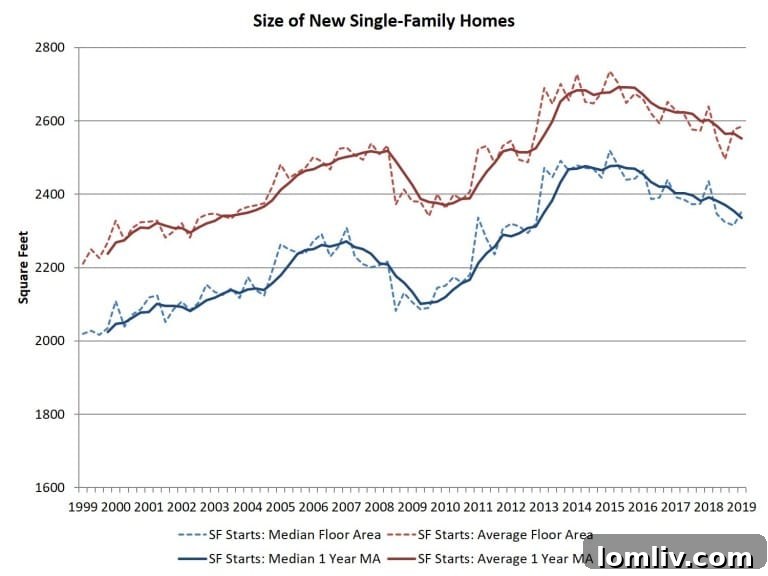
The American housing market is a dynamic entity, constantly responding to economic shifts, demographic changes, and evolving consumer preferences. While discussions often revolve around mortgage rates and housing inventory, a more subtle yet profound trend has been gaining attention: the fluctuating size of new single-family homes. A revealing observation from the National Association of Home Builders (NAHB) recently underscored this phenomenon, noting that despite a modest uptick in median new home floor area in the first quarter of 2019, the broader trend, as indicated by the one-year moving average, points to a consistent decline in size since its peak in 2015.
Median new single-family home floor area ticked up to 2,355 sq. ft. in Q1 2019 from 2,316 in the previous quarter. But the less volatile one-year moving average still shows a steady decline in new home size since a peak in 2015. https://t.co/J7g7GiXpkm #homedesign
— NAHB (@NAHBhome) May 21, 2019
This nuanced shift in home dimensions is more than just a statistical blip; it reflects significant undercurrents shaping the entire residential construction landscape. From the implications for housing affordability to the architectural adaptations by builders, understanding why “size matters” and why it’s changing is crucial for anyone involved in or impacted by the real estate market.
Deciphering the Housing Cycle: Why Home Sizes Fluctuate
Robert Dietz, the chief economist for NAHB, offers a clear explanation of the cyclical nature of home sizes. He points out that home dimensions are often a mirror of economic health. Typically, the size of new homes tends to shrink during and immediately preceding economic recessions, as consumers tighten their belts and prioritize more budget-friendly options. Conversely, as the economy begins to recover, home sizes generally expand.
Dietz articulates this pattern: “Typical new home size falls prior to and during a recession as home buyers tighten budgets, and then sizes rise as high-end homebuyers, who face fewer credit constraints, return to the housing market in relatively greater proportions.” This predictable pattern is driven by the demographics of buyers who are most able to re-enter the market first after an economic downturn. Wealthier buyers, often less impacted by credit restrictions, tend to lead the recovery, seeking larger, more customized homes. This influx of demand for expansive properties inflates the average new home size during the initial recovery phase.
The Post-Recession Boom and the Affordability Conundrum
The most recent post-recession period saw this “supersizing” trend amplified, particularly as the market struggled with an affordability crisis. First-time homebuyers, who are typically in the market for smaller, more attainable properties, faced significant hurdles. Their ability to purchase homes was severely constrained by a combination of factors that drove housing prices relentlessly upward:
- Soaring Supply Costs: The price of raw materials and components necessary for construction escalated significantly.
- Prohibitive Land Prices: Available and developable land, especially in high-demand urban and suburban areas, became increasingly expensive.
- Skilled Labor Shortages: A persistent lack of skilled construction workers led to higher labor costs and prolonged building timelines, adding to the overall expense of new homes.
These challenges effectively priced many entry-level buyers out of the market, leaving a disproportionate share of new construction to higher-income buyers who could afford the larger, more expensive homes. This dynamic artificially inflated the average home size during the recovery. However, Dietz’s analysis indicates a new phase: “But current declines in size indicate that this part of the cycle has ended, and size will trend lower as builders add more entry-level homes into inventory and the custom market levels off.” This suggests a market correction, where builders are increasingly pivoting to address the demand for more affordable, smaller homes, recognizing the saturation of the high-end custom market.
Beyond Economics: Demographics, Lifestyle, and Sustainability
While economic cycles are primary drivers, several other significant factors are contributing to the nationwide trend toward smaller single-family homes:
- Shifting Demographics: The average household size is decreasing. More single-person households, couples without children, and empty-nesters are seeking smaller, more manageable living spaces, making large homes less universally appealing.
- The Quest for Affordability: With stagnant wage growth for many and continuously rising housing costs, smaller homes represent a more realistic path to homeownership, especially for millennials and younger generations.
- Environmental Consciousness: Smaller homes typically have a reduced environmental footprint, requiring less energy for heating and cooling, and utilizing fewer building materials. This aligns with a growing desire for sustainable and energy-efficient living.
- Prioritizing Experiences Over Space: Many modern buyers, particularly those living in or near urban centers, prefer to spend less on housing and more on experiences, travel, or leisure. A smaller home often means lower property taxes, insurance, and utility bills, freeing up disposable income.
- Low-Maintenance Lifestyles: Smaller homes translate to less time spent on cleaning, maintenance, and yard work. This appeals to busy professionals, retirees, and anyone seeking a simpler, more efficient lifestyle.
Dallas-Fort Worth: A Bellwether for Regional Shifts
The Dallas-Fort Worth (DFW) metroplex serves as an excellent regional example of these national trends. For years, DFW experienced a boom in larger new construction, mirroring the “supersizing” effect seen nationally during the post-recession recovery. A casual survey of newly built single-family homes in Dallas during that period often revealed expansive properties averaging around 2,800 square feet, indicative of the region’s robust economic growth and desirability for higher-income earners.
However, it’s crucial to distinguish between the size of new homes and the overall average size of all single-family homes in an area. A 2018 LendingTree report on home sizes highlighted that the average size for *all* single-family homes in Dallas was closer to 1,862 square feet. This figure includes older, often smaller homes, showcasing the significant impact that a few years of large-scale, new construction can have on average statistics.
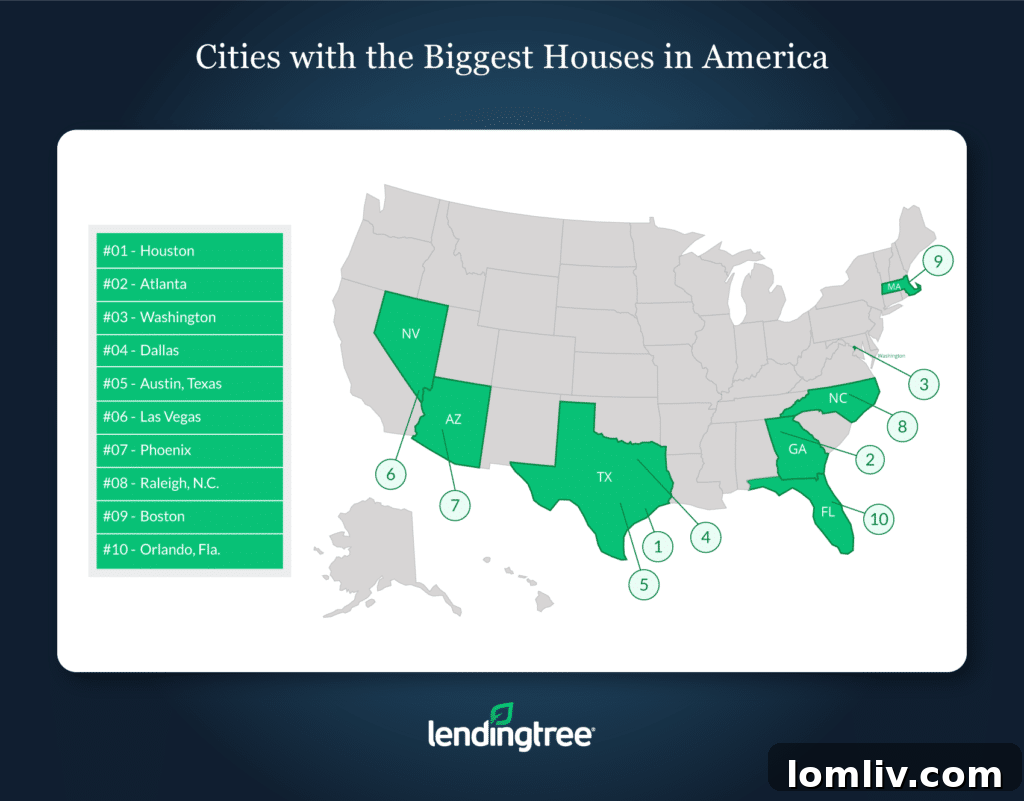
The pressing question now for the DFW real estate market is whether new single-family construction will consistently pivot towards a smaller footprint, aligning with the broader national movement. While the market is in a transitional phase, early indications from innovative builders suggest that this shift is not only possible but already underway.
Builders Adapting: Meeting Demand with Attainable Homes
In response to these changing market dynamics, forward-thinking homebuilders are strategically adjusting their offerings to cater to the growing demand for more affordable, right-sized homes. Lennar, a prominent national builder, exemplifies this adaptability with developments like their Trinity Crossing 40 community in Forney, a thriving suburb east of Dallas-Fort Worth.
Trinity Crossing 40 offers new homes within an attractive price range, from the $149,990s to $206,990s, with floor plans spanning 1,004 to 1,950 square feet. This pricing and sizing strategy stands in stark contrast to the larger, more expensive new construction prevalent in DFW just a few years prior. Such communities are meticulously designed to appeal to entry-level buyers, young families, and individuals seeking modern amenities and the pride of new homeownership without the prohibitive costs associated with larger properties.
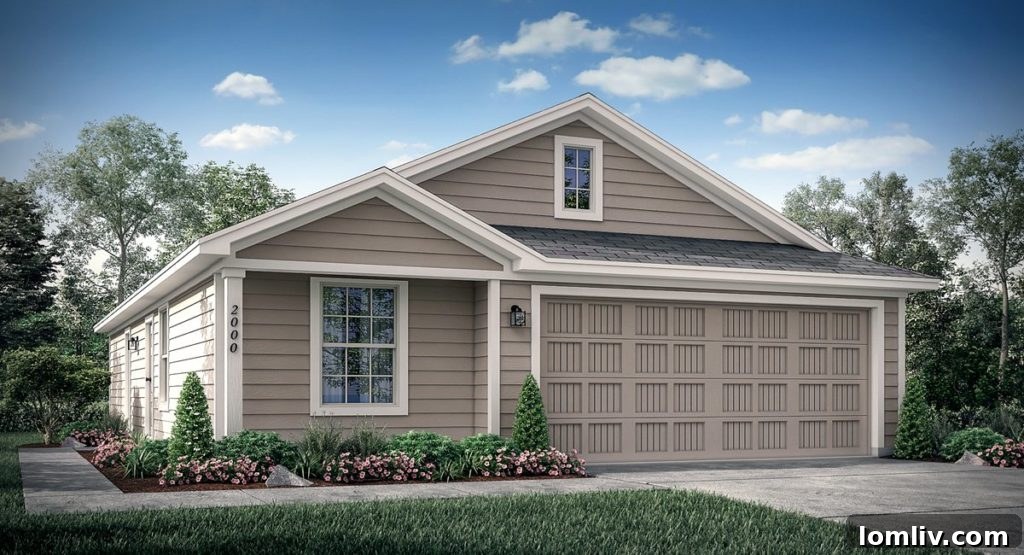
The success of these types of developments underscores a critical market demand. Builders are focusing on efficient layouts, open-concept living spaces, and smart storage solutions to maximize the utility and appeal of smaller square footages. This approach not only provides a tangible solution to the ongoing housing affordability challenge but also resonates with a demographic increasingly prioritizing functionality, efficiency, and a simplified lifestyle.
The Future of Homeownership: Embracing Thoughtful Design and Affordability
The trend towards more compact and thoughtfully designed homes is likely to be a sustained one, reflecting a fundamental re-evaluation of housing needs and desires across the nation. As urban and suburban land becomes scarcer, construction costs continue to be a factor, and environmental sustainability gains prominence, the concept of the “right-sized” home will only grow in importance.
This paradigm shift encourages architects and builders to innovate, creating spaces that are not just smaller, but smarter. We can anticipate more multi-functional rooms, integrated smart home technology, and seamless transitions between indoor and outdoor living areas. Furthermore, this trend has broader implications for urban planning, advocating for higher density, mixed-use developments, and greater emphasis on community amenities over individual property size.
While the aspiration for large homes will undoubtedly persist for a segment of the population, current market data and builder responses clearly indicate a powerful and enduring move towards more efficient, sustainable, and accessible housing options. This evolution in home size is a positive development, helping to ensure that the dream of homeownership remains attainable for a wider spectrum of individuals and families, including those navigating the dynamic and competitive real estate markets like Dallas-Fort Worth.