

The pursuit of sustainable and accessible affordable housing remains a critical challenge for major metropolitan areas across the United States. While many cities grapple with soaring housing costs and the displacement of long-term residents, innovative models are emerging as potential solutions. Houston, for instance, once championed its Community Land Trust (CLT) program as a groundbreaking initiative designed to position the city as a national leader in providing long-term affordable homes. However, a comprehensive report in the Texas Tribune last month revealed that this ambitious plan ultimately fell short. Key factors cited in its struggles included significant funding reductions, pervasive bureaucratic obstacles, and a general loss of momentum.

In stark contrast to Houston’s experience, Dallas is forging its own path with a meticulously planned and community-driven approach to establishing a robust Community Land Trust ecosystem. This strategic initiative is being spearheaded by influential figures such as Linda McMahon, President and CEO of The Real Estate Council (TREC), who is leading the charge with a clear vision and a commitment to collaborative development.
McMahon and TREC have taken proactive steps, including partnering with Grounded Solutions, a highly respected national authority on Community Land Trusts. This partnership is instrumental in guiding the planning and subsequent establishment of a crucial “backbone organization” specifically designed to provide robust support for the CLT housing model in Dallas. Initial informational meetings have already been conducted, revealing a promising level of local interest and engagement, signaling a readiness within the community to embrace this innovative housing solution.
According to McMahon, speaking to daltxrealrealestate.com, the essential foundational infrastructure for Dallas’s CLTs is now firmly in place. The success and sustained growth of this initiative, she emphasizes, now largely hinge on active community participation and support. Detailed eligibility criteria and a comprehensive step-by-step application process for prospective homeowners are readily available under the dedicated CLT tab on the dallashousingpolicy.com website, making the process transparent and accessible for all interested parties.
Understanding the Community Land Trust Model: A Foundation for Affordable Homeownership
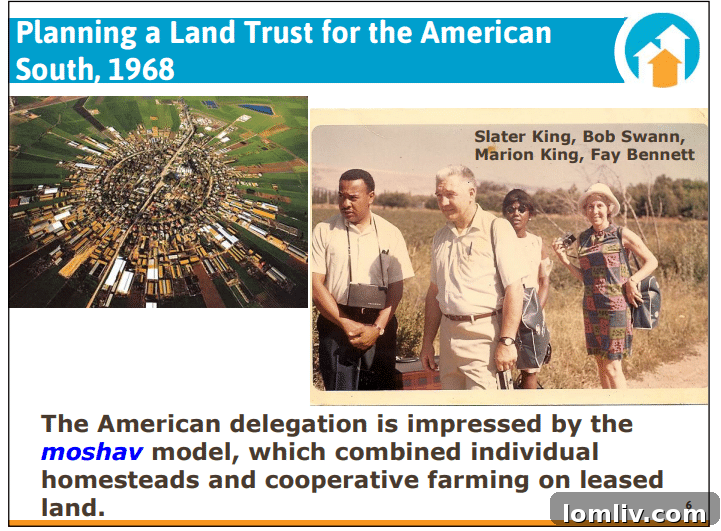
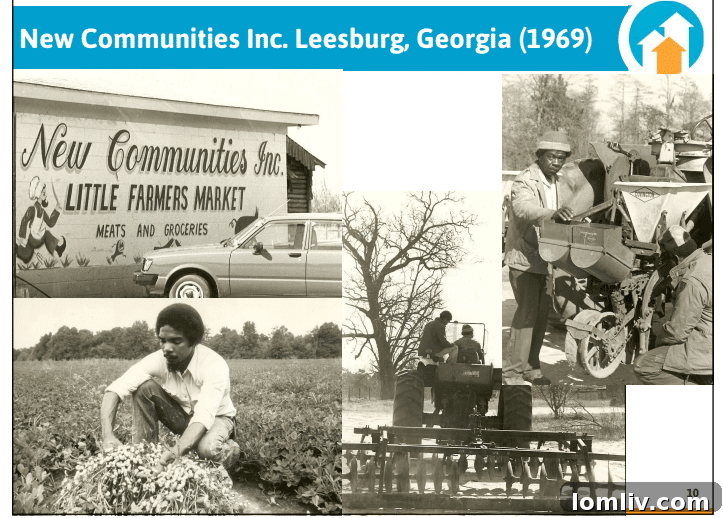
Community Land Trusts represent a powerful and enduring model for creating and preserving affordable housing, fundamentally altering the traditional dynamics of homeownership. There are currently over 225 active Community Land Trusts operating successfully across the U.S., each contributing to a more equitable housing landscape. The conceptualization of the CLT model itself is deeply rooted in social justice, originally envisioned by pioneering civil rights leaders and Black farmers. Their aim was to establish a mechanism for creating homes that would remain permanently affordable, empowering historically marginalized communities with stable and secure housing.
At its core, the “classic CLT” functions as a nonprofit organization operating within a clearly defined service area. It typically features a corporate membership structure and, critically, a tripartite board of directors. This board is strategically composed to ensure broad representation and democratic governance, including community members, leaseholders (the homeowners themselves), and various public stakeholders. This balanced representation is key to its mission, ensuring that the trust’s decisions align with the best interests of both residents and the wider community.
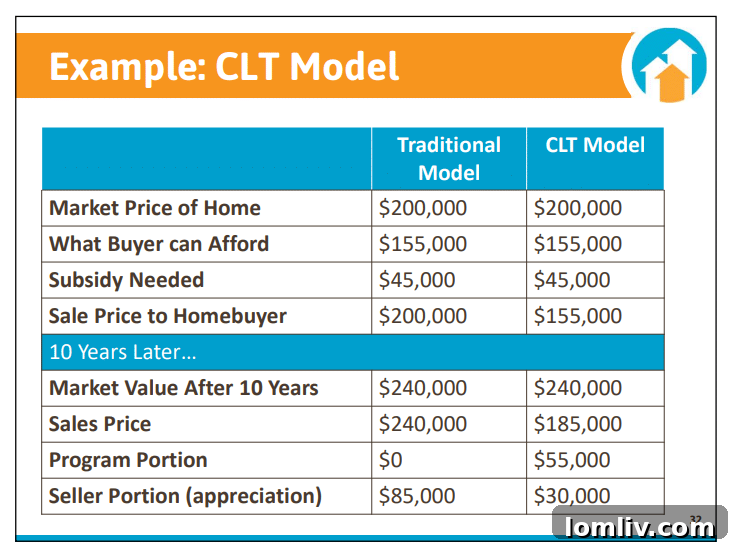
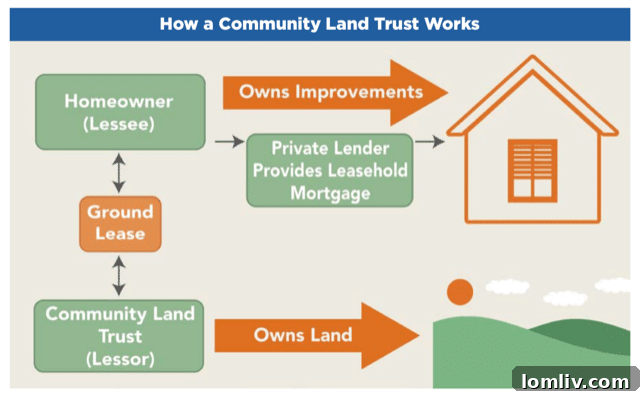
In practical terms, the CLT model introduces a unique ownership structure: an individual purchases and owns the home, while the Community Land Trust retains ownership of the land beneath it. This innovative separation of land and home ownership is formalized through a ground lease. This long-term lease agreement legally binds the home (improvements) to the land, ensuring that the property remains part of the CLT’s portfolio. A crucial component of this model is the locking in of a low, affordable price, both at the initial purchase and upon subsequent resales. As Thor Erickson, an assistant director of Housing and Neighborhood Revitalization for the City of Dallas, elucidates, this mechanism is specifically designed to allow residents to maintain long-term stability within their communities, insulating them from rapid market fluctuations that often price out low and moderate-income families.
“Extensive research conducted nationwide consistently demonstrates that individuals who opt to purchase a CLT property are typically those seeking an affordable home within a community or neighborhood where they intend to make a long-term investment,” Erickson explains. “This demographic is quite substantial. The CLT model offers significant cost savings at the point of purchase, yet the resale price is intentionally restricted to guarantee its perpetual affordability. Should the initial family wish to relocate, they are free to do so, but the home must be resold at an accessible price point to the next qualifying buyer, thereby preserving its affordability for generations.” This ensures that the benefits of the trust extend far beyond a single transaction, serving as a continuous resource for affordable homeownership.
Given the evident benefits and national success of CLTs, a natural question arises: why hasn’t this model gained widespread traction in Dallas sooner? Erickson acknowledges that while the process is certainly lengthy, he firmly believes that the CLT concept is indeed gaining significant momentum locally. “I don’t think it’s a lack of interest,” he clarifies. “This is a relatively new paradigm for our market. It necessitates different approaches to property sales and marketing. Crucially, it requires the establishment of a governing board and the adoption of specific bylaws tailored to the program, as mandated by our state legislation. The current phase involves a significant amount of technical learning and preparatory work, which individuals and organizations are actively undertaking.”
McMahon points out that while the City of Dallas formally approved an ordinance permitting the creation of CLTs a couple of years ago, the immediate follow-through was lacking. “We firmly believe this is an essential mechanism for both generating new affordable housing opportunities and preserving existing ones,” she states. “Consequently, TREC has dedicated the past two years to diligently exploring and developing alternative strategies to actively encourage and facilitate the formation of CLTs. While it’s a novel concept for Dallas, its efficacy has been widely demonstrated across the nation. Any new initiative invariably encounters a degree of skepticism. We invite everyone to closely follow our progress. Our aspiration is to finalize the comprehensive business plan and complete all necessary organizational groundwork within this calendar year, paving the way for tangible implementation.”
Dallas’s Proactive Approach to Building a Sustainable Community Land Trust Ecosystem
Dallas’s strategy for establishing its Community Land Trust differs markedly from Houston’s, particularly concerning financial reliance on municipal funding. McMahon clarifies that while future operational support from the city would undoubtedly be beneficial for a CLT backbone organization, it is not considered a prerequisite for the initiative’s current development. “While it would be helpful in the future if the city would provide some level of operating support to the CLT backbone organization, at this point, we are working on developing this without city funding,” she affirms, highlighting a commitment to a self-sustaining model from the outset.
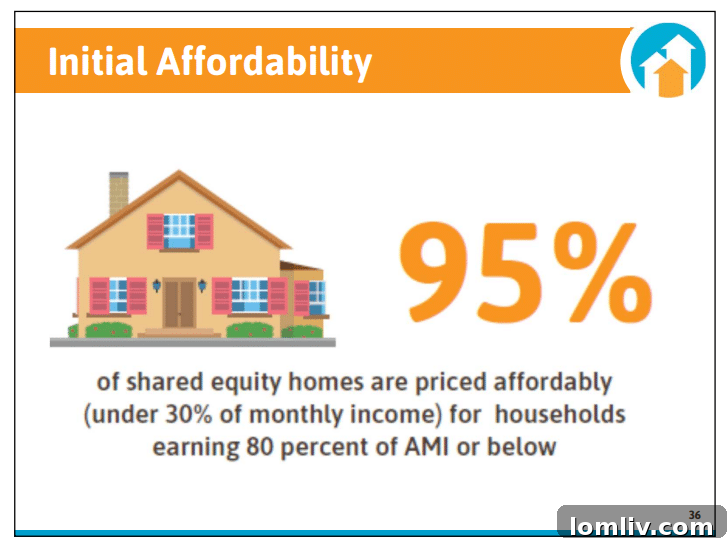
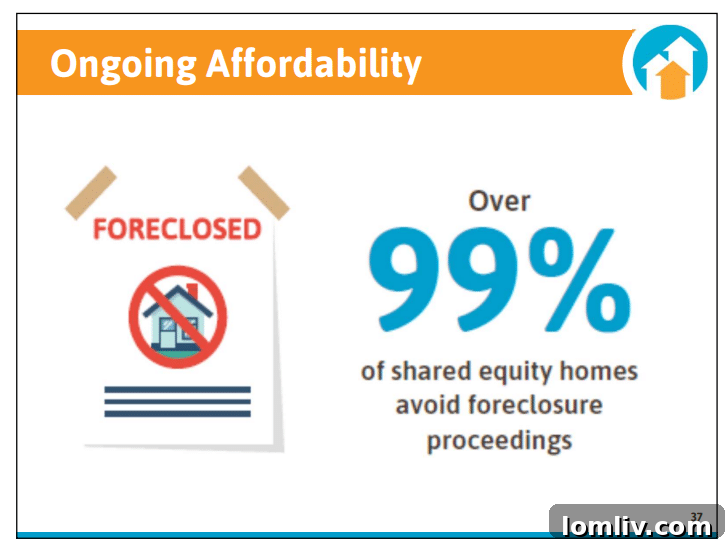
Erickson further elaborates on the funding model for the homes themselves, noting that “there is no funding, per se” directly from the city in a unique fashion for CLT construction; rather, it mirrors the standard processes for any other affordable home build. “An affordable home builder would secure funding through the same channels they utilize for other affordable units,” he explains. “They would apply to a bank for construction loans or approach us for gap financing through our Notice of Funding Availability (NOFA). These funds would be equally accessible for a CLT property as they would be for any other affordable home project, establishing no financial distinction there. Land acquisition follows similar conventional pathways. The operational expenses of the nonprofit CLT itself are covered through its meticulously developed business plan, potentially leveraging philanthropic funding, proceeds from land sales, or other real estate-related revenues to ensure the organization’s financial viability.”
The collaborative efforts between Grounded Solutions and TREC officials have included delivering several informative presentations to potential stakeholders across Dallas. Erickson confirms that specific local neighborhoods have already expressed considerable interest, signaling fertile ground for the establishment of community-led CLTs. “The critical question now is who among these interested parties is prepared to embrace and implement this novel model within our market to provide this vital housing opportunity,” Erickson muses. “One of the primary resources we recommend is Grounded Solutions, a national technical adviser for CLTs. They are uniquely equipped to assist communities in forming effective boards and developing the robust technical and operational business plans essential for successfully managing a Community Land Trust.” This external expertise is crucial for navigating the complexities of establishing and maintaining a CLT.
A particularly compelling aspect of the Community Land Trust model, as Erickson highlights, lies in its innovative resale formula. This formula is meticulously designed to ensure long-term affordability while still allowing homeowners to build some equity. “Homeowners are fully informed about the potential resale value of their home, and each year they have clear visibility into their property tax obligations, as these taxes are directly linked to that predetermined resale formula,” he details. “Typically, CLTs tend to emerge in neighborhoods that are experiencing, or are projected to experience, increasing market pressures. When property taxes are on an upward trajectory due to rising property values, establishing CLT properties early on can act as a crucial protective measure. By locking in both the resale formula and effectively influencing the property tax rate through the land lease structure, these units can be permanently preserved as affordable housing options, countering the forces of gentrification.” This proactive approach safeguards housing diversity and socioeconomic stability within communities.
Learning from Houston’s Experience: Pitfalls and Pathways to Success
Houston’s journey with its Community Land Trust program provides invaluable lessons for other cities embarking on similar initiatives. Following the devastation wrought by Hurricane Harvey in 2018, Houston embarked on an ambitious program, allocating a substantial $60 million to its CLT with the stated goal of becoming a national leader in long-term affordable housing. This initial injection of capital aimed to provide stability for low-income residents, enabling them to remain in their family homes even as housing prices surged across the city. The intent was noble, seeking to build resilience and equity in vulnerable communities.
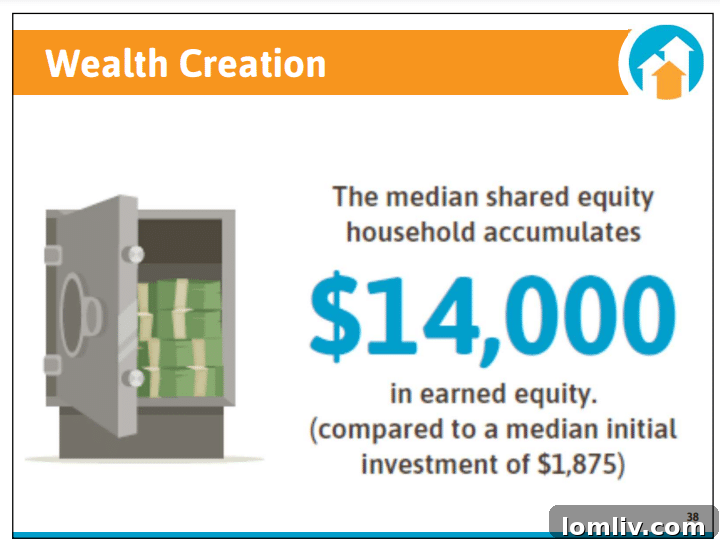
However, the program encountered significant headwinds. According to Lucy Tompkins’ detailed February 20 report in the Texas Tribune, “Houston leaders drastically cut its funding by half as bureaucratic inertia effectively bogged down the program, and initial enthusiasm significantly dwindled.” This severe reduction in financial support, coupled with procedural delays and a loss of public and political will, crippled the initiative. Despite an aspirational goal of creating over 1,000 permanently affordable homes within five years, the report starkly reveals that “the land trust has only 136 homes in its portfolio so far.” This substantial shortfall has led city leaders to consider reallocating the remaining funds to other, potentially more effective, housing initiatives, marking a significant setback for Houston’s CLT ambitions.
Dallas, keenly observing Houston’s difficulties, is consciously adopting a fundamentally different and more decentralized approach. McMahon emphasizes that this strategy is meticulously designed to ensure the development of an active, highly sustainable program characterized by widespread community participation and robust engagement. “Dallas needs to unequivocally support the concept that this structure — a central hub organization facilitating neighborhood-led CLTs — is the most appropriate and effective framework for our city,” she asserts. “This model is entirely distinct from the top-down, city-centric approach that Houston initially pursued.” This grassroots, distributed model aims to empower local communities and foster greater ownership of the CLT process.
Erickson concurs, affirming that Dallas’s proposed framework represents a “good option” for long-term success. “It requires individuals and groups willing to embrace a new housing model, and that’s precisely where we are in our journey — actively preparing and empowering individuals to be those pioneering first adopters,” he states. “Whenever a new initiative is introduced, it naturally attracts considerable scrutiny and attention. Our careful planning and community-focused strategy aim to address potential challenges proactively and build confidence in the Community Land Trust model as a viable, sustainable solution for affordable housing in Dallas.” Through diligent effort and strategic partnerships, Dallas is poised to create a lasting impact on its affordable housing landscape, learning from past examples and forging a path toward equitable urban development.