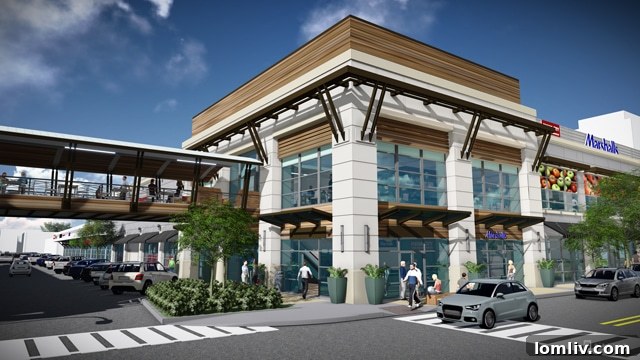
Preston Center Skybridge: Bridging Progress or Dividing Community in Dallas?
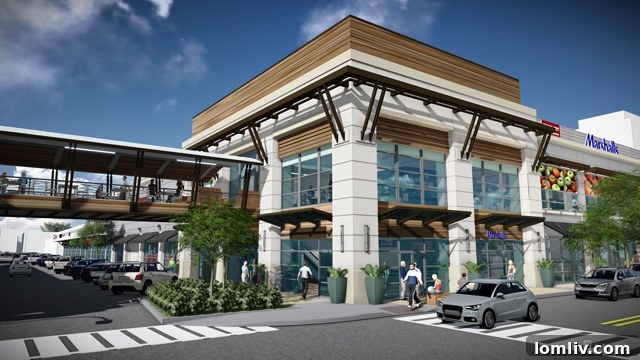
Preston Center, a vibrant commercial hub nestled within the affluent Preston Hollow neighborhood of Dallas, finds itself at the heart of a spirited debate over a proposed skybridge development. This contentious project, put forth by Crow Holdings, has ignited discussions among residents, community leaders, and city officials, highlighting the ever-present tension between urban growth and the preservation of neighborhood character. As a resident in the area, I’ve observed firsthand the intense reactions to development proposals, often met with swift, one-sided opposition rather than a balanced public discourse. This article aims to provide a comprehensive overview of the arguments surrounding the Preston Center skybridge, fostering a more informed and nuanced understanding of the issues at stake.
The conversation around the skybridge gained significant momentum when former Dallas Mayor Laura Miller circulated a detailed letter to residents of The Athena high-rise, advocating strongly against the proposal. Her appeal prompted a series of exchanges that underscore the complexities of urban planning in a densely populated area. My personal inclination is to seek compromise and solutions, believing that most issues deserve a thorough airing before outright rejection. This perspective, often challenged by entrenched positions, drives my commitment to exploring all facets of this development, ensuring a fair representation of the various viewpoints.
The Case Against the Preston Center Skybridge: Community Concerns and a Call for Deliberation
Laura Miller, alongside a significant portion of the community and members of the Preston Road and Northwest Highway Area Plan Stakeholder Taskforce, expresses profound concerns regarding the skybridge. Their opposition is rooted in a desire for comprehensive urban planning and a fear that piecemeal development will exacerbate existing problems within Preston Center. Miller, a prominent voice in the debate, outlines several key arguments:
Prioritizing the Area Master Plan
A central pillar of the opposition’s argument is the belief that all new zoning cases, including the skybridge, should be deferred until the Area Master Plan for Preston Center and its surrounding neighborhoods is completed. Councilwoman Jennifer Gates had previously pledged to “take a breath” on zoning matters, a sentiment widely applauded by residents hoping for a holistic approach to the area’s future. Opponents argue that proceeding with the skybridge preempts the comprehensive solutions the Master Plan aims to deliver, potentially complicating future integrated strategies for traffic and parking management.
Alleviating Traffic and Parking Congestion
Preston Center already grapples with notorious traffic congestion and parking shortages, particularly during peak hours. The opposition contends that adding a new grocery store, even if located on a second floor and accessed via a skybridge, will inevitably draw more vehicles to an already overloaded area. City staff projections suggesting an additional 2,500 cars daily specifically for the grocery store fuel these anxieties. The prospect of these cars circling congested parking decks and exacerbating gridlock at key intersections like Preston and Northwest Highway is a nightmarish scenario for residents who frequently navigate these challenges.
Envisioning a Pedestrian-Friendly Future
Beyond immediate traffic concerns, many residents and task force members envision a more pedestrian-friendly Preston Center. They advocate for solutions that divert through-traffic from Northwest Highway, create safer and more attractive pedestrian pathways, enhance landscaping, widen sidewalks, and improve existing roads. The core belief is that increasing density and vehicular traffic, especially before a master plan addresses these fundamental issues, is counterproductive to achieving a higher quality of life and a more accessible urban environment for area homeowners.
A Counterbalance: Arguments Supporting the Preston Center Skybridge Proposal
While acknowledging the community’s concerns, proponents of the skybridge, including myself, advocate for a more pragmatic and balanced evaluation of the proposal. My perspective is driven by a desire to avoid reflexive opposition to development and to seek solutions that benefit the community without indefinitely stalling progress. My arguments address what I perceive as misinformation and present a different outlook on the skybridge’s potential impact:
Addressing Misinformation and Flexibility
A crucial point often overlooked is the inherent flexibility of the proposed skybridge. The license agreement explicitly states that the bridge is designed to be removable, with a mere 30-day notice required if future Preston Center plans necessitate its removal. This provision directly counters the notion that the skybridge represents an irreversible commitment, aligning with the long-term planning aspirations of the community. Furthermore, the claim that the Task Force is uniformly against the skybridge is misleading; internal divisions exist, with some members seemingly more focused on broader anti-development agendas that extend beyond this specific project, potentially impacting other significant local developments.
Rethinking Traffic and Parking Projections
The widely cited figure of 2,500 additional cars for the grocery store requires closer scrutiny. Much of this traffic would likely be a reallocation from the existing Tom Thumb across the street, which is anticipated to close. Moreover, a significant portion of incremental shoppers would be workers and residents within walking distance of Preston Center. Grocery store traffic patterns typically peak midday, evenings, and weekends, rather than during rush hour, minimizing its impact on peak-time congestion. If parking becomes excessively difficult, customers will simply seek alternatives, making it a financial risk primarily for Crow Holdings and the grocery tenant, not a permanent detriment to the area. Paradoxically, consistent parking challenges might finally force landlords of the fragmented parking structures to collaborate on a lasting solution, something they’ve resisted for years.
Economic Viability and Community Benefits
The proposed 55,000 square feet for the grocery store is not new construction adding density but a repurposing of existing structures. This initiative aims to replace failing retail tenants with a viable grocery store, a clear benefit for residents who currently face fewer local options. Allowing commercial spaces to remain vacant or occupied by struggling businesses does little to enhance the area’s vitality. A thriving grocery store provides a convenient amenity, especially with other neighborhood stores becoming less profitable. If the skybridge is rejected and a grocery tenant fails to materialize, the nearest grocery options would be Central Market or a distant Tom Thumb, an inconvenience for many.
Strategic Investment and Improved Access
Crow Holdings, a significant landowner in Preston Center with access to 40% of the parking garage spaces through its ownership of surrounding buildings, views the skybridge as a strategic investment. Its primary purpose is to improve access to the new grocery store, making pedestrian and vehicular traffic flow more efficiently at street level. It’s important to note that the bridge is 61-feet wide only at its connection points, where an elevator is installed, not across its entire span over Westchester. Beyond the skybridge itself, Crow Holdings has committed to investing hundreds of thousands of dollars in updating the existing parking structure, a significant improvement that would address long-standing infrastructure needs.
The Larger Urban Planning Context and the Path Forward
The Preston Center skybridge debate transcends a single development project; it encapsulates the broader challenges of urban planning in mature, dense communities. The tension between preserving historical character and adapting to contemporary needs, managing traffic growth, and ensuring economic vitality is a common theme in Dallas and other expanding cities. The calls for a master plan are valid, but the reality of urban development often necessitates concurrent processes. Decades of previous studies in Preston Center yielded little action, and expecting a multi-year master plan to completely halt all relevant development in the interim may be an unrealistic expectation, especially given the city’s budgetary constraints and the fragmented ownership structures within the center itself.
Furthermore, some long-held neighborhood structures, such as single-family lots on Northwest Highway adjacent to a commercial hub like Preston Center, are increasingly anachronistic in a rapidly growing metropolitan area. The desire to maintain them, while understandable from a preservationist standpoint, clashes with the practicalities of land use and development in an urban corridor. Diverting significant through-traffic from Northwest Highway, for instance, would require massive infrastructure changes, including road widening, which carries its own set of challenges and community impacts.
A Call for Balanced Engagement
Ultimately, the decision on the Preston Center skybridge rests with the Dallas City Council. It is imperative that all constituents, whether they support or oppose the project, actively engage with their representatives. Knee-jerk opposition or unquestioning endorsement does little to advance effective urban planning. Instead, a thoughtful, balanced discussion, informed by facts and a consideration of both short-term impacts and long-term vision, is crucial. Residents deserve to understand the full scope of benefits and drawbacks, the flexibility built into proposals, and the broader context of development in their cherished neighborhood.
I urge everyone invested in the future of Preston Center to contact Councilwoman Jennifer Gates at [email protected]. Share your perspectives, ask informed questions, and demand a process that prioritizes comprehensive understanding over entrenched positions. The future of Preston Center depends on a collective effort to bridge divides and forge a path that balances progress with preservation, ensuring a vibrant and accessible community for all.
Word Count: 1060 words