Ultimate Guide to Air Conditioner Maintenance for Peak Summer Performance
As summer temperatures continue to climb, especially in regions like Dallas-Fort Worth, where record-breaking heatwaves have become increasingly common, a fully functional and efficient air conditioning system is no longer just a luxury—it’s a necessity. Beyond providing essential comfort, your AC unit plays a pivotal role in maintaining indoor air quality, managing humidity, and influencing your energy consumption. With forecasts predicting yet another season of intense heat, now is the opportune moment to dedicate a little extra care to your cooling system. Proactive AC maintenance isn’t merely about preventing inconvenient breakdowns; it’s about optimizing your system’s performance, significantly extending its operational lifespan, and realizing substantial savings on your monthly energy bills. Let’s delve into the essential steps you can take to ensure your air conditioner operates smoothly, efficiently, and effectively throughout the hottest months, transforming your home into a cool sanctuary.
Essential AC Maintenance: Your Comprehensive DIY Checklist
Many of the most common air conditioner issues, from reduced cooling capacity to unexpected system failures, can be easily averted with a few simple, routine maintenance tasks. These are actions that most homeowners can perform themselves, without the need for specialized tools or extensive technical knowledge. Drawing from the valuable insights of experienced professionals, such as Inspector Alex, we’ve compiled a detailed guide to these critical steps. Implementing these measures consistently can dramatically enhance your AC’s efficiency, prolong its operational life, and ultimately save you both money and discomfort during the peak of summer.
1. Deep Cleaning Your Outdoor Condenser Unit
The outdoor unit, commonly known as the condenser or compressor, serves as the vital heart of your air conditioning system. Its primary function is to absorb the heat from inside your home and dissipate it into the ambient outdoor air. Over time, this unit is susceptible to accumulating a wide array of debris—ranging from fallen leaves and grass clippings to dust, dirt, and even pet dander—all of which can clog its delicate coils and fins. This obstruction significantly impedes proper airflow, forcing your AC unit to work considerably harder to achieve the desired cooling effect. The consequence? Increased energy consumption, reduced cooling efficiency, and accelerated wear and tear on critical components.
Step-by-Step Cleaning Guide: Before you initiate any cleaning, safety must be your top priority. Always ensure the electrical power to your AC unit is completely disconnected. This involves not only setting your thermostat to “off” but also flipping the corresponding circuit breaker in your electrical panel. Once power is confirmed off, you can begin the cleaning process. Gently hose down the outdoor unit using a standard garden hose. Direct the water from the inside out, if possible, to push debris outwards. For stubborn accumulations between the aluminum fins, use a soft brush or a specialized fin comb. Exercise extreme caution, as these fins are very delicate and can be easily bent, which itself can restrict airflow. Avoid using high-pressure washers, as their force can irrevocably damage the fins. Aim to perform this essential cleaning at least once per season, or more frequently if your property is surrounded by heavy foliage, experiences strong winds, or if you live in a particularly dusty environment.
2. The Unsung Hero: Your AC Filter’s Critical Role
While often overlooked or treated as a minor component, the air filter within your HVAC system is arguably the single most critical element for both the health and efficiency of your AC unit and the overall quality of your indoor air. A neglected, dirty, or clogged filter presents a significant barrier to airflow. This restriction forces your system’s fan motor to work harder, leading to potential issues such as frozen evaporator coils, drastically reduced cooling efficiency, and even premature system failure. Furthermore, a dirty filter compromises the air quality within your home, allowing dust, pollen, pet dander, mold spores, and other airborne pollutants to circulate freely, exacerbating allergies and respiratory issues.
Seriously, Change That Filter – And Get It Right!
This isn’t just a recommendation; it’s a fundamental requirement for optimal air conditioner performance and energy efficiency. Unfortunately, many homeowners either forget or procrastinate this simple task, leading to a cascade of preventable problems. Make filter replacement a consistent habit: set calendar reminders, schedule it with seasonal cleanings, or link it to specific holidays. The ideal frequency for filter changes isn’t universal; it depends heavily on several factors unique to your household. If you have furry pets, suffer from allergies, or have multiple occupants, a monthly filter change might be necessary. For other homes, once every one to three months could suffice. The key takeaway is consistency; regular filter replacement is paramount for maintaining healthy airflow, superior indoor air quality, and peak system efficiency.
Selecting the Correct Filter Size and Type for Your HVAC System
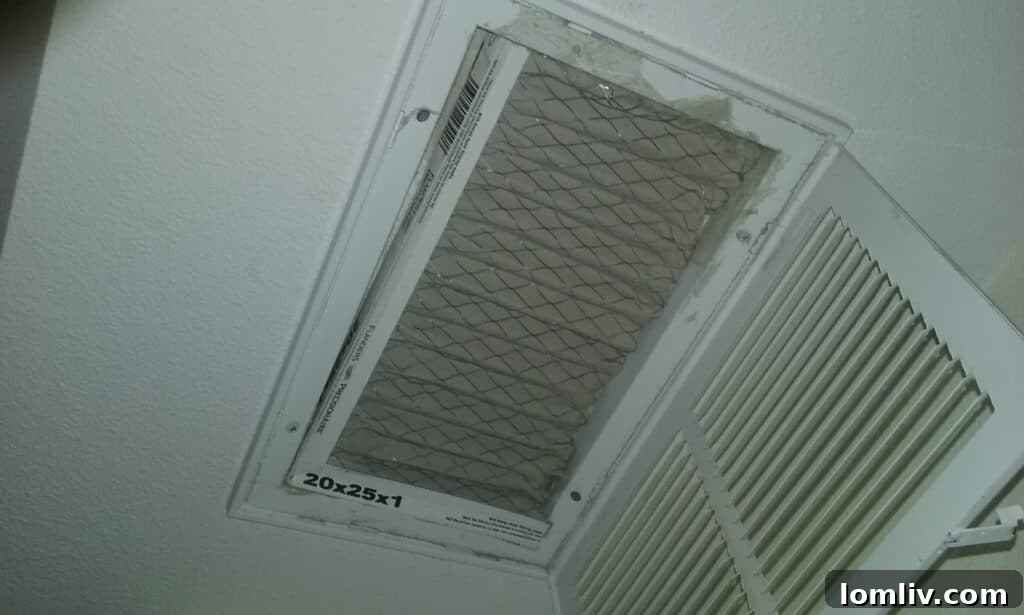
The first step in proper filter maintenance is ensuring you purchase the correct size. The dimensions (e.g., 20x25x1) are typically printed along the cardboard frame of your existing filter. Always double-check these measurements to guarantee a snug fit, as gaps can allow unfiltered air to bypass the system. Secondly, consider the MERV (Minimum Efficiency Reporting Value) rating. MERV ratings range from 1 to 16, with higher numbers indicating greater effectiveness at capturing smaller airborne particles like dust mites, pet dander, pollen, and even bacteria. While a higher MERV rating offers superior air purification, it can also create more airflow resistance. It’s crucial to consult your AC unit’s manual or speak with a qualified HVAC professional to determine the appropriate MERV rating for your specific system, ensuring it can handle the increased resistance without compromising performance or causing undue strain.
Crucial for Proper Installation: When installing a new air filter, a critical, yet often overlooked, detail is the small arrow printed on its side frame. This arrow is not merely decorative; it precisely indicates the required direction of airflow. For correct installation, this arrow must always point towards the furnace or air handler (the indoor unit), ensuring that air flows through the filter in the intended direction. Inserting the filter incorrectly can severely diminish its effectiveness, leading to unfiltered air circulation and potential damage to your HVAC system’s fan motor. Paying attention to this small arrow makes a big difference in your system’s efficiency and longevity.
3. Preventing Water Damage: Maintaining Your Condensate Line
Beyond its primary function of cooling, your air conditioner actively dehumidifies the air within your home. As warm, moisture-laden air passes over the frigid evaporator coils, condensation naturally forms. This accumulated moisture then collects in a specialized drip pan and is subsequently drained away from your home via the condensate line, typically a PVC pipe. If this line becomes obstructed by common culprits such as algae, mold, sludge, or other debris, the collected water has nowhere to go. This backup can lead to overflowing drip pans, resulting in costly water damage to ceilings, walls, or flooring. In many modern AC systems, a safety shut-off switch is integrated into the condensate pan, which will automatically power down your unit to prevent flooding if the water level rises too high, leaving you without cooling when you need it most.
Proactive Cleaning and Prevention: To prevent these issues, regular maintenance of your condensate line is essential. A simple yet effective method involves routinely pouring a cleaning solution down the primary condensate line. A mixture of about a quarter cup of household bleach diluted with a quarter cup of water, or a full cup of distilled white vinegar, works wonders in inhibiting algae and mold growth. Some HVAC professionals also recommend specialized AC line cleaners, such as Nuline. To perform this, locate the access point for the condensate line—it’s usually a small PVC pipe with a removable cap near your indoor AC unit. Pour your chosen solution slowly to allow it to effectively coat the interior of the line. Perform this preventative measure monthly during the peak cooling season. If you observe standing water in the drain pan, notice unusual moisture around your indoor unit, or detect a musty, moldy odor, these are strong indicators that your condensate line is likely clogged and requires immediate attention.
Optimizing Your AC System’s Environment and Usage for Maximum Efficiency
Beyond the internal mechanics and maintenance, the overall efficiency and effectiveness of your air conditioning system are profoundly influenced by its immediate environment and how you manage your home’s thermal envelope. Overlooked details and seemingly minor habits can significantly impact your system’s performance, leading to unnecessary energy consumption and reduced cooling capacity.
System Integrity, Airflow Management, and Home Sealing
The timeless advice of “shut the door, we’re not air-conditioning the whole neighborhood” remains as relevant as ever, especially with today’s escalating energy costs. It’s often surprising to discover how many homeowners inadvertently undermine their AC’s efficiency by neglecting fundamental principles of thermal sealing. Operating your AC while windows or exterior doors are left ajar is akin to literally throwing money away; your system will be in a constant, futile struggle to maintain the desired temperature, resulting in prolonged run times, excessive energy waste, and undue stress on components.
However, the issue extends beyond simply open doors and windows. The external environment of your outdoor AC unit plays an equally critical role. As expert analyses frequently highlight, an AC unit might appear perfectly operational from the front, efficiently drawing in air, but if its back or sides are exposed to significant environmental factors like dense dust, accumulating debris, or relentless direct afternoon sunlight, its overall efficiency plummets. When the condenser coils are exposed to such elements or become heavily soiled from the backside, the unit is not only pulling in unwanted particulate matter but also struggling intensely to dissipate heat effectively. This persistent strain dramatically shortens the unit’s operational lifespan, leading to premature failure, and inevitably inflates your utility bills.
Key Checks for Optimal Environment: To optimize your system’s environment, ensure your outdoor unit has ample clearance—at least 2 to 3 feet—from all sides. Regularly trim back any overgrown shrubs, trees, or tall grass that could impede airflow. If feasible, consider strategically shading the unit from direct afternoon sun, but be careful not to enclose it in a way that restricts air circulation. Concurrently, conduct a thorough inspection of your home’s insulation, particularly in the attic, and meticulously seal any noticeable air leaks around window frames, door frames, and utility penetrations. These sealing efforts are crucial to prevent conditioned air from escaping and unconditioned air from infiltrating, significantly boosting your AC’s efficiency and your home’s overall comfort.
Learning From Past Mistakes: Understanding Your AC System’s Lifespan
Grasping the typical operational lifespan of an air conditioning unit and recognizing the clear indicators of neglect can provide invaluable lessons for both current and prospective homeowners. An AC system represents a substantial investment in your property, and its longevity is intricately linked to the consistency and quality of its maintenance. By examining real-world scenarios, we can glean critical insights into prolonging these essential home appliances.
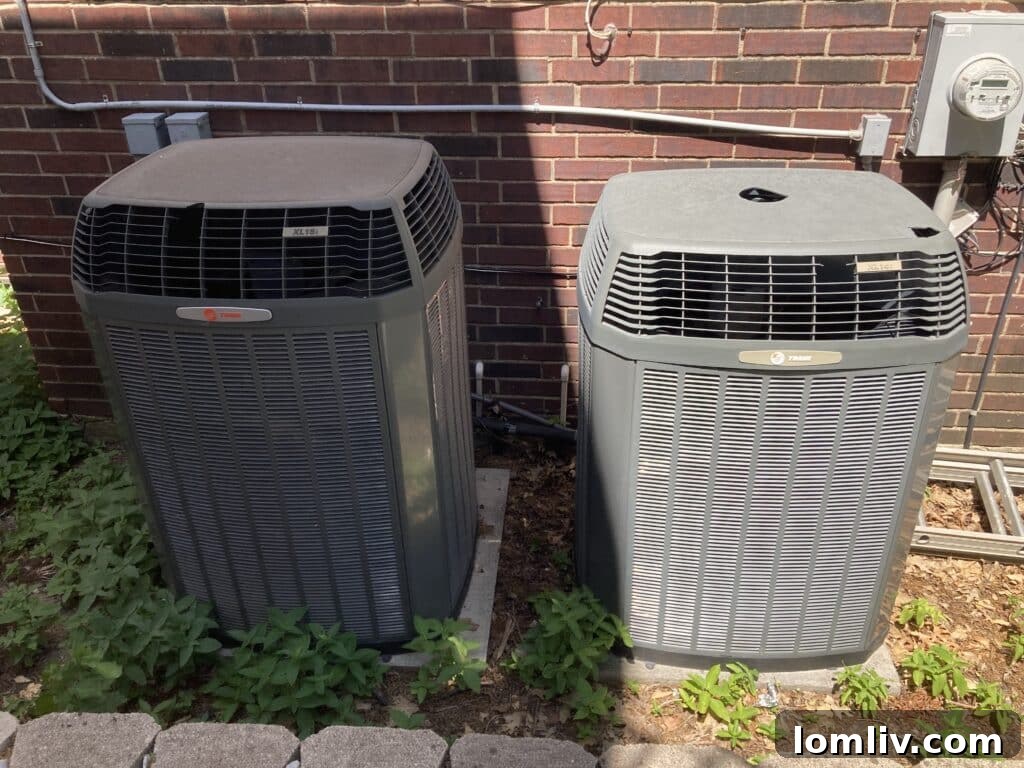
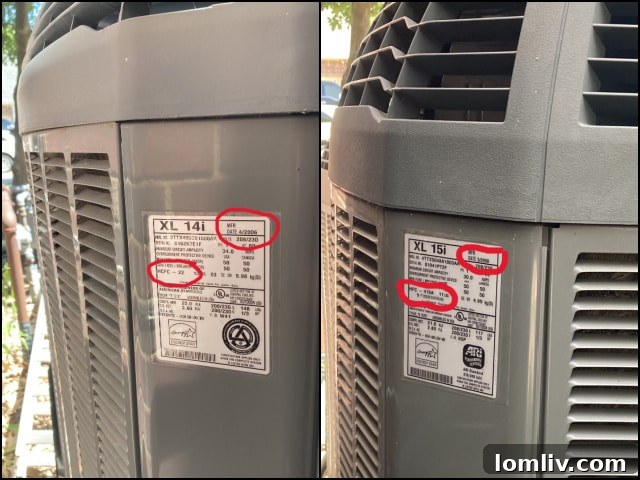
Consider the compelling case of a house originally constructed in 1999, featuring two distinct compressors. One unit was replaced in 2006, and the other followed in 2008. This staggered replacement schedule, occurring just 7 and 9 years respectively after the home’s initial construction, strongly implies a pattern of severe neglect by the original owners concerning their AC maintenance. A well-maintained air conditioning system typically boasts a lifespan of 15 to 20 years, and often even longer with consistent, professional care. Replacing units prematurely, as seen in this example, represents an exceedingly expensive lesson—a financial burden that could have been largely mitigated or entirely avoided through routine preventative maintenance and timely professional tune-ups.
Intriguingly, as of 2022, both of these replacement units, now 16 and 14 years old respectively, were still reported to be in good working condition. This remarkable longevity suggests that subsequent homeowners likely adopted significantly improved maintenance practices. This observation powerfully underscores the profound impact of ongoing care, demonstrating that even units beyond their expected average lifespan can continue to operate reliably and efficiently when given the proper attention and respect. This anecdote serves as a potent reminder that consistent maintenance is an investment that pays dividends in comfort and financial savings.
Critical Refrigerant Types: R22 vs. 410A – What You Need to Know
Another crucial piece of information, often found on the compressor label of your AC unit, is the specific type of refrigerant it utilizes. The 2006 unit in our previous example operated with R22 coolant. R22 is an older generation hydrochlorofluorocarbon (HCFC) refrigerant that has been progressively phased out globally due to its significant contribution to ozone layer depletion. Consequently, R22 is no longer produced, making it exceedingly difficult and prohibitively expensive to obtain for older systems that still depend on it. Should an R22 system develop a leak, the cost of recharging it can be astronomical, often prompting homeowners to opt for a complete system replacement rather than repair.
In stark contrast, the 2008 unit uses 410A coolant, a modern, more environmentally friendly, and significantly more efficient hydrofluorocarbon (HFC) refrigerant. Knowing which refrigerant your system employs is absolutely vital for any homeowner, as it directly impacts potential maintenance costs, environmental compliance, and future upgrade considerations. Always make it a point to inspect your compressor label for this and other critical specifications, such as manufacturing date, model number, and capacity. Understanding these details empowers you to make informed decisions about your AC system’s care and eventual replacement. For a deeper dive into what information your compressor label can reveal, including potential air conditioning problems to watch out for as summer intensifies, you can read more about it here.
The Long-Term Investment of Proactive AC Care
Far from being a burdensome chore, maintaining your air conditioning system is a strategic, long-term investment that profoundly benefits your home’s comfort, your family’s health, and your overall financial well-being. Regular and diligent care is the most effective deterrent against costly breakdowns, significantly extends the operational life of your expensive equipment, drastically reduces energy consumption, and consistently ensures a supply of cleaner, healthier indoor air.
Whether you choose to give your smart thermostat a quirky name, or offer your outdoor compressor a friendly pat after a thorough cleaning, cultivating a proactive and appreciative approach to your AC’s health will yield considerable dividends. The relentless “hellfires” of a scorching summer are no match for a well-maintained and efficiently operating cooling system. Embrace these fundamental maintenance practices—from the routine yet critical filter changes to meticulously keeping your outdoor unit spotless and ensuring unimpeded airflow throughout your entire home. Your air conditioner works tirelessly, often unnoticed, to keep you and your loved ones cool and comfortable; a little reciprocal love and consistent attention from you will guarantee it continues to perform efficiently and reliably for many years to come.
Don’t fall into the trap of waiting for your AC system to falter or fail before you give it the vital attention it deserves. Proactive care is not just the most economical and sustainable approach; it is the single most effective strategy to conquer the summer heat, dramatically reduce your energy bills, and consistently enjoy a perfectly comfortable home environment all year long.