Dr. Myrna Dartson
Special Contributor
As a proud legacy resident, my roots run deep in the cherished Elm Thicket/Northpark (ETNP) neighborhood of Dallas. This community, where I was raised and where generations of my family have thrived, is now facing a profound threat of systematic elimination. Witnessing the erosion of our heritage is heartbreaking, and it fuels my unwavering commitment to do everything within my power to save this historic gem. I implore you to join me in this critical fight to preserve our legacy and ensure a future for ETNP.
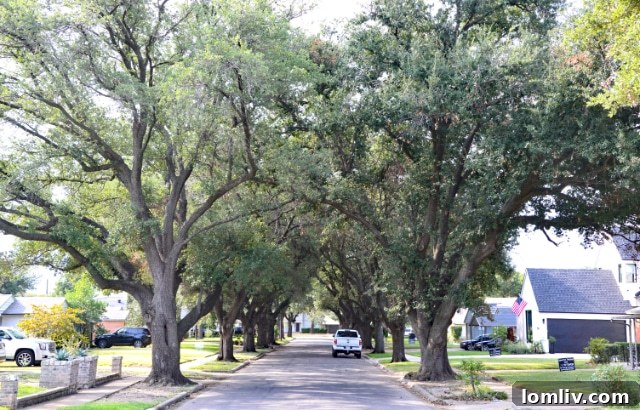
The Elm Thicket/Northpark neighborhood is a vibrant tapestry woven with history, community, and an undeniable sense of belonging. Our streets are lined with beautiful, character-filled cottage homes, many of which have been passed down through third and fourth generations. This generational continuity has fostered an extraordinary familial camaraderie, creating life-long bonds and an extended family network that defines our tranquil and safe community. ETNP isn’t just a collection of houses; it’s a living archive of shared experiences, cherished memories, and a profound cultural identity unique to Dallas.
However, the winds of change have become a tempest. While we initially welcomed new neighbors who built homes three to four times the size of our cottages but at least harmonized with the existing aesthetic, a more disruptive force has emerged. A new wave of builders and developers is now constructing properties that starkly disregard the established style and character of our historic neighborhood. These imposing structures often overshadow our modest homes, disrupting the visual harmony and diminishing the unique charm that residents have cherished for decades.
Disturbingly, these developers are actively attempting to rename our community “Inwood Park,” deeming it a “more sophisticated moniker” in a brazen attempt to erase our established identity. This act is not merely a name change; it’s a strategic move to sever our ties to a rich past and reposition the area for speculative profit. Furthermore, their disparaging references to our beloved homes as “shacks” are not just insults; they are “dog whistles” designed to devalue our heritage and justify their agenda. It’s clear: they seek to obliterate our history and displace our community, seeing us as mere obstacles in their pursuit of financial gain.
A Legacy Forged in Resilience: The Deep Roots of ETNP History
The history of the Elm Thicket community runs deep, serving as a powerful testament to resilience and self-determination. According to the Texas State Historical Association Handbook of Texas, Elm Thicket was established as one of several vital Freedmen’s communities in North Dallas. These communities, founded by formerly enslaved African Americans in the post-Civil War era, were more than just settlements; they were beacons of hope and autonomy. They represented courageous efforts to build new lives, create self-sufficient economies, and establish thriving social and cultural centers in the face of immense adversity. Elm Thicket, like other Freedmen’s towns, was built on the pillars of communal strength, mutual support, and a shared vision for a better future, laying the groundwork for the tight-knit community we know today.
A shining example of this community’s spirit and ingenuity was the Hilliard Memorial Golf Park. Opened in 1950 within ETNP, it proudly stood as the first municipal golf course in the entire South for Black citizens. This wasn’t merely a recreational facility; it was a profound symbol of pride, accomplishment, and a space where Black Dallasites could gather, socialize, and thrive in an era of pervasive segregation. The joy and communal pride associated with having a place of their own, however, proved tragically short-lived. Just four years later, in 1954, the City of Dallas seized the land for the Love Field expansion, reclaiming not only the golf course but also most of the western and southwestern portions of ETNP. This act of eminent domain forced countless families to abandon their homes and communities for the sake of “progress,” echoing a painful historical pattern where the voices and rights of Black Dallasites were often ignored and silenced.
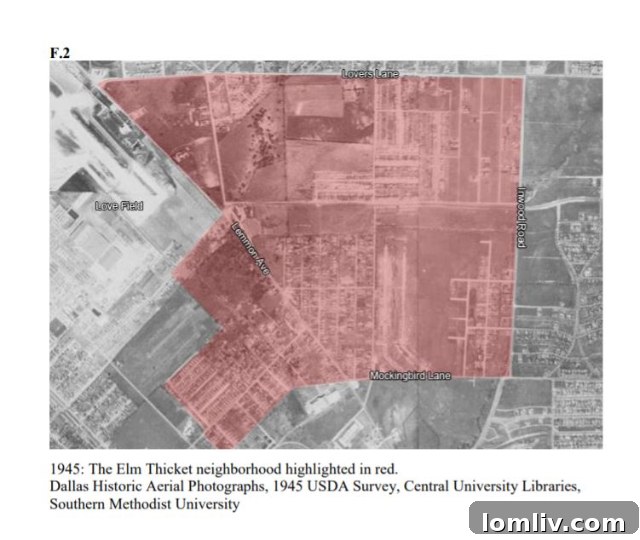
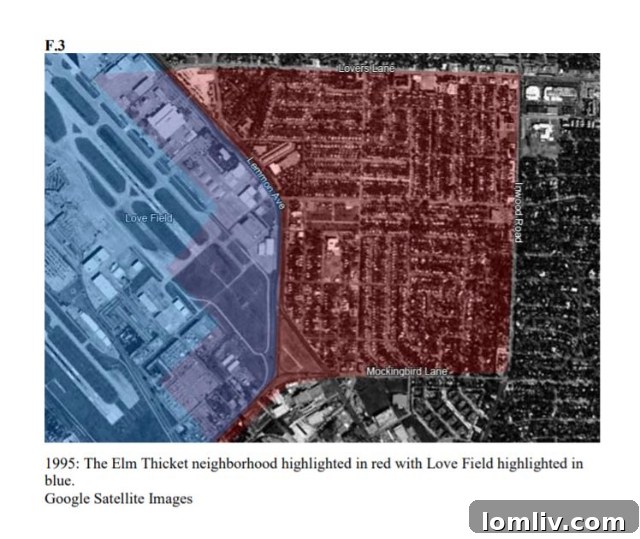
The echoes of that painful past resonate deeply today. While the current battle is not against eminent domain in its traditional sense, it is undeniably a fight for self-determination and the preservation of a community’s soul against a different, insidious form of displacement. Our city leaders once vowed to help us protect and preserve our invaluable history, a promise that now hangs in the balance.
The Modern Fight for Preservation: A Promise Unfulfilled?
In 2016, Dallas City Councilman Adam Medrano of District 2 recognized the unique value of Elm Thicket/Northpark by designating it a Neighborhood Plus Target Area. This designation came with a powerful and explicit mission statement for the ETNP neighborhood: “To support a diverse, safe neighborhood with quality housing, infrastructure, and institutions for all its residents, and to preserve and protect the legacy and heritage of this historic Dallas neighborhood.” This was a clear commitment from the city to safeguard the very essence of ETNP. It offered hope that the mistakes of the past, where Black communities were sacrificed, would not be repeated.
Following this initiative, in 2017, a crucial action item was launched: the submission of a neighborhood zoning case for an Authorized Hearing Steering Committee. This dedicated committee, comprised of residents and stakeholders, met an impressive eleven times, demonstrating a deep commitment to finding equitable solutions. Through extensive deliberation, they put forth several reasonable and well-considered zoning changes specifically designed to help preserve the architectural integrity and community character of this historic Black neighborhood. Their work was thorough, addressing specific issues that threaten ETNP’s unique fabric.
Among the most critical recommendations from the committee were proposals to limit the roof types permitted for two-story homes and to lower the maximum building height from 35 feet to a more proportionate 30 feet. Specifically, they suggested that only 10 percent of the roof area for two-story houses could be flat or shed-style. This restriction aims to curb the proliferation of stark, modern architectural styles that clash dramatically with the traditional aesthetic of our cottages and mature trees. The imperative to lower the maximum building height is equally vital. Some developers exploit the current 35-foot limit by building straight up, creating immense, imposing walls that loom over adjacent, modest homes. Imagine staring at a towering 35-foot concrete wall directly outside your kitchen window—it’s an unbearable invasion of privacy, natural light, and overall quality of life. These proposed changes are not radical; they are thoughtful adjustments aimed at ensuring new constructions integrate respectfully into the existing landscape without overshadowing or devaluing the historic homes and the lives of their long-term residents. They are essential for protecting the very ambiance that makes ETNP so special.
These Changes Are Reasonable, Essential, and Under Attack
The proposed zoning changes are not merely administrative adjustments; they are direct measures to safeguard the quality of life for Elm Thicket/Northpark residents and to maintain the very character that makes our neighborhood unique. By preventing the construction of towering 35-foot walls, we protect residents from having their light blocked, their privacy invaded, and their cherished views obstructed. These changes also play a crucial role in protecting our traditional cottages from issues like excessive runoff, which can be exacerbated by the expansive, stark designs of newer, larger homes. Ultimately, these recommendations ensure that future developments will harmonize with the established style and character of our historic community, rather than erasing it. They represent a balanced approach that allows for growth while respecting the past and the existing residents.
Yet, the unity and purpose of the committee’s work, and the residents’ hopes, have been met with aggressive opposition. Developers have launched a campaign of intimidation, directly attacking our legacy residents who have bravely voiced their support for these vital zoning changes. It is a disheartening echo of the past, where the voices of our community are once again being targeted for daring to stand up for their rights and heritage. The developers’ tactics have been particularly egregious: the day after “Save Elm Thicket” yard signs proudly appeared throughout the neighborhood, they responded with a public act of shaming. On their website, they callously mocked the home of one of our Black legacy residents, displaying a picture of her modest, beloved 1950s-era home alongside the cynical question, “What are they really trying to save?”
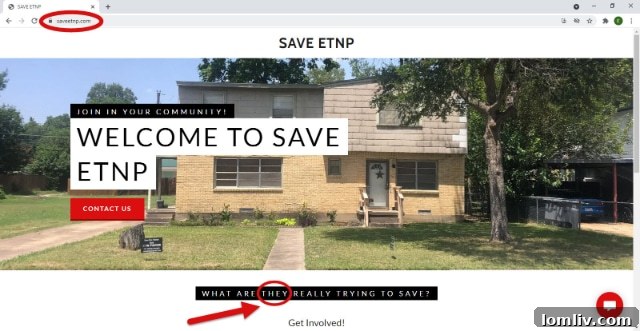
I will answer that question with absolute clarity and conviction. We are trying to save our community – a community that is not just a neighborhood, but a foundational pillar of Dallas history, culture, and identity. While developers narrowly focus on immediate generational wealth, we are fiercely dedicated to preserving generational history. We are saving the stories, the bonds, the resilient spirit, and the unique cultural heritage that defines Elm Thicket/Northpark. We are saving the future for the families who have built their lives here for decades, and for the promise of a diverse Dallas that values its past. The City of Dallas made a solemn promise to us – a pledge to help us preserve and protect ETNP’s invaluable legacy. I am now asking you, the citizens of Dallas, to please join my neighbors and me in holding our city leaders accountable to their word. Help us remind them of their commitment, amplify our voices, and together, let us save Elm Thicket/Northpark from erasure. Our shared history, and the future of equitable development in Dallas, depends on it.

Dr. Myrna Dartson is a dedicated legacy resident whose family has called Elm Thicket/Northpark home for almost 60 years. She is a highly respected licensed psychologist, sharing a private practice in Dallas with her identical twin sister, and remains a passionate advocate for her beloved community.