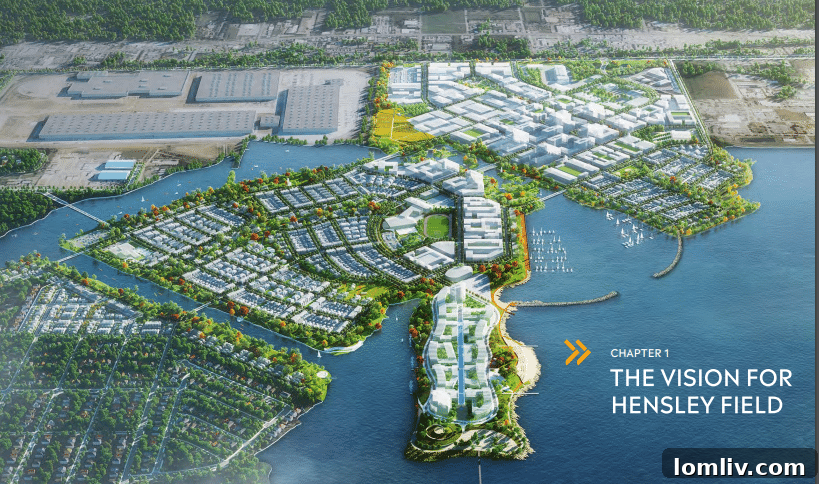
Dallas is on the cusp of a transformative urban development project, envisioning the former U.S. Naval Air Station as a vibrant, mixed-use residential community. This ambitious plan promises to redefine a significant segment of the city’s landscape, offering a blend of modern living, economic opportunity, and environmental sustainability. However, the realization of this vision is contingent upon a critical prerequisite: the U.S. Navy’s complete environmental remediation of the site.
The proposed development at Hensley Field spans an impressive 700 acres, with plans for more than 6,500 new homes. This master-planned initiative was championed by former District 3 Councilman Casey Thomas, who often referred to it as his “legacy project,” underscoring its profound significance for the city’s future. The potential of Hensley Field to address Dallas’s growing housing demands and create a dynamic urban hub is immense, but progress remains stalled due to unaddressed environmental concerns.
At the heart of the delay is the crucial task of environmental cleanup. Until the site is deemed safe and free of contaminants, the city leaders assert that they cannot responsibly move forward with construction. This ongoing challenge highlights the complex interplay between urban development, historical land use, and environmental responsibility, setting the stage for a prolonged legal and logistical battle.
A Legacy of Contamination: The Legal Battle Over Hensley Field
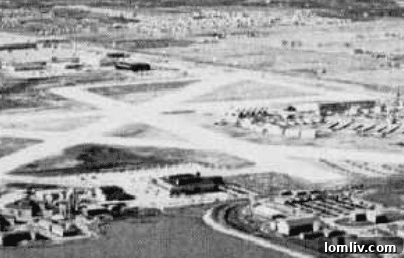
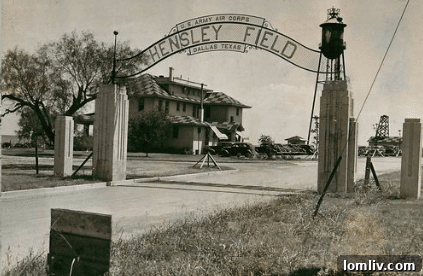
The history of Hensley Field is deeply intertwined with its military past, a legacy that now presents significant environmental hurdles. The U.S. Navy originally leased the property, situated strategically at the border of Dallas and Grand Prairie, from the City of Dallas in 1949. For five decades, it operated as the Naval Air Station Dallas, a vital military installation that played a crucial role in national defense. However, when the base closed its operations 50 years later and the property was returned to the city, it came with an undesirable inheritance: widespread environmental contamination.

According to city reports, the environmental contamination found at Hensley Field was “consistent with other U.S. military installations.” This often includes a cocktail of contaminants such as petroleum products from aircraft operations, solvents used for cleaning and maintenance, heavy metals, and various hazardous waste materials generated over decades of intense military activity. These substances pose significant risks to public health and the environment if not properly remediated, making a thorough cleanup absolutely essential before any residential or commercial development can proceed.
Recognizing the severity of the issue and the Navy’s obligation, the City of Dallas initiated legal proceedings in 2001. This legal action culminated in a settlement the following year, which explicitly mandated that the U.S. Navy complete all necessary environmental remediation by 2017. This agreement aimed to pave the way for the safe redevelopment of the site, marking a clear path forward for both parties.
However, that deadline passed unmet. City officials expressed their frustration, stating, “While the Navy has made progress and continues to work with the City, the Navy must fulfill its obligation to complete the remediation.” The failure to meet the agreed-upon deadline has not only delayed a crucial urban development project but has also strained the relationship between the city and the federal entity, leading to renewed legal confrontation.
Dallas City Manager T.C. Broadnax announced earlier this month that the city is once again taking legal action, a decisive step aimed at compelling the U.S. Navy to honor its longstanding commitment. This renewed legal pressure underscores the city’s determination to ensure the safety and viability of the Hensley Field site for future residents and businesses.
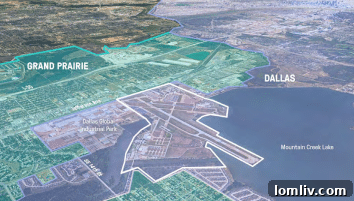
Despite the ongoing legal proceedings, Dallas officials affirmed in a press release issued on August 2, that the city will continue negotiations with the U.S. Navy. This dual approach of legal action and continued dialogue highlights the city’s pragmatic strategy: to protect its rights and interests while still seeking an amicable and timely resolution. City Manager Broadnax reiterated this sentiment, stating, “We appreciate all of the U.S. Navy’s efforts to remediate the site for the past 20 years. We are confident that we can reach an agreement on the final phase of the project that ensures Hensley Field can be safely developed into a premier community offering mixed-income housing, recreation, commercial space, and more. We will continue these productive discussions with the U.S. Navy and remain focused on reaching a consensual agreement.”
When daltxrealestate.com reached out for comment, U.S. Navy Public Affairs Officer R. Bill Franklin offered a standard response, stating, “The Navy does not comment on matters of pending litigation.” This position, while typical for ongoing legal cases, further emphasizes the sensitive nature of the situation and the critical need for a breakthrough in negotiations or a swift resolution through the courts.
Hensley Field Master Plan: A Vision for Sustainable Urban Living
Beyond the environmental challenges and legal complexities, the Hensley Field Master Plan outlines an extraordinarily ambitious and forward-thinking vision for the 700-acre site. This isn’t just about building homes; it’s about creating a holistic, sustainable, and vibrant urban ecosystem that will serve as a model for future development. The plan aims to transform the former air station into a thriving community that addresses critical urban needs while enhancing the quality of life for its residents and the broader Dallas metropolitan area.
Former Councilman Thomas eloquently described the potential of the site during a December council meeting, calling it “almost like a blank canvas.” This metaphor perfectly captures the unique opportunity to design a community from the ground up, incorporating the latest principles of urban planning, sustainability, and community engagement. In addition to the much-needed housing, the Hensley Field Master Plan envisions a rich tapestry of amenities including diverse restaurants, dynamic entertainment venues, and a modern marina on the adjacent Mountain Creek Lake, creating a true destination within Dallas.
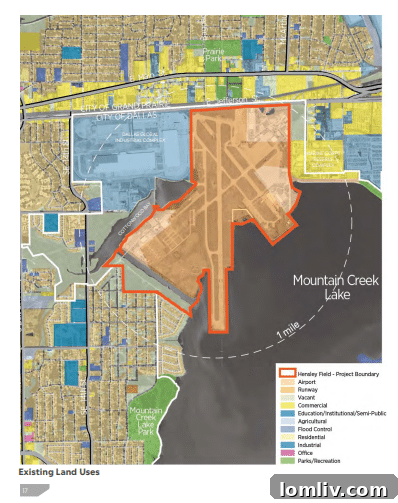
The core elements of the master plan are designed to foster a high quality of life and create a resilient community:
- A Walkable, Mixed-Use Community: This cornerstone of the plan promotes an integrated lifestyle, reducing reliance on automobiles and encouraging active living. With over 3.7 million square feet dedicated to commercial and institutional uses alongside 6,800 residential units, Hensley Field will offer convenient access to workplaces, retail, dining, and services, all within easy walking or biking distance. This design fosters local commerce, creates job opportunities, and builds a stronger sense of community.
- An Interconnected Network of Open Spaces: Recognizing the importance of green infrastructure, the plan dedicates more than 25 percent of the site area to parks, trails, and public plazas. This extensive network ensures that every resident will be within a five-minute walk of a park or public green space, promoting physical activity, relaxation, and social interaction. These spaces will also contribute to urban biodiversity and climate resilience.
- A Strong Orientation to Mountain Creek Lake: The natural beauty of Mountain Creek Lake will be leveraged to create a distinctive waterfront experience. The plan introduces new waterfront trails, a state-of-the-art marina, and various water-oriented recreational uses. This integration will transform the lake from a scenic backdrop into an active component of the community, enhancing its destination appeal and offering unique leisure opportunities.
- Historic Preservation and Adaptive Reuse: To honor the site’s rich military heritage, the master plan includes provisions for the historic preservation and adaptive reuse of key buildings and facilities. Interpretive site elements will celebrate the military and pre-military history, weaving the past into the fabric of the new development and providing a unique identity that pays homage to its origins.
- A Multi-Modal Transportation System: Emphasizing sustainable mobility, the plan envisions a comprehensive transportation network that reduces dependence on single-occupancy vehicles. This includes robust links to Dallas’s high-capacity transit network, provision of protected bikeways for cyclists, designated slow mobility corridors, and a strong pedestrian orientation throughout the community, making it easy and enjoyable to navigate without a car.
- Net-Zero Construction and the Maximization of Renewable Energy Sources: Hensley Field is set to become a beacon of environmental sustainability. The plan incorporates net-zero construction practices and maximizes the use of renewable energy sources. A pioneering 40-acre Innovation Village on the Runway Peninsula will demonstrate state-of-the-art technologies and sustainable practices, positioning Hensley Field at the forefront of green urban development.
- A Diversity of Housing Choices in a Mixed-Income Community: Addressing Dallas’s pressing housing needs, the plan calls for a complete range of housing types designed to create a genuinely mixed-income community. Crucially, 30 percent of these units will be dedicated to providing long-term affordability for qualified applicants, ensuring that the development is accessible to a broad spectrum of residents and fosters social equity.
City officials emphatically state that the ongoing legal proceedings are not merely about accountability, but are absolutely necessary to unlock the potential of this visionary plan. Successfully resolving the environmental remediation issue is the crucial step to move forward with creating sustainable urban systems, a diverse mix of land uses, and the generation of thousands of new jobs across various sectors.
As city officials articulated, “The City’s master redevelopment plan for the Hensley Field property, prepared at the Navy’s request, seeks to use the site as a catalyst toward our community’s objectives of economic recovery, social equity, and environmental sustainability.” The ultimate aim of these legal proceedings, they conclude, is to “preserve the City’s rights while working with the Navy to come to an amicable resolution…” Dallas remains steadfast in its commitment to transforming Hensley Field from a contaminated relic of the past into a vibrant, modern, and sustainable community that will benefit generations to come, provided the environmental cleanup is finally completed to standard.