Welcome to our ongoing series, Interview with an Architect, where we engage with prominent figures in the North Texas architectural landscape. In these insightful discussions, we delve into their innovative work, explore critical development issues impacting our communities, and uncover the fundamental principles behind excellent design. Our aim is to bring you closer to the visionaries shaping the future of our built environment, offering a deeper understanding of architectural practices and their profound influence.
After dedicating a decade to architectural practice within esteemed local offices in Fort Worth, architect Philip Newburn embarked on an exciting new chapter. Driven by an unwavering passion for modern, sustainable architecture, he ventured to establish his own firm, Philip Newburn Architecture. His independent journey has quickly garnered significant attention, earning him recognition as one of North Texas’s most promising and influential young architects. Newburn’s commitment to thoughtful design and community-centric projects sets him apart, signaling a fresh perspective in the region’s architectural scene.
Newburn articulates his design philosophy with conviction: “I love architecture that makes you think, and I believe modern architecture inherently possesses that transformative power on many people. It’s always beneficial to reevaluate one’s perspectives and embrace new ideas,” he shares. He further elaborates on the intrinsic optimism found in innovation: “There is an inherent optimism when people strive to push creative boundaries and forge something truly new, which is an admirable pursuit in itself. This drive to innovate and challenge conventional norms is what truly inspires me in every project I undertake.” This perspective underscores his dedication to not just constructing buildings, but creating spaces that engage, provoke thought, and inspire progress within their surroundings.
A proud alumnus of the University of Texas at Austin School of Architecture, Philip Newburn now leads his own thriving firm, Philip Newburn Architecture. We recently had the privilege of sitting down with him to discuss a range of topics, from the evolving landscape of modern architecture to the critical importance of sustainable design, and much more about his unique approach to shaping the built environment.
Exploring the Core of Design: A Conversation with Philip Newburn
Our conversation began by exploring the foundational principles guiding Philip’s distinguished career.
daltxrealestate.com: Would you say you have an overarching design philosophy that guides your work?
Philip Newburn: It might seem almost too self-evident to articulate, but the fundamental purpose of architecture, in my view, is to meticulously craft meaningful, authentic, and truly beautiful spaces that enrich the lives of humans and foster thriving communities. It is truly disheartening to observe how frequently our built environment falls short in delivering on such a basic yet profound objective. I consider myself incredibly fortunate that, every single day, I have the opportunity to collaborate with exceptional clients, working tirelessly to enhance their quality of life and contribute positively to the communities they inhabit. This dedication to purposeful design is at the heart of everything we do.
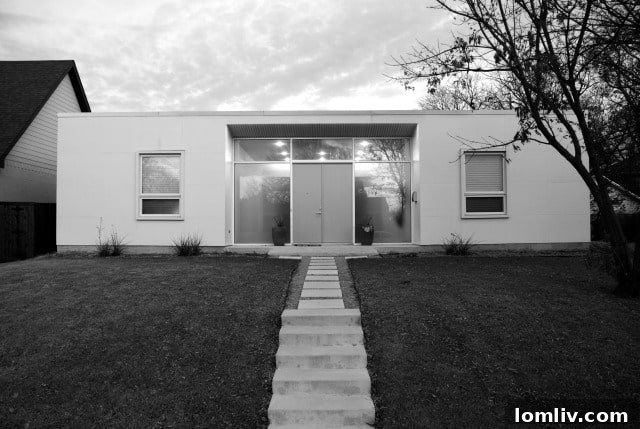
We then shifted our focus to specific projects that have left a lasting impression on him.
CD: What is your favorite project to date, and what makes it stand out for you?
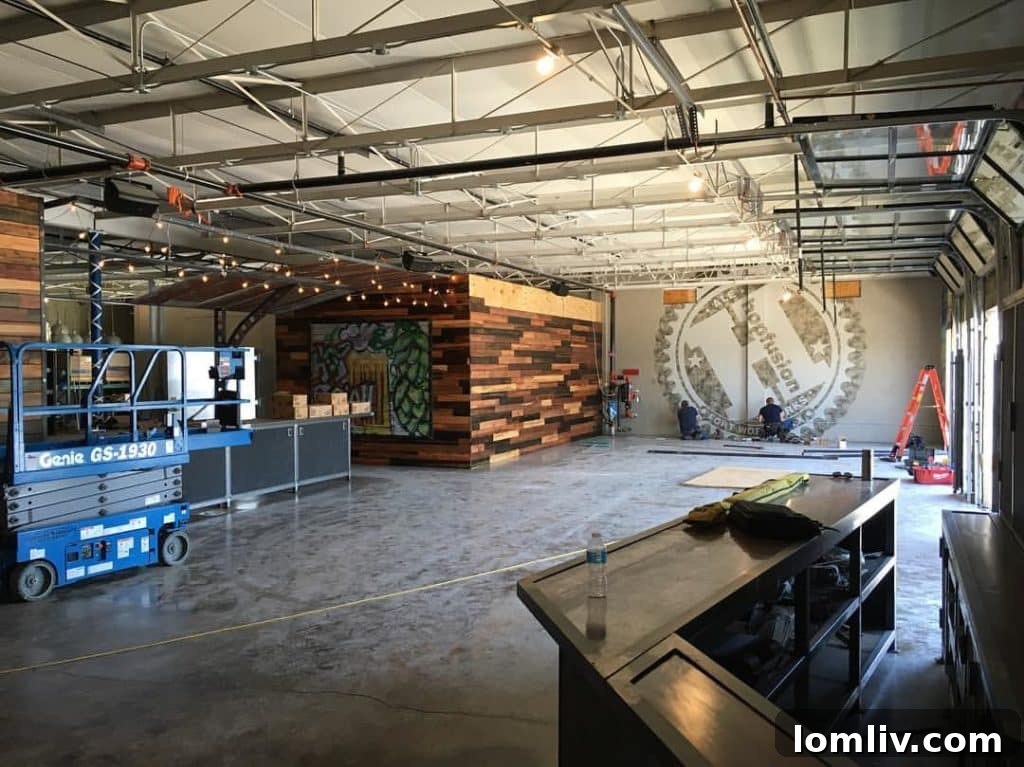
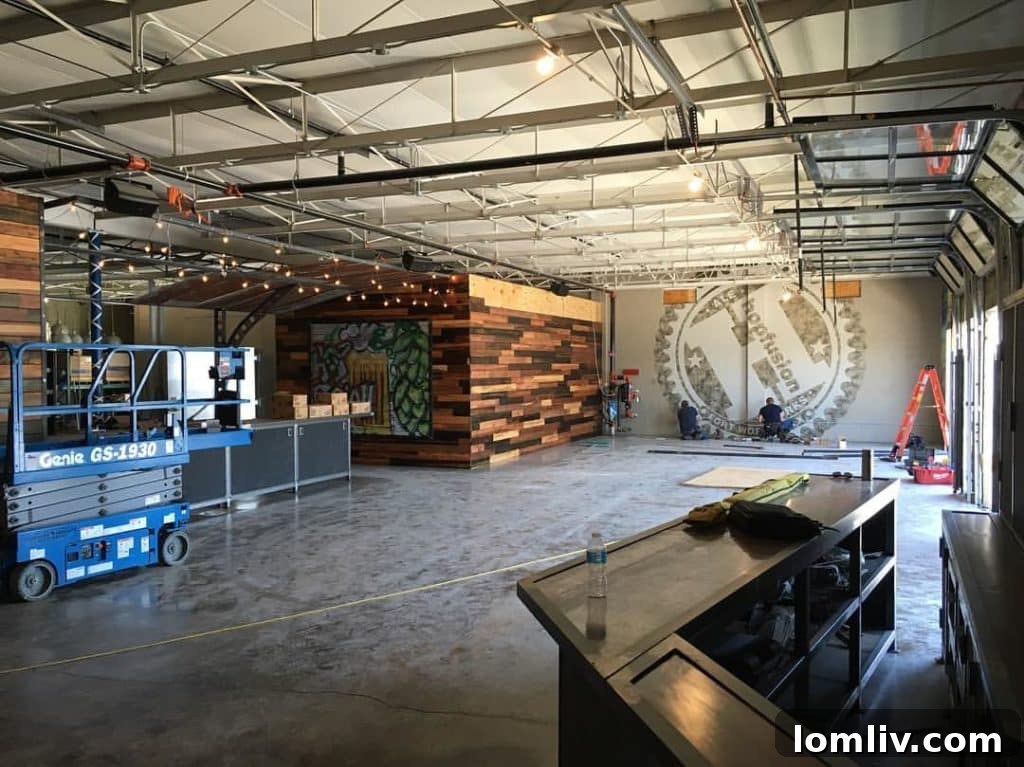
PN: My current favorite project, without a doubt, would have to be the new microbrewery and taproom for HopFusion Ale Works, strategically located just south of downtown Fort Worth. This project encapsulated so many rewarding elements that made the entire design and construction process exceptionally enjoyable. It represents a truly creative reuse of an existing building nestled in a part of town that, regrettably, had been overlooked and neglected for many years. This transformation will significantly contribute to the ongoing revitalization efforts within the area, injecting new life and energy into the neighborhood. Moreover, it’s a local business owned by individuals who genuinely live within the community, bringing with it all the invaluable benefits of local investment and engagement. Personally, it was a fascinating educational journey to immerse myself in and truly understand the intricacies of the brewing process, which directly informed the design decisions. But above all, it was simply an immense amount of fun. I genuinely believe that this project will evolve into a cherished neighborhood landmark, serving as a vibrant hub for the community for many years to come.
Our discussion naturally progressed to the vital topic of sustainability in architecture.
CD: How would you characterize the current state of sustainable architecture? And looking ahead, where do you envision its future?
PN: Today, I firmly believe that virtually every project designed by a competent architect integrates sustainability in some meaningful form or fashion. A significant amount of credit for this widespread adoption goes to the implementation of stronger, more comprehensive energy code regulations and to impactful programs like LEED (Leadership in Energy and Environmental Design). These initiatives have played a pivotal role in not only establishing higher standards but also profoundly raising awareness among the general public regarding the importance of sustainable practices in construction. However, where I see a critical need for further progress is at a much larger, systemic scale. We must collectively begin to think more comprehensively about sustainability at the neighborhood and even city levels, actively promoting and designing for walkability, efficient public transit, and mixed-use developments. Urban dwellers, for instance, demonstrably consume far less energy per capita than their suburban counterparts, yet for decades, we regrettably neglected these types of dense, walkable neighborhoods. While this trend is slowly but surely turning around, with renewed interest in urban living and infill development, there is still considerable work to be done to truly embed sustainable thinking into the fabric of our urban planning and architectural practices.
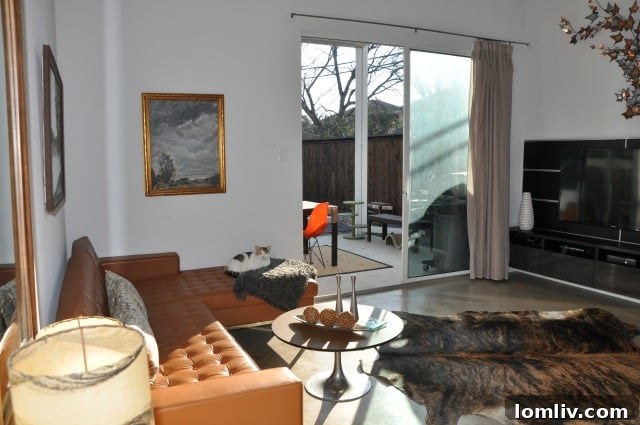
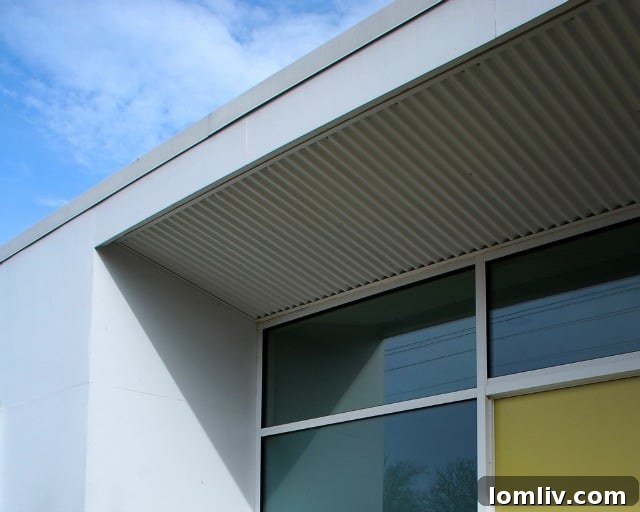
Philip’s personal connection to sustainable design is evident in one of his most notable achievements.
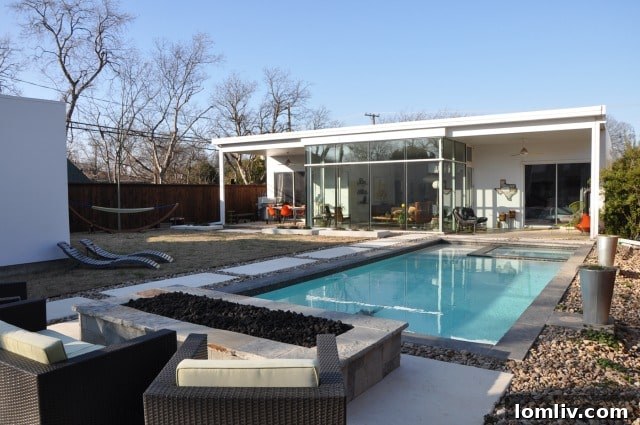
CD: You designed the first LEED Platinum certified home in Fort Worth, a groundbreaking project that was prominently featured on the 2015 AIA Fort Worth homes tour. What aspects made this particular project so profoundly special to you?
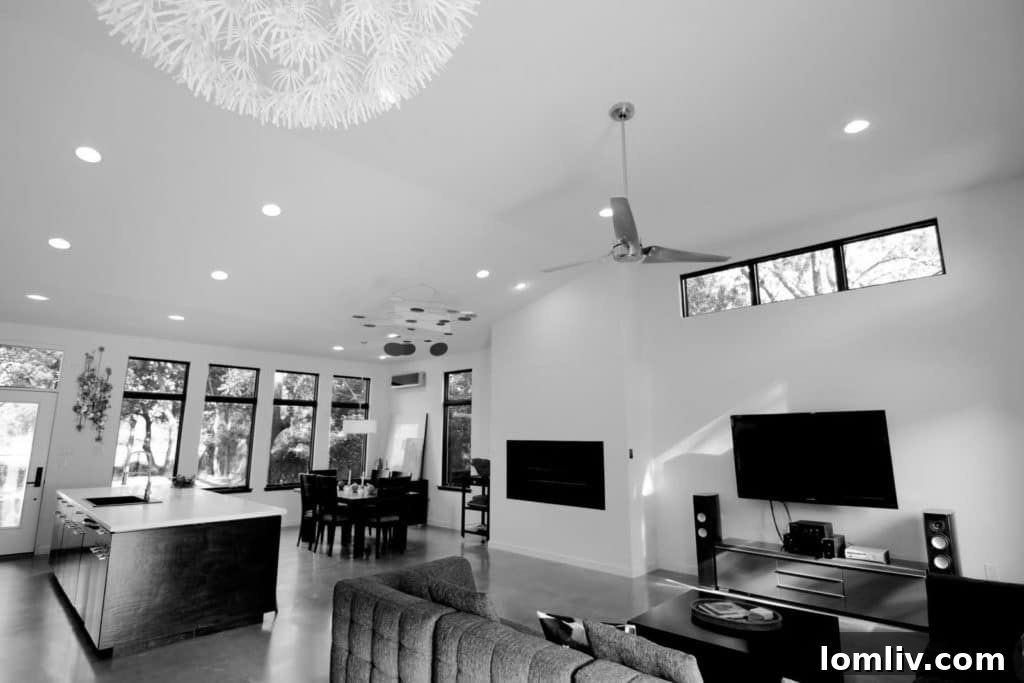
PN: What made that project truly exceptional and deeply personal was the fact that I designed it for myself and my family. It marked a significant milestone as the very first house I had designed entirely on my own, from concept to completion. This was a considerable departure in both architectural style and budget from the more typical residential projects I was accustomed to working on at the firm where I was employed at the time. Being my own client presented a unique opportunity, allowing me the freedom to meticulously focus on design elements that I felt were often underserved or neglected in conventional projects, particularly sustainability. Furthermore, it provided an invaluable platform to articulate my strong convictions on crucial architectural debates, such as the seamless compatibility between modern and historic architecture, and the undeniable importance of urban infill development to create denser, more vibrant communities. While my family has since moved, I am incredibly pleased to know that the new owners are wonderful stewards of the home, and I feel confident that it continues to be in very good hands, a testament to its enduring design and sustainable legacy.
Achieving such a high level of certification is no small feat.
CD: What did it mean to you to design the first LEED Platinum certified home in Fort Worth?
PN: For me, LEED certification is far more than just a label; it’s a tangible mark of genuine technical expertise and a testament to rigorous design. I approached it as a significant challenge, a personal quest to push the boundaries both aesthetically and sustainably as far as possible, especially given the relatively tight budget I was working with. Achieving Platinum certification for the house was immensely satisfying – it truly felt like a monumental achievement. It affirmed that innovative, high-performance sustainable design doesn’t necessarily require an unlimited budget. Moreover, the entire process was an incredible learning experience, deepening my understanding of integrated design principles, advanced building systems, and the meticulous documentation required to meet the highest environmental standards. It solidified my commitment to integrating sustainability into the core of every project.
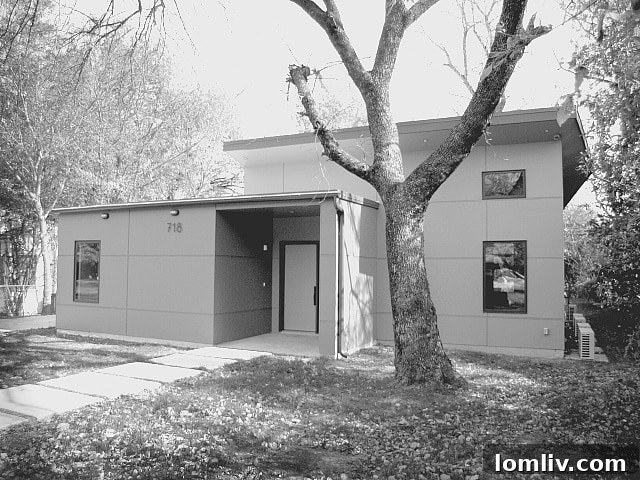
As our interview drew to a close, we inquired about the projects currently fueling his creative enthusiasm.
CD: What current projects are exciting you most right now, and what makes them particularly engaging?
PN: In addition to the HopFusion brewery project, which is nearing its exciting completion by late summer, I’m also deeply immersed in a significant remodel of a 14,000-square-foot office building located just west of downtown Fort Worth. This project is also currently under construction and is slated to open its doors very soon. There’s an immense satisfaction in taking an outdated, perhaps even a mediocre building, and breathing entirely new life into it through thoughtful, modern design. It’s about transforming underutilized spaces into vibrant, functional environments that contribute positively to the urban fabric. Beyond these commercial endeavors, I also have several residential projects actively underway. I particularly cherish the opportunity to work closely and collaboratively with homeowners who harbor ambitious visions for their personal spaces. These clients often seek unique, custom solutions that reflect their lifestyles and values, whether that involves cutting-edge sustainable features, innovative space planning, or a distinctive aesthetic. It’s incredibly rewarding to help bring these aspirations to fruition, crafting homes that are truly tailored to their occupants and built to last.
Finally, we explored his architectural inspirations within North Texas.
CD: What stands out as your favorite building in North Texas, whether commercial or residential, and what is it about its design that resonates so strongly with you?
PN: There are genuinely so many magnificent houses across Dallas and Fort Worth that selecting just one feels like an almost impossible task. However, one particular residence that I believe remains somewhat under-the-radar, yet truly represents an architectural masterpiece, is the Bass Residence, masterfully designed by Paul Rudolph in 1970. Situated in the exclusive Westover Hills area on the west side of Fort Worth, its design is incredibly discrete, largely obscured from public view by its strategic placement and landscaping. Consequently, I believe many people in the area aren’t even aware of its existence, which is a great shame because, in my professional opinion, it absolutely deserves to be celebrated and mentioned among the most significant late-modern American houses. Rudolph’s work here showcases an extraordinary command of concrete, light, and space, creating a dwelling that is both monumental and deeply personal. Its bold geometry, intricate volumes, and the way it harmonizes with its natural surroundings make it a truly exceptional example of 20th-century residential architecture, a hidden gem that continues to inspire.
Philip Newburn’s insights offer a compelling vision for architecture in North Texas, blending modern aesthetics with a profound commitment to sustainability and community enhancement. His work, from revitalizing urban spaces like HopFusion Ale Works to pioneering LEED Platinum residential design, demonstrates a holistic approach that benefits both clients and the broader urban environment. As he continues to push boundaries, Newburn remains a key figure in shaping thoughtful, authentic, and beautiful spaces for future generations.