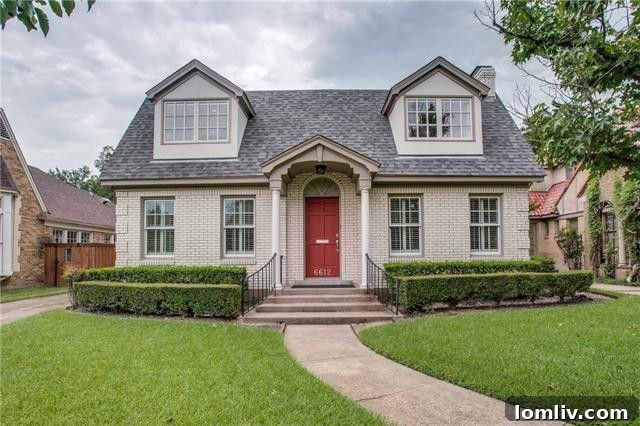
In a world often preoccupied with romance, especially around Valentine’s Day, it appears that for many Americans, matters of the heart extend beyond human relationships to encompass the profound connection we share with our homes. A recent, compelling survey conducted by Zillow has brought to light an intriguing revelation: an overwhelming 80 percent of Americans declare their profound love for their current dwelling. This statistic underscores the deep emotional bond individuals form with their living spaces, a bond built on comfort, security, and countless cherished memories.
However, while finding love for one’s home seems to be a common experience, the journey to acquiring that perfect abode in today’s dynamic real estate landscape is anything but simple. The current housing market, characterized by its hypercompetitive nature and rapidly appreciating property values, presents significant challenges for prospective buyers. This intense environment often turns the dream of homeownership into a complex quest, leading to surprising comparisons with other significant life milestones.
Remarkably, the Zillow survey found that approximately one-third of recent movers, specifically 34 percent, expressed that the arduous task of finding a house to purchase proved more challenging than finding a spouse to marry. This unexpected finding highlights the unique difficulties inherent in navigating the modern real estate market. Despite these hurdles, a significant majority of respondents also indicated that the process of shopping for a home was, paradoxically, more enjoyable than the often-stressful experience of dating. This suggests that while the competition is fierce, the pursuit of a dream home carries an inherent excitement and satisfaction that even romantic pursuits sometimes lack.
The Allure of House Shopping: Why Women Are Leading the Charge
Delving deeper into these intriguing findings, the survey reveals a distinct gender divide in preferences when it comes to the joy of the hunt. Women, more so than men, express a clear preference for house shopping over the intricacies of dating. A substantial 62 percent of women find the process of searching for a home more enjoyable, compared to 39 percent of men. This significant disparity invites speculation into the underlying psychological factors at play.
Some psychologists postulate that the act of browsing for-sale listings can trigger a powerful mood-boosting chemical reaction within the brain, strikingly similar to the thrill and anticipation associated with a budding romantic relationship. This phenomenon, which has even been humorously parodied on shows like Saturday Night Live (SNL), illustrates the almost addictive pleasure many derive from imagining new possibilities and envisioning their future life in a different space. During the unprecedented times of the pandemic, this psychological escape became particularly pronounced. A record number of users turned to platforms like Zillow, not just as a practical tool, but as a virtual refuge to escape the daily stresses of life and immerse themselves in daydreams of better surroundings and the transformative potential a move could bring. This surge in “Zillow surfing” transformed a practical necessity into a widespread pandemic pastime, offering solace and inspiration during uncertain times. The desire to explore new environments and visualize a different future became a powerful coping mechanism, underscoring the deep emotional resonance of home.
The Digital Advantage: How Technology Simplifies the Home Hunt
Amanda Pendleton, a seasoned Zillow home trends expert, eloquently draws parallels between the methods we employ to shop for homes and how we seek out romantic partners. She observes, “The way we shop for homes is in many ways similar to the way we meet romantic partners. Both involve wish lists, compromises, and deal breakers, and much of the legwork happens online.” This insightful comparison highlights the shared structural elements of these two significant life pursuits.
However, Pendleton quickly points out a crucial distinction that gives the home search a distinct advantage in terms of satisfaction and success rates. “But unlike dating apps,” she explains, “tools like interactive floor plans and virtual 3D home tours mean fewer home shoppers are disappointed when they see a home in person for the first time.” This technological advancement mitigates one of the most common frustrations in both dating and home buying: the stark contrast between online presentation and real-life experience. The ability to virtually explore a property in detail significantly reduces the element of surprise and enhances the accuracy of initial assessments. This advanced level of virtual immersion allows potential buyers to form a more realistic and informed impression before committing to an in-person visit.
Perhaps this is precisely why the survey unearthed another compelling statistic: a staggering 76 percent of respondents believe they will be successful in finding a home to buy using an app, a figure dramatically higher than the mere 24 percent who hold similar optimism for finding a romantic partner through an app. This stark difference speaks volumes about the perceived efficacy and trustworthiness of digital tools in the real estate sector versus the more ambiguous and often disheartening realm of online dating. Real estate technology, with its emphasis on transparency and detailed visualization, appears to foster a greater sense of confidence and control among users.
Houses Have Fewer Deal-Breakers: The Art of Compromise in Real Estate
Another compelling reason behind the higher satisfaction in home shopping may stem from a fundamental difference in expectations and the willingness to compromise. The survey reveals that most people, a significant 62 percent, find their wish list for a romantic partner far more difficult to satisfy than their wish list for a home, which only 38 percent find equally challenging. This suggests that individuals tend to have more stringent criteria and less flexibility when it comes to choosing a life partner.
This sentiment is further reinforced by the finding that 61 percent of Americans admit to having more “deal-breakers” when it comes to selecting a romantic partner compared to a property. When faced with the realities of the market, compromise becomes a crucial strategy, and most people are more prepared to apply it to their housing decisions. Specifically, two-thirds of Americans (67 percent) express a greater willingness to compromise on certain qualities or features in a home they intend to buy, whereas only 33 percent are as flexible when it comes to the qualities of a romantic partner. This pragmatic approach to home buying often means buyers are more inclined to overlook minor imperfections or adjust their preferences to secure a property that meets most, if not all, of their essential needs.
This difference in compromise levels highlights a societal understanding that while a home can be renovated, redecorated, or its surroundings adapted to over time, the fundamental characteristics and compatibility with a partner are often seen as less malleable. The tangible nature of a home allows for more flexibility and a greater sense of control over potential changes, making buyers more amenable to concessions.
Love at First Sight and the Willingness to Relocate
Despite the pragmatism often associated with real estate transactions, a deep-seated romanticism prevails when it comes to our homes. Nearly three out of four Americans, an impressive 73 percent, believe in the possibility of falling in love at first sight with a home. This figure significantly surpasses the 54 percent who believe they could experience love at first sight with a person. This indicates a powerful, almost instinctive, connection that many feel upon encountering a property that resonates with them, suggesting that the concept of “the one” applies not only to people but also to places.
Furthermore, when it comes to making life-altering decisions based on these connections, the survey reveals a distinct prioritization. While 65 percent of singles would contemplate moving to improve their dating prospects, an even higher percentage—a striking 84 percent—state they would consider relocating specifically to buy a home. This disparity underscores the profound importance people place on homeownership and the stability and fulfillment it represents. For many, finding the right home isn’t just about a change of scenery; it’s about establishing roots, building a future, and investing in a tangible asset that contributes significantly to their overall well-being and happiness. This willingness to move great distances for the right property illustrates the enduring power of the dream of homeownership.
Home is Where The Heart Eyes Are: The Enduring Love for Our Dwellings
Once the quest for the perfect home is complete, and individuals settle into their new abodes, the initial spark often blossoms into a lasting affection. The survey confirms this sentiment, revealing that a strong 80 percent of people genuinely love their homes. This profound connection is not merely superficial; it is deeply rooted in personal experiences and environmental factors.
The most frequently cited reasons for this enduring love are the invaluable memories created within the home’s walls, cherished by 82 percent of respondents. Homes serve as canvases for life’s most significant moments—first steps, family gatherings, quiet evenings, and personal milestones—making them repositories of emotional wealth. Closely following this sentiment, 77 percent of individuals cite their home’s location, the character of its neighborhood, or the quality of their neighbors as primary reasons for their affection. A vibrant community, convenient amenities, a sense of safety, and friendly faces all contribute significantly to a homeowner’s happiness and connection to their property.
Platforms like Zillow actively assist prospective buyers in finding these crucial elements. Tools such as Zillow’s travel-time function, walk score, and transit score empower shoppers to meticulously research and choose a neighborhood that aligns with their lifestyle and preferences, ensuring they’ll love not just the house, but its entire ecosystem. In today’s highly competitive housing market, much like in dating, finding “the one” can indeed be a challenging endeavor. However, with the right strategies, thorough preparation, a supportive team of real estate partners, and unwavering persistence, aspiring homeowners can significantly increase their chances of landing their dream home and building a future filled with cherished memories.
Ultimately, the Zillow survey paints a rich picture of the modern American’s relationship with homeownership. It highlights the emotional investment, the challenges of a tough market, the joy of the search, and the deep, lasting love that blossoms once the perfect home is found. For many, the journey to find a house is more than a transaction; it’s a quest for a place where the heart truly belongs.