The dynamic Dallas real estate market continues to be a focal point for both community development and economic trends. This week, we delve into significant updates that are shaping the city’s landscape. From substantial investments in local neighborhood projects aimed at fostering community pride and engagement, to the prevailing pressures impacting homeownership affordability in major Texas cities, and the latest funding news from Opendoor that highlights the ongoing evolution of the proptech sector in North Texas, there’s much to unpack. Understanding these intertwined factors provides crucial insights into the health and future direction of Dallas’s vibrant urban environment.
Dallas Invests in Community: Sixteen Neighborhood Projects Receive Vitality Grants
In a significant boost for local communities, sixteen distinct projects across Dallas are set to receive vital financial support through the Dallas Neighborhood Vitality Grant Program (DNVG). This initiative represents a robust commitment from the City of Dallas to empower residents and neighborhood organizations to drive meaningful improvements directly within their communities. The DNVG program, which is a revitalized version of the impactful growSouth Neighborhood Challenge Grant, is distributing over $100,000 in funding this year.
Empowering Neighborhoods for Sustainable Growth
The grant funds are allocated to a diverse array of projects designed to address specific local needs, ranging from aesthetic enhancements to critical infrastructure improvements. These initiatives include neighborhood beautification efforts, the installation of public art, upgrades to parks and trails, the creation and maintenance of community gardens, improved signage, and vital litter abatement programs. Each project has been carefully selected based on its potential to create tangible, positive change.
According to a city press release, “The DNVG program is a competitive annual funding opportunity approved by City Council to encourage neighborhood organizations to identify and implement projects that address specific needs to increase resident engagement, promote neighborhood pride, and build organizational capacity through collaboration and partnerships.” This statement underscores the program’s dual goals: not just to fund projects, but also to strengthen the organizational capabilities of neighborhood groups and foster a sense of collective ownership among residents.
Spotlight on Diverse Community Projects
The list of recipient neighborhood groups highlights the varied needs and innovative solutions proposed by Dallas residents:
- Bertrand Community Group Neighborhood Association: This group will enhance neighborhood identity by designing and installing distinctive gateway signage and street sign toppers, creating a more cohesive visual appeal.
- Caillet Crime Watch Program: Focusing on community recognition and safety, they will also implement branding for their neighborhood with new sign toppers.
- Cochran Heights Neighborhood Association: This ambitious project involves transforming an underutilized utility public easement into a vibrant, pedestrian-friendly living alley, breathing new life into neglected urban spaces.
- Five Mile Neighborhood Association: Joining others in establishing a clear identity, this association will also install new sign toppers.
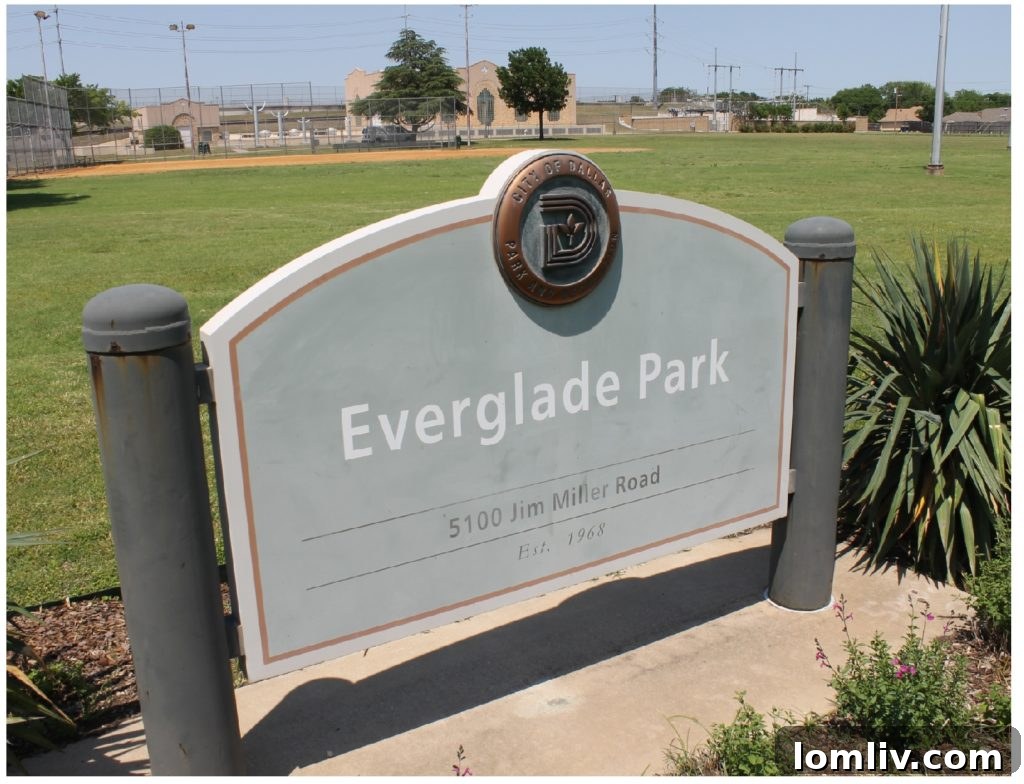
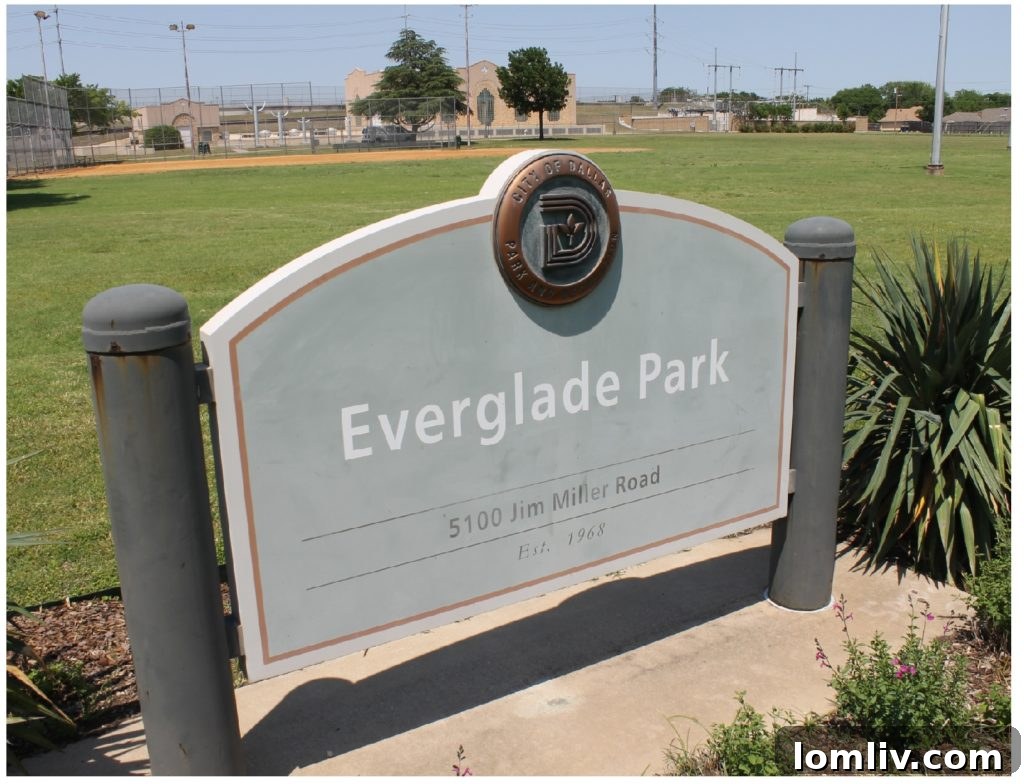
- Friends of Everglade Park (Buckner Terrace Homeowners Association): This grant will fund trail enhancements, including the purchase of much-needed park benches and dog waste clean-up stations, improving both recreation and public health.
- Friends of Exall Park (Bryan Place): Their project focuses on landscape enhancement, bringing beauty and vibrancy to the park with new soil, flowers, and shrubs.
- Get Healthy Dallas (Bertrand Community Group Neighborhood Association): An innovative initiative to empower residents by training them to become urban farmers, promoting food security and healthy living.
- Gilbert-Emory Neighborhood Association: To combat illegal dumping, this group will install a camera surveillance system in collaboration with the City Marshal’s Office, enhancing neighborhood safety and cleanliness.
- Kessler Plaza-Ravinia Heights Neighborhood Association: This project aims to solidify neighborhood identity by creating an iconic art mural at key locations, transforming public spaces into community landmarks.
- Regency Park I and 2 Homeowners Association: This association will install new neighborhood gateway signage, marking a clear entrance and fostering pride.
- Spring Creek Civic Organization: A landscape enhancement project at the southwest corner of Arapaho and Spring Creek is planned to improve visibility and safety for residents.
- The Lazarus Community Development Corporation (Queen City Neighborhood Association): Similar to Gilbert-Emory, this group will address illegal dumping through the installation of a camera surveillance system in partnership with the City Marshal’s Office.
- The Oak Cliff Veggie Project, Inc. (Homestead Neighborhood Association, Tenth Street Residential Association, and Singing Hills Neighborhood Association): This collaborative effort will enhance three existing community gardens in Southern Dallas, boosting local food production and green spaces.
- Twin Oaks Neighborhood Association: Another group investing in neighborhood branding with new sign toppers.
- Winnetka Heights Neighborhood Association: This project focuses on improving walkability, a key urban amenity, with the installation of new and repaired sidewalks.
- Wynnewood North Neighborhood Association: Contributing to neighborhood recognition, they will also add new sign toppers.
These projects exemplify the dedication of Dallas residents to improve their surroundings and demonstrate the tangible impact of city-backed initiatives. The DNVG program not only addresses immediate community needs but also lays the groundwork for sustained neighborhood vitality and engagement. (Source: City of Dallas)
Unpacking Homeownership Challenges: Dallas and Houston Grapple with Market Pressures
Aspiring homeowners in Texas’s largest metropolitan areas, Dallas and Houston, are facing significant headwinds as market pressures continue to dampen the demand for homeownership. A recent analysis by the BH&J Index, a collaborative effort by Florida Atlantic University and Florida International University, places Dallas among the top U.S. housing markets experiencing notable downward pressure on the dream of owning a home.
Understanding the BH&J Index and Its Implications
The BH&J Index rigorously studies the tradeoff between buying and renting in terms of long-term wealth creation. More than just a simple comparison, it acts as a sensitive sensor embedded in 23 of the nation’s key housing markets, meticulously measuring the underlying pressures influencing the demand for homeownership. Its findings revealed that a staggering 19 out of the 23 markets examined are currently contending with market dynamics that actively discourage individuals from buying a home.
Dallas and Houston, two of Texas’s economic powerhouses, are unfortunately part of this concerning trend. Dallas registered an index score of 0.98, while Houston posted a score of 0.72. To put these numbers into perspective, an index score that approaches 1 signifies substantial downward pressure on homeownership demand. Conversely, a score closer to zero indicates neutral pressure, and negative scores suggest an upward surge in demand.
Ken H. Johnson, Ph.D., a distinguished real estate economist and co-creator of the index, emphasized the dual nature of the BH&J Index. He noted that while it quantifies the financial advantages or disadvantages of buying versus renting, it simultaneously serves as a crucial barometer of the broader demand for homeownership within these vital markets.
Factors Contributing to Decreased Homeownership Demand
Several intertwined factors are likely contributing to this downward pressure in Dallas and Houston. Rapidly escalating home prices, often outpacing wage growth, create significant affordability challenges, especially for first-time homebuyers. Elevated interest rates further compound this issue, increasing the monthly mortgage payments and making homeownership less accessible. Limited housing inventory in desirable areas also fuels competition, pushing prices even higher. Additionally, economic uncertainties or job market fluctuations can make prospective buyers hesitant to commit to a major long-term investment. These combined elements create a challenging environment where the financial burden of purchasing a home outweighs the perceived benefits for many residents.
The high scores for Dallas and Houston suggest that these cities are facing particularly acute challenges in their housing markets. This trend could lead to a generational shift, where more individuals opt to rent for longer periods, impacting personal wealth accumulation and community stability. Addressing these pressures will likely require a multi-faceted approach, including initiatives to increase housing supply, explore innovative affordable housing solutions, and ensure that local economic growth translates into real benefits for prospective homebuyers. (Source: Florida Atlantic University College of Business)
Opendoor Secures $300 Million Investment: Fueling Growth and Innovation in the Proptech Landscape
In a significant development within the real estate technology sector, Opendoor, a pioneer in the iBuying space, announced a substantial injection of capital last week. Following a year marked by rapid expansion and impressive growth, the company successfully raised an additional $300 million in equity financing, pushing its valuation to an impressive $3.8 billion. This new round of funding underscores strong investor confidence in Opendoor’s innovative business model and its future trajectory in a competitive market.
Driving Expansion and Service Integration
The newly secured capital is earmarked for several strategic initiatives crucial to Opendoor’s continued ascent. A company spokesperson confirmed to Daltxrealestate.com that these funds will be primarily utilized to sustain and accelerate growth, develop new and enhanced product offerings, and further integrate its diverse suite of services. This focus on product development and service integration is key to solidifying Opendoor’s position as a comprehensive solution provider in the real estate transaction ecosystem.
Opendoor’s business model, known as iBuying (instant buying), offers homeowners a streamlined and often faster way to sell their properties directly to the company, bypassing traditional market complexities. This approach appeals to sellers seeking convenience, speed, and certainty, and has been a disruptive force in the residential real estate market. The company’s ability to quickly assess, purchase, and then re-sell homes, often with light renovations, has reshaped expectations for many homeowners.
National Reach and Local Impact
On a national scale, Opendoor’s operational metrics demonstrate remarkable scale and efficiency. The company is now actively buying and selling nearly 3,000 homes each month, a testament to its robust platform and market penetration. With operations spanning 23 markets and having served more than 36,000 customers to date, Opendoor is significantly impacting how homes are transacted across the United States. This rapid growth signifies not only the company’s operational prowess but also the increasing consumer appetite for more convenient and predictable real estate solutions.
The impact of Opendoor’s growth is particularly felt in North Texas, where the company has maintained a strong presence since its launch in February 2015. Since its Dallas-Fort Worth debut, Opendoor has facilitated transactions for over 9,100 buyers and sellers, becoming a prominent player in the local market. Currently, nearly 250 Opendoor homes are available on the market in the DFW metroplex, offering a diverse selection for potential buyers.
Beyond transactions, Opendoor is also contributing to the local economy. “We’re hiring for 25 open positions and expect to use the additional financing to continue to expand our local team,” the spokesperson added. This commitment to local job creation further solidifies Opendoor’s positive economic footprint in the Dallas-Fort Worth region, bringing new opportunities in a burgeoning tech-driven real estate industry.
A Strong Vote of Investor Confidence
This substantial round of financing attracted a consortium of leading investors, indicating broad confidence in Opendoor’s strategic vision and market execution. The notable lineup includes General Atlantic, Hawk Equity, SoftBank Vision Fund, Access Technology Ventures, Lennar Corporation, Fifth Wall Ventures, SV Angel, Norwest Venture Partners, NEA, GGV Capital, Khosla Ventures, and GV, alongside other strategic investors. The involvement of such high-profile firms underscores the potential they see in Opendoor to continue innovating and leading the proptech space, revolutionizing how people buy and sell homes.
Dallas Real Estate: A Landscape of Growth, Challenges, and Innovation
The recent developments in Dallas’s real estate scene paint a comprehensive picture of a city in constant evolution. The Dallas Neighborhood Vitality Grant Program highlights a commendable commitment to grassroots community development, fostering local pride and addressing specific needs through collaborative efforts. This investment in local neighborhoods is crucial for enhancing the overall quality of life and ensuring equitable growth across the city. Simultaneously, the challenges identified by the BH&J Index regarding homeownership affordability in Dallas and Houston underscore a critical need for sustainable housing solutions that can withstand market pressures and make homeownership accessible to more residents. Finally, Opendoor’s significant funding and continued expansion in North Texas exemplify the transformative power of proptech, offering new efficiencies and choices in a traditionally complex market. Together, these stories illustrate a dynamic Dallas real estate landscape—one marked by dedicated community engagement, persistent economic hurdles, and innovative technological advancements that are continually reshaping the urban experience.