Maximizing Home Value: A Deep Dive into Dallas & Texas Remodeling ROI in 2015
For countless homeowners across Dallas, Texas, and indeed the entire nation, the decision to undertake a home remodeling project often boils down to two critical factors: enhancing a property’s visual appeal or significantly boosting its energy efficiency. These twin goals drive countless renovation efforts, from minor cosmetic updates to major structural overhauls, each aiming to deliver tangible benefits—whether through increased comfort, reduced utility bills, or a higher resale value.
Understanding which projects offer the best returns on investment (ROI) is crucial for any homeowner looking to make smart choices. In 2015, the Texas Association of Realtors (TAR) published its comprehensive Texas Remodel Valuation Report. This vital publication offered a detailed analysis of the popularity and profitability of various home improvement projects, providing invaluable insights for homeowners considering renovations. The report meticulously examined data from both national and local markets, helping to demystify the complex world of home renovation economics for Texans.
Dallas, a dynamic real estate market, consistently sees a robust interest in remodeling. While the profitability of most home improvement projects in the city experienced a slight decline in 2015, the overall landscape remained positive. Homeowners could still expect ROIs ranging impressively between 51.5 percent and 108.6 percent, indicating that strategic investments could still yield significant financial benefits. This continued profitability highlights Dallas’s enduring appeal as a market where well-planned renovations are rewarded.
Many Dallas residents strategically acquire “fixer-upper” properties, embarking on targeted projects to enhance livability, modern aesthetics, and energy performance. Others opt to complete specific upgrades just before listing their homes, aiming to maximize curb appeal and command a higher price in a competitive market. The report’s findings empower these homeowners to prioritize projects that align with their financial goals, ensuring their investments contribute meaningfully to their property’s overall worth and market desirability.
Top-Performing Remodeling Projects in Dallas: Unveiling the Highest ROIs
When it came to getting the most “bang for your buck” in the Dallas remodeling market in 2015, certain projects consistently stood out, demonstrating exceptional returns on investment. These projects not only enhanced the homes but also offered homeowners a strong financial recovery for their efforts, making them prime candidates for anyone looking to add value.
Manufactured Stone Veneer: A Facelift with Significant Returns
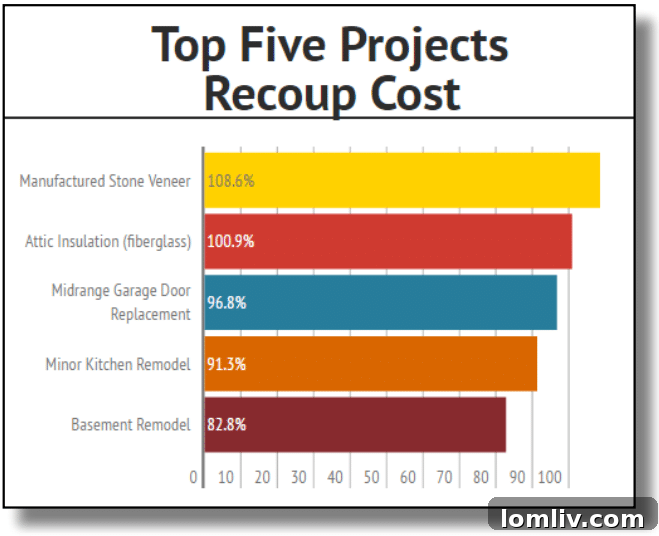
Leading the pack locally was the installation of manufactured stone veneer. This versatile and aesthetically pleasing alternative to traditional siding, often used for exterior accents, fireplaces, or foundation treatments, proved to be an incredibly profitable endeavor. In Dallas, homeowners who invested in manufactured stone veneer recouped, on average, an astonishing 108.6 percent of the total project cost, equating to approximately $7,920. This exceptional return made it the most profitable project in the city, demonstrating its immense appeal and perceived value among buyers.
Beyond Dallas, manufactured stone veneer consistently ranked among the top five most profitable projects across nearly all Texas markets, with Houston being a notable exception. Statewide, this particular upgrade saw an even more impressive 157.9 percent ROI, underscoring its broad appeal and effectiveness in boosting property values throughout the state. Its popularity stems from its ability to dramatically transform a home’s exterior, offering a sophisticated, high-end look at a fraction of the cost of natural stone, thus making it a smart choice for enhancing curb appeal and resale value.
The allure of manufactured stone veneer lies in its dual benefits: aesthetic enhancement and cost-effectiveness. It provides the visual richness and texture of natural stone, instantly elevating a home’s exterior façade, enhancing entryways, or creating striking focal points on interior walls or fireplaces. This immediate visual upgrade significantly contributes to a home’s curb appeal, making it more attractive to potential buyers from the moment they see it. Furthermore, compared to traditional full-stone masonry, manufactured veneer is lighter, easier to install, and significantly less expensive, offering a high-impact transformation without breaking the bank. This combination of visual appeal and economic viability cemented its status as a top-tier investment for Texas homeowners in 2015.
Fiberglass Attic Insulation: The Unsung Hero of Energy Efficiency
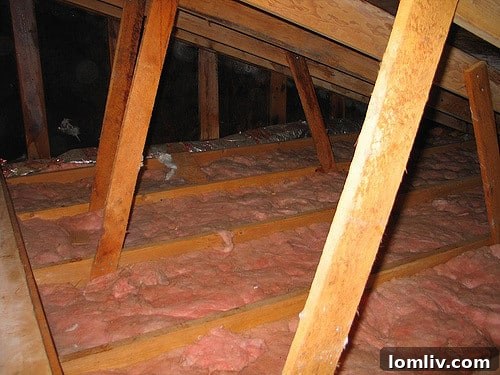
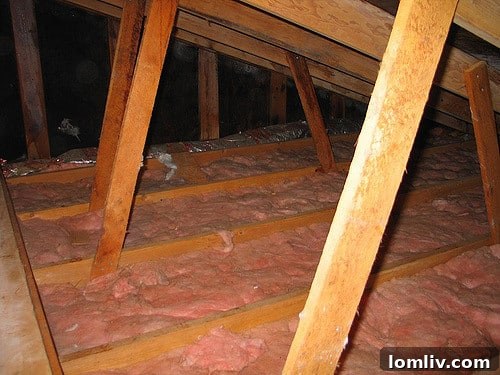
Hot on the heels of manufactured stone veneer, another project offering exceptional returns was fiberglass attic insulation. While perhaps not as visually glamorous as an exterior facelift, enhanced attic insulation represents a critical investment in a home’s long-term energy efficiency and overall comfort. In Dallas, homeowners who prioritized insulation projects in 2015 were rewarded with a substantial 100.9 percent ROI, according to the TAR report.
This high return underscores the growing importance of energy-efficient homes, especially in a climate like Texas where heating and cooling costs can be significant. Proper attic insulation acts as a vital barrier, preventing heat transfer between the living space and the attic, thereby maintaining more stable indoor temperatures year-round. This translates directly into lower utility bills, making the home more affordable to maintain and more attractive to potential buyers seeking long-term savings. Beyond the financial returns, improved insulation contributes to a quieter home environment and a more consistent indoor climate, enhancing occupant comfort. As awareness of environmental impact and energy costs continues to rise, insulation upgrades remain a foundational investment for any homeowner.
Curb Appeal Powerhouses: Garage Door Replacements
Beyond the top two, other projects consistently delivered strong returns, particularly those that offered an immediate and noticeable boost to a home’s curb appeal. Among these, garage door replacements emerged as a perennial favorite across Texas markets. Replacing an old, worn-out garage door with a new, stylish one is a relatively quick and straightforward project that can dramatically enhance the exterior aesthetics of a home.
In 2015, garage door replacements consistently ranked among the top five most profitable projects in major Texas cities, including Austin, Dallas, El Paso, Houston, and San Antonio. On average, homeowners statewide saw an impressive 112.1 percent ROI on the total cost of their garage door replacement. This highlights the significant impact a new garage door can have on a home’s perceived value and initial impression. It’s often one of the largest features on the front of a house, making its condition and style pivotal to curb appeal.
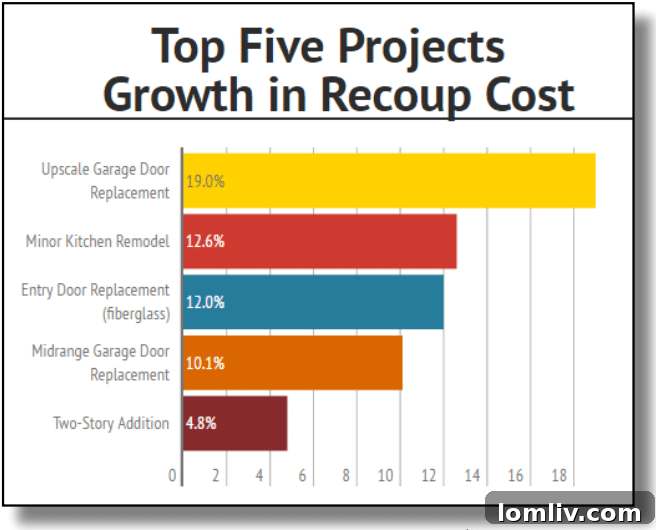
Interestingly, the report drew a distinction between different tiers of this project. While upscale garage door replacements showed the highest annual increase in recoup cost in 2015, rising by 19 percent over 2014 to regain 82.2 percent ($2,550) of the total project cost on average, midrange improvements often saw even bigger ROIs. Homeowners who opted for a midrange garage door replacement experienced an impressive 96.8 percent ROI. This suggests that while a high-end door can certainly enhance a property, a more moderately priced, yet aesthetically appealing, option often delivers a superior financial return, striking a perfect balance between cost and visual impact. A new garage door not only improves aesthetics but also enhances security and functionality, factors that resonate strongly with potential buyers.
The Nuances of Upscale Renovations: Balancing Luxury with Return
While some upscale projects, like garage door replacements, offered reasonable returns, the 2015 report revealed a crucial distinction: not all luxury renovations translate directly into high financial profitability. Homeowners often grapple with the decision to invest in high-end finishes and elaborate designs, hoping for a commensurate increase in their home’s market value. However, the data suggested a more nuanced reality, particularly concerning certain interior overhauls.
Upscale Bathroom Remodels: The Lowest ROI Project
Perhaps one of the most surprising findings of the 2015 report was the low profitability of upscale bathroom remodels. Despite being a common desire for many homeowners seeking modern amenities and luxurious comfort, these projects were identified as the least profitable. Homeowners recouped, on average, a mere 51.5 percent ($28,618) of the total project cost. This represented a significant 24.9 percent decrease from the year prior, indicating a downward trend in the market’s valuation of such extensive bathroom overhauls.
The lower ROI for upscale bathroom remodels can be attributed to several factors. High-end fixtures, custom tile work, and designer elements can quickly escalate costs, often beyond what the average buyer is willing to pay extra for. While a beautifully renovated bathroom undoubtedly enhances personal enjoyment and comfort, its incremental value on the open market might not always match the expenditure. Buyers often appreciate clean, functional, and updated bathrooms, but lavish details might not command a significant premium, especially if they reflect highly personalized tastes. This finding encourages homeowners to carefully consider the scope of their bathroom renovations, perhaps favoring midrange updates that offer a better balance of cost, appeal, and return.
Beyond Expansion: The Unexpected Low Returns of Additions
Another fascinating insight from the 2015 report challenged a common perception that expanding a home’s footprint automatically guarantees a high return. Historically, adding square footage has been seen as a surefire way to increase property value. However, the data from Texas in 2015 suggested a more cautious approach when considering major additions.
Remodeling projects focused on maximizing a home’s existing square footage, as well as significant additions such as bathrooms, decks, and master suites, were among the least profitable ventures in 2015. These expansive projects brought as little as a 25.5 percent ROI. This low return can be attributed to the substantial costs involved in new construction—foundations, framing, roofing, and extensive finishing work—which often outstrip the perceived value added by the market.
While an addition undeniably provides more living space and can improve functionality for the homeowner, the market’s valuation might not always align with the investment. For instance, while a master suite addition offers privacy and luxury, its cost can be prohibitive, making it difficult to fully recoup during resale. Similarly, deck additions, while enhancing outdoor living, are subject to wear and tear and climate considerations, which can depress their resale value compared to their initial build cost. This suggests that homeowners should carefully weigh the personal enjoyment and utility derived from additions against their financial return, especially if resale value is a primary motivation.
Strategic Remodeling for Dallas Homeowners: Key Takeaways
The 2015 Texas Remodel Valuation Report offered a wealth of information for Dallas homeowners looking to make informed decisions about their property investments. The key takeaway is that not all renovations are created equal when it comes to financial returns. Strategic planning, coupled with an understanding of local market trends, is paramount for maximizing value.
For those prioritizing a strong ROI, focusing on projects that enhance both curb appeal and energy efficiency proved to be the most reliable strategy. Manufactured stone veneer and fiberglass attic insulation stood out as stellar investments, offering returns that often exceeded the initial outlay. Quick curb appeal boosters like garage door replacements also consistently delivered impressive ROIs, proving that impactful changes don’t always require extensive budgets or complex construction.
Conversely, the report cautioned against assuming that all upscale or expansive projects would yield high financial returns. While a luxurious bathroom remodel or a sprawling new addition might significantly enhance a homeowner’s personal enjoyment and lifestyle, their ability to generate a profit upon sale was considerably lower in 2015. This suggests that such projects should be undertaken primarily for personal satisfaction rather than as a pure investment strategy.
Ultimately, homeowners in Dallas and across Texas should approach remodeling with a clear understanding of their goals. Whether it’s to prepare a home for sale, improve daily living, or reduce long-term costs, aligning project choices with expected returns—both financial and personal—is the smartest way to invest in a property. Consulting with local real estate professionals and contractors who understand regional market dynamics can further refine these decisions, ensuring that every remodeling dollar spent contributes meaningfully to the home’s overall value and appeal in the vibrant Texas real estate market.