Dallas-Fort Worth Real Estate Market: Navigating Growth, Demand, and Affordability
The Dallas-Fort Worth (DFW) metropolitan area has long been recognized as a powerhouse in the Texas and national real estate landscapes. A vibrant economy, steady job creation, and a burgeoning population have consistently fueled a dynamic housing market. During the period leading up to and encompassing Q4 2014, the DFW real estate market experienced significant momentum, characterized by soaring new home sales and consistent appreciation in existing home values. This era marked a crucial point where the market not only rebounded strongly from previous economic challenges but also began to grapple with the complexities of rapid growth and the ever-present concern of housing affordability.
Reports from this time highlighted a robust recovery, with new home sales reaching their highest levels since the pre-2008 economic downturn. This impressive resurgence underscored a renewed confidence among buyers and a healthy appetite for new construction. Concurrently, the prices of existing homes across the DFW metroplex showed consistent year-over-year increases, reflecting a broader economic upturn and heightened demand across various segments of the market. This combination of surging activity and appreciating values solidified DFW’s reputation as a highly attractive region for both residential living and strategic real estate investment.
The Surge in New Home Sales: Meeting Growing Demand in DFW
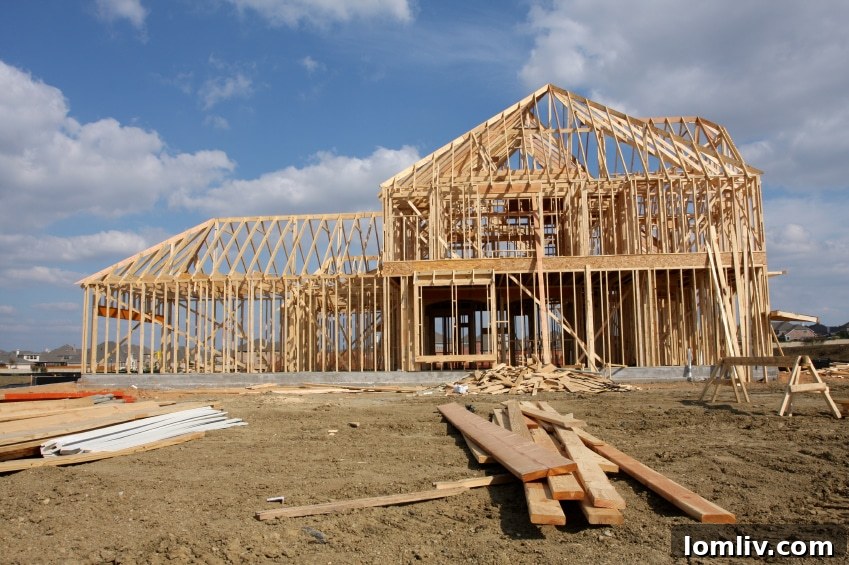
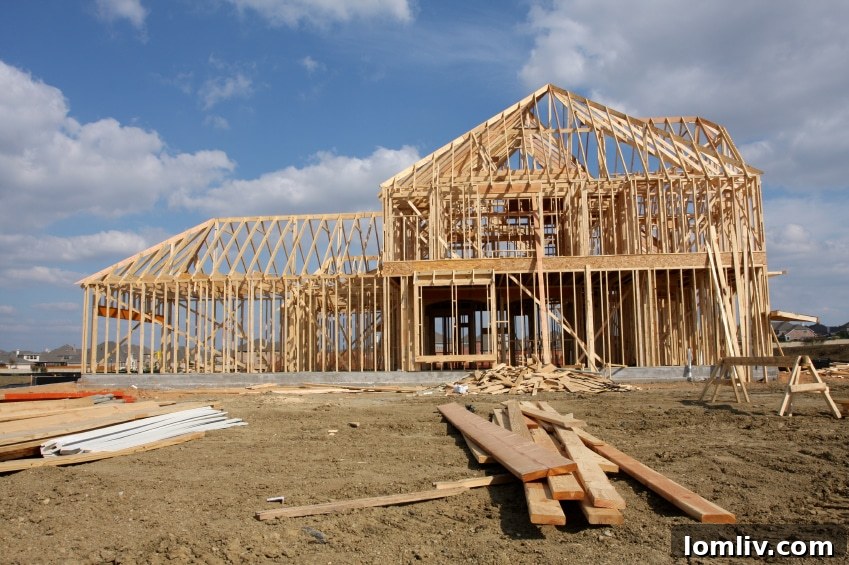
The data from this period painted a clear picture of an intensely active new home market. According to detailed reports from Residential Strategies, new home sales in the Dallas-Fort Worth area witnessed a remarkable 17 percent increase compared to the same period in the previous year. This impressive jump in sales was further complemented by a significant rise in new home starts, which climbed by 11.4 percent, totaling 6,511 units. These figures were a testament to the strong underlying demand driven by sustained population growth and a robust job market within the DFW region.
Builders found themselves in a highly competitive environment, working diligently to keep pace with the escalating buyer interest. While the market presented ample opportunities for growth and expansion, developers also faced the critical challenge of maintaining affordability. The delicate balance between constructing enough homes to meet demand and ensuring those homes remained accessible to a wide range of buyers became a central theme for the industry.
“Start activity remains strong as builders maintain healthy sales backlogs and are working to reestablish depleted speculative inventory,” stated Ted Wilson of Residential Strategies in his insightful report. He further emphasized the foundational drivers: “Robust job formation, in combination with tight housing inventories, has kept builders optimistic about sustained new housing demand.”
This observation succinctly captured the market’s dynamics. A thriving job market acts as a powerful magnet, attracting new residents and enhancing the purchasing power of existing ones. This continuous influx, coupled with a constrained supply of available housing units, created fertile ground for new construction. Builders were actively engaged in a continuous effort to replenish their inventories, which were quickly absorbed by eager buyers, underscoring the DFW housing market’s vibrant and fast-moving nature.
The Escalating Affordability Challenge in North Texas Housing
Despite the positive indicators of sales growth and increased construction, the issue of affordability began to emerge as a significant concern for both buyers and industry professionals. The rapid rise in new home prices, while indicative of a healthy market, inevitably started to influence buyer behavior, leading to a noticeable slowdown in sales for certain segments of the market. The financial implications of this trend were substantial and broadly felt across North Texas.
Analysis revealed a dramatic increase in the median price of a new home in North Texas. Since 2007, this figure had surged by an astonishing $69,000, representing a 33 percent increase, pushing the median price to $275,000. Such a rapid escalation in home values within a relatively short period highlighted the profound transformation occurring in the DFW real estate landscape. What was once considered a highly affordable major metropolitan area was swiftly evolving into a market where homeownership required a more substantial financial commitment, raising questions about long-term accessibility for many residents.
“Affordability continues to be a primary concern for new home builders,” Wilson underscored, articulating the proactive stance of the development community. He further explained their strategic considerations: “Many are anticipating that at some point down the road, interest rates will increase, and they want to ensure that their housing prices are still within reach of the consumer.”
This forward-thinking perspective revealed the industry’s awareness of potential future challenges. The prospect of rising interest rates, which could further erode purchasing power, was a significant consideration for builders. Consequently, strategies aimed at keeping housing prices “within reach” became paramount, necessitating a careful balancing act between maximizing profit margins and ensuring market inclusivity. This proactive approach demonstrated a commitment to sustainable growth rather than unchecked expansion.
Dallas-Plano-Irving: A Leader in Home Price Appreciation
Beyond the robust new construction sector, the existing home market in DFW also demonstrated remarkable strength and vitality. A comprehensive report by CoreLogic provided granular insights into home price appreciation across key areas within Texas. Notably, the Dallas-Plano-Irving metropolitan area recorded an impressive 8.5 percent increase in home prices, as detailed in CoreLogic’s most recent Home Price Index (HPI).
This significant appreciation figure not only underscored the underlying strength of the local economy but also positioned DFW as a leading region for home value growth within the national context. It indicated that demand extended beyond newly built properties, signaling a healthy resale market and a strong overall investor and homeowner confidence in the region’s housing sector. The consistent upward trajectory of home values further cemented DFW’s reputation as a highly desirable location for both living and long-term investment.
“Home prices continue to rise, albeit more slowly, across most of the U.S.,” observed CoreLogic CEO Anand Nallathambi, providing a broader national context. He further elaborated on DFW’s performance in relation to other major urban centers: “Major Metropolitan Areas such as Riverside and Los Angeles, California, and Houston continue to lead the way with strong price gains buoyed by tight supplies and a gradual rebound in economic activity.”
Nallathambi’s comments offered valuable perspective, illustrating that DFW’s robust growth was not an isolated phenomenon but rather an integral part of a larger national trend of economic recovery and property appreciation, particularly evident in key urban hubs. The consistent themes of “tight supplies” and “rebounding economic activity” strongly resonated with the conditions observed in the Dallas-Fort Worth market. This comparative analysis affirmed that the DFW housing market was a prominent and strong performer in the national economic resurgence, mirroring the successes of other high-growth areas.
Key Drivers Behind the Sustained Dallas-Fort Worth Real Estate Boom
The enduring growth and consistent appreciation within the Dallas-Fort Worth real estate market are not mere coincidences; they are the direct outcome of a confluence of powerful economic and demographic forces. Understanding these fundamental drivers is essential for anyone considering engaging with the DFW property market, whether as a buyer, seller, or investor.
- Exceptional Job Growth and Corporate Relocations: Dallas-Fort Worth has consistently served as a prime destination for major corporations seeking a pro-business environment, competitive operational costs, and access to a vast, highly skilled talent pool. Corporate relocations and expansions bring thousands of new jobs annually, which in turn attract a significant influx of new residents who require housing. This self-sustaining cycle of job creation and migration is perhaps the most critical engine driving housing demand.
- Rapid Population Influx: The state of Texas, and particularly the DFW metroplex, has experienced exponential population growth over the past decade. Individuals and families are migrating to the region drawn by abundant job opportunities, a relatively lower cost of living compared to coastal metropolitan areas (even with local price increases), and a vibrant cultural and social scene. This continuous increase in the resident base directly translates into heightened demand for both rental accommodations and owned properties.
- Highly Diversified Economic Base: DFW boasts an exceptionally diversified economy that spans a wide array of sectors, including technology, finance, healthcare, logistics, manufacturing, and energy. This broad economic base provides inherent resilience against downturns in any single industry, furnishing a stable and robust foundation for sustained economic growth and, consequently, strong consumer confidence in the housing market.
- Strategic Geographic Location and Infrastructure: The central geographic position of Dallas-Fort Worth within the United States, complemented by world-class infrastructure that includes two major international airports (DFW International and Dallas Love Field) and an extensive network of highways, positions it as an ideal hub for both businesses and individuals. This unparalleled logistical advantage significantly enhances its appeal as a premier residential and commercial center.
- Favorable Business Climate: Texas is renowned for its business-friendly policies, notably the absence of a state income tax. This policy translates into more disposable income for residents and lower operating costs for businesses, profoundly contributing to the economic vitality that underpins the region’s thriving real estate market.
Opportunities for Investors: Navigating Niche Markets and Long-Term Potential
For discerning investors, the Dallas-Fort Worth real estate market presented a compelling argument for optimism during this period and continues to do so in the broader context. The consistent return to peak price levels in Texas, notably without the volatile spikes and subsequent sharp corrections observed in some other national markets, signaled a trajectory of stable and sustainable growth. With new home construction vigorously increasing and property prices maintaining their upward trend, the DFW market offered diverse investment opportunities across various niche segments.
Specific niche markets within DFW provided distinct advantages. For example, the demand for entry-level homes remained exceedingly strong, driven by first-time homebuyers and individuals seeking more affordable housing options in developing suburban areas further from the urban core. Conversely, the luxury market also demonstrated significant activity, fueled by high-net-worth individuals, corporate executives relocating to the region, and affluent buyers drawn to high-end amenities and prestigious communities. Savvy investors could strategically target these specific segments, ranging from single-family rental properties in rapidly expanding suburban enclaves to multi-family developments designed to accommodate the steady influx of young professionals and families.
The positive long-term outlook for investors was further reinforced by the region’s robust demographic and economic projections. The continuous cycle of corporate expansions, widespread job creation, and consistent population growth strongly suggested that the demand for housing would remain exceptionally robust for the foreseeable future. This inherent stability, coupled with strategic opportunities in diverse property types, firmly positioned DFW as a premier location for real estate investment, promising healthy rental yields and substantial capital appreciation over time.
Charting the Course: The DFW Real Estate Market’s Evolution Beyond Q4 2014
As the curtains closed on Q4 2014, a prevalent question lingered: could the Dallas-Fort Worth real estate market sustain its remarkable momentum? Texas, as a whole, demonstrated consistent stability, holding firm at its return-to-peak price levels, indicative of a healthy and measured recovery rather than an overheated bubble. Unlike more volatile markets, DFW appeared to be experiencing a more calibrated yet consistently positive appreciation trend.
The synergy of elevated new home construction, a generally positive economic outlook across various investment niches, and steadily rising property prices cultivated an environment of cautious yet profound optimism. The challenges associated with affordability, while significant and requiring ongoing attention, were actively being addressed by both builders and local policymakers, hinting at a market that was maturing, adapting, and striving for balanced growth.
Looking beyond that immediate quarter and into the long-term, the fundamental drivers of the DFW market remained exceptionally strong. The region’s economic diversity, its undeniable appeal to major corporations seeking relocation or expansion, and its relentless population growth were powerful engines poised to drive future housing demand. While potential increases in interest rates and fluctuating inventory levels would require continuous monitoring and strategic adjustments, the overarching sentiment pointed towards sustained market strength and resilience.
The Dallas-Fort Worth real estate market was, and continues to be, a prime example of strategic economic development and impactful demographic shifts. It has consistently presented a compelling case for growth, offering significant opportunities for both homebuyers seeking their dream residence and investors aiming for substantial returns. The invaluable lessons gleaned from this period of robust activity underscored the critical importance of balancing rapid growth with persistent affordability concerns and proactive strategic planning for long-term market sustainability. The DFW metroplex has unequivocally solidified its position as one of the nation’s most dynamic, attractive, and enduring real estate markets.
Whether you are contemplating purchasing your inaugural home, upgrading to a more spacious property, or actively exploring astute investment avenues, a comprehensive understanding of the historical context and the ongoing economic and demographic drivers of the Dallas-Fort Worth real estate market is absolutely paramount. Its consistent trajectory of growth, coupled with its inherent economic resilience, undeniably renders it a region worthy of close observation and active engagement for years to come.