A contentious legal and political battle is unfolding in Texas, pitting private developers against state environmental agencies over the future of Fairfield Lake State Park. On Saturday, June 10, the Texas Parks and Wildlife Commission (TPWC) took the extraordinary step of voting to condemn and acquire approximately 5,000 acres encompassing both Fairfield Lake and the beloved Fairfield Lake State Park. This move came just nine days after the property was officially acquired by Todd Interests, a prominent Dallas-based real estate firm, on June 1. In a swift and sharp response issued today, Todd Interests vehemently denounced the use of eminent domain to keep the park open to the public, labeling it a “disastrous precedent” that threatens private property rights across the state.
The Heart of the Dispute: Fairfield Lake State Park’s Future
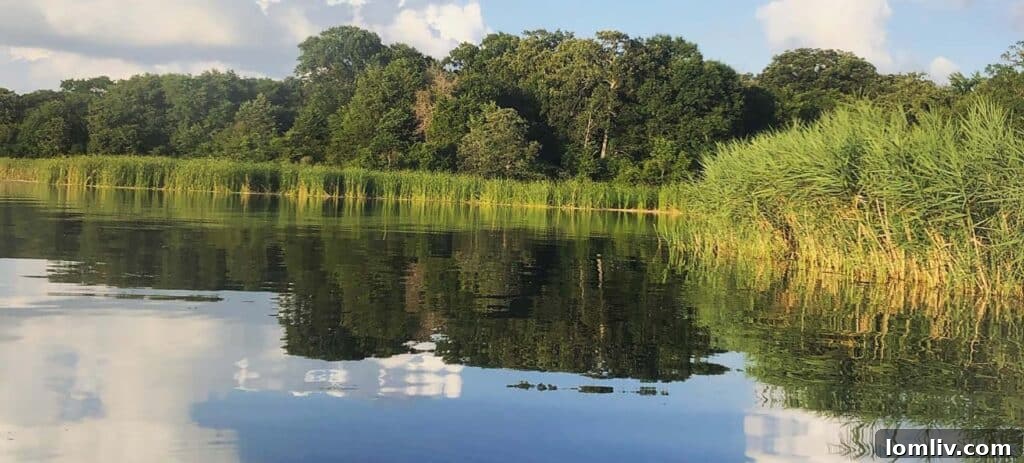
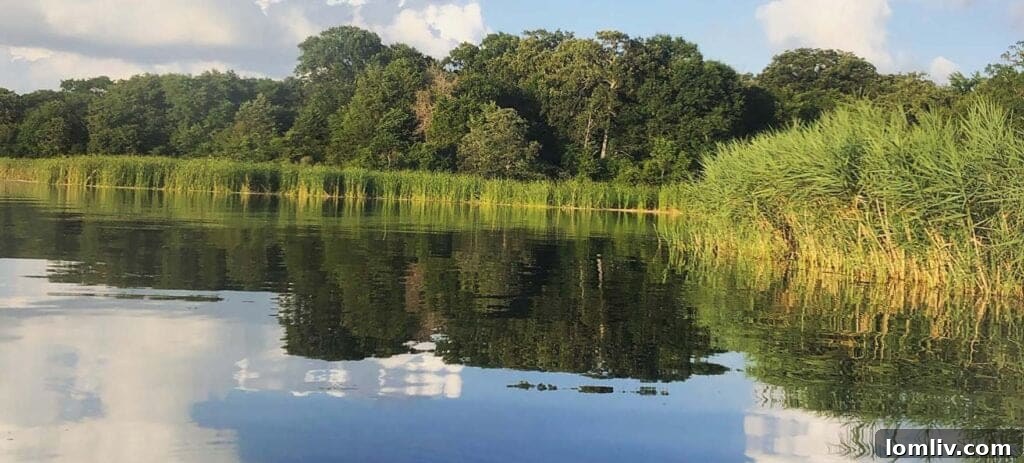
Fairfield Lake State Park, a cherished natural retreat in Freestone County, has long been a jewel in the crown of Texas’s public lands. Spanning 1,821 acres, the park is renowned for its exceptional bass fishing, boating opportunities, and diverse wildlife, drawing visitors from across the state and beyond. Its unique ecosystem, centered around the sprawling Fairfield Lake, provides critical habitat and invaluable recreational access for Texans seeking outdoor adventures.
The land comprising the state park had been leased from Vistra Energy, a power generation company, for decades. In 2021, Vistra Energy announced its decision to sell approximately 5,000 acres of land, including the property leased for Fairfield Lake State Park. This decision followed what Vistra described as multiple declined opportunities by the State of Texas to purchase the property outright. After a comprehensive and publicly marketed sales process, the property went under contract to Todd Interests last year, with the sale officially closing on June 1, 2023.
Todd Interests: Vision for a New Legacy
Todd Interests, a family-owned company led by principal Shawn Todd, has a distinguished track record of breathing new life into significant properties, notably revitalizing downtown Dallas’ historic East Quarter. The firm acquired the Fairfield Lake property with ambitious plans to develop a master-planned community that would integrate high-end residential, commercial, and recreational facilities, with the world-class lake and its amenities at the core of their vision. Their plans, as articulated, included enhancing the lake’s recreational value while introducing a vibrant new community to the area.
However, their plans were immediately challenged by the TPWC’s decisive action. Just over a week after the sale finalized, the Commission voted to acquire the entire 5,000-acre tract through eminent domain – a legal power that allows the government to take private property for public use, even if the owner does not wish to sell, provided “just compensation” is paid. This decision set the stage for a dramatic showdown, drawing widespread attention and igniting a fierce debate over property rights and public access in Texas.
A “Disastrous Precedent”: Todd Interests Responds
In response to the TPWC’s condemnation vote, Todd Interests held a press conference at their 400 N. Ervay development, where Shawn Todd systematically addressed what he described as “misleading statements” from the Commission. The firm emphasized that the Commission’s decision not only seized the 1,821 acres previously leased for the state park but also an additional 3,200 acres of land, surface water, and crucial water rights acquired by Todd Interests. The following is the full statement issued by the Todd family, outlining their position and refuting the Commission’s claims:
In 2021, Vistra Energy decided to sell approximately 5,000 acres of land in Freestone County, including land it had leased to the State of Texas for Fairfield Lake State Park. Vistra made this decision after the State of Texas declined multiple opportunities to purchase the property. Last year, after a publicly marketed sales process, the property went under contract to Todd Interests, owned by Shawn Todd and his family, and the sale closed on June 1.
Just nine days later, the Texas Parks and Wildlife Commission voted to take the entirety of Todd Interests’ property by eminent domain. The Commission voted in favor of taking the 1,821 acres previously leased to the State, and an additional 3,200 acres of land and surface water and water rights from Todd Interests. The Commission has further suggested that Todd Interests has been non-responsive, or even hostile. Nothing could be further from the truth.
The Commission showed no interest in acquiring the park for the citizens of Texas when it had the opportunity. Now, Commission Chairman Arch Aplin III, Executive Director David Yoskowitz, and the Commission wrongly deflect blame through a series of false statements to the press and the people of Texas about their conduct. The Todd family has engaged legal counsel to ensure their property rights are protected and the false statements stop.
On June 2, Texas Parks and Wildlife issued a press release riddled with misleading statements:
First, Chairman Aplin stated that the Commission had offered to buy out the Todd family’s contract with Vistra for $25 million. But Chairman Aplin failed to disclose that the proposal was contingent upon Vistra Energy agreeing to sell the property to the Commission, which Vistra declined to do. Chairman Aplin also failed to disclose that the Todd family had sent him a written counteroffer on May 23, a full week before the closing of the sale, but the Commission never responded to it. The existence of that counteroffer was withheld from the public during the meeting of the Commission on May 25, if not also from the other Commissioners.
Second, the press release suggests that the Todd family would divert the lake’s water and lower the water level, reducing the shoreline and wildlife. That is not true. The lake’s world-class fishing and boating venue are at the center of the Todds’ development plan.
Third, Executive Director Yoskowitz stated that the Department had intended to conduct “realistic negotiations,” but that “Todd Interests would not work” with them. Again, these statements are not true. The Commissioners made a written offer to Vistra on June 1 to purchase the property. But the Commissioners have made no such offer to Todd Interests, ever, and have not communicated with them since the closing.
During the legislative session, Texas Parks and Wildlife requested and received an appropriation from the Legislature for the “proposed acquisition of Fairfield Lake State Park and other strategic state park acquisitions,” specifying in their request that the funds would only be used for acquisitions from willing sellers. Separately, the Legislature rejected efforts to condemn this very property, such as House Bill 2332 and Senate Bill 1656. Because that is not the way the State of Texas treats its citizens and its property owners.
However, last Saturday, the unelected Commission voted to condemn approximately 5,000 acres — three times as much land as the former State Park and every inch acquired by the Todd family. The Commission stated that the use of eminent domain is “extraordinary,” “unusual,” and reserved “for the rarest and most unique circumstances.” But the only extraordinary, unusual, or unique circumstance here is an unelected group of commissioners’ irresponsible use of power to deprive private landowners of their rights, to accomplish by force an outcome not supported by the Texas Legislature. If the Commission can do this to the Todd family, they can do it to any rancher, farmer, or property owner in Texas.
We hope incoming Commission leadership will see the disastrous precedent this decision would set, and the dangerous message its actions send to all Texans.
Debunking TPWC Claims: A Point-by-Point Analysis
Shawn Todd’s firm meticulously dissected the Texas Parks and Wildlife Commission’s official statements, highlighting several discrepancies:
- The $25 Million Offer: The TPWC Chairman, Arch Aplin III, publicly cited a $25 million offer to buy out Todd Interests’ contract with Vistra. However, Todd Interests clarified that this proposal was contingent upon Vistra Energy’s consent, which Vistra explicitly declined. Furthermore, a crucial detail omitted was Todd Interests’ written counteroffer sent to Chairman Aplin on May 23, a week before the sale finalized, which reportedly received no response from the Commission. This counteroffer’s existence was allegedly withheld from the public and potentially other commissioners during the May 25 meeting, raising transparency concerns.
- Water Diversion Allegations: The TPWC press release suggested that Todd Interests planned to divert the lake’s water, thereby lowering its level and negatively impacting the shoreline and wildlife. Todd Interests vehemently denied this, asserting that enhancing Fairfield Lake’s world-class fishing and boating facilities was central to their development strategy, not diminishing them. Their vision aimed to preserve and elevate the lake as a prime recreational destination.
- “Realistic Negotiations”: Executive Director David Yoskowitz’s claim that the Department intended “realistic negotiations” but that “Todd Interests would not work” with them was also challenged. Todd Interests stated that while the Commissioners did make a written offer to Vistra on June 1 (the day the sale closed), they had never made a direct offer to Todd Interests after the acquisition and had not communicated with the firm since the closing date. This suggests a lack of direct engagement with the new property owner before resorting to eminent domain.
Legislative Intent vs. Commission Action
A significant point of contention for Todd Interests revolves around the Texas Legislature’s stance on the property. During the recent legislative session, Texas Parks and Wildlife requested and received an appropriation specifically for “proposed acquisition of Fairfield Lake State Park and other strategic state park acquisitions.” Critically, this request explicitly stipulated that the funds were to be used only for acquisitions from “willing sellers.” This legislative intent directly contradicts the Commission’s decision to use eminent domain, which involves an unwilling seller.
Moreover, the Legislature had previously rejected specific efforts to condemn this very property through bills such as House Bill 2332 and Senate Bill 1656. Todd Interests argues that the Commission’s unilateral action bypasses the Legislature’s clear intent and subverts the established process, highlighting a dangerous overreach of power by an unelected body.
A Looming Legal Battle and Broader Implications
The Commission’s decision to condemn 5,000 acres—a tract three times larger than the former state park—is characterized by Todd Interests as an “extraordinary,” “unusual,” and irresponsible use of power. They emphasize that eminent domain is typically reserved for the rarest and most unique circumstances, arguing that this situation does not meet that threshold. Instead, they view it as an attempt to achieve by force an outcome not supported by the Texas Legislature, setting a “disastrous precedent.”
The Todd family has already engaged legal counsel to protect their property rights and challenge what they perceive as false statements and an unlawful taking. This marks the beginning of what is expected to be a protracted and high-stakes legal battle, with significant implications for how private property rights are protected in Texas. If the Commission can utilize eminent domain in this manner against a firm like Todd Interests, it sends a chilling message to every rancher, farmer, and property owner across the state regarding the security of their land. The outcome of this dispute will undoubtedly shape future interactions between state agencies and private landowners, influencing land development and conservation efforts for years to come.