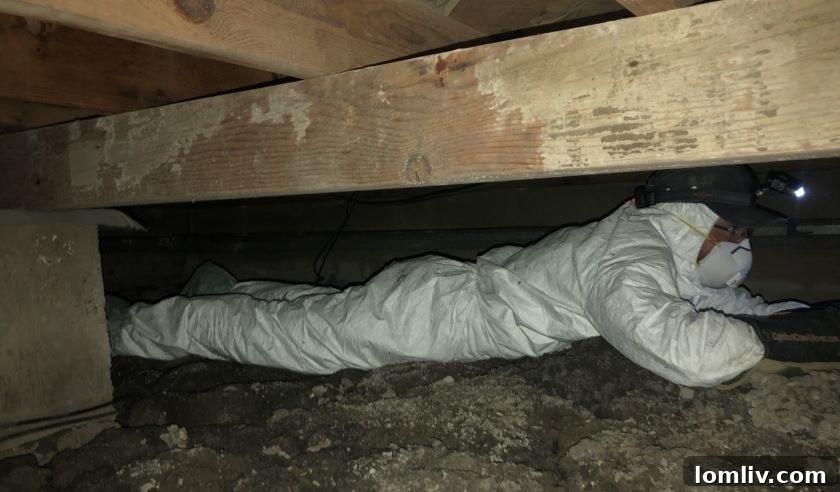
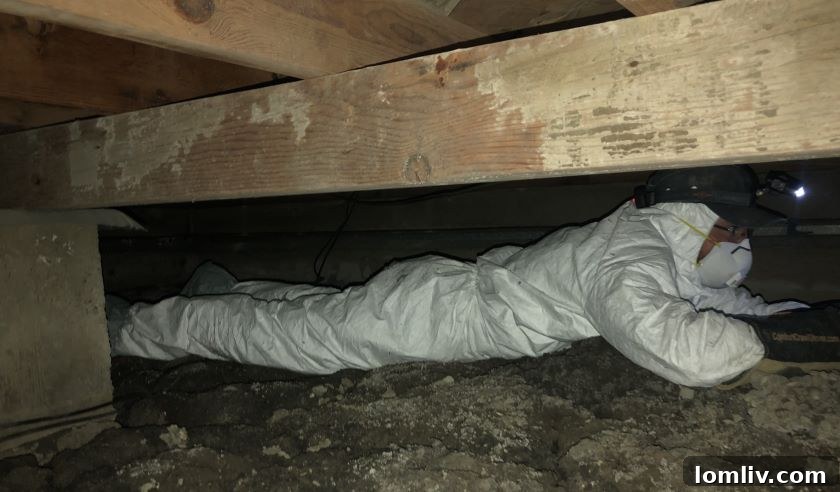
Embarking on the journey of buying or selling a home is one of the most significant financial decisions you’ll ever make. To navigate this process with confidence and peace of mind, a professional home inspection is not just recommended, it’s essential. While every home inspector brings their unique approach to the job, at Green Scene Home Inspections, we pride ourselves on a meticulously structured methodology that goes beyond a superficial glance. Our certified inspectors follow a specific “three-pass inspection” pattern, designed to thoroughly evaluate how different systems within a house interact. This holistic approach ensures we’re not just checking individual components, but assessing their functionality as an integrated whole, providing you with a comprehensive understanding of the property’s true condition. This article will delve into some key aspects and tests home inspectors look for, showcasing our commitment to uncovering potential issues and providing actionable insights.
A home inspection serves as a critical diagnostic evaluation, scrutinizing every accessible system and component to ensure they are functioning correctly and safely. We conduct various tests – some are routine checks, while others are performed when initial signs indicate a potential problem. These diagnostic methods allow us to identify deficiencies, safety hazards, and areas requiring immediate attention or future maintenance. Understanding what a professional home inspector looks for can empower you to make informed decisions about your investment. Let’s explore some common yet crucial tests that highlight the depth of a thorough home inspection.
The Ball Test: Unmasking Foundation Problems
@greenscenehome Hate to see that ball rolling. Your floors are out of level, friend. Tour foundation is sloping and you need to call a structural engineer or a foundation repair company to get an assessment. #homeinspection #homeinspectionfinds #foundation #foundationrepair #dfwrealestate #austinrealestate #balltest #homeinspectiontip #homebuyertips
♬ Original Sound – Unknown
One of the most concerning issues a homeowner can face is foundation problems. These issues can compromise the structural integrity of your entire home, leading to extensive and costly repairs if left unaddressed. A simple yet highly effective way to identify potential foundation movement is “The Ball Test.” If you’ve ever wondered, “Do I have foundation problems?”, this test offers a quick initial indicator. When a golf ball or similar spherical object rolls freely across your floor, it’s a clear sign that your floors are sloping, indicating that the underlying foundation is shifting or settling unevenly.
In regions like Texas, where expansive clay soils are common, foundation movement is a prevalent concern. The constant cycles of wetting and drying can cause these soils to swell and shrink, exerting immense pressure on foundations. A skilled home inspector will always have tools like a golf ball or a digital level to accurately assess the levelness of your floors. If significant sloping is detected, it’s not merely an aesthetic concern; it points to fundamental structural instability. This finding necessitates immediate action, typically involving a specialized assessment by a structural engineer or a reputable foundation repair company to determine the extent of the damage and recommend appropriate corrective measures. Early detection through a thorough home inspection can save homeowners from escalating repair costs and potential structural failure down the line.
The Water Test: Detecting Hidden Leaks in New Homes
Even new homes are not immune to problems, which is why an 11-month warranty inspection is a crucial step for homeowners. This specialized home inspection is conducted just before the builder’s one-year warranty expires, allowing you to identify any issues that may have developed during the first year of occupancy. The goal is to leverage the builder’s warranty to its fullest, ensuring any problems are rectified at the builder’s expense rather than yours. In the accompanying video, you can see a perfect illustration of how our inspectors tackle potential issues like water damage.
The specific scenario involved a homeowner who had noticed an unexplained water stain on the ceiling of their garage. Such stains are always red flags, indicating a potential leak that could lead to mold, rot, and structural damage if not addressed promptly. To pinpoint the source of the leak, our inspector performed a targeted “water test.” This involves mimicking rainfall conditions in the suspected area, meticulously observing to see where water penetrates and causes the stain to reappear or intensify. This detective work is vital because water leaks, especially in ceilings and walls, can often be elusive and difficult to trace. By simulating rain, the inspector can accurately determine the entry point of the water, allowing the homeowner to present concrete evidence to the builder for warranty repair. This proactive inspection ensures that even subtle signs of damage are thoroughly investigated, protecting your investment and maintaining the integrity of your new home.
Thermal Imaging: Seeing Beyond the Surface
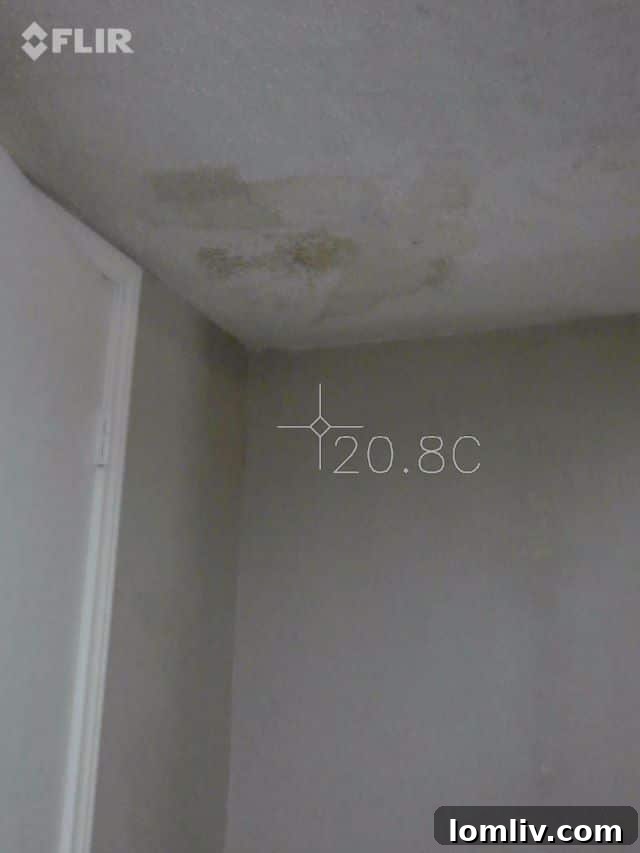
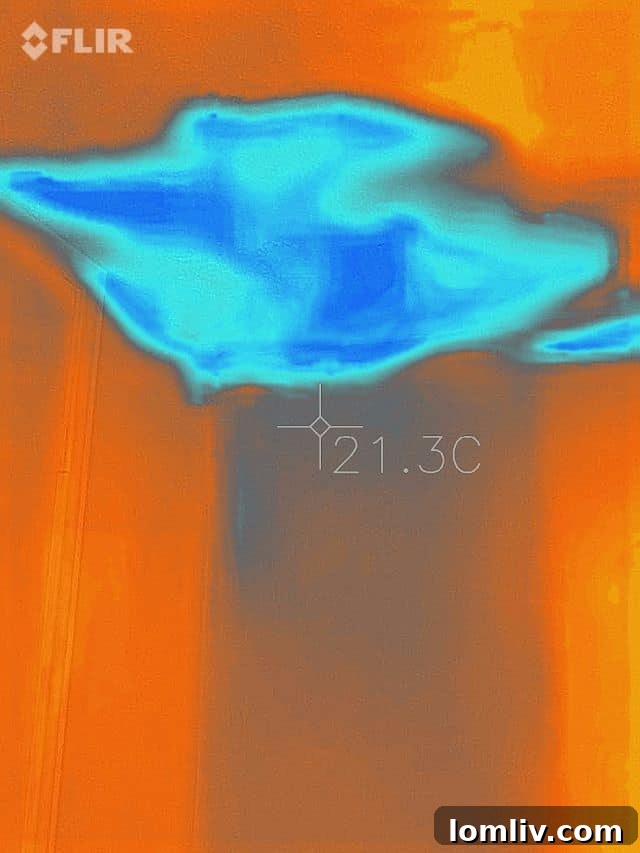
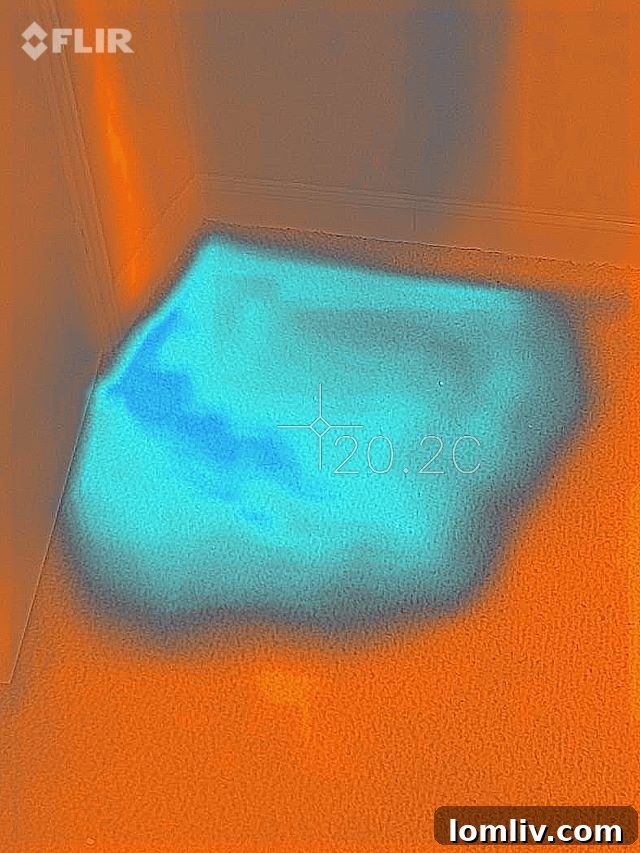
In the realm of modern home inspections, thermal imaging stands out as an indispensable tool, allowing inspectors to uncover issues invisible to the naked eye. This advanced technology uses infrared cameras, often referred to as FLIR cameras, to detect subtle temperature differences on surfaces. These variations can indicate a range of problems, from missing insulation and unsealed windows or doors that lead to energy loss, to, most critically, the presence of moisture hidden within walls and floors. Thermal imaging provides a non-invasive way to diagnose potential issues, preventing the need for destructive investigation unless absolutely necessary.
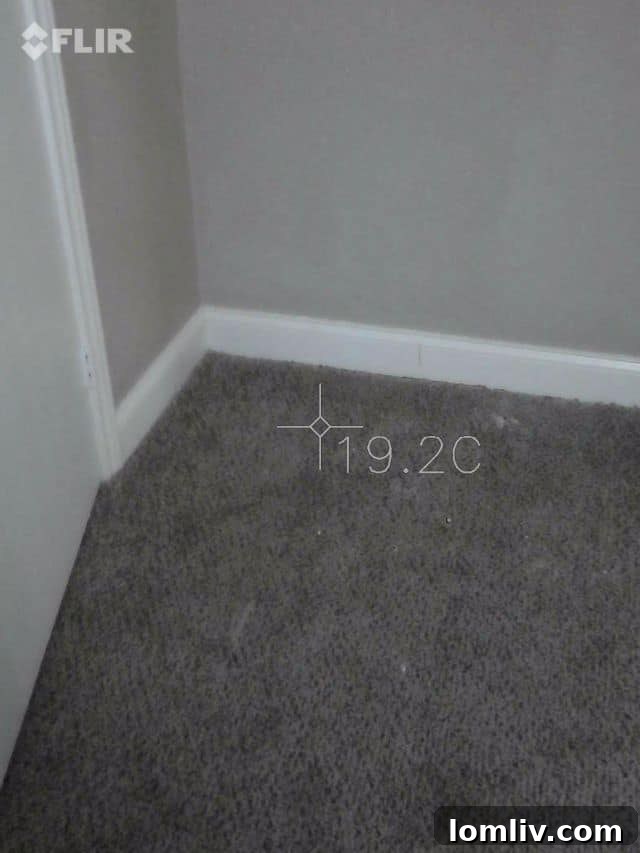
Consider the images provided: initially, a visible water stain on a ceiling might suggest an old, resolved leak. However, a responsible home inspector doesn’t assume. By utilizing a FLIR camera, a clear temperature differential was identified in both the stained ceiling area and the floor directly beneath it. A cooler temperature in these areas strongly indicates the presence of active moisture. This crucial finding transforms a seemingly minor stain into a significant concern, pointing towards a current water intrusion. Such a discovery warrants further, immediate investigation by the buyers. They should scrutinize the seller’s disclosure statement for any mentions of past or present water damage and consider professional remediation to prevent mold growth, structural deterioration, and escalating repair costs. Thermal imaging truly elevates the precision and effectiveness of a home inspection, offering a deeper understanding of a property’s condition.
Water Pressure Test: Safeguarding Your Plumbing System
The plumbing system is the circulatory system of your home, and maintaining appropriate water pressure is paramount for its longevity and your comfort. This is precisely why a water pressure test is among the very first things home inspectors look for upon arriving at a property. The Texas Real Estate Commission (TREC) mandates this test, with the acceptable code for residential water pressure typically ranging between 40-80 pounds per square inch (psi). Deviations from this range can indicate significant underlying issues with your home’s plumbing.
An overly low water pressure, below 40 psi, often points to an obstruction within the pipes, such as mineral buildup, corrosion, or even a partially closed main shut-off valve. While inconvenient for everyday tasks like showering or washing dishes, consistently low pressure can also signal more serious problems, including leaks that reduce system pressure. Conversely, excessively high water pressure, exceeding 80 psi, poses a much graver threat. It can prematurely wear out appliances, burst pipes, and damage fixtures, leading to catastrophic water damage and expensive repairs. A pressure reducing valve is typically installed to regulate incoming water pressure if it’s too high, and its functionality must be verified.
The accompanying video perfectly illustrates the critical insights gained from this test. In this instance, while performing the water pressure test on an outside faucet, the inspector observed a significantly reduced pressure reading. The critical finding was that some of the water was visibly disappearing into the wall behind the faucet bibb. This immediately flags a hidden leak within the wall structure, a problem that homeowners would otherwise be unaware of until severe damage manifests.
Without removing the bibb and gaining access behind the wall, the exact nature and extent of the problem remain speculative. It could be a relatively simple fix involving a faulty connection or a worn-out bibb, or it could be a much more complicated repair if the leak has been ongoing, causing extensive water damage, mold growth, or structural compromise within the wall cavity. This hidden leak exemplifies why a professional home inspection is invaluable: it uncovers unseen dangers, allowing buyers to negotiate repairs or factor in potential costs, thus preventing future headaches and protecting their investment from preventable damage.
The examples highlighted above represent just a fraction of the comprehensive evaluations performed during a professional home inspection. From the foundational integrity to the intricate plumbing and advanced thermal diagnostics, every test and observation contributes to a complete understanding of a property’s health. Investing in a thorough home inspection is an investment in your peace of mind, empowering you with the knowledge to make informed decisions, whether you’re buying, selling, or simply maintaining your most valuable asset. These detailed assessments help identify minor concerns before they escalate into major, costly problems, ensuring your home remains a safe and sound haven for years to come. If you have any questions about the condition of your home, always remember to #askahomeinspector – expert guidance is just a call away.