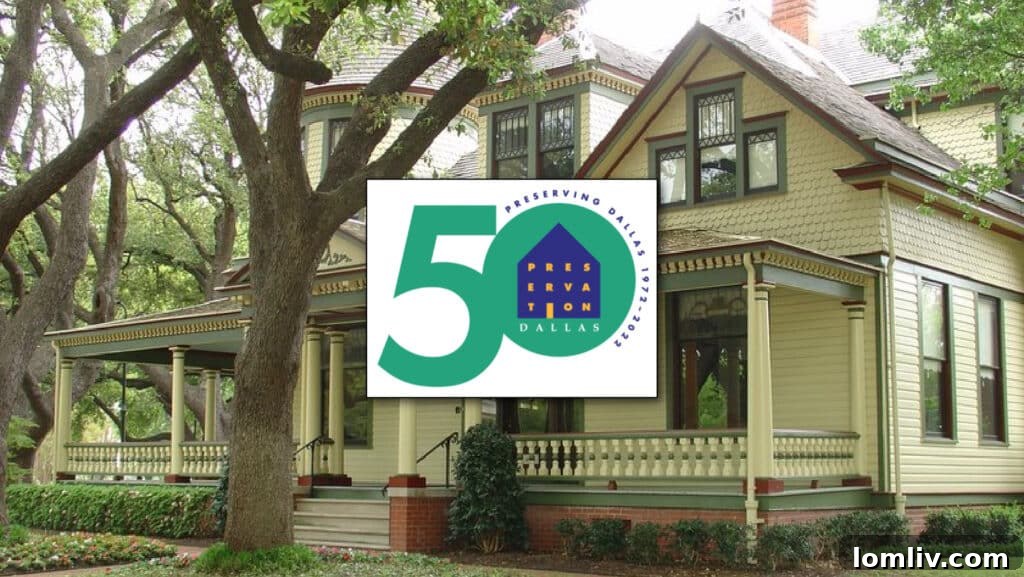
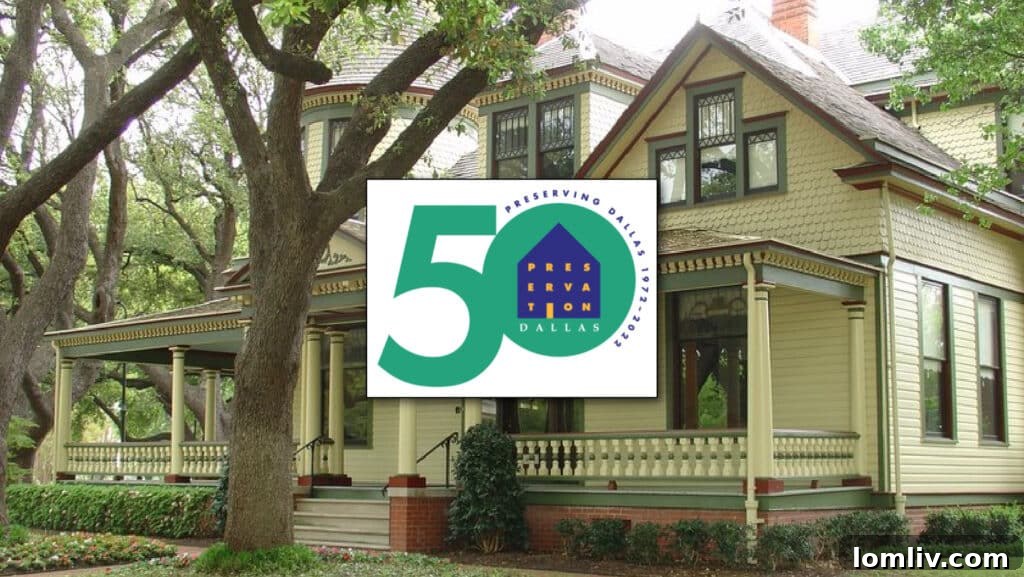
This year marks a monumental achievement for Dallas’s architectural and cultural heritage, as Preservation Dallas proudly commemorates its 50th anniversary. What began as a bold vision by a few dedicated citizens has blossomed into one of America’s most impactful preservation organizations. The journey has been characterized by persistent advocacy, unwavering dedication, and countless challenges, yet the organization’s steadfast commitment has yielded profound success, enriching the fabric of Dallas for current and future generations.
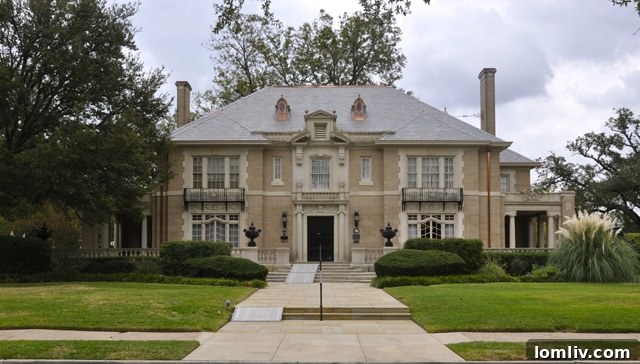
Celebrating Five Decades of Dallas’s Architectural Legacy
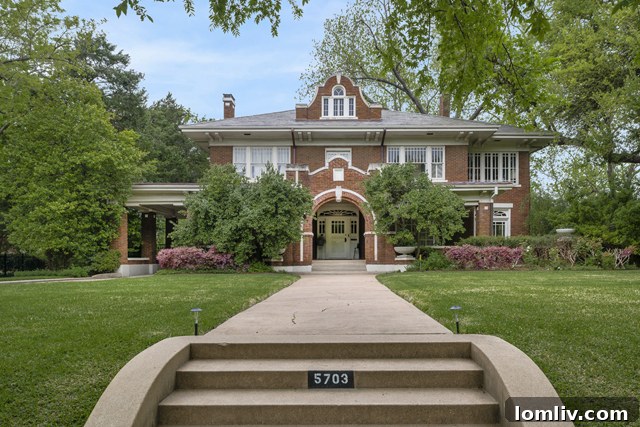
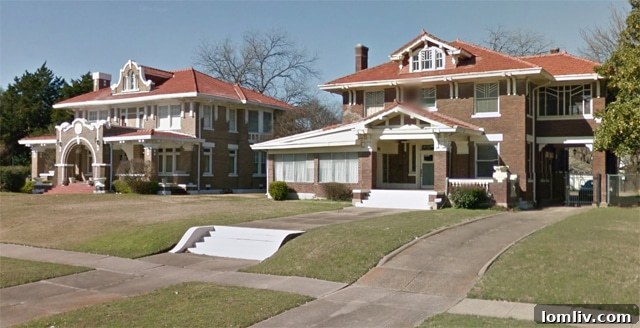
The story of preservation in Dallas is one of grassroots determination and visionary leadership. What started in 1972 as a modest, volunteer-driven nonprofit known as the Historic Preservation League (HPL) embarked on a singular mission: to secure the city’s very first historic designation. From these humble origins, through relentless hard work and an unyielding commitment to its cause, the organization has grown exponentially. As of 2022, Dallas stands as a testament to these efforts, boasting an impressive 21 historic districts, 17 conservation districts, and more than 130 individual landmarks, each telling a unique story of the city’s past.
The greenest building is one that is already built.
Carl Elefante, FAIA
The Genesis: Saving Swiss Avenue
The imperative for preservation ignited amongst a small, impassioned group of neighbors in East Dallas. Their concern wasn’t merely academic; it was deeply personal. They recognized the imminent threat facing their historic buildings and felt a profound responsibility to protect them. At that crucial juncture, Swiss Avenue, a jewel of Dallas architecture, found itself precariously close to demolition, with plans for sprawling mid-rise multifamily developments looming large. It was a clear call to action, and the community responded with extraordinary resolve.
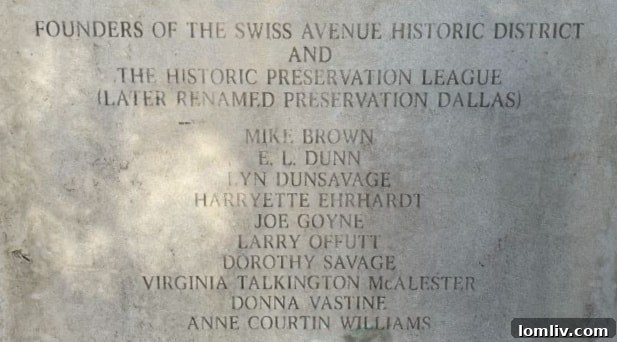
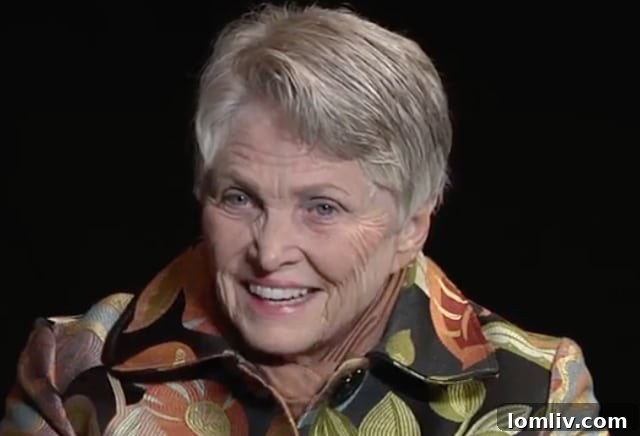
Among these pioneering figures was former state representative Harryette Ehrhardt, a driving force behind the establishment of the HPL, which would later be known as Preservation Dallas. Her recollections vividly paint the picture of those formative days:
“We were driven by a collective desire to save our historic buildings, and our strategy was to begin with our own homes. We envisioned an organization that could inspire other parts of the city to embrace similar preservation efforts. Thus, the Dallas Historic League was born. It all truly began in my living room on Swiss Avenue, a testament to the power of committed neighbors.”
The Road Less Traveled: Overcoming Obstacles in Dallas Preservation
The mission to preserve Dallas’s heritage was far from easy. The initial enthusiasm of the homeowners group was met with skepticism, even derision, from the city council when they first presented their proposal for a Swiss Avenue historic district. However, this initial setback only fueled their resolve. Undeterred, they embarked on a tireless campaign, block-walking every Sunday, distributing informative flyers to neighbors, delivering impassioned presentations to churches and community organizations, and opening their homes to anyone willing to listen and learn. Their networking efforts were exhaustive, culminating in a strategic move: they sought out the very attorney who had done the foundational legal work to establish the iconic French Quarter in New Orleans.

Working closely with the HPL, this expert legal counsel helped craft a robust historic preservation ordinance to present to the city council. This time, armed with a meticulously prepared legal framework and the undeniable support of a galvanized community, they were met not with laughter, but with success. This hard-won victory for Swiss Avenue not only saved a vital part of Dallas’s past but also set a crucial precedent, paving the way for future preservation efforts across the city. The spirit of pioneers like Virginia Savage McAlester continued to inspire and guide the movement, demonstrating that persistent action and strategic planning can indeed transform seemingly impossible missions into triumphant achievements.
More Than Bricks and Mortar: The Multifaceted Value of Preservation
In our rapidly evolving urban landscape, historic preservation has transcended its traditional role, becoming more critical than ever before. Its importance extends far beyond merely ensuring the physical survival of buildings and homes that embody our history and culture. Today, preservation is recognized as a powerful tool for sustainable urban development, offering profound benefits across economic, educational, and environmental spheres.
“Historic preservation has come a long way since 1972, thanks to the dedicated efforts of countless individuals over the years. We have celebrated numerous successes, endured painful losses, and witnessed a significant shift in how historic buildings are perceived and treated in Dallas. Regrettably, despite our progress, we continue to lose unprotected historic buildings across the city. This reality underscores that there is still vital work ahead of us.”
David Preziosi, Preservation Dallas Executive Director
Economic Vitality: Keeping Dollars Local
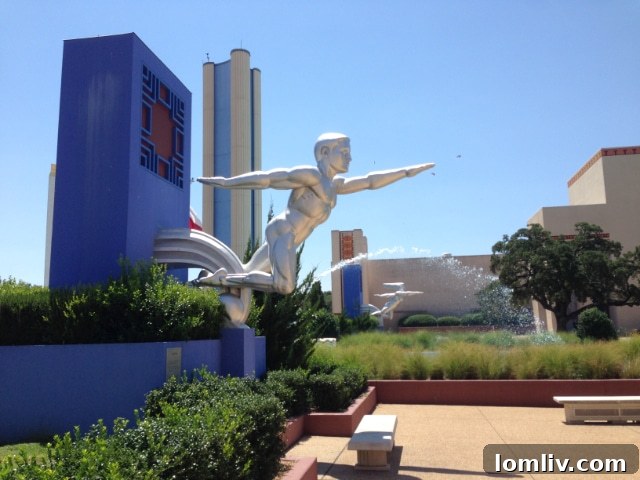
Preservation efforts are potent catalysts for economic growth and community revitalization. We have witnessed firsthand how strategic tax incentives can spur the dramatic transformation of neglected buildings, and indeed, breathe new life into entire neighborhoods. When historic structures are restored, a significant portion of the investment remains within the local economy. Consider the extensive network of local professionals involved in these projects: architects meticulously planning the revitalization, contractors executing specialized repairs, designers creating historically sensitive interiors, skilled craftsmen restoring intricate details, and landscapers enhancing the surrounding grounds. These are local people, providing local services, and crucially, ensuring that the economic benefits circulate and multiply within our community. This localized economic impact not only creates jobs but also fosters a stronger, more resilient local economy.
Educational Enlightenment: Connecting Past, Present, and Future
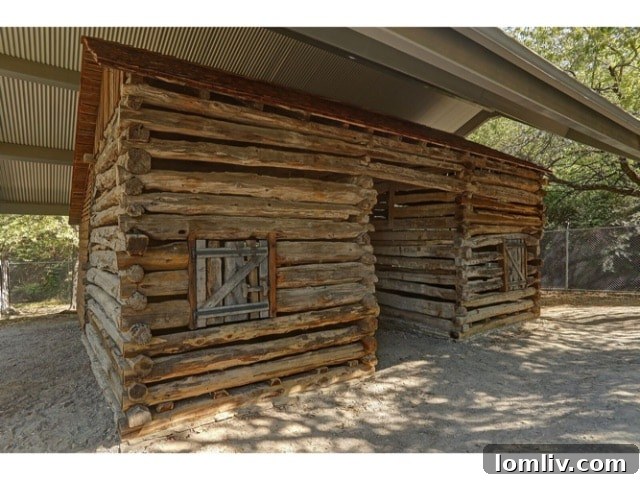
Beyond economics, preservation serves a vital educational purpose for everyone, from curious children to seasoned historians. It offers a tangible pathway to understanding not only the culture and history of a place but also the ingenuity embedded in past design and building techniques. Historic buildings act as three-dimensional textbooks, grounding our children in a much-needed sense of place and continuity. Nothing resonates more powerfully with young minds than experiencing an original structure, like the Sharrock Niblo Barn, standing proudly as a relic from a bygone era. These structures provide direct connections to the lives and times of those who came before us, fostering a deeper appreciation for heritage and encouraging a sense of civic responsibility.
Environmental Stewardship: The “Greenest Building”
In an age of increasing environmental consciousness, the ecological benefits of preservation are paramount. As architect Carl Elefante famously stated, “The greenest building is one that is already built.” This axiom highlights a fundamental truth: the restoration and adaptive reuse of existing structures consume significantly less energy and generate far less waste than the demolition of old buildings and the construction of new ones. The environmental argument for preservation is compelling.
“Beyond mere energy usage, the sheer volume of waste diverted from landfills by retaining older and historic buildings is a critical factor in evaluating environmental responsibility. To illustrate these environmental costs, consider the decision to demolish just one modestly sized house in a historic district in Raleigh, North Carolina. This single act generates an astounding 62.5 tons of waste destined for the landfill—an amount equivalent to what one person would generate over 79.5 years. Furthermore, when the energy expended in razing the building and hauling its debris to the landfill is added to the embodied energy already present within the existing structure, the demolition of such a home in Raleigh equates to squandering 15,285 gallons of gasoline. Virtually every fourth grader in America learns the fundamental principles of environmental responsibility: reduce, reuse, and recycle. The continued use and preservation of historic buildings inherently achieves all three of these vital objectives.”
Place Economics
This powerful data underscores that preserving our built heritage is not just about aesthetics or sentimentality; it is a profound act of environmental stewardship, contributing directly to a more sustainable future for our communities and our planet. By choosing to restore rather than demolish, we reduce carbon emissions, conserve natural resources, and minimize landfill burden, aligning perfectly with modern ecological imperatives.
Preservation Today and Tomorrow: Continued Advocacy and Celebration
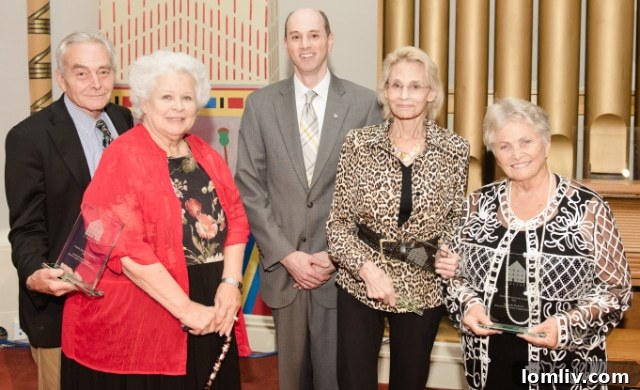
As Preservation Dallas embarks on its next half-century, the organization remains steadfast in its mission. Over the coming months, it will honor its past by spotlighting key achievements and pivotal moments, decade by decade, through its newsletter and a series of engaging events. These celebrations will culminate in the highly anticipated 2022 Preservation Achievement Awards and 50th Anniversary Celebration, a gala event scheduled for May 19th at The National. This landmark occasion will not only celebrate five decades of remarkable advocacy but also galvanize support for the crucial work that lies ahead.
Join the Movement: Your Role in Dallas Preservation
The success of historic preservation hinges on community involvement and collective action. There is no better way to become an informed and effective advocate for our irreplaceable historic structures than to actively engage with Preservation Dallas. By becoming a member, you directly contribute to ongoing efforts to identify, protect, and revitalize Dallas’s built environment. Membership offers opportunities to participate in educational programs, attend exclusive events, and lend your voice to critical preservation battles. Your support empowers Preservation Dallas to continue its vital work, ensuring that the architectural treasures that define our city’s unique character are protected for generations to come. Become a member of Preservation Dallas today and play an active role in shaping the future of our city’s past!