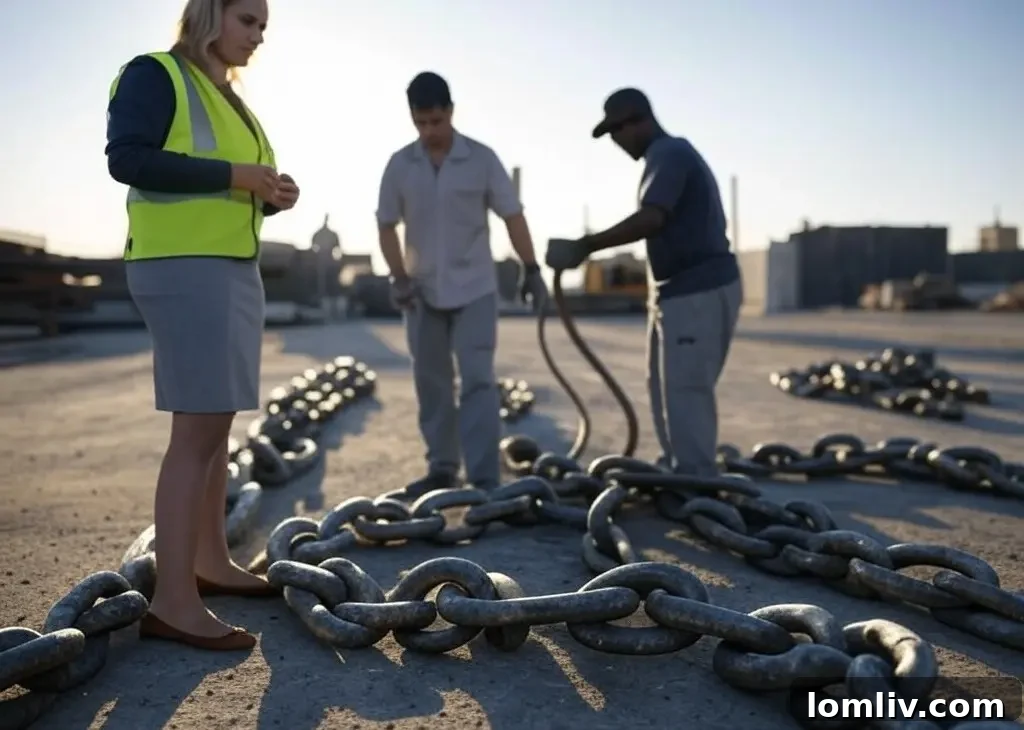
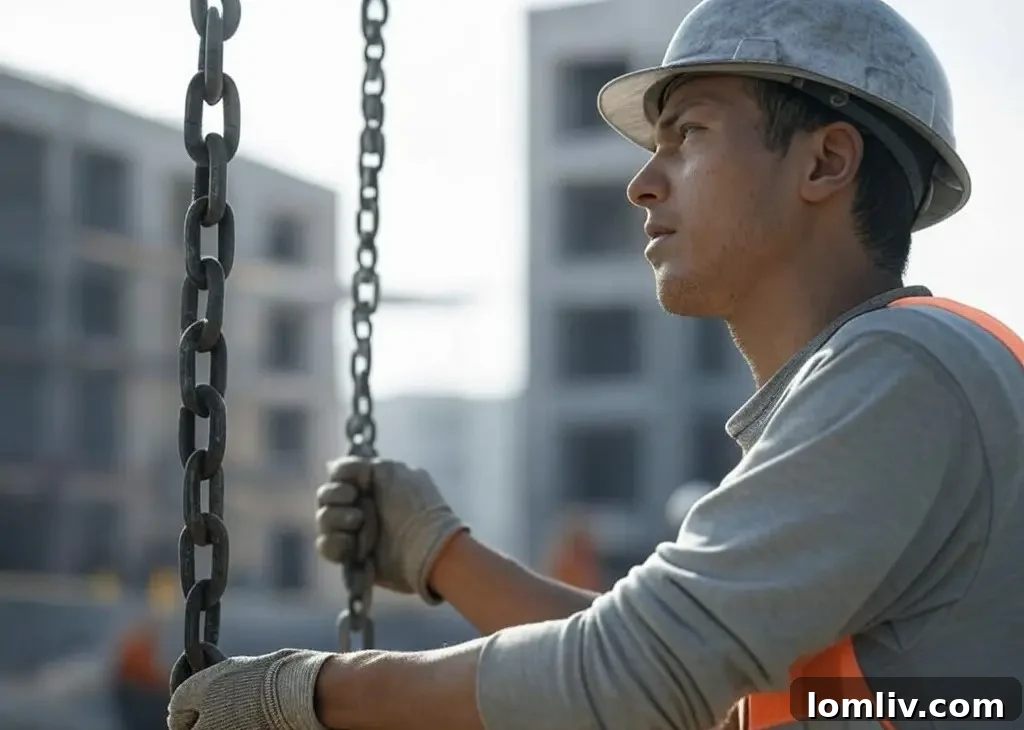
In the dynamic and demanding world of real estate development and construction, the efficient and safe operation of heavy machinery is paramount. Among the most critical pieces of equipment are lifting chains and their associated components, which are indispensable for handling heavy loads, materials, and structural elements. The reliability of these tools directly impacts project timelines, budgetary constraints, and, most importantly, worker safety. Therefore, a proactive and rigorous approach to inspecting and maintaining all hoisting equipment—including chains, hooks, pulleys, and other vital components—is not merely a best practice, but an absolute necessity.
Early identification of potential faults, such as elongated chain links, hairline cracks, excessive rust, or deformities, serves as a crucial preventative measure. Ignoring these signs can lead to catastrophic equipment failures, resulting in significant financial losses due due to project delays, costly repairs, and potential legal liabilities. Far worse, such failures can cause severe injuries or fatalities on the job site. This comprehensive guide outlines essential strategies for maximizing the lifespan and performance of your lifting chain and components, ensuring safe, efficient, and successful project outcomes.
Regular and Thorough Inspections: The First Line of Defense
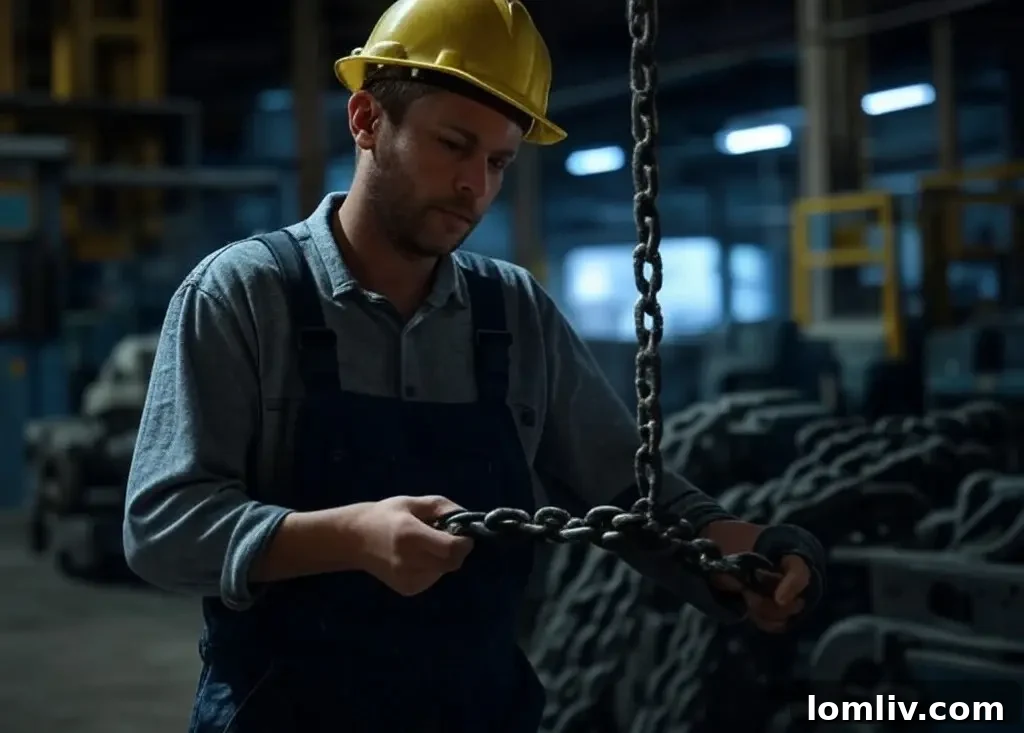
Before any lifting operation begins, a meticulous inspection of all chains and critical associated items—including shackles, slings, hooks, pulleys, and attachments—is absolutely vital. This daily pre-use check is your first line of defense against potential failures. Your inspection checklist should specifically target:
- Rust and Corrosion: Surface rust can indicate deeper corrosion, weakening the chain’s structural integrity. Excessive rust can also impede the free movement of links.
- Cracks and Nicks: Hairline cracks, particularly in high-stress areas like link shoulders or welds, can propagate rapidly under load. Nicks and gouges, even small ones, can create stress points that compromise the chain’s strength.
- Elongated Links: Measure chain pitch periodically. Elongation, often due to overloading or wear, indicates that the metal has stretched beyond its elastic limit, significantly reducing the chain’s strength and safety factor.
- Deformation: Look for twisted, bent, or distorted links. Any permanent deformation suggests the chain has been subjected to stresses beyond its design capacity and must be removed from service.
- Wear: Assess general wear on bearing points between links. Excessive wear reduces the cross-sectional area of the links, thereby weakening the chain.
- Hook Integrity: Inspect hooks for proper throat opening (check for spreading), cracks, nicks, and wear. Ensure safety latches function correctly.
- Shackles and Pulleys: Verify that pins are secure, threads are undamaged, and there are no signs of wear, cracks, or deformation. Pulleys should turn freely without excessive wobble or noise.
Identifying these issues early keeps operations moving smoothly, prevents costly downtime, and avoids expensive emergency repairs or replacements. For larger, more complex projects or those involving higher-grade chains, regular professional inspections are indispensable. Certified experts possess the specialized knowledge and tools, such as non-destructive testing (NDT) methods (e.g., magnetic particle inspection, dye penetrant testing), to detect hidden defects that might be invisible during a routine visual check. These professional assessments ensure your equipment not only functions optimally but also complies with all local, national, and industry-specific safety standards and regulations, such as OSHA or ASME guidelines.
Maintain Cleanliness and Optimal Lubrication
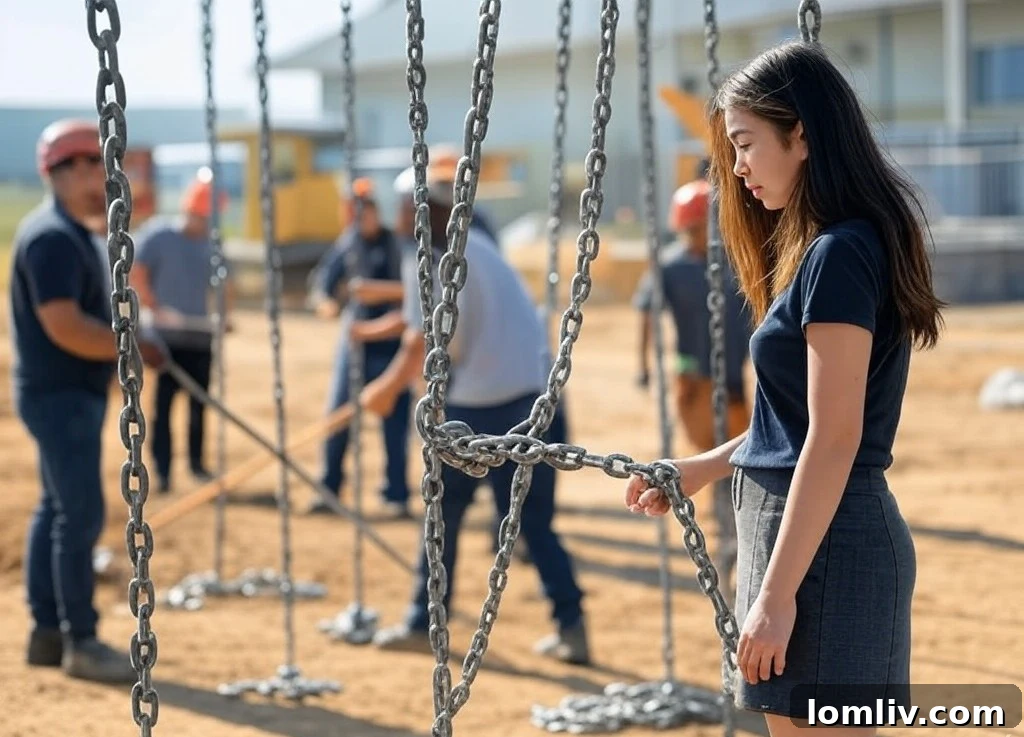
Construction environments are inherently harsh, exposing equipment to a relentless barrage of dirt, dust, moisture, abrasive particles, and corrosive chemicals. These elements are the primary enemies of lifting chains, leading to accelerated wear, increased friction, and debilitating corrosion. Accumulation of grime and debris between chain links can hinder their free movement, creating stiff spots and uneven loading, which can drastically reduce the chain’s overall load capacity and lifespan. Even simple tasks can become a struggle if chains are neglected, causing frustrating delays and potential safety hazards.
Therefore, a consistent cleaning regimen is crucial. After use, especially in dirty or wet conditions, chains should be thoroughly cleaned to remove all contaminants. This can involve using stiff brushes, compressed air, or appropriate non-corrosive cleaning solvents, ensuring that all foreign matter is dislodged from between the links. Once clean and dry, the chains must be adequately lubricated. A high-quality chain lubricant serves multiple critical functions:
- Reduces Friction: Lubrication minimizes metal-on-metal contact between links, significantly reducing friction and wear during operation. This allows for smoother movement under heavy loads and less energy expenditure.
- Prevents Rust and Corrosion: A good lubricant forms a protective barrier against moisture and corrosive agents, preventing rust from forming on the metal surfaces, especially in areas where links articulate.
- Dissipates Heat: By reducing friction, lubrication also helps to manage heat generation within the chain, preventing localized overheating that can affect metal properties.
- Extends Lifespan: By addressing the root causes of wear and degradation, proper lubrication effectively extends the operational life of your lifting chains, protecting your investment.
The type of lubricant and frequency of application should be guided by the manufacturer’s recommendations and the specific environmental conditions. For instance, chains used in extremely dusty environments might benefit from dry film lubricants, while those exposed to constant moisture might require more robust, water-resistant greases. Treat your equipment right with regular cleaning and lubrication, and it will keep the job moving without a hitch, ensuring maximum efficiency and safety.
Strategic Investment in High-Quality Equipment
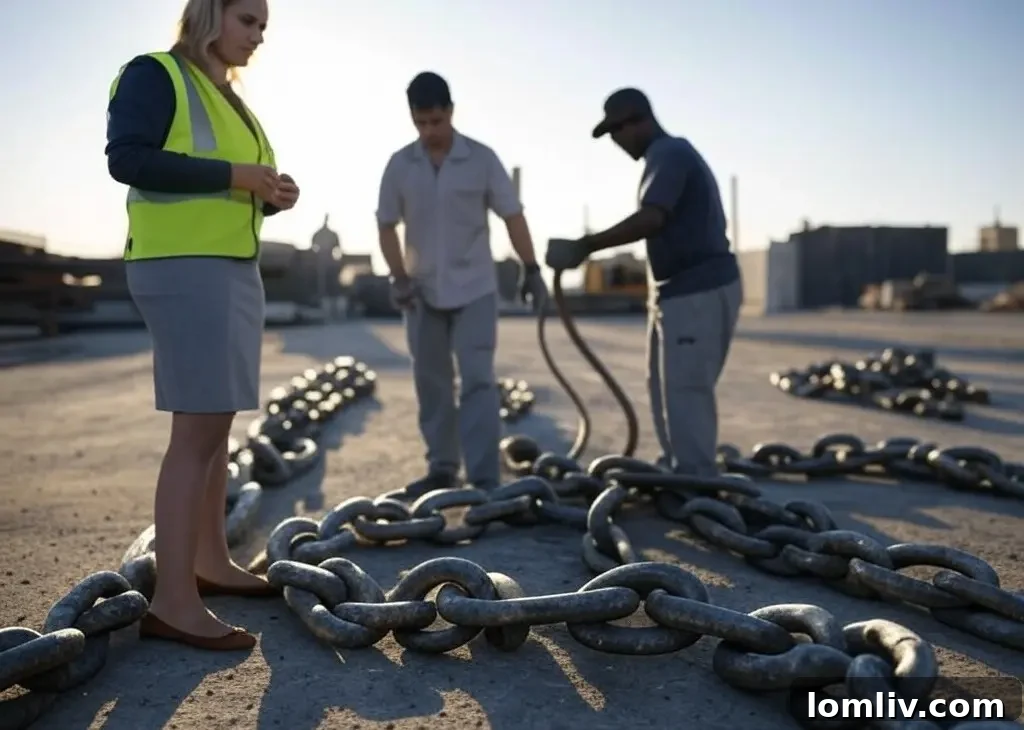
In the high-stakes environment of construction and real estate development, equipping your operations with high-quality lifting chains and their corresponding components is not a luxury, but an absolute necessity. Compromising on the quality of these critical items is an invitation to disaster. Any form of failure in lifting equipment can lead to severe consequences, including costly project delays, extensive property damage, significant financial penalties, and, most tragically, serious injuries or fatalities for the workforce.
Investing in superior equipment upfront translates into long-term savings and enhanced operational integrity. High-quality chains are manufactured from specialized alloy steels, such as Grade 80 or Grade 100, designed to offer exceptional tensile strength, fatigue resistance, and durability even under the most demanding conditions. They are produced to stringent international standards (e.g., ASME B30.9, EN 818) and often come with certifications that attest to their manufacturing quality and tested load capacities.
When selecting lifting equipment, prioritize reputable suppliers who are known for their commitment to quality, safety, and adherence to industry standards. These trusted providers offer products that are not only robust and durable but also backed by comprehensive warranties and technical support. While the initial investment for premium equipment might be higher than for cheaper alternatives, the long-term benefits far outweigh the initial cost:
- Enhanced Safety: High-grade chains are less prone to sudden failure, significantly reducing the risk of accidents.
- Increased Durability: They withstand harsh conditions, heavy use, and abrasive environments much longer, leading to fewer replacements.
- Reduced Downtime: Reliable equipment means fewer breakdowns, less maintenance, and more consistent project progress.
- Improved Productivity: Confidence in your equipment allows crews to work efficiently and effectively.
- Peace of Mind: Knowing your lifting operations are supported by top-tier equipment offers invaluable assurance to project managers and workers alike.
Ultimately, a strategic investment in quality lifting equipment pays off by ensuring the continuous safety, efficiency, and success of your construction projects.
Adherence to Load Limits and Rigorous Usage Guidelines
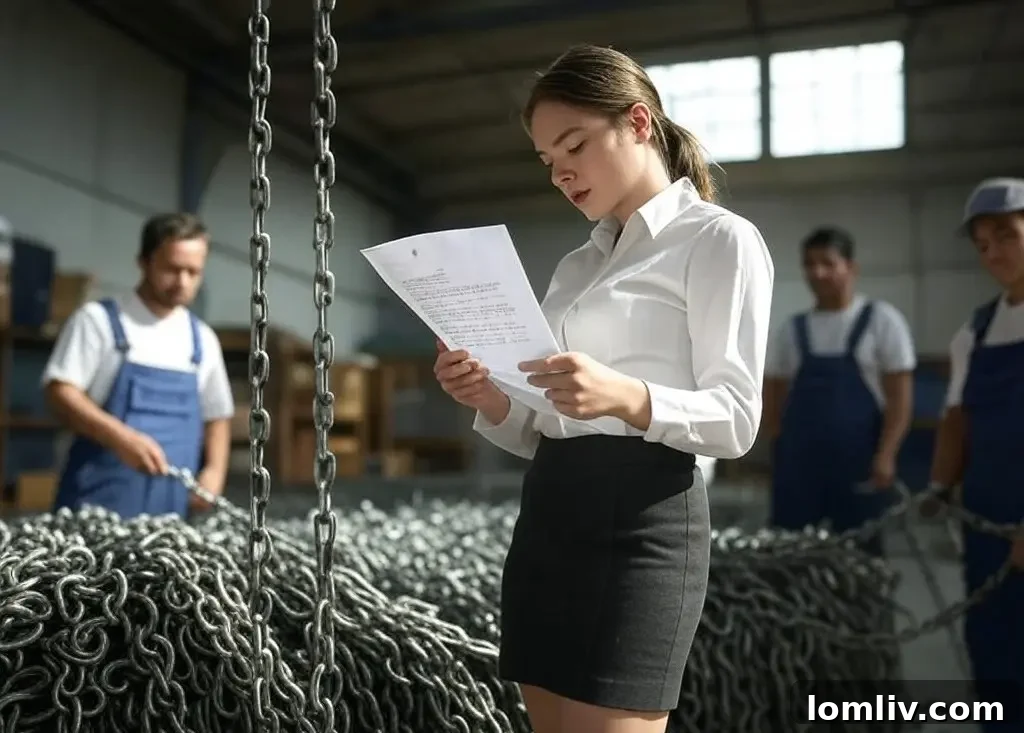
A fundamental principle in safe lifting operations is the unwavering respect for a chain’s Working Load Limit (WLL). Every member of your construction team must fully comprehend that each lifting chain possesses a maximum weight capacity that it can safely handle under specific conditions. Exceeding this WLL is not merely a risk; it is an incredibly dangerous practice that can lead to catastrophic equipment failure, severe injuries, and even fatalities. The WLL is typically determined by the manufacturer, taking into account the chain’s material, grade, design, and a critical safety factor (e.g., usually 4:1 or 5:1, meaning the chain can theoretically withstand 4 or 5 times its WLL before breaking).
To prevent equipment damage, structural collapse, and severe injuries, it is imperative that your entire crew is not only trained on how to identify the WLL of each piece of equipment but also rigorously adheres to these boundaries. This involves:
- Pre-Lift Planning: Accurately calculate the weight of the load before every lift.
- Equipment Selection: Choose chains and rigging components with a WLL that significantly exceeds the actual load weight, especially when accounting for dynamic forces.
- Clear Labeling: Ensure all lifting equipment has clear, legible WLL markings.
Beyond simply respecting the WLL, adherence to proper usage guidelines is equally critical. Avoid risky practices that can significantly weaken chains over time, even if the load appears to be within the WLL:
- Shock Loading: This refers to sudden, abrupt jerks or rapid changes in tension on the chain. Shock loading can momentarily impose forces several times higher than the static load, potentially exceeding the chain’s ultimate strength and leading to immediate failure or invisible damage that precipitates future breakage. Always ensure smooth, controlled lifts and descents.
- Twisting and Kinking: Lifting chains are designed for straight, in-line pulls under steady tension. Twisting, knotting, or kinking a chain applies uneven stress to individual links, drastically reducing its load capacity and increasing the likelihood of localized failure.
- Angular Loading: When chains are used at angles, the tension in each leg increases significantly. Operators must understand how to calculate the effective load on each chain leg when lifting non-vertical loads and de-rate the WLL accordingly.
- Sharp Edges: Protect chains from contact with sharp corners or abrasive surfaces using appropriate padding or slings to prevent localized wear, nicks, or cutting of the chain material.
Regular training and reinforcement of these guidelines are essential to cultivate a safety-conscious culture on your construction site. Proper rigging techniques, load distribution, and careful operation are all integral to maintaining the integrity of your lifting chains and ensuring a safe working environment.
Optimal Storage Practices for Extended Lifespan
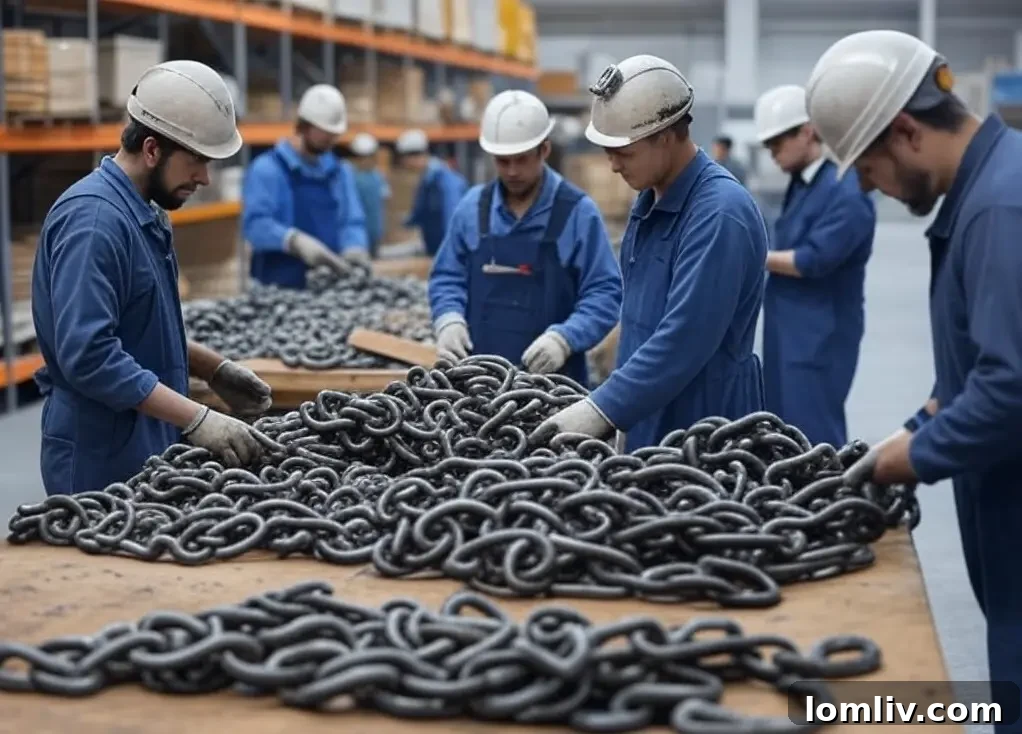
The lifespan and reliability of your lifting chains are not solely determined by how they are used, but also by how they are cared for when not in service. Proper storage is a crucial, yet often overlooked, aspect of equipment maintenance that significantly contributes to preventing damage, corrosion, and premature wear. When your lifting chains are not actively in use, they must be protected from environmental factors and physical harm.
The ideal storage environment should be:
- Clean and Dry: Moisture is the primary catalyst for rust and corrosion. Storing chains in a clean, dry location prevents the accumulation of water, dirt, and grime that can degrade the metal.
- Well-Ventilated: Good airflow helps to dissipate any residual moisture and prevents the build-up of humidity, which can accelerate corrosion.
- Temperature-Controlled: Extreme temperatures, both hot and cold, can affect the metallurgical properties of metals over time. A moderate, stable temperature is ideal.
- Protected from Chemicals: Keep chains away from corrosive chemicals, fumes, and solvents, which can aggressively attack the metal and lubricants.
- Out of Direct Sunlight: Prolonged exposure to direct sunlight, especially UV radiation, can weaken metal over time and degrade any protective coatings or lubricants. Store chains in a shaded or enclosed area.
Beyond the environmental considerations, the physical method of storage is equally important:
- Hanging on Racks: This is the preferred method for longer chains. Hanging chains on dedicated racks or sturdy hooks prevents tangling, kinking, and deformation of the links. It also keeps them off the ground, away from moisture and potential contaminants.
- Coiled Neatly: For shorter chains or those that cannot be hung, coil them neatly without twists or kinks. Store them on pallets or shelves, off the concrete floor, which can harbor moisture.
- Lubricated Before Storage: Before putting chains away for an extended period, ensure they are thoroughly cleaned and then given a fresh coat of appropriate lubricant. This provides a protective film against corrosion during dormancy.
Implementing these simple but effective storage precautions will ensure that your lifting equipment remains in optimal condition, ready for safe and efficient operation whenever you need it, avoiding unexpected failures and extending your investment.
The Indispensable Role of Professional Inspections and Repairs
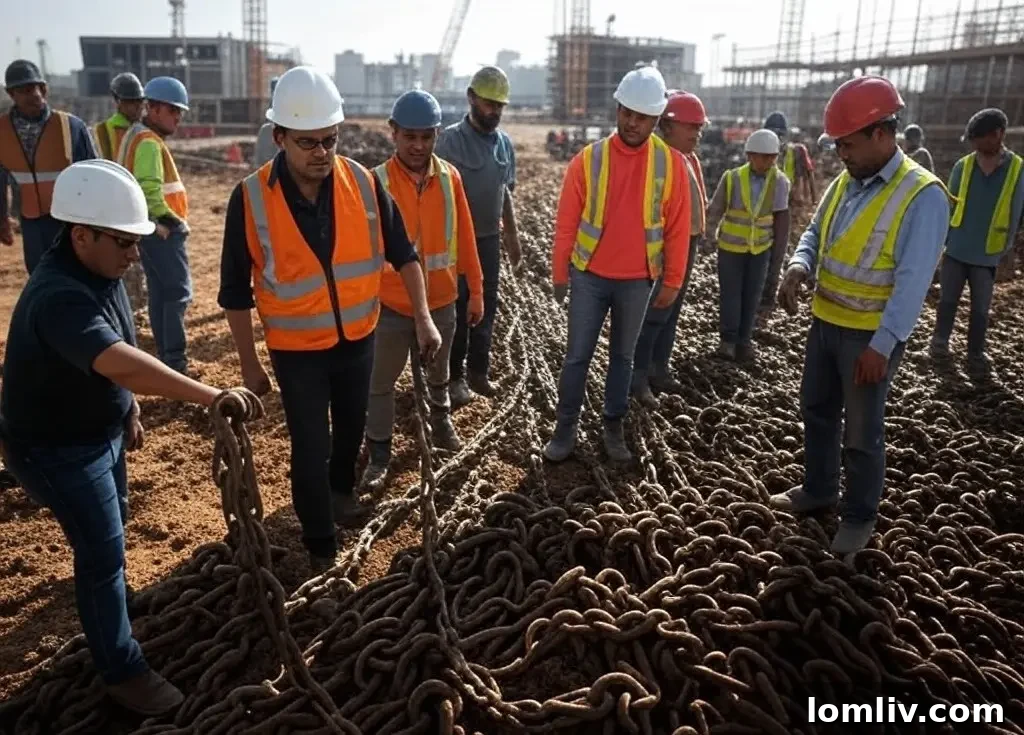
While daily visual checks and regular maintenance performed by your crew are undeniably essential, they represent only one layer of a robust safety protocol. For true assurance and compliance, scheduled professional inspections are indispensable. Certified inspectors bring an unparalleled level of expertise, experience, and specialized equipment that go beyond the capabilities of an in-house team. They are trained to:
- Detect Hidden Issues: Professionals can identify subtle signs of fatigue, internal cracks, or metallurgical changes using advanced non-destructive testing (NDT) techniques like magnetic particle inspection, ultrasonic testing, or dye penetrant inspection, which are impossible to spot with the naked eye.
- Ensure Regulatory Compliance: They are thoroughly versed in national and local construction regulations (e.g., OSHA, ASME, EN standards) and can ensure that your lifting chains and all associated equipment meet the stringent requirements for safety and operation. This compliance is crucial for avoiding legal penalties and ensuring insurance validity.
- Provide Objective Assessment: An external inspector offers an unbiased evaluation of your equipment’s condition, providing an objective assessment of its fitness for use and highlighting areas requiring attention.
The findings from professional inspections are critical for making informed decisions regarding repairs and replacements. If a lifting chain exhibits serious wear, damage, or degradation beyond acceptable limits, it must be immediately removed from service. Attempting to use faulty or compromised equipment is an extremely dangerous gamble that can lead to catastrophic failures, endangering your crew, causing significant property damage, and derailing project timelines. The cost of a new chain pales in comparison to the potential human and financial costs of an accident.
When damage is detected, a critical decision must be made: repair or replace? Repairs to lifting chains should only be undertaken by the manufacturer or a certified repair facility that can guarantee the integrity of the repaired component and restore it to its original specifications, including its WLL. Often, especially with structural damage or significant link elongation, outright replacement is the only safe option. Proactive replacement of worn or damaged components is a cornerstone of a responsible safety program.
Furthermore, maintaining meticulous documentation of all inspections, maintenance activities, repairs, and replacements is vital. These records serve as proof of due diligence, aid in tracking equipment lifespan, and are invaluable for auditing purposes and compliance reporting. Do not take unnecessary chances with faulty equipment—be proactive with professional assessments, timely repairs, and immediate replacements to safeguard your team and your project.
Final Thoughts
The successful execution of any construction project, particularly in the complex realm of real estate development, hinges significantly on the reliability and safety of its heavy equipment. Lifting chains and their components are the unsung heroes of many operations, and their consistent performance is non-negotiable. By adhering to a comprehensive regimen of regular maintenance, diligent inspection, and strict adherence to established safety protocols, you can effectively prevent costly interruptions, extend the life of your valuable assets, and, most importantly, create a secure working environment for your employees.
Proactive equipment management is an investment, not an expense. It underpins operational efficiency, mitigates risks, and fosters a culture of safety that benefits everyone on the job site. Invest wisely in your equipment, commit to rigorous maintenance schedules, empower your team with knowledge, and build your projects with unwavering confidence and unparalleled safety.