

Dallas Unveils Historic Property Tax Reduction and FY 2023-24 Budget
Dallas is on the brink of a significant financial shift, with city administrators reviewing a landmark $4.51 billion proposed budget for the 2023-24 fiscal year. Central to this proposal is an eagerly anticipated reduction in the city’s property tax rate, a move designed to offer relief to residents amidst soaring property valuations. This comprehensive financial plan outlines the city’s strategic priorities, details how public funds will be managed, and sets the stage for Dallas’s growth and development in the coming year.
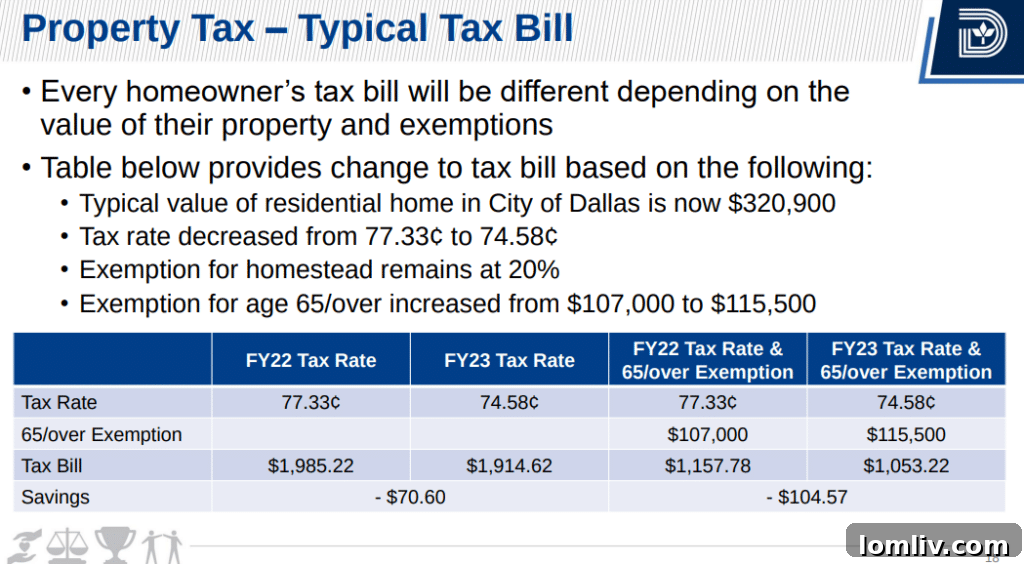
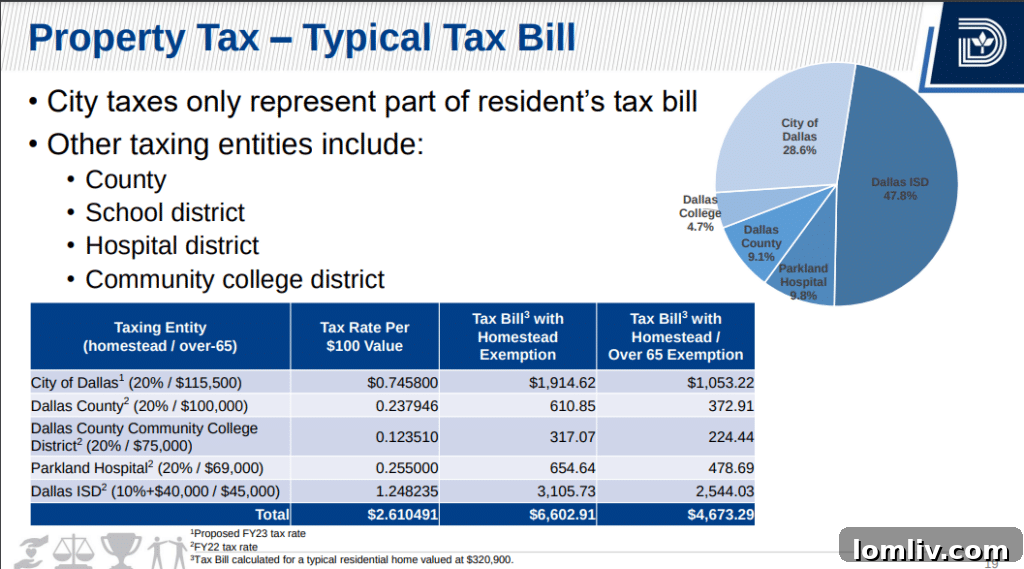
The proposed budget, rigorously examined during a recent City Council workshop, is underpinned by a revised property tax rate of 74.58 cents per $100 of assessed valuation. This figure represents a notable decrease of approximately 2.75 cents from the previous year’s rate, marking the most substantial reduction Dallas taxpayers have seen in four decades. This historic adjustment reflects the city’s response to a surge in real estate appraisals, which have generated unexpected windfall tax revenue. City Manager T.C. Broadnax has expressed a clear intention to return a portion of this additional revenue directly to taxpayers, signaling a commitment to fiscal responsibility and citizen well-being.
A Historic Tax Cut for Dallas Residents
The proposed 2.75-cent reduction in the Dallas property tax rate is more than just a minor adjustment; it’s a monumental policy decision. City Manager T.C. Broadnax highlighted that this represents the largest single decrease in the property tax rate witnessed in Dallas over the past 40 years. This significant cut comes at a time when Dallas, like many booming Texas cities, has experienced an unprecedented surge in real estate values. Higher property appraisals across the board have led to a substantial increase in tax revenue for the city, creating what Broadnax termed “windfall tax revenue.”
In a move aimed at directly benefiting Dallas homeowners, Broadnax outlined plans to return approximately 3 of the 15 percent windfall revenue back to taxpayers. This decision underscores a proactive approach to managing the city’s finances, ensuring that the economic benefits of a robust real estate market are shared with the very residents who contribute to it. For many Dallas residents, this tax rate reduction offers a glimmer of hope for relief, even as their property’s assessed value continues to climb. The intent is to mitigate the impact of rising appraisal values, ensuring that the city’s growth doesn’t disproportionately burden homeowners.
Broadnax emphasized the multi-faceted role of the annual budget, stating, “Our budget serves as a policy document, financial plan, and operational guide. The budget allows us to express our priorities with how we allocate the public’s resources that are entrusted to us.” This statement encapsulates the meticulous planning and strategic allocation required to manage a city as dynamic and expansive as Dallas, ensuring that every dollar serves a clear purpose in advancing the community’s interests.
Navigating Dallas’s $4.51 Billion Fiscal Plan
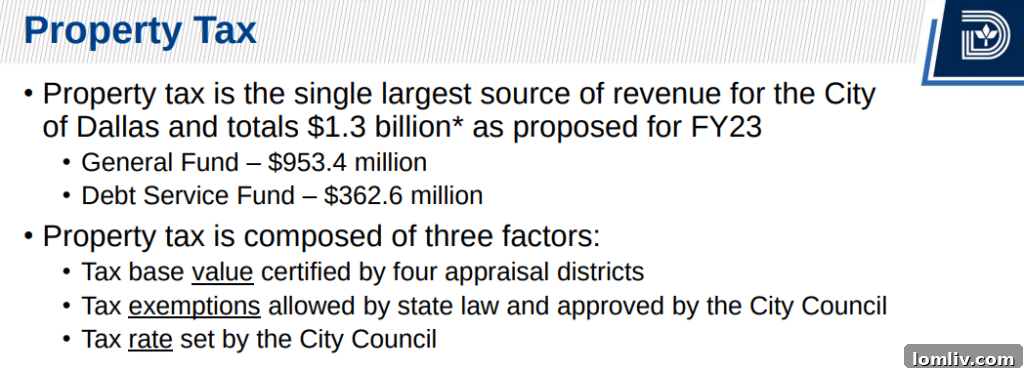
The bedrock of Dallas’s financial health for the upcoming fiscal year is its impressive $4.51 billion proposed budget. This colossal sum is designed to fund an extensive array of essential services, infrastructure projects, and strategic initiatives that keep the city running and thriving. Chief Financial Officer Jack Ireland shed light on the primary funding mechanism for this ambitious budget, noting that the city anticipates collecting approximately $1.3 billion in property taxes alone in the coming year. This figure solidifies property taxes as the single largest source of revenue, forming the backbone of the city’s financial plan.
The reliance on property taxes highlights the direct correlation between the city’s real estate market performance and its capacity to deliver public services. Every dollar collected contributes to critical areas such as public safety, infrastructure maintenance, parks and recreation, cultural programs, and administrative operations. The transparent allocation of these funds reflects Dallas’s commitment to addressing both immediate operational needs and long-term strategic goals, ensuring sustainable growth and an improved quality of life for its residents.
The budget isn’t just a ledger of income and expenses; it’s a living document that articulates Dallas’s vision. It translates abstract policy goals into tangible financial commitments, reflecting the collective priorities of the city’s leadership and its citizens. Understanding how these funds are raised and allocated provides crucial insight into the city’s strategic direction and its dedication to fostering a vibrant and resilient urban environment.
Community Engagement and Council Deliberations
While the initial public hearing on the budget saw no residents register to speak, the Dallas City Council members responded favorably to the comprehensive presentation. This positive reception from the council indicates a general consensus on the framework and strategic direction of the proposed budget. District 12 Councilwoman Cara Mendelsohn articulated this sentiment, stating, “I think the framework for this budget is really strong.” Her endorsement underscores the thoroughness and thoughtful planning that went into crafting the financial blueprint.
Despite the quiet public hearing, the city is committed to robust community engagement. Several opportunities are slated for residents to weigh in on the proposal before its final adoption. These upcoming sessions are crucial for ensuring that the budget genuinely reflects the diverse needs and concerns of Dallas’s population. The active participation of citizens is vital in refining the budget, ensuring accountability, and fostering a collaborative governance environment.
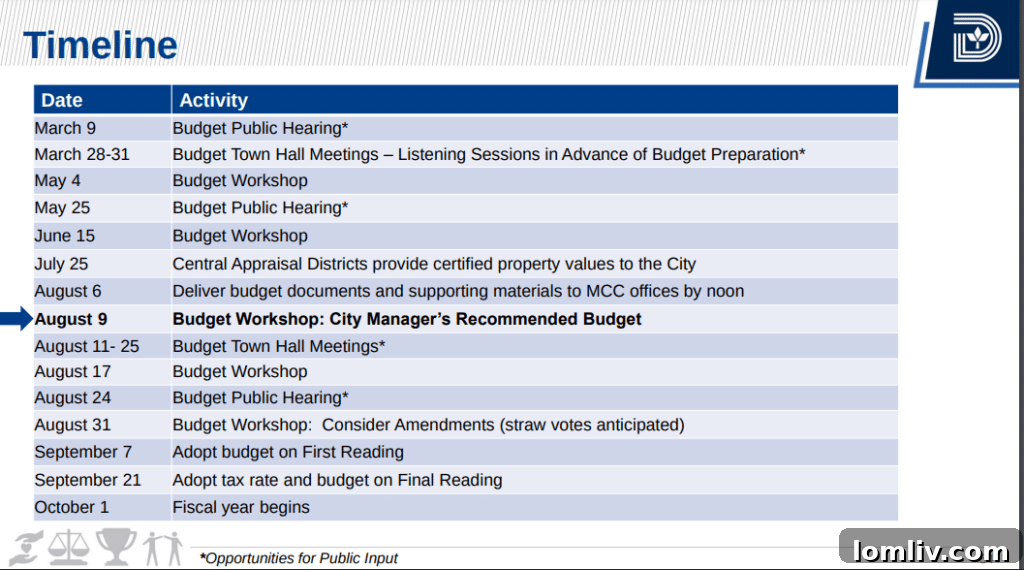
The culmination of these discussions and revisions will occur on September 21, when the budget and property tax rate are scheduled for final reading and adoption. Following this, the new fiscal year for the City of Dallas will officially commence on October 1. This timeline allows for ample deliberation and adjustment, ensuring that the final budget is as effective and equitable as possible for all Dallas stakeholders.
Addressing Key Citizen Concerns: A Deeper Dive into Council Discussions
During a rigorous three-and-a-half-hour workshop, City Council members meticulously dissected the proposed budget, relaying a multitude of concerns and priorities they had heard from their constituents. These discussions highlighted the complex challenges facing Dallas and the areas where residents are seeking greater city intervention and investment. The topics spanned a broad spectrum of urban issues, reflecting the multifaceted nature of municipal governance.
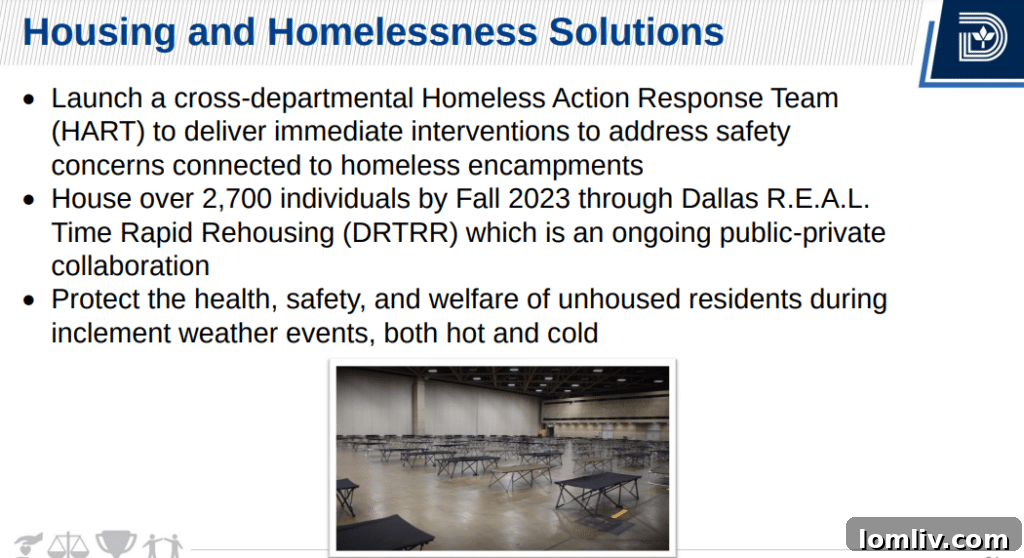
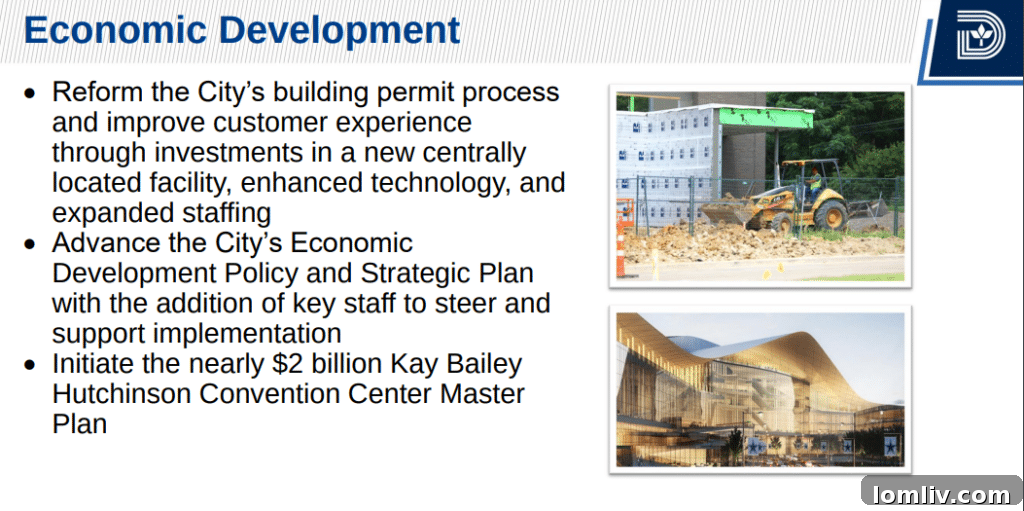
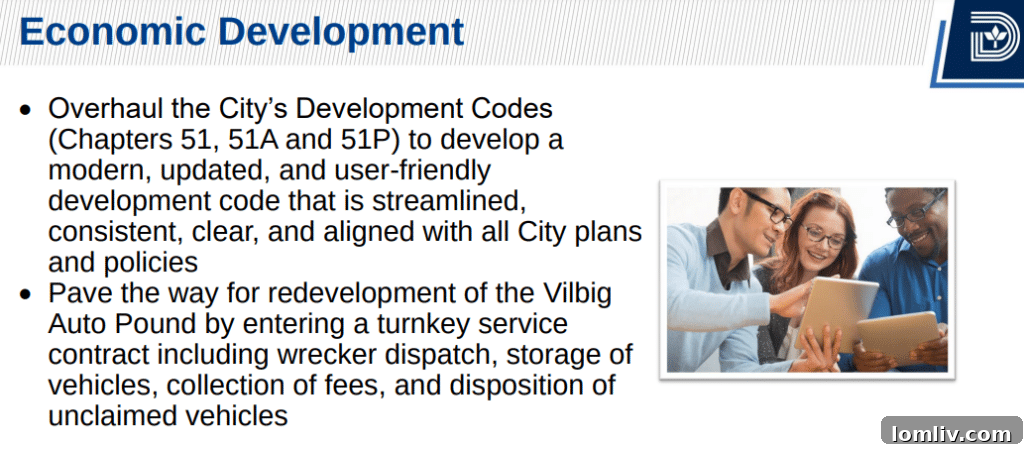
Key among the concerns were fundamental issues affecting daily life and long-term development. Housing affordability and availability continue to be pressing matters, prompting council members to inquire about budget allocations aimed at addressing these critical needs. The efficiency and timeliness of building permits were also brought to the forefront, as delays in this area can significantly impact development projects and economic growth. Code enforcement emerged as another vital discussion point, with council members advocating for robust implementation to maintain neighborhood standards and public safety.
Furthermore, the humanitarian crisis of homelessness received considerable attention, signaling the city’s commitment to finding sustainable solutions for its most vulnerable populations. Transportation infrastructure and services, crucial for a sprawling city like Dallas, were also central to the discourse, with calls for improved connectivity and efficiency. Councilwoman Cara Mendelsohn, for instance, emphasized the importance of a comprehensive five-year budget forecast, seeking long-term financial stability and foresight. She also raised specific questions regarding sanitation pick-up and associated fees, as well as necessary upgrades within the information technology department to ensure efficient city operations.
The conversation extended to matters of equity and fairness. District 3 Councilman Casey Thomas II specifically sought insights into how racial equity was integrated into the budget preparation process and resource allocation strategies, highlighting the importance of equitable distribution of city services and opportunities. Concurrently, Councilman Tennell Atkins championed the need for more vigorous code enforcement initiatives within District 8, underscoring localized needs for maintaining community standards and quality of life. These diverse concerns underscore the council’s dedication to a holistic approach in addressing the city’s challenges through strategic budgetary decisions.

The Balancing Act: Tax Relief vs. Growing City Needs
The dialogue surrounding the Dallas property tax rate reduction highlights a delicate balancing act inherent in municipal finance: providing relief to taxpayers while adequately funding the city’s ever-growing needs. District 13 Councilwoman Gay Donnell Willis voiced a sentiment shared by many residents, suggesting that even with the proposed reduction, more could be done to alleviate the tax burden. She pointed to the “amazing increase in property value” across the city and a robust sales tax projection, nearly $31 million over forecast, as evidence of Dallas’s “phenomenal growth.” Willis argued that despite the lowered rate, the dramatic rise in appraisals would still cause the overall tax bill to “feel like a tax increase” for many, affecting “every district” in Dallas.
City Manager Broadnax acknowledged the public’s desire for greater tax relief but provided a crucial counterpoint, emphasizing the escalating operational costs and the legacy of underinvestment. He pointed out that the city’s additional needs amount to a staggering $172 million, driven by ongoing year-over-year expenses such as salary growth for city employees and the substantial costs associated with addressing “decades of disinvestment” and “deferred maintenance.” These are critical areas that, if neglected, could lead to a decline in the quality of city services and infrastructure.
Broadnax firmly defended the recommended tax rate decrease as “an appropriate amount,” explaining, “Our expenses are growing at an alarming level, and the decades of disinvestment, as well as deferred maintenance, are things we’ll continue to talk about. I wanted to make sure we at least had the revenue to get at those things year over year.” This statement underscores the city’s commitment to not only providing tax relief but also ensuring it has the necessary resources to maintain and improve essential services and infrastructure, preventing future, more costly problems.
Infrastructure Focus and Collaborative Budgeting
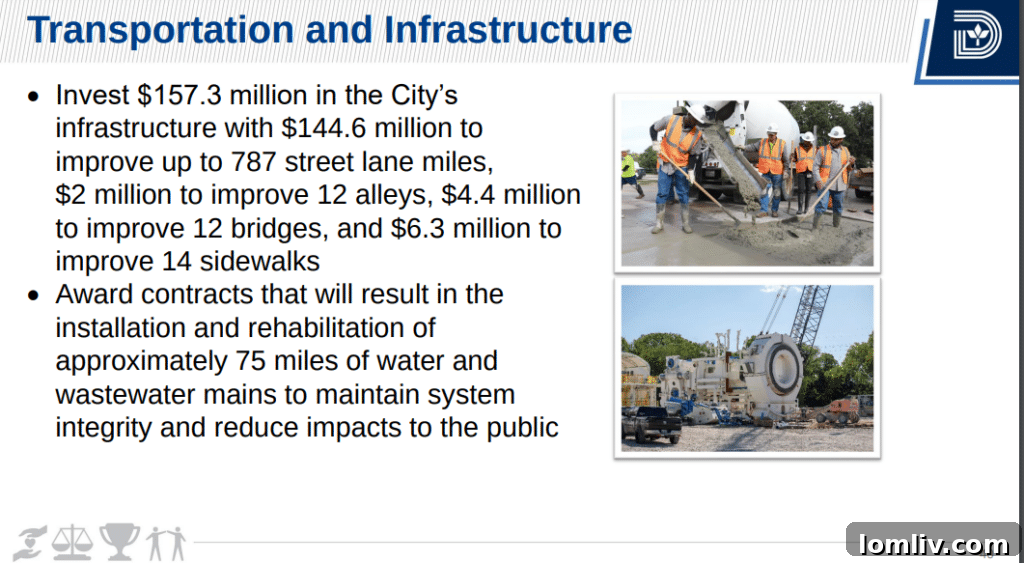
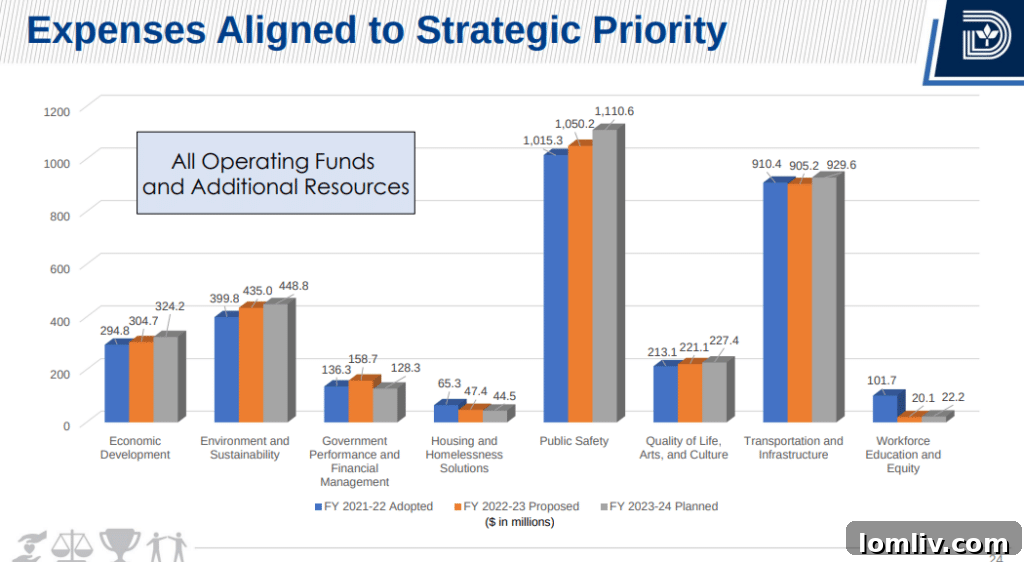
One of the most positively received aspects of the proposed Dallas budget is its strong emphasis on infrastructure. District 1 Councilman Chad West expressed his appreciation for both the “aggressive tax reduction” and the “overall infrastructure focus” of the financial plan. This dual approach aims to ease the burden on taxpayers while simultaneously investing in the foundational elements that support a thriving urban environment, from roads and bridges to water systems and public facilities.
West also highlighted the importance of staff engagement with the community, noting, “I also appreciate staff going out into the community and getting feedback before we get to this point.” This pre-budget consultation process is invaluable. By collecting feedback directly from residents, city staff can better understand localized needs and incorporate these insights into the initial budget drafts. This proactive approach helps to “quell the hunger games a little bit,” as West put it, ensuring that many of the essential requests and priorities identified by various districts are accounted for within the budget, reducing competition for limited resources.
The collaborative effort between city administration, department heads, and community representatives during the budget preparation process is a testament to transparent and responsive governance. It ensures that the final budget is not just a financial document but a reflection of collective aspirations and practical necessities, aimed at enhancing the quality of life for all Dallas residents. The focus on infrastructure is particularly critical for a rapidly growing city, laying the groundwork for future development and maintaining existing assets.
What’s Next for the Dallas Budget?
The journey towards the final adoption of Dallas’s fiscal year 2023-24 budget is nearing its conclusion, but several key stages remain. Residents and stakeholders interested in the minutiae of the city’s financial planning still have opportunities to engage and influence the process. The next crucial event on the calendar is a budget workshop scheduled for Wednesday, August 17. This session will likely delve deeper into specific departmental allocations and allow for further clarification on various budget components.
Following this workshop, proposed council amendments will be thoroughly reviewed on August 31. This is a critical juncture where council members can introduce changes or adjustments based on their ongoing deliberations and feedback received from their constituents. These amendments will then be debated and potentially integrated into the final budget document before the conclusive vote. The ultimate adoption of the budget and the official property tax rate will take place during the final reading on September 21, marking the formal approval of the city’s financial roadmap for the coming year. The new fiscal year will officially commence shortly thereafter, on October 1.
For those seeking more detailed information, the City of Dallas maintains a comprehensive online resource. Residents are encouraged to visit financialtransparency.dallascityhall.com. This portal offers an in-depth look at the budget proposal, financial reports, and other relevant documents, empowering citizens to stay informed about how their tax dollars are being managed and invested in their community. Transparency remains a cornerstone of Dallas’s commitment to its residents.
Conclusion: A New Fiscal Era for Dallas
The proposed $4.51 billion budget and the historic property tax reduction for Dallas’s fiscal year 2023-24 mark the beginning of a new financial era for the city. This proactive approach by Dallas administrators and the City Council demonstrates a keen awareness of the economic pressures facing homeowners, while simultaneously striving to meet the substantial and growing needs of a vibrant metropolitan area. From addressing decades of deferred maintenance to investing in critical infrastructure and prioritizing community well-being, this budget is a testament to thoughtful governance.
The ongoing dialogue between city leadership, council members, and residents ensures that the final financial plan is robust, equitable, and reflective of Dallas’s diverse priorities. As the city moves towards the final adoption of its budget and the commencement of the new fiscal year on October 1, the focus remains firmly on fostering sustainable growth, enhancing public services, and improving the quality of life for every Dallasite. This monumental financial undertaking underscores Dallas’s commitment to prudent fiscal management and a brighter future for all its citizens.