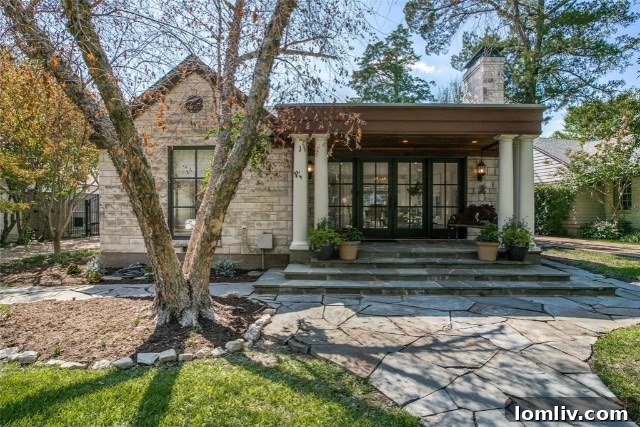
Timeless Transformation: Updating a 1940s Hill Country Chic Bungalow with Modern Flair
In the world of home design, there’s a unique challenge that comes with updating a truly special property. How do you breathe new life into a meticulously preserved 1940s bungalow, a home already exuding what could only be described as “Hill Country Chic,” without sacrificing its inherent charm? This was the delightful dilemma faced by homeowner Christi McCrary. Nestled on a picturesque, tree-lined street, her bungalow boasted an exceptional layout and an abundance of natural light streaming through its numerous windows. While undeniably incredible in its original state, McCrary envisioned a transformation that would elevate it to an even more extraordinary level, blending its vintage soul with contemporary sophistication. Her journey offers invaluable insights for anyone contemplating a sensitive yet comprehensive home renovation.
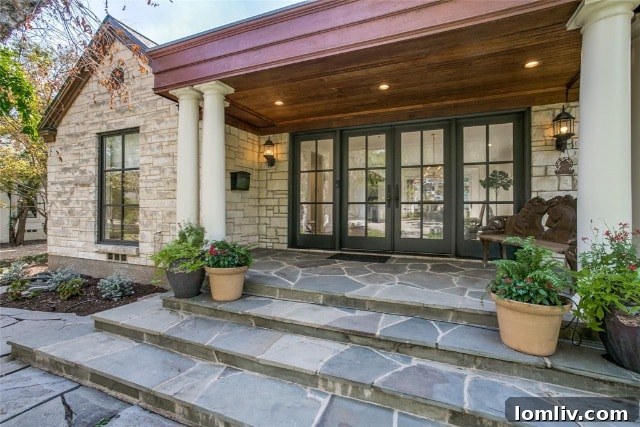
To bring her ambitious vision to fruition, McCrary wisely partnered with Laura Whiteford of Custom Transitions, a collaboration that proved instrumental in crafting a residence that perfectly marries classic allure with modern functionality. This home stands as a testament to thoughtful design and meticulous execution, embodying everything that a successful renovation should be. Instead of merely listing the myriad exquisite details, we’ll delve into McCrary’s essential “dos-and-don’ts” – a curated guide for anyone embarking on a high-caliber remodel. These principles, shared in no particular order, offer a roadmap to achieving a home that feels both refreshed and deeply rooted in its character.
Mastering the Modern Bungalow Renovation: Christi McCrary’s Essential Design Principles
1. Embrace Fresh Neutrals: Banish Yellow Undertones
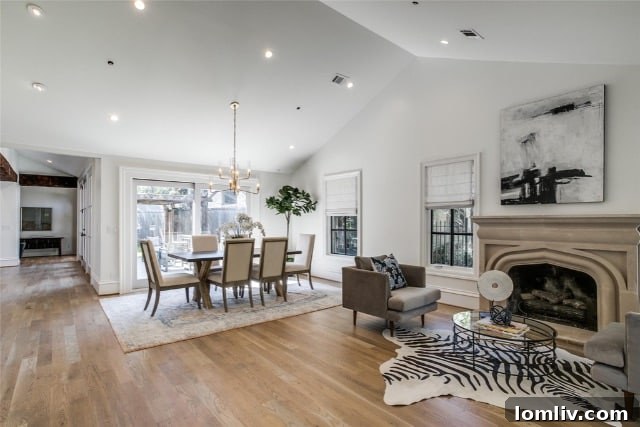
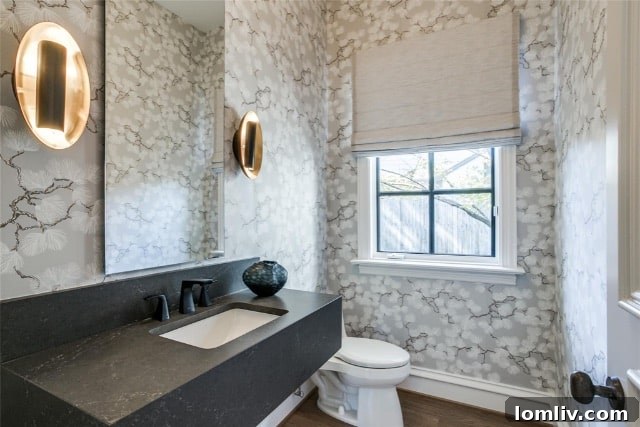
One of McCrary’s golden rules for creating a truly fresh and contemporary space is to unequivocally remove any paint color with yellow undertones. While creamy hues might seem inviting, they can inadvertently date a home, making it appear less vibrant than intended. Her rationale is simple yet profound: if your goal is a space that feels bright, clean, and current, opt for whites and neutrals that lean away from the yellow spectrum. The term “yellowed,” by its very definition, evokes an older aesthetic. By choosing cooler, crisper whites or greige tones, you achieve an immediate sense of openness and modernity. This subtle shift in paint color can dramatically impact the overall ambiance, providing a clean canvas for other design elements to shine and ensuring your renovated bungalow feels utterly revitalized and relevant for today’s design sensibilities.
2. Modernize Era-Appropriate Trends with a Contemporary Twist
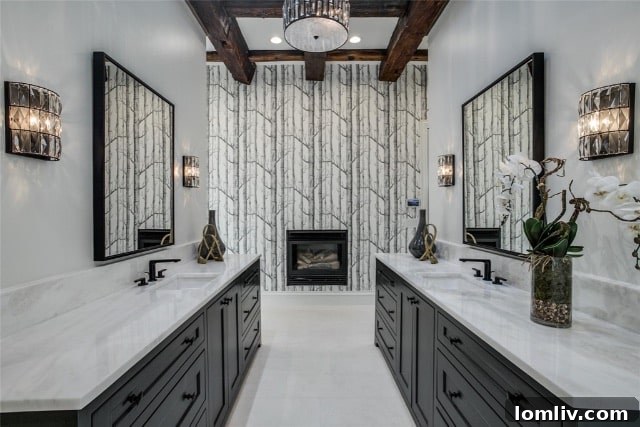
McCrary demonstrates a masterful approach to updating historical elements by injecting a fresh perspective into era-appropriate trends. A perfect example is found in the primary bathroom, where she chose whimsical wallpaper featuring a birch outline. This decision cleverly nods to the 1940s design element of wallpaper, a common feature in homes of that period, but reimagines it with a distinctly current pattern. The birch motif is not only aesthetically pleasing but also creates a beautiful connection to the home’s tree-lined surroundings, reinforcing the natural, tranquil atmosphere. What makes this choice particularly brilliant, especially since the primary bathroom lacks a traditional door, is the intentional reveal. As soon as one steps into the primary bedroom, the charming wallpaper offers a captivating sneak peek, building anticipation and ensuring a cohesive flow throughout the private suite. This strategy allows homeowners to honor a home’s heritage while infusing it with personal style and modern sophistication.
3. Bid Farewell to Original Hardwoods for a Modern Foundation
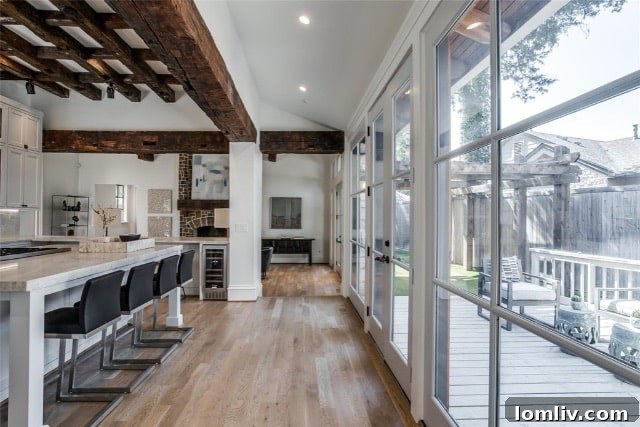
While acknowledging the sentimental and historical value often associated with original hardwood floors, McCrary made a bold decision to replace them. She understood that for her vision of a completely updated aesthetic, the narrow planks typical of 1940s bungalows simply didn’t align with the contemporary look she sought. Her choice to swap them for more modern, wider planks was a deliberate move to anchor the renovation in a current design language. Wider planks instantly create a sense of expansiveness and calm, making rooms feel larger and more cohesive. This design choice contributes significantly to the overall updated feel, providing a sleek, sophisticated foundation that complements the clean lines and fresh palette introduced throughout the home. It’s a testament to prioritizing a cohesive modern vision over strictly preserving every original detail, proving that sometimes, an update requires a significant change to achieve the desired impact.
4. Custom Cabinets: A Non-Negotiable Investment
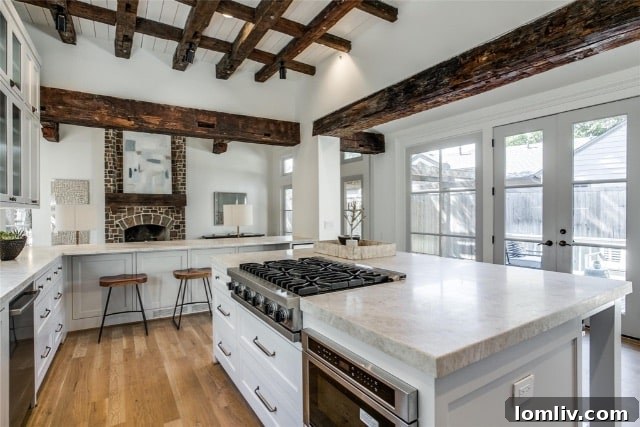
For McCrary, custom cabinetry wasn’t just an option; it was a fundamental requirement for her renovation. Her philosophy is clear: if you’re investing in a comprehensive, custom update for your home, it’s counterproductive to compromise on the cabinetry. Custom cabinets ensure a perfect fit for the unique dimensions and architectural nuances of your space, maximizing both storage and aesthetic appeal. Unlike off-the-shelf options, bespoke cabinetry allows for precise integration into the overall design, creating a seamless and tailored look that elevates the entire room. This attention to detail extends beyond mere appearance; custom solutions can also enhance functionality, offering personalized storage configurations that cater specifically to the homeowner’s needs. McCrary’s insistence on custom cabinets underscores the importance of harmonizing every element of a high-end remodel to achieve a truly cohesive, sophisticated, and perfectly executed result that stands the test of time.
5. The Art of Non-Uniform Tile: Adding Texture and Depth
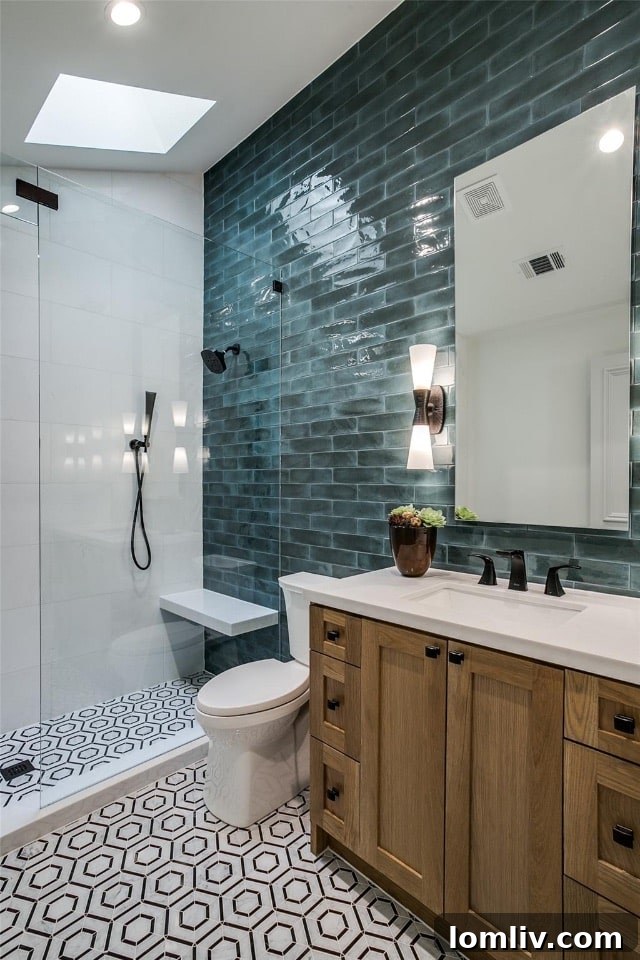
McCrary’s innovative use of “non-uniform tile” (a wonderfully apt description) is a detail that transforms a simple bathroom into an elevated sanctuary. In one of the bathrooms, she employed a stunning wall of tile featuring varied blue tones, creating an effect that is nothing short of special. This departure from a monochromatic or perfectly matched tile scheme introduces incredible richness, texture, and visual interest into the space. The subtle variations in color and possibly finish contribute to a sophisticated, bespoke feel that looks decidedly luxurious. McCrary’s favorite aspect of this design choice? It beautifully mirrors the gentle movement of water, infusing the bathroom with a sense of tranquility and natural flow. This clever and artistic approach to tile work demonstrates how thoughtful material selection can add layers of depth and personality, turning a functional space into a captivating design statement. It’s a brilliant strategy for injecting unique character and an elevated aesthetic into any renovation.
6. Strategic Space Planning: Maximizing Functionality and Flow
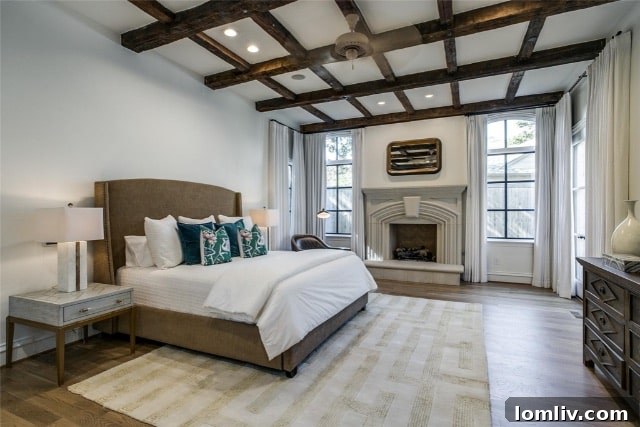
One of the most impactful aspects of McCrary’s renovation was her commitment to smart space planning. She recognized that the front half of her 1940s bungalow, with its original layout, featured smaller closets and did not optimally utilize space for contemporary, luxurious living. Rather than simply decorating around existing limitations, she boldly reconfigured the space to foster a more open and intuitive flow. This involved intelligent solutions like combining two smaller closets to create a generous walk-in closet in the front bedroom, a modern amenity highly sought after. Furthermore, by identifying previously unused wall space, she ingeniously carved out a much-needed hall closet, addressing a common deficiency in older homes. These strategic reconfigurations not only enhance the functionality and convenience of the home but also contribute significantly to its overall sense of spaciousness and modern liveability, making every square foot count.
7. Elevating Doorways: Enhancing Light and Openness
McCrary’s decision to raise doorways wherever possible throughout the bungalow is a testament to her keen understanding of architectural impact. She noted that the back half of the house, which was a later addition, already boasted higher doorways. Seizing the opportunity during the renovation, she extended this feature to the front doorways as well. This wasn’t merely about achieving a uniform aesthetic, though that was a beneficial outcome. More importantly, raising the doorways profoundly contributes to the open, airy, and flowy feel of the entire home. Taller doorways draw the eye upwards, creating an illusion of greater ceiling height and allowing more light to penetrate, thereby enhancing the sense of spaciousness and connection between rooms. It’s a subtle yet powerful design element that significantly impacts the perceived scale and overall sophistication of the living environment, transforming the home’s character.
Your Blueprint for a Modern Home Transformation
Christi McCrary’s renovation of her 1940s Hill Country Chic bungalow provides a solid blueprint of tips and tricks applicable to virtually any home remodel. Her strategic decisions—from selecting the right paint colors and updating flooring to investing in custom cabinetry and rethinking spatial layouts—demonstrate how to honor a home’s history while infusing it with modern elegance and functionality. This project is a shining example of how thoughtful design, coupled with a clear vision and expert collaboration, can elevate a beloved property to new heights.
If you’re inspired by this incredible transformation and wish to experience the finished product firsthand, Dave Perry-Miller’s Frada Sandler currently lists this remarkable residence at 4316 N. Cresthaven Road for $1.75 million. An exclusive open house is scheduled from 2 to 3 p.m. this Sunday, September 25th, offering a unique opportunity to witness this masterful blend of vintage charm and contemporary luxury in person.