North Texas Braces for Another Cold Winter: Essential Home Preparation Guide
As the crisp autumn air signals the approach of colder months, residents across North Texas are turning their attention to the upcoming winter season. Memories of the devastating 2021 winter storm, which left millions without power and caused widespread damage, are still fresh in the collective consciousness. With leading forecasters predicting another unusually cold winter, proactive home preparation is not just advisable—it’s an absolute necessity for safeguarding comfort, finances, and safety.
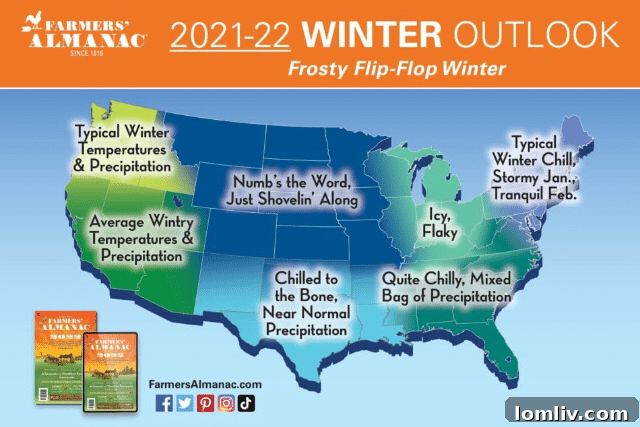
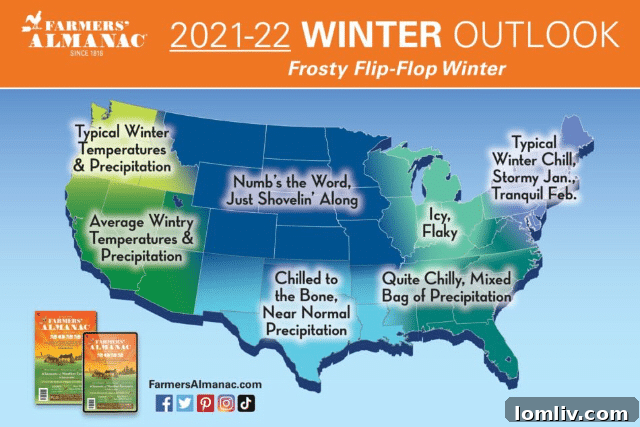
The venerable Old Farmers’ Almanac, a trusted source for long-range weather predictions for over two centuries, has issued its forecast for the coming season. Their methodology, a unique blend of solar science (studying the sun’s hot spots), climatology, and meteorology, points towards a frigid 2022-2023 winter. A weak La Niña pattern, among other complex atmospheric indicators, is a key factor influencing their prediction for colder-than-average temperatures across significant parts of the nation.
Specifically addressing the Southern Great Plains, including the heart of Texas and Oklahoma, the Almanac issues a significant cautionary note: “For our friends in the southern Great Plains, including Texas and Oklahoma, we are sorry to report that late January may bring some potentially frigid and flaky weather like you experienced last winter. Hopefully it won’t be as robust, but it doesn’t hurt to be prepared,” as reported by The Old Farmers’ Almanac. This forecast inevitably sparks critical questions for Dallas and the wider North Texas region: Will we face another severe bout of snow and ice? And, perhaps more importantly, is the state’s grid operator, ERCOT, truly prepared this time to withstand extreme weather conditions without a repeat of past failures?
ERCOT and the Lingering Shadow of Winter Storm Uri
The specter of Winter Storm Uri in February 2021 looms large over all discussions of Texas winter preparedness. That unprecedented event brought the state’s independent power grid, managed by the Electric Reliability Council of Texas (ERCOT), to its absolute limits. Millions endured days without electricity in sub-freezing temperatures, leading to tragic loss of life, widespread burst pipes in countless homes, and an estimated economic impact in the hundreds of billions of dollars. The storm exposed critical vulnerabilities across the state’s energy infrastructure, from natural gas production facilities to power plants, many of which were not adequately winterized or hardened against extreme cold.
Since then, ERCOT and state lawmakers have implemented a series of reforms aimed at bolstering grid resilience. These measures include new mandates for winterization of power generators, increased regulatory oversight, and efforts to improve communication protocols during emergencies. However, the true effectiveness of these changes remains largely untested against another severe winter event. For many North Texans, the question of ERCOT’s readiness is not merely academic; it’s a deeply personal matter of safety, security, and the stability of their daily lives. While we all hope for the best and for a smooth winter, personal preparedness remains the most reliable defense against the unpredictable nature of winter weather and any potential infrastructure failures that may still arise.
Proactive Home Preparation: Learning from Last Winter’s Hard-Won Lessons
The urgency to prepare homes for extreme weather has become a top priority for countless Dallas-Fort Worth residents. Charlie Sikes, a leading expert from Koala Insulation of Dallas, observed an exceptionally busy summer season. This significant surge in demand stemmed directly from the devastating impacts of last February’s freeze, prompting homeowners to finally address critical, long-ignored vulnerabilities in their properties.
Sikes recounted that his team was still actively assisting residents with post-storm cleanup and repairs well into mid-summer. The widespread issue of frozen and broken pipes led to extensive and costly damage, necessitating disruptive replacements of plumbing systems, sheetrock, carpeting, and, crucially, compromised insulation. The sheer financial and emotional toll of these extensive repairs served as a powerful and undeniable motivator for many to take preventative action. A recent mid-October cool front served as a timely and stark reminder that the window for essential home upgrades is rapidly closing, further fueling the Koala Insulation team’s busy schedule of comprehensive attic inspections across Dallas, Richardson, Plano, and Rockwall.
Many decades-long Dallas residents, some of whom had lived in their homes with minimal to non-existent insulation for years, finally reached a breaking point after the severity of last winter. Sikes noted a significant and permanent shift in homeowner mindset, with many resolving to invest proactively in improving their homes’ thermal envelopes. One remarkable project involved a century-old home in Lancaster’s historic district, which underwent a major insulation upgrade over the summer. The owners described last winter as “unbearable.” Due to the delicate nature of the fabric-covered interior walls, which could not be disturbed, the Koala Insulation team ingeniously removed exterior planks to inject fiberglass insulation directly into all the wall cavities—a testament to tailored solutions for unique and challenging architectural requirements.
The Cornerstone of Winter Preparedness: Superior Home Insulation
Proper home insulation is not merely a comfort feature; it’s a critical defense mechanism for your home against extreme temperatures, offering significant benefits far beyond just warmth. A well-insulated home acts as a robust protective barrier, effectively keeping warm air inside during winter and cool air inside during summer. This vital function translates directly into substantial energy savings, reducing the strain on your HVAC system and lowering utility bills year-round. Beyond the economic advantages, insulation significantly enhances overall indoor comfort by eliminating cold spots, reducing drafts, and maintaining consistent temperatures throughout your living space.
Crucially, effective insulation plays a vital role in preventing the costly and destructive issue of frozen pipes. Pipes located in unconditioned spaces like attics, crawl spaces, or those running through exterior walls are particularly vulnerable to freezing. A robust and continuous thermal envelope ensures that these areas are sufficiently protected from freezing temperatures, mitigating the devastating risk of ruptures and subsequent water damage that can lead to extensive repairs, structural issues, and even mold growth.
Understanding Different Types of Insulation and Their Impact
- Fiberglass Batt and Blown-in Insulation: Widely used and cost-effective, fiberglass is an excellent choice for attics, walls, and floors. Blown-in fiberglass, in particular, can easily fill irregular spaces and wall cavities, making it an ideal solution for retrofitting older homes like the Lancaster example mentioned earlier.
- Cellulose Insulation: Made primarily from recycled paper products, and often treated for fire resistance, cellulose is another environmentally friendly blown-in option. It offers good thermal performance and can effectively air seal many common leakage points.
- Spray Foam Insulation: While typically a more significant investment, spray foam (available as open-cell or closed-cell) provides superior thermal resistance and creates an exceptionally tight air seal. This makes it highly effective for maximizing energy efficiency, enhancing structural integrity, and providing an unparalleled barrier against air and moisture infiltration.
Charlie Sikes’ Essential Winter Preparation Checklist for North Texas Homeowners
When asked for the best strategies to prepare for another potentially harsh winter, Charlie Sikes offered invaluable, actionable advice that every homeowner should consider as part of their winterization plan:
- Test Your Furnace Thoroughly: Do not wait until the first severe cold snap to discover your primary heating system isn’t working or is inefficient. Turn on your furnace in mid-autumn to ensure it operates properly. Listen for any unusual noises, check if it’s producing consistent heat, and crucially, replace air filters. Dirty filters restrict airflow and can lead to system strain and higher energy consumption. If you notice any issues, schedule a professional HVAC inspection and tune-up promptly. This vital preventative step can save you from an emergency breakdown and discomfort in freezing temperatures.
- Verify Attic Insulation Thickness (R-Value): Head into your attic with a ruler or measuring tape. The current building code minimum for adequate attic insulation in this climate zone is typically 13 inches, which corresponds to an R-value of R-38. The R-value measures thermal resistance; higher R-values mean superior insulation performance and greater energy savings. Many older homes, especially in North Texas, fall significantly short of this standard, often having only a few inches of insulation. Insufficient attic insulation is a primary culprit for heat loss, exorbitantly high energy bills, and uncomfortable drafts throughout your home. If your insulation is below 13 inches, or if you can see the tops of your ceiling joists, it’s a strong indicator that you need to add more insulation immediately.
- Insulate Exposed Water Pipes in the Attic and Crawl Spaces: Critically inspect your attic and any crawl spaces to ensure that all water pipes situated above the insulation layer—and thus exposed to unconditioned air—have proper insulation material wrapped securely around them. This is an absolutely crucial step in preventing pipes from freezing and bursting during prolonged cold spells, which can cause catastrophic water damage. Use foam pipe insulation sleeves, specialized heat tape, or a combination for added protection. Do not overlook pipes in unheated basements, utility closets, or those running through exterior walls.
- Inspect for Displaced or Compromised Insulation: Look closely for any areas where insulation might be sparse, compressed, or completely missing. This common issue can happen due to previous work by contractors (HVAC, electrical, plumbing) who moved insulation and failed to properly restore it, or it could be due to pest and rodent activity. Even small gaps or areas of reduced coverage can create significant cold spots, allowing valuable heat to escape and dramatically increasing energy consumption. Ensure insulation is evenly distributed and covers the entire attic floor, sealing off areas around light fixtures, exhaust vents, and attic access points.
Beyond Insulation: Comprehensive Winterization Tips for a Protected Home
While insulation is paramount, a holistic approach to winter preparedness includes several other vital steps that contribute significantly to your home’s resilience and efficiency:
- Seal Air Leaks: Use caulk and weatherstripping around windows and doors to prevent cold drafts from entering and warm air from escaping. Check for cracks in foundations, around utility penetrations (wires, pipes), and at the sill plate. Air sealing can dramatically reduce heat loss and improve indoor air quality.
- Window and Door Care: Consider adding interior plastic film to particularly drafty windows for an inexpensive temporary seal. For a more permanent solution, invest in energy-efficient window treatments like heavy curtains or cellular shades that provide an extra layer of insulation.
- Disconnect Outdoor Hoses: Remove all garden hoses from outdoor spigots and drain them completely. If your spigots aren’t frost-proof (which many older homes lack), consider turning off their interior water supply from inside the house and draining the exterior line to prevent freezing and damage to the faucet itself.
- Protect Exterior Plants: Bring sensitive potted plants indoors or move them to a sheltered location. Cover in-ground plants with burlap, frost cloths, or a thick layer of mulch to protect their roots from extreme cold.
- Know Your Water Shut-Off Valve: In the unfortunate event of a burst pipe, knowing how to quickly and efficiently turn off your home’s main water supply can minimize extensive water damage. Ensure every adult in the household knows its exact location and how to operate it effectively.
- Prepare an Emergency Kit: Assemble a comprehensive emergency kit with essential items such as blankets, flashlights, extra batteries, a fully stocked first-aid kit, non-perishable food items, and bottled water, especially if prolonged power outages are a concern.
Secure Your Home for Winter with Professional Expertise
Navigating the complexities of home winterization and identifying specific vulnerabilities can be a daunting task for many homeowners, but you don’t have to tackle it alone. Understanding your home’s unique needs and ensuring it meets or exceeds modern energy efficiency standards is key to achieving optimal comfort, significant savings, and invaluable peace of mind during the colder months.
Charlie Sikes and his dedicated team at Koala Insulation of Dallas stand ready to assist North Texas homeowners. They offer complimentary, no-obligation attic inspections. During a quick and thorough visit, their experts can accurately assess your current insulation levels, identify any critical thermal weaknesses, and provide tailored recommendations for improvement. Taking this proactive step now can help you avoid discomfort, significantly reduce high electricity bills, and prevent the costly damages that another severe winter could potentially bring.
Don’t leave your home’s winter readiness to chance. Invest in its protection and energy efficiency now to ensure a warm, safe, comfortable, and cost-effective season ahead for your entire family.