Dallas’s New Transwestern Mixed-Use Development: A Deep Dive into the Plan Commission’s Controversial Approval
A pivotal vote has cleared the path for a transformative mixed-use project at the heart of Dallas, sparking debate over urban growth, community welfare, and surprising traffic projections.
The Dallas Plan Commission’s Deliberation: A Close Vote
In a highly anticipated session that saw impassioned pleas from both developers and concerned residents, the Dallas Plan Commission recently cast a decisive vote on the proposed Transwestern mixed-use development. The project, slated for a significant parcel near the bustling intersection of Preston Road and Bandera Avenue, has been the subject of intense scrutiny for months. Ultimately, the commission approved the ambitious plan, but not without a notable dissenting voice.
The final tally revealed a near-unanimous endorsement, with only one commissioner standing in opposition. Paul E. Ridley, an esteemed appointee from Kingston, was the lone holdout, representing a clear stance against the prevailing sentiment of his colleagues. His dissent underscored the profound divisions and complex considerations inherent in large-scale urban development, particularly when balancing economic growth with existing community fabric and environmental impact. The commission’s decision, while providing a green light for Transwestern, has undoubtedly set the stage for continued discussion and observation as the project moves forward.
Unveiling the Transwestern Vision: A Modern Hub for Preston Road & Bandera
A New Definition for Mixed-Use in Dallas
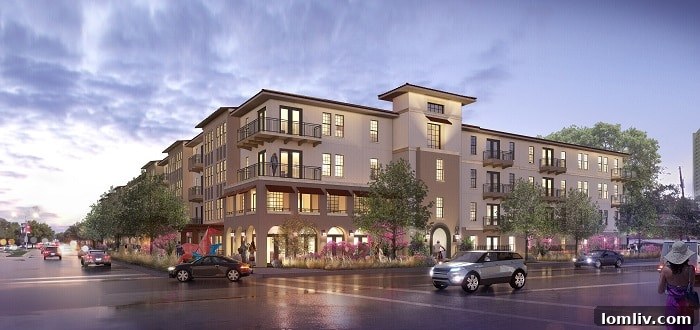
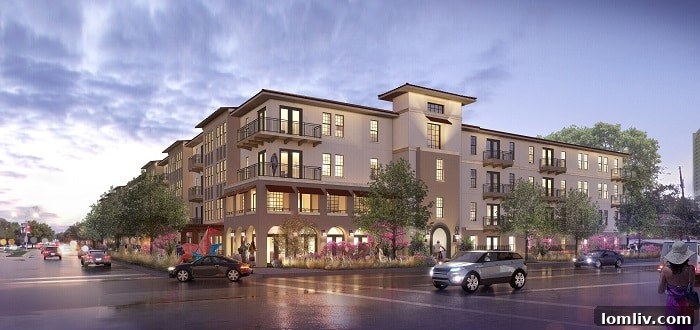
The Transwestern development aims to create a vibrant, self-contained mixed-use destination that redefines urban living and commerce in Dallas. Envisioned as a multi-phase project, it will seamlessly integrate luxury residential units, modern office spaces, diverse retail establishments, and publicly accessible green areas. Located strategically at a key nexus of Preston Road and Bandera Avenue, the development promises to bring significant economic vitality and a contemporary aesthetic to an area ripe for revitalization.
Architectural renderings depict sleek, modern buildings thoughtfully designed to complement the Dallas skyline while incorporating elements that pay homage to the city’s rich heritage. The plan includes pedestrian-friendly pathways, communal plazas, and green spaces intended to foster a sense of community and enhance the quality of life for residents and visitors alike. The residential component is expected to offer a mix of high-rise apartments and townhomes, catering to a diverse demographic seeking urban convenience and upscale amenities. The retail spaces will host a curated selection of boutiques, restaurants, and essential services, ensuring that many daily needs can be met within walking distance, thereby reducing reliance on vehicular travel for those living or working within the development.
Developers assert that this project is not merely about constructing buildings, but about cultivating a dynamic environment that encourages social interaction, economic opportunity, and sustainable living. The vision includes advanced smart-city technologies, energy-efficient designs, and robust digital infrastructure, positioning the Transwestern development as a model for future urban planning in Dallas and beyond. It represents a significant investment in the area, projected to generate hundreds of jobs during construction and many more permanent positions upon completion, contributing substantially to the local economy.
Community Concerns: Voicing Neighborhood Apprehensions
The enthusiasm surrounding the Transwestern development has not been universally shared. Local residents and neighborhood associations have consistently raised significant concerns, primarily focusing on the potential adverse impacts on traffic, infrastructure, and the overall character of their long-established community. Throughout the public hearings and community meetings leading up to the Plan Commission’s vote, a strong, unified voice emerged, articulating fears about increased congestion, noise pollution, and strain on public services.
Traffic, in particular, was the elephant in the room. Residents living along Preston Road and Bandera Avenue already contend with substantial daily commutes and bottleneck issues. They expressed worry that adding thousands of new residents and daily commuters, along with increased commercial activity, would exacerbate existing problems to an unbearable degree. Beyond traffic, concerns also included the potential for increased light pollution from taller buildings, shadowing existing homes, and the strain on local schools and utilities which are already operating near capacity. Many residents also voiced a desire to preserve the distinct, often quieter, suburban-like feel of their neighborhoods, fearing that a massive urban development would irrevocably alter the local ambiance.
Neighborhood groups presented petitions, organized informational sessions, and actively participated in every available forum to ensure their perspectives were heard. Their arguments often centered on quality of life issues, the preservation of community identity, and the need for more measured, incremental development that respects existing urban fabric. While acknowledging the potential economic benefits, many residents questioned whether these gains justified the perceived costs to their daily lives and the future of their beloved community.
The Traffic Paradox: City Experts’ Surprising Projections
Re-evaluating Congestion on Bandera Avenue
Perhaps the most contentious and counter-intuitive aspect of the entire discussion revolved around the city’s traffic experts’ assessment. Against the backdrop of vehement community outcries about impending gridlock, city planners and traffic engineers presented data suggesting that the new development might actually lead to a net positive effect, or at least a manageable outcome, for traffic flow on key thoroughfares like Bandera Avenue. Their analysis, presented with comprehensive models and simulations, sparked intense debate.
The experts claimed the development “may actually DECREASE traffic on Bandera,” citing a projection of vehicle frequency shifting from a car every forty seconds (currently) to a car every 30 to 35 seconds. This specific phrasing and data point initially caused widespread confusion and skepticism among the public, as a reduction in the interval between cars typically signifies an *increase* in traffic density, not a decrease. However, the city’s experts clarified that their “decrease in traffic” claim was predicated on a more holistic and nuanced interpretation of urban mobility. They argued that while the immediate *frequency* of vehicles on a specific segment like Bandera might indeed marginally increase due to the sheer volume of activity generated by a new hub, the *overall burden* on the city’s wider traffic network could diminish.
This “traffic paradox” was explained through several key factors:
- Internal Capture: As a mixed-use development, a significant portion of residents’ daily needs (work, shopping, dining) can be met within the development itself, reducing the need for external car trips. This internal capture dramatically lowers the overall vehicle miles traveled (VMT) originating from the area.
- Diverse Trip Generation: Unlike single-use developments, mixed-use projects generate trips at different times of day and for different purposes, smoothing out peak hour demands rather than exacerbating them. Office workers might arrive in the morning, while retail visitors come during midday or evenings, and residents walk to local amenities.
- Pedestrian and Cyclist Infrastructure: The development’s design emphasizes walkability and offers extensive bike paths, encouraging alternative modes of transport for short-distance trips, further reducing reliance on cars.
- Public Transit Integration: Future plans include enhanced connectivity with existing and planned public transportation routes, aiming to shift a percentage of commuters away from private vehicles.
- No-Build Scenario Comparison: Crucially, the traffic study likely compared the development’s impact against a “no-build” scenario, which often projects even worse traffic growth over time due to organic population increases and continued reliance on car-centric infrastructure. The development, in this context, could be seen as a way to manage inevitable growth more efficiently.
While these explanations provided some clarity, the concept remained difficult for many residents to reconcile with their lived experience of growing congestion. This analytical divergence highlighted the chasm between expert modeling and public perception, contributing significantly to the “volatile afternoon” at City Hall.
Paul E. Ridley’s Dissent: A Stand for Balanced Growth
The lone dissenting vote from Paul E. Ridley resonated deeply with the community members who felt their voices had been marginalized. As a Kingston appointee, Ridley’s background and commitment to community advocacy have always been prominent. His vote was not a rejection of progress, but rather a principled stand for a more balanced approach to urban development, one that prioritizes existing community concerns and a thorough, transparent evaluation of long-term impacts.
In his remarks preceding the vote, Commissioner Ridley articulated several key points. He expressed skepticism regarding the long-term efficacy of the traffic mitigation strategies, emphasizing that while models are useful, they often fail to capture the full complexity of human behavior and unforeseen congestion points. He also highlighted the cumulative impact of multiple large-scale developments on Dallas’s infrastructure, suggesting that each new project, regardless of its individual merits, places an additional strain on an already stretched system.
Furthermore, Ridley underscored the importance of community input, arguing that while economic benefits are significant, they should not overshadow the qualitative aspects of neighborhood life, such as peace, quiet, and a sense of belonging. His dissent served as a powerful reminder that urban planning is not solely about maximizing density or profit, but also about fostering livable, sustainable, and equitable communities. His stand solidified his reputation as a thoughtful, independent voice on the commission, prioritizing what he perceived as the welfare of the residents over the immediate economic allure of large-scale projects.
The Path Forward: Dallas’s Evolving Urban Landscape
With the Dallas Plan Commission’s approval, the Transwestern mixed-use development now moves into its next critical phases, including securing detailed permits, finalizing architectural blueprints, and preparing for groundbreaking. While the initial hurdle has been cleared, the journey ahead is likely to be multifaceted, involving intricate coordination with city departments, ongoing community engagement, and rigorous oversight to ensure compliance with all approved conditions.
This project is more than just a new building complex; it is a significant chapter in Dallas’s ongoing urban evolution. It embodies the city’s ambitions for growth, modernization, and its commitment to becoming a dynamic hub for both residents and businesses. However, it also highlights the perennial challenges of balancing rapid development with the preservation of local character and the imperative to maintain a high quality of life for all citizens. The discussions and debates surrounding this project serve as a crucial learning experience for future urban planning initiatives across the city.
The Transwestern development at Preston Road and Bandera will undoubtedly transform a vital part of Dallas. Its success will not only be measured in economic output and architectural grandeur but also in its ability to integrate seamlessly with its surroundings, alleviate – rather than exacerbate – urban pressures, and ultimately enhance the daily lives of the Dallas community. All eyes will now be on the developer and the city to see how these ambitious plans translate into reality and how the promises of managed growth and improved urban living come to fruition.
Our own Jon Anderson was at City Hall today, capturing every nuance and unfolding drama. He is currently compiling all the intricate details of a very volatile afternoon, promising an in-depth report that will bring you the full story soon. So, DON’T TOUCH THAT DIAL!
Stay Tuned for More Updates and Exclusive Coverage