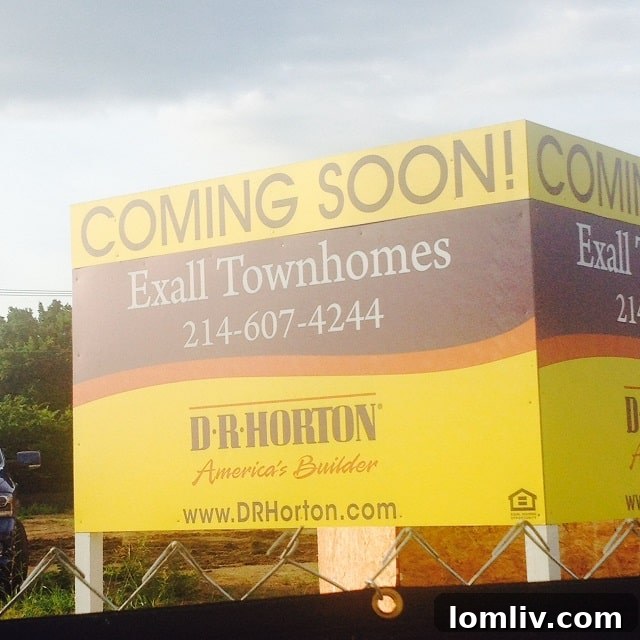
D.R. Horton’s Exall Townhomes Project: A Closer Look at Site Management and Community Impact in Bryan Place
The journey of urban development, particularly the creation of new residential communities, is a complex dance between innovation, economic growth, and corporate responsibility. While the promise of modern homes and revitalized neighborhoods is often the ultimate goal, the process of construction itself can significantly impact existing communities and the environment. A recent concern raised by a diligent reader has brought into sharp focus the ongoing construction practices at D.R. Horton’s “Exall Townhomes” development in Bryan Place, an area known for its vibrant community spirit and established residential character.
Our reader, a local resident who traverses the area daily, has observed a series of site management issues that paint a less than ideal picture of corporate stewardship. The initial excitement surrounding new housing in Bryan Place, and specifically the Exall Townhomes, has been somewhat overshadowed by concerns regarding the immediate surroundings of the construction site. These observations highlight a critical aspect of development often overlooked in the pursuit of the final product: the interim period of construction and its direct impact on the quality of life for neighboring residents and the local ecosystem.
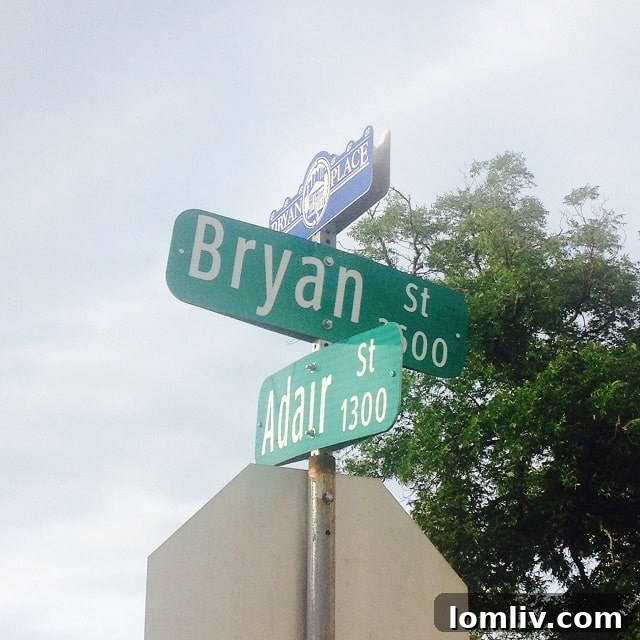
The Concerns: An “Eyesore” and Environmental Non-Compliance
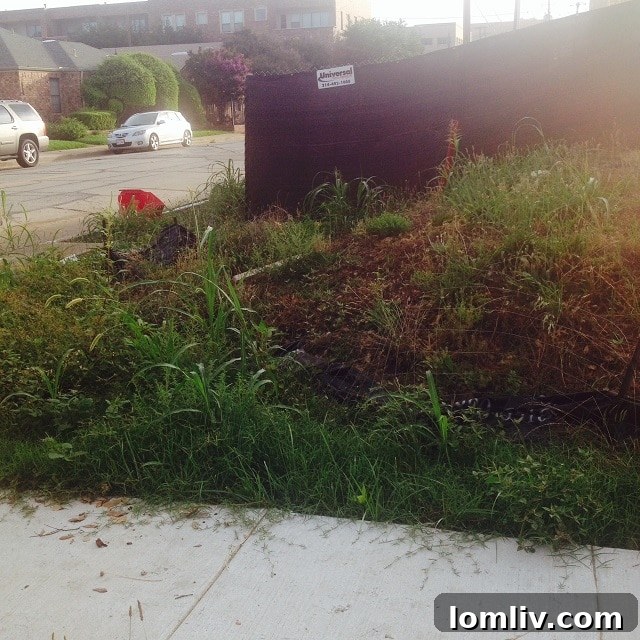
The reader’s candid description of the construction site as an “eyesore” immediately captures the essence of the visual degradation experienced by those living near the Exall Townhomes development. While construction inherently involves disruption, there is a fundamental expectation that major developers like D.R. Horton will maintain sites to a reasonable standard, mitigating negative aesthetic and environmental impacts. This sentiment is not merely about visual preference; it speaks to a broader issue of respect for the existing community and its inhabitants.
Delving deeper into the specific issues, several points of concern were meticulously documented:
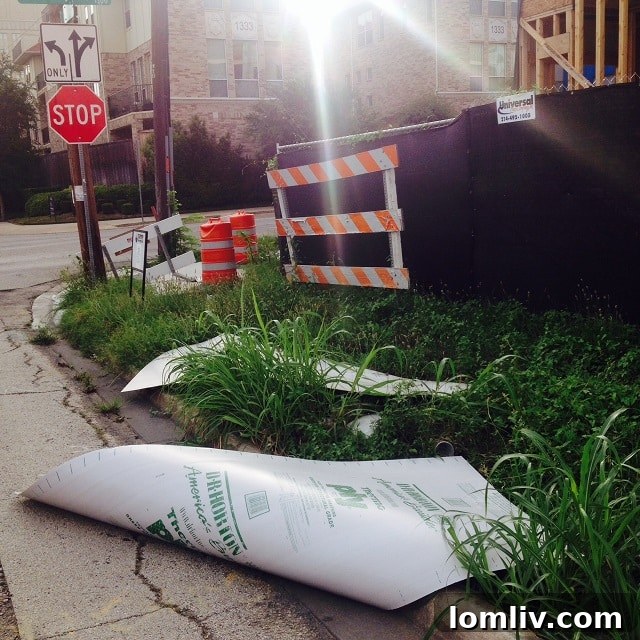
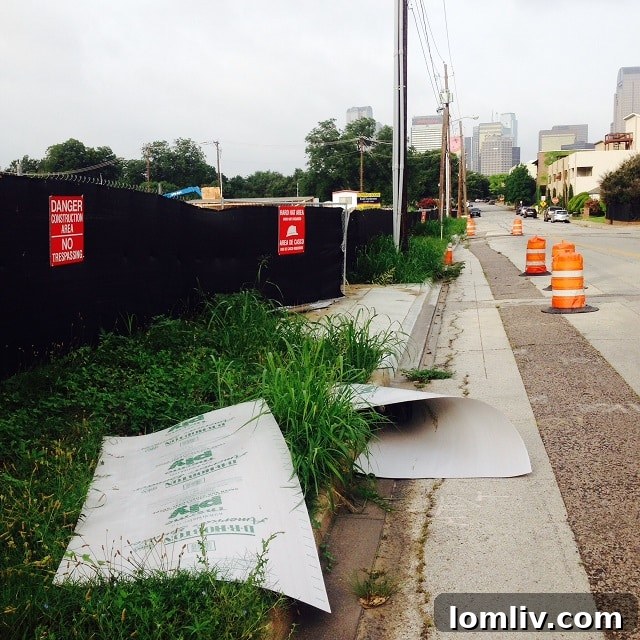
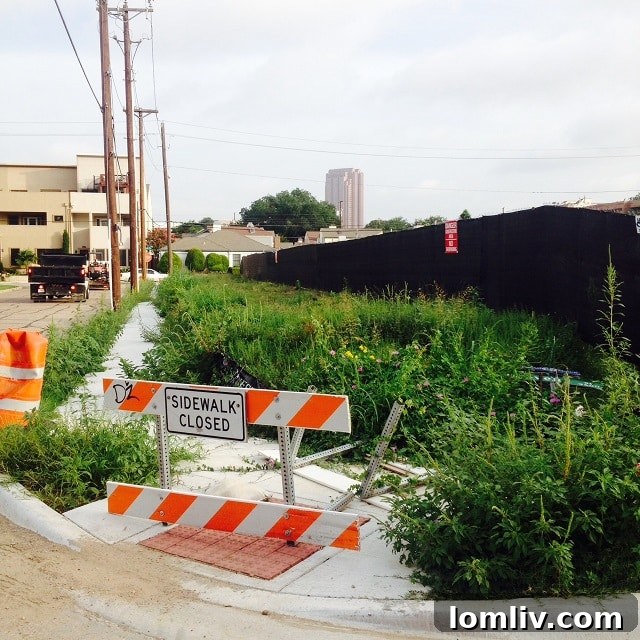
- Overgrown Grass: The presence of overgrown grass on a construction site signals a lack of basic maintenance. Beyond aesthetics, neglected vegetation can harbor pests, increase fire risks, and generally contribute to a sense of disarray and neglect that can detract from the surrounding property values and overall neighborhood appeal.
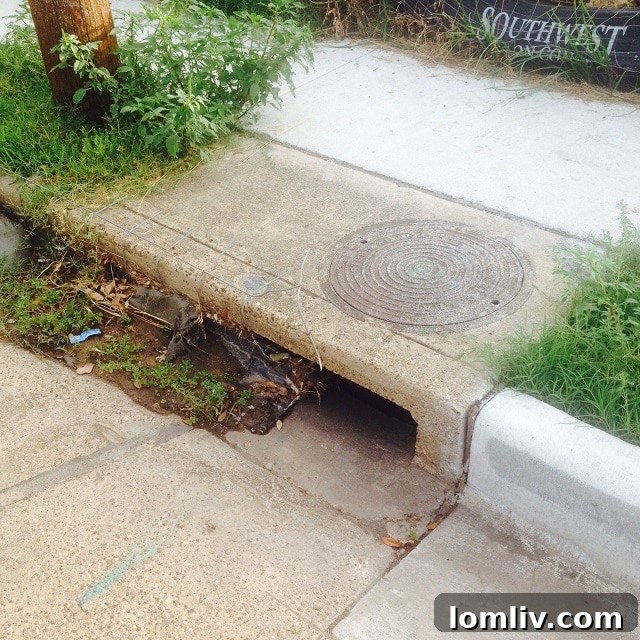
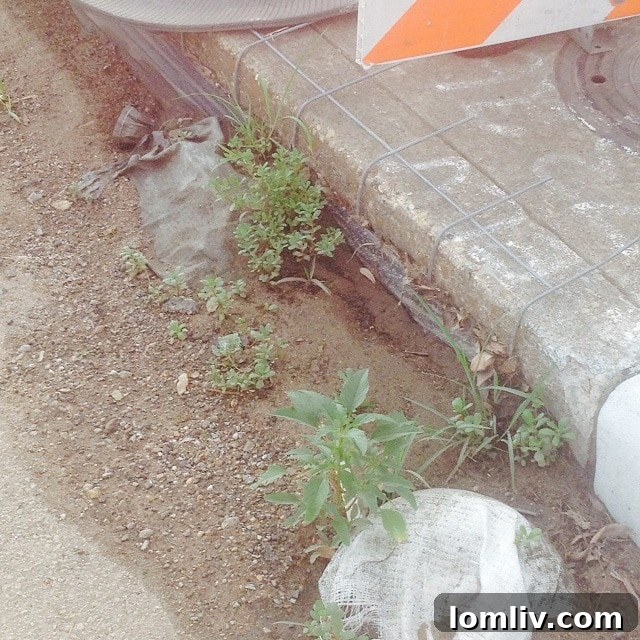
- Non-Compliant Silt Fence: This is perhaps the most critical environmental concern. Silt fences are crucial components of a Stormwater Pollution Prevention Plan (SWPPP). Their purpose is to prevent soil erosion and keep sediment from leaving the construction site, especially during rain events. A non-compliant silt fence directly implies that dirt and debris are escaping the site.
- Runoff into Stormwater Drains: The direct consequence of a failing silt fence is the runoff of dirt and debris into stormwater drains. This is a serious environmental violation, as these drains typically lead to local creeks, rivers, and ultimately, larger water bodies. Sediment pollution can harm aquatic ecosystems, clog drainage systems, and contribute to larger water quality issues. It also creates muddy, unsightly conditions on public streets and sidewalks.
- Construction Debris in the Street: The observation that “moisture barrier siding has now made its way into the street” is a clear indicator of poor waste management and a potential safety hazard. Construction debris on public thoroughfares poses risks to pedestrians, cyclists, and vehicles. It also underscores a broader failure in site containment and cleanup protocols, reflecting negatively on the developer’s commitment to safety and cleanliness.
The Extended Timeline and Community Patience
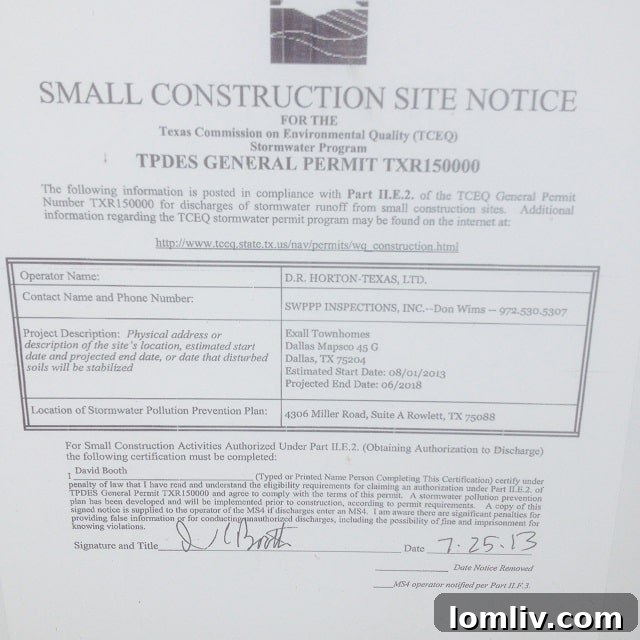
Further exacerbating the reader’s frustrations is the SWPPP project completion date, which reportedly indicated June 2018. While the precise current timeline of the project is not the main focus, the reader’s rhetorical question, “Lord…please tell me that we don’t have to put up with this for the next four years!?” powerfully conveys the dread of prolonged inconvenience and environmental blight. This highlights a common concern among residents living near long-term construction projects: the balance between progress and enduring disruption. Developers have a responsibility to not only complete projects efficiently but also to manage the interim period with minimal adverse impact on the surrounding community.
The perceived duration of the project, coupled with substandard site management, suggests a lack of consideration for the local population. Residents are typically understanding of temporary disruptions, but patience wears thin when basic standards of cleanliness, safety, and environmental protection are not met over an extended period.
Corporate Responsibility in Urban Development: A D.R. Horton Perspective
D.R. Horton is one of the largest homebuilders in the United States, a prominent name in the real estate sector. With such a significant market presence comes an equally significant responsibility – not just to shareholders but to the communities where they operate. Corporate Social Responsibility (CSR) is no longer a peripheral concern; it is an integral part of sustainable business practice, especially for entities that directly shape the urban landscape.
Poor site management, as observed at the Exall Townhomes, can have cascading negative effects:
- Reputational Damage: While the finished townhomes may eventually be a “nice addition,” a messy and non-compliant construction phase can leave a lasting negative impression on the community, potentially affecting future sales and community relations for D.R. Horton in Bryan Place and beyond.
- Environmental Fines and Sanctions: Regulatory bodies, such as the Environmental Protection Agency (EPA) and local municipal agencies, have stringent rules regarding stormwater management and construction site compliance. Violations can lead to substantial fines and even work stoppages, adding unforeseen costs and delays to projects.
- Erosion of Community Trust: When a developer fails to maintain a clean and safe construction site, it erodes trust with the existing residents. This trust is vital for future development projects and for fostering a harmonious relationship between new and established parts of a neighborhood.
- Impact on Property Values: An unkempt construction site, particularly one with visible environmental non-compliance, can negatively influence the perception and potentially the market value of neighboring properties.
Beyond the “End Result”: Prioritizing the Process
The reader acknowledges that the “end result will be a nice addition to the neighborhood.” This concession underscores a crucial point: the quality of the final product does not excuse a problematic construction process. In fact, a responsible developer understands that the process itself is part of the product – it is the community’s first, and often most impactful, interaction with the new development.
Best practices for construction site management include:
- Robust SWPPP Implementation: Ensuring that stormwater pollution prevention plans are not just on paper but are actively and effectively implemented, monitored, and maintained throughout the project’s lifecycle.
- Regular Site Cleanup: Implementing daily or weekly cleanup routines to remove debris, manage waste, and maintain a tidy appearance, especially along public-facing boundaries.
- Proactive Communication: Engaging with the local community, providing updates on project timelines, addressing concerns promptly, and demonstrating transparency.
- Environmental Stewardship: Going beyond minimum compliance to actively minimize the environmental footprint of construction activities, including dust control, noise reduction, and proper hazardous waste disposal.
- Safety Protocols: Ensuring the construction site is secure and that no materials or hazards spill over into public areas, thereby protecting pedestrians and motorists.
A Call for Accountability and Improvement
The concerns raised by the Bryan Place resident are a potent reminder that large-scale development comes with significant responsibilities. For D.R. Horton, a company with extensive resources and influence, adherence to best practices in site management should be a standard, not an exception. The sight of overgrown grass, failing silt fences, and construction debris spilling onto public streets casts a shadow over the promise of new urban homes and reflects poorly on the developer’s commitment to environmental protection and community welfare.
The question echoes, not just from our vigilant reader, but from the broader community and environmental advocates: “Hey, D.R. Horton, what’s up?” What measures are being taken to address these immediate concerns? What protocols are in place to prevent such issues from recurring? And how will D.R. Horton ensure that the journey of developing Exall Townhomes aligns with the highest standards of corporate responsibility, making the entire process, not just the finished product, a positive contribution to the vibrant Bryan Place neighborhood?
We hope to see swift action and a renewed commitment to excellence in site management from D.R. Horton, ensuring that the development of Exall Townhomes truly becomes a welcome addition to Bryan Place, both during and after construction.