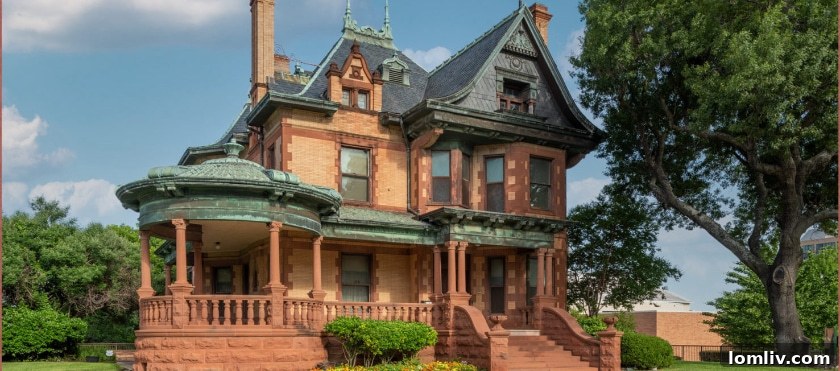
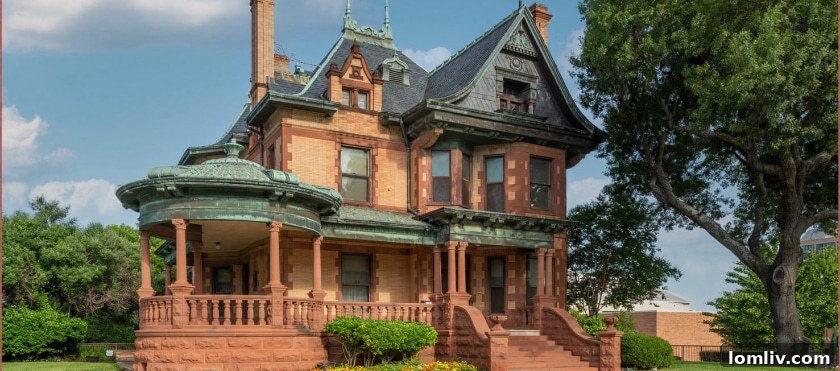
Historic Fort Worth has once again shone a spotlight on the critical issue of urban heritage by releasing its highly anticipated “Fort Worth Most Endangered Places” list. This annual compilation serves as a stark reminder of the irreplaceable landmarks teetering on the brink of demolition or irreversible decay, igniting a crucial conversation about the future of the city’s unique architectural and cultural identity. The 2023 list, in particular, delivers a profound call to action, highlighting structures and sites that are not merely old buildings, but vital threads in the rich tapestry of Fort Worth’s past.
Among the most distressing inclusions on this year’s list is the Allen Chapel at 116 Elm Street. Erected in 1915, this significant structure was the brainchild of William Sidney Pittman, a pioneering figure in American architecture. Pittman, a luminary in his field, was also the visionary behind the historic Knights of Pythias Temple in Dallas. Fortunately, the Knights of Pythias Temple was successfully rescued from oblivion and meticulously restored, now serving as the magnificent Kimpton Pittman Hotel – a testament to what dedicated preservation efforts can achieve.
William Sidney Pittman holds a distinguished place in Texas history as the state’s first black architect. His impressive lineage includes being married to Portia Washington, the accomplished daughter of the renowned educator and orator Booker T. Washington. The Allen Chapel’s significance is further underscored by its official designations: it was honored as a Texas Historic Landmark in 1983 and subsequently added to the National Register of Historic Places in 1984. These esteemed recognitions, while acknowledging the building’s profound historical and architectural merit, paradoxically offer no absolute safeguard against the wrecking ball. This glaring loophole highlights a fundamental challenge in historic preservation: recognition does not automatically equate to protection.
This reality is, for many, an astounding and disheartening revelation. It raises serious questions about the efficacy of current protective measures and the prevailing attitudes towards heritage conservation. How can a structure deemed historically invaluable by both state and national bodies remain vulnerable to destruction? The Allen Chapel’s precarious position serves as a powerful symbol of this ongoing struggle, compelling us to critically examine the gaps in our preservation framework.
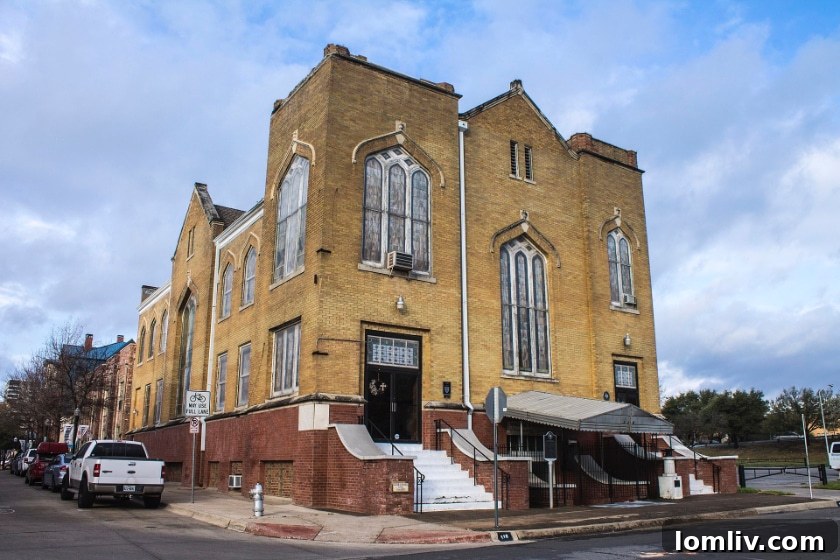
The dwindling number of Pittman’s surviving structures further amplifies the urgency of saving the Allen Chapel. As of 2020, only five of his original designs remained standing across the country. The rest, including the significant 1913 Carnegie Library of Houston, have tragically succumbed to demolition. This pattern often emerges when historic buildings face deferred maintenance – a common issue that can lead to rapid dismissal of their intrinsic value. A lack of upkeep, rather than an inherent flaw in the structure, frequently becomes a convenient justification for razing these important pieces of our collective history. This trend not only erases tangible links to the past but also diminishes the cultural narrative and architectural diversity of our cities.
However, the narrative isn’t solely one of despair. Savvy and intelligent investors understand the inherent benefits of rehabilitating structures that already possess state and national landmark status. Such designations significantly enhance the viability of restoration projects. Any approved historic restoration initiative, for instance, qualifies for the valuable Texas Historic Preservation Tax Credit Program. This program offers a substantial incentive: a 25-cent credit for every dollar spent on restoration expenses, encompassing crucial aspects like architectural and engineering fees. This financial stimulus makes preservation not just a cultural imperative but also an economically sound investment, encouraging developers to look beyond demolition and embrace adaptive reuse.
When one considers the immense historical and cultural importance of William Sidney Pittman’s work, particularly his contributions as a trailblazing African American architect, the potential loss of the Allen Chapel should indeed evoke not just a sense of despair, but a surge of justifiable anger. This situation demands a collective commitment to doing better. The “Fort Worth Most Endangered Places” list, therefore, should not be viewed merely as a roster of threatened sites, but as a powerful opportunity for every resident, stakeholder, and advocate. We have the collective power to amplify awareness, spread the word, and, crucially, draw inspiration from past successes in historic preservation.
Celebrating Historic Preservation Wins and Inspiring Future Action
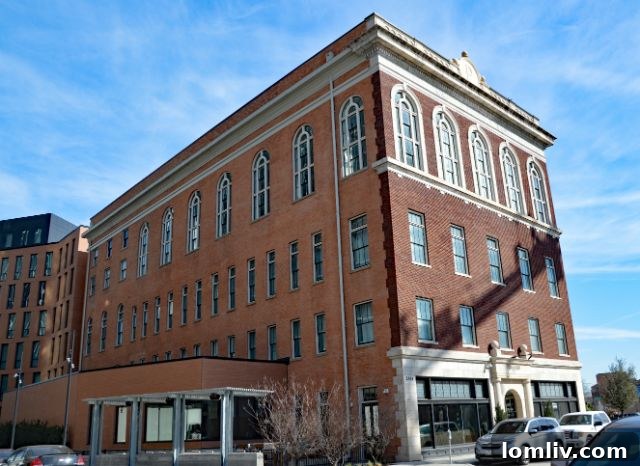
To combat the gloom of endangered lists, it’s essential to celebrate and learn from the significant preservation victories across Texas. These triumphs serve as powerful examples of what can be achieved with vision, collaboration, and strategic investment. A prime illustration is The Kimpton Pittman Hotel in Dallas, the meticulously restored Knights of Pythias Temple. Its transformation stands as a shining example of how a forgotten landmark can be reborn, retaining its historical integrity while embracing a new, vibrant purpose. This project, alongside numerous others championed by visionary developers like Todd Interests, consistently demonstrates the immense potential hidden within historic structures.
Consider The National at 1401 Elm Street in Dallas. Originally known as The First National Bank Tower and Elm Place, and constructed in 1965, its revitalization represented Texas’s most ambitious historic preservation project to date, with an astounding investment exceeding $450 million. This monumental undertaking resulted in a vibrant mixed-use development that has become a cornerstone of downtown Dallas’s revitalization. The National is not merely a building; it is a profound success story and the quintessential example of what astute investors and dedicated preservationists can accomplish with historic buildings. Such endeavors are not just about bricks and mortar; they require immense vision, creativity, and a deep understanding of both historical value and modern market demands.
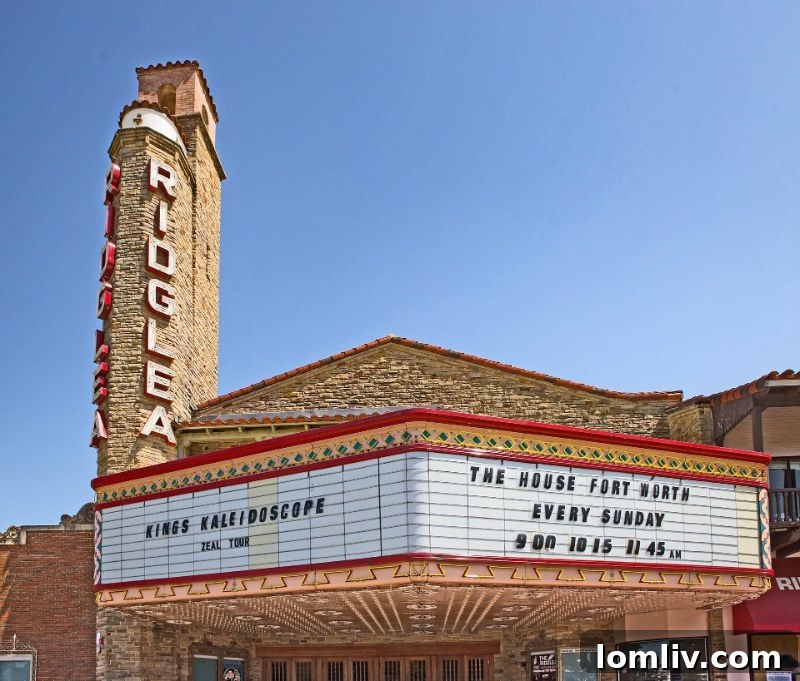
The “Fort Worth Most Endangered Places” list has a proven track record of catalyzing action. A notable success story involves the iconic 1950 Ridglea Theater. After being placed on a previous endangered list, community outcry and advocacy efforts successfully halted imminent demolition plans. A new owner, recognizing its invaluable cultural and architectural significance, stepped forward to undertake a comprehensive restoration, bringing this much-loved landmark back to its original splendor. Today, the Ridglea Theater once again thrives as a vibrant entertainment venue, testament to the power of public awareness and dedicated stewardship.
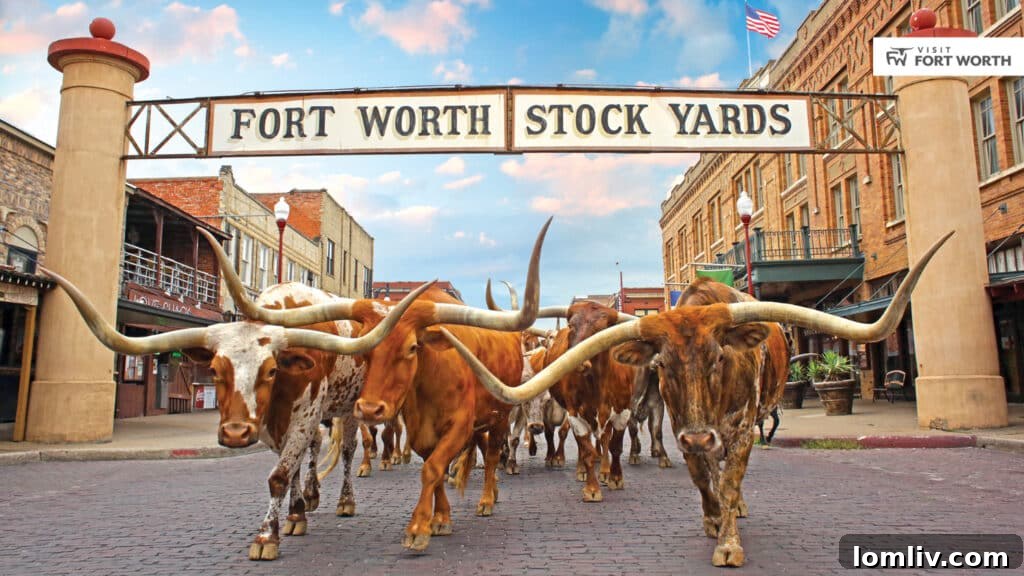
It’s almost unfathomable to imagine Fort Worth without its legendary stockyards, yet there was a time when this quintessential symbol of the city’s heritage faced an uncertain future. Historic Fort Worth played a pivotal role by funding a comprehensive historic resources survey, which ultimately led to the designation of the entire stockyards area as a historic district. Can you truly envision Fort Worth devoid of the vibrant, bustling atmosphere and rich history embodied by the historic stockyards? This foresight not only preserved a critical piece of the city’s past but also transformed it into a thriving economic engine and a globally recognized tourist destination, showcasing the profound economic and cultural benefits of proactive preservation.
The Fort Worth Most Endangered Places 2023 List: A Call to Action for Community and Heritage
The 2023 “Fort Worth Most Endangered Places” list serves as a vital inventory, drawing urgent attention to specific sites that require immediate focus and concerted efforts to ensure their survival. Each entry represents not just a building or a plot of land, but a piece of Fort Worth’s soul, history, and architectural legacy. Understanding the significance of each item on this list is the first step towards active engagement and effective preservation.
- Boulevard Heights Transition Center: This facility, integral to community support and often housing vital social services, typically carries significant architectural characteristics of its era. Its listing highlights the challenge of preserving structures that serve functional, rather than purely aesthetic, purposes, yet hold immense community value and potential for adaptive reuse.
- All historic buildings for sale by the Fort Worth ISD: This category represents a broad and concerning threat. Publicly owned historic properties, especially those within a school district’s portfolio, often face unique challenges. The sale of these buildings without adequate preservation clauses can lead to rapid demolition or unsympathetic alterations, erasing decades of educational and civic history. These structures often represent community hubs and architectural styles indicative of their construction periods.
- The Farrington Field and Jack A. Billingsley Field House – 1953: This duo represents a significant mid-century modern athletic complex. Farrington Field, known for its distinctive Art Deco elements, has hosted countless sporting events and community gatherings, embodying the spirit of local sports history. The potential loss or insensitive alteration of such complexes would erase a tangible link to Fort Worth’s recreational and educational past.
- The W. I Cook Memorial Hospital – 1929: This hospital building is likely a significant example of early 20th-century institutional architecture. Hospitals often hold a special place in community memory, witnessing countless personal stories of birth, healing, and loss. Preserving such a structure means honoring the history of healthcare in Fort Worth and retaining a building that could be repurposed for new community-serving functions.
- The Fort Worth Community Arts Center and Scott Theater – 1966: Representing a critical era of mid-century architecture and cultural development, this complex has been a cornerstone for Fort Worth’s artistic community for decades. Its listing underscores the importance of preserving not just residential or commercial structures, but also dedicated spaces for arts and culture, which are vital for a city’s vibrancy and identity.
- The 1 Holly Water Pump Station – 1892: This utilitarian but historically crucial structure dates back to the late 19th century, marking a pivotal moment in Fort Worth’s infrastructure development. Industrial and utility buildings are often overlooked in preservation efforts, yet they tell powerful stories about a city’s growth, technological advancements, and public health initiatives.
- The Peninsula Club Circle, a Lake Worth CCC Marker: This entry speaks to the importance of smaller, often overlooked markers of historical significance. Civilian Conservation Corps (CCC) markers and related sites are tangible reminders of New Deal-era public works, showcasing a period of national response to economic hardship and the development of public parks and infrastructure. Their preservation honors this significant chapter in American history.
- Pioneers Rest Cemetery 1850: Cemeteries are not merely burial grounds; they are open-air museums, genealogical records, and serene landscapes that tell the stories of a community’s earliest settlers. Pioneers Rest, dating back to 1850, is an invaluable repository of Fort Worth’s founding history. Its preservation is crucial for understanding the city’s origins and honoring those who laid its foundations.
- St Ignatius Academy, 1988-1989: While relatively newer than other entries, this listing emphasizes that “historic” does not always mean “ancient.” Structures from the late 20th century, particularly those with architectural merit or significant cultural narratives (like an academy), also warrant protection. This highlights the ongoing need to assess and value structures from more recent periods that might not yet be commonly perceived as “historic.”
- The Waddy Russell Ross home built in 1917: Historic homes like this often showcase specific architectural styles and provide insight into the lives of prominent citizens or typical family living during their era. The preservation of such residences helps maintain the architectural character of historic neighborhoods and offers opportunities for educational interpretation.
- The Women’s Club of Fort Worth 1903-1911: This entry is profoundly significant, representing a period of burgeoning women’s empowerment and civic engagement. Buildings associated with women’s clubs often boast unique architectural features and serve as monuments to the social and political progress made by women in the early 20th century. Its preservation celebrates this vital aspect of Fort Worth’s social history.
- Westcliff and other neighborhoods 50 years or older: This broad category addresses the pervasive threat to entire historic residential districts. As areas mature, they become attractive targets for redevelopment that often favors larger, newer constructions over the existing fabric. Preserving these neighborhoods means protecting their unique character, tree-lined streets, diverse housing stock, and the sense of community that has evolved over decades. It’s about maintaining the residential soul of Fort Worth against encroaching homogenization.
The “Fort Worth Most Endangered Places” list is a powerful annual appeal to protect the city’s irreplaceable heritage. It is a shared responsibility to ensure that these landmarks are not lost to neglect or indifference. By raising awareness, advocating for protective measures, and supporting organizations like Historic Fort Worth, we can all contribute to a future where Fort Worth’s rich past continues to inspire and inform its vibrant present and future. The choices we make today about these endangered places will define the legacy we leave for generations to come, shaping the very character of this remarkable Texas city.