Comprehensive Pest Management for Phoenix Rental Properties: A Landlord’s Essential Guide
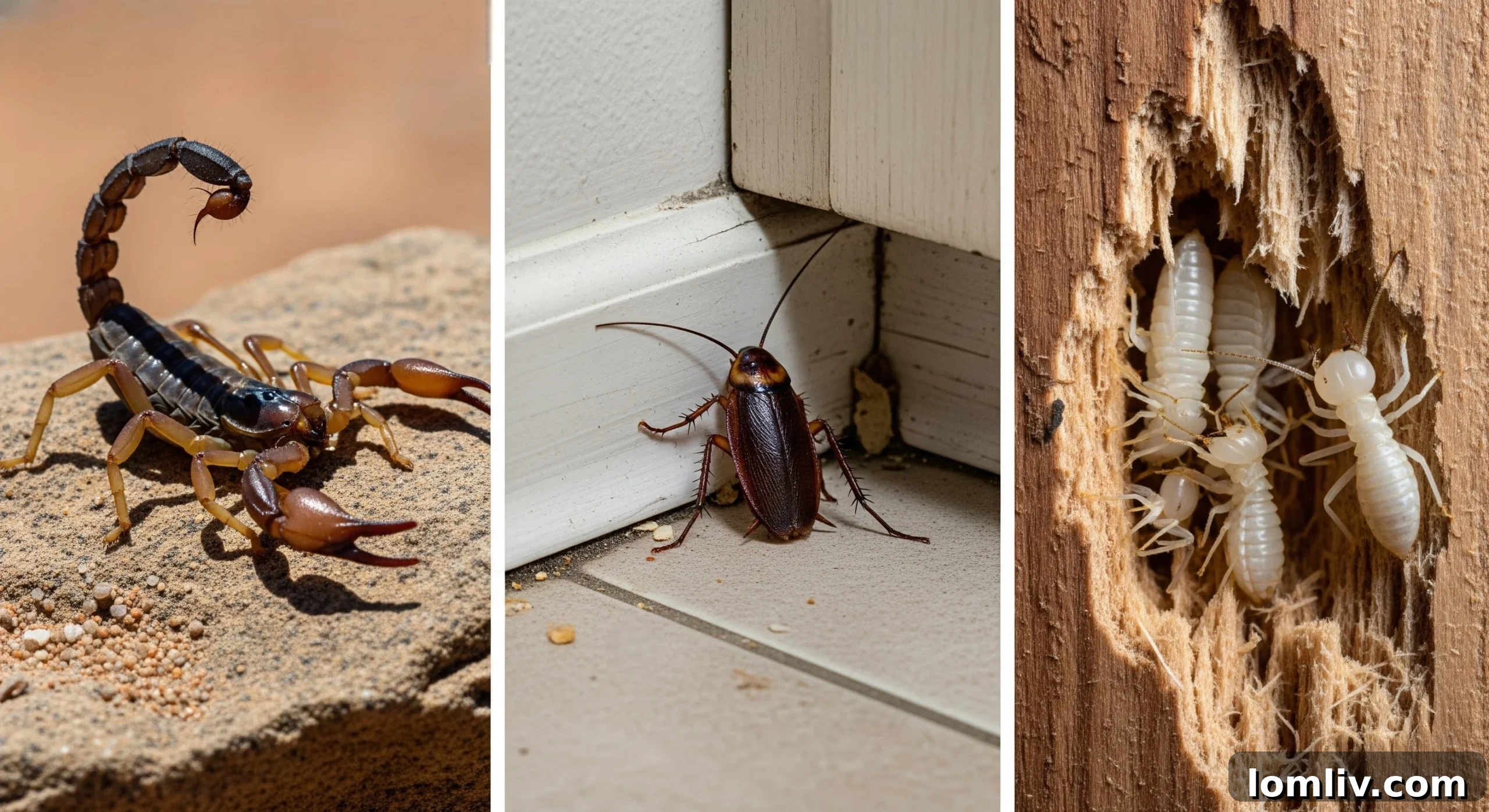
Managing rental properties in Phoenix presents a unique set of challenges, and pest control consistently ranks among the most critical. From scorpions and roaches to termites and roof rats, a pest infestation can quickly transform a routine week into a major headache, jeopardizing your investment and tenant satisfaction. Ignoring these unwelcome guests isn’t an option; they can cause significant damage to your units, deter desirable tenants, and severely tarnish your property’s reputation in the competitive Phoenix rental market.
For these reasons, effective pest control must be integrated as a fundamental component of your regular property maintenance plan, rather than being an afterthought or a reactive measure only considered when a tenant complains. Adopting a proactive and comprehensive strategy is key to protecting your assets and ensuring a healthy, comfortable living environment for your residents.
This guide outlines practical, actionable steps for landlords and property managers to mitigate pest issues in their Phoenix rental properties, emphasizing prevention and efficient response when infestations inevitably arise in the unique desert climate.
Establish Strong Partnerships with Professional Pest Control Experts
When a tenant reports a pest problem, time is of the essence. You need to be able to call upon a trusted Phoenix pest control company immediately, rather than scrambling to find one at the last minute. Attempting to manage serious infestations of scorpions, termites, or a widespread cockroach problem on your own can be risky for you, your tenants, and often proves ineffective, failing to fully resolve the issue.
Licensed pest control professionals possess the specialized knowledge and experience to tackle Phoenix’s unique pest challenges. They understand which products are most effective and safe in the desert climate, how to apply treatments in compliance with regulations, and how to protect vulnerable individuals, pets, and shared communal areas during their work. Building a long-term relationship with a reputable local company is paramount. Inquire about regular service plans tailored for multi-unit properties; these plans can offer routine preventative treatments, discounted emergency visits, and provide a clear, pre-negotiated cost structure, giving you peace of mind and better budget predictability.
A professional partnership ensures rapid deployment of expertise, reducing the duration of infestations and minimizing potential damage. They can also offer invaluable advice on prevention strategies specific to your property, making them an indispensable asset in your property management toolkit.
Understand and Identify Common Pests in the Phoenix Area
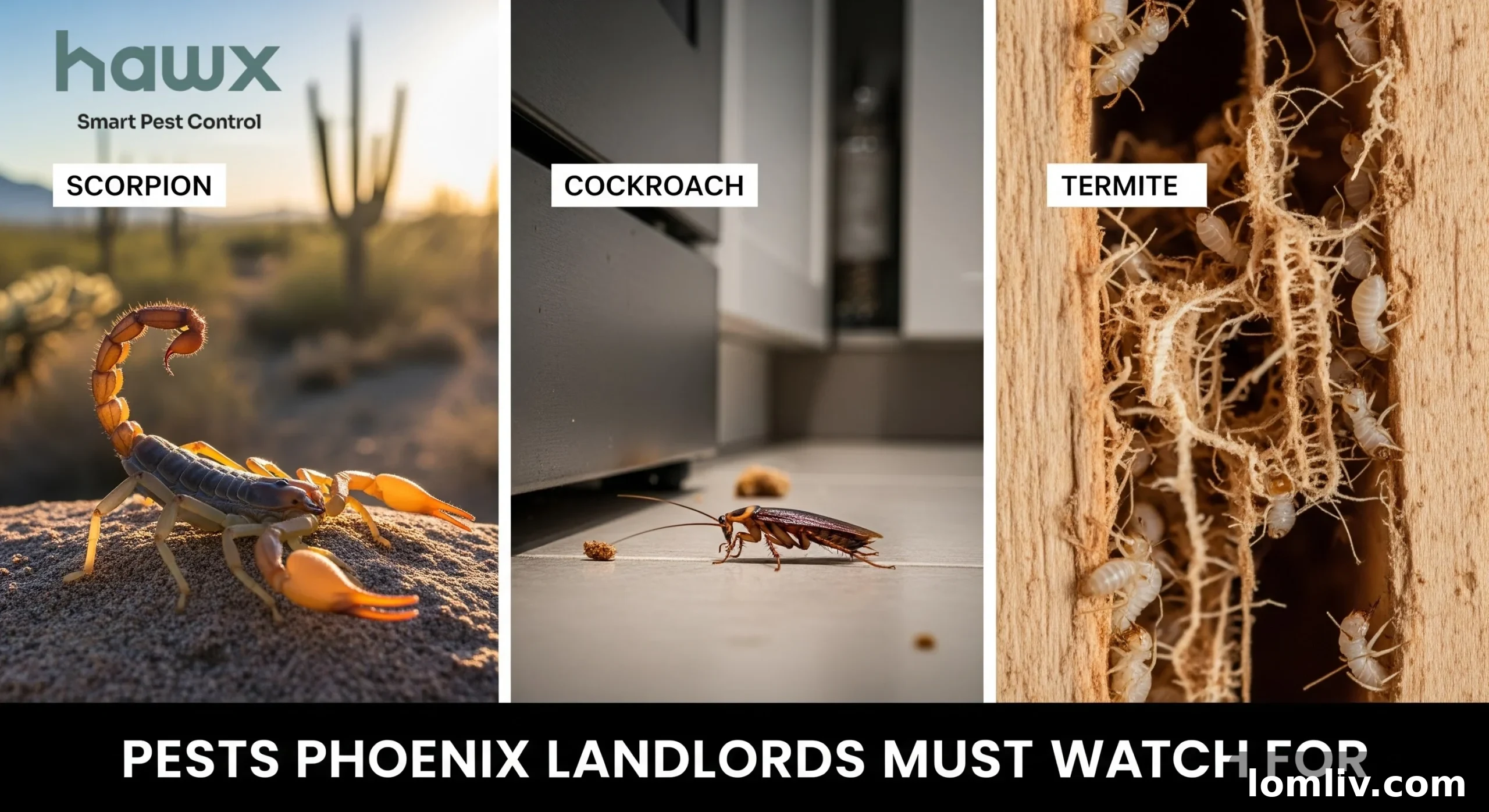
Phoenix rentals face a distinct array of pests compared to properties in cooler or wetter climates. To effectively manage and prevent infestations, it’s crucial for property owners and managers to be familiar with the pests most prevalent in the Valley. Common culprits often include:
- Scorpions: Particularly the highly venomous bark scorpion, which is adept at squeezing through tiny cracks and crevices.
- Ants: Various species like odorous house ants, pavement ants, and even fire ants, often seeking food and water.
- Cockroaches: American and German cockroaches are common, thriving in warm, humid conditions often found near leaks or food sources.
- Termites: Subterranean termites are a significant threat, causing extensive damage to wood structures.
- Roof Rats and Rodents: These intelligent pests seek shelter, food, and water, often entering through roofs, attics, or small openings.
- Spiders: While many are harmless, black widows are indigenous and can pose a risk.
- Mosquitoes: Especially prevalent during the monsoon season when standing water becomes abundant, carrying potential health risks.
- Bed Bugs: A persistent challenge in multi-unit buildings, known for their rapid spread and difficulty to eradicate.
Each of these pests leaves distinct signs that can help in early detection. For instance, termites are often indicated by mud tubes on foundations or soft, hollow-sounding wood. Rodents leave behind droppings, gnaw marks, and sometimes greasy rub marks along walls. Cockroaches may leave shed skins, smear marks, or a distinct musty odor. Bed bugs, notoriously difficult to spot, often manifest as itchy bites in lines or clusters on skin, tiny dark spots (fecal matter) on bedding, or small bloodstains. Provide your tenants with simple visual aids or checklists so they can identify these signs and understand the importance of reporting issues early, before they escalate into full-blown infestations that are far more challenging and costly to resolve.
Implement Robust Preventive Measures for Long-Term Pest Control

The most cost-effective and least disruptive way to manage pests is through proactive prevention, making your properties less inviting and accessible to them. Start with essential maintenance practices that are particularly effective in the arid Phoenix environment:
- Seal Entry Points: Regularly inspect and seal any gaps or cracks around doors, windows, utility lines, and pipes using appropriate caulk or expanding foam. Ensure all window and door screens are intact and properly fitted. Install door sweeps and weatherstripping to close gaps under exterior doors. Pests like scorpions, cockroaches, and ants can exploit even the smallest openings.
- Manage Moisture: Repair leaky faucets, hoses, and irrigation systems promptly. Ensure air conditioning drains are free-flowing and that water does not pool around foundations. Address any standing water in yards or common areas, as moisture attracts many pests, especially mosquitoes and cockroaches.
- Secure Waste Management: Provide solid trash bins with tight-fitting lids for all units and common areas. Emphasize timely trash disposal, especially for food waste. Properly manage dumpsters, ensuring they are regularly emptied and kept clean.
- Maintain Landscaping: Trim trees, shrubs, and palm fronds away from roofs and walls. Overhanging vegetation can serve as bridges for roof rats, scorpions, and other pests to access your buildings. Keep exterior areas free of debris, leaf litter, and woodpiles, which provide harborage for pests. Consider gravel barriers around foundations to deter crawling insects.
- Regular Inspections: Conduct thorough and routine inspections of both the interior and exterior of your properties. Pay close attention to walls, door frames, windows, and foundations for any signs of cracks, holes, or potential entry points. Check for signs of wood-destroying insects, such as mud tubes for subterranean termites or wood damage. Inspections should extend to attics, crawl spaces, and common areas in multi-unit buildings.
When planning any pest-related inspections or treatments that require entering a tenant’s unit, always provide clear advance notice. Adhere strictly to Arizona entry laws, which generally require at least two days’ notice for non-emergency reasons, and any specific notice rules outlined in your lease agreement. Tenants retain their right to privacy and quiet enjoyment, even when you are taking steps to prevent pests.
Educate and Empower Tenants in Pest Control Efforts

Your tenants are your first line of defense against pests, as they are in the home every day and will likely notice most pest problems long before you or your property manager do. Some pests, if left unchecked, can even pose serious human health risks. Therefore, educating them on their role in prevention is crucial.
Utilize your move-in packet, welcome email, or online tenant portal to provide clear and simple guidelines on how they can contribute to a pest-free environment. Explain that practices such as keeping trash sealed, promptly cleaning up food spills, washing dishes regularly, and reducing clutter significantly help deter common pests like cockroaches, ants, and rodents. Emphasize proper food storage, using airtight containers for pantry items, and regularly cleaning kitchen and bathroom areas.
It’s vital to clearly spell out tenant responsibilities in your lease agreement. Specify that tenants must report any pest issues quickly and maintain the home in a reasonably clean condition, which aligns with basic tenant responsibilities under Arizona law. For apartments and other multi-unit buildings, share concise guides or links about bed bugs and other common pests. Arizona law already mandates bed bug education in most rental properties that are not single-family homes, so ensuring compliance and going beyond the minimum requirements is a best practice.
Continually remind tenants that pest control is a shared responsibility directly impacting their health and safety. Pests can spread diseases, trigger allergies and asthma attacks, and cause costly damage to their personal belongings—furniture, clothing, and other possessions—in addition to the physical structure of the building. Fostering a collaborative approach will lead to better outcomes for everyone.
Respond Promptly and Effectively to Pest Problems

When a tenant reports a pest infestation, treat it with the same urgency as any critical repair request, particularly when it involves potentially dangerous pests like scorpions, rapidly spreading ones like bed bugs, or destructive ones like rodents and termites. A prompt response is not only a sign of good property management but also a legal obligation in many cases.
Reply to the tenant’s report quickly to confirm you’ve received their communication and are taking action. Contact your pre-vetted pest control company the same day if possible, to schedule an inspection and treatment. Maintain meticulous records of every pest report, including the date, the nature of the complaint, what was found during inspection, the treatment applied, and any follow-up actions. This documentation is crucial for tracking recurring issues, evaluating the effectiveness of treatments, and for legal defensibility should any disputes arise.
Under Arizona law, landlords are generally expected to maintain rental properties in a fit and habitable condition. Local legal interpretations often include a pest-free living environment as part of this standard, especially when infestations pose health risks or threaten the structural integrity of the home. Allowing pest problems to drag on can result in significantly larger repair bills, dissatisfied tenants, negative online reviews, and in severe cases, code enforcement complaints or even legal claims from tenants. Swift and professional action mitigates these risks, protects your investment, and ensures tenant well-being.
Effective pest management in Phoenix rental properties may seem like a daunting task, but by focusing on a strategic combination of prevention, forming strong partnerships with qualified professionals, actively educating your tenants, and responding swiftly to any issues that arise, it can become a streamlined and manageable part of your routine maintenance. A pest-free property is inherently safer and more comfortable for its residents, makes your vacancies far more attractive when marketing, and significantly helps protect the long-term value and integrity of your real estate investment.
Don’t wait for a crisis to strike. Proactively develop and document a simple, yet robust, pest management plan now. This preparedness will ensure that the next stretch of triple-digit heat or unexpected monsoon storms won’t catch you off guard, safeguarding your properties and your peace of mind.