Demolished by Mistake: The Outrageous Story of a Rowlett Homeowner’s Double Tragedy
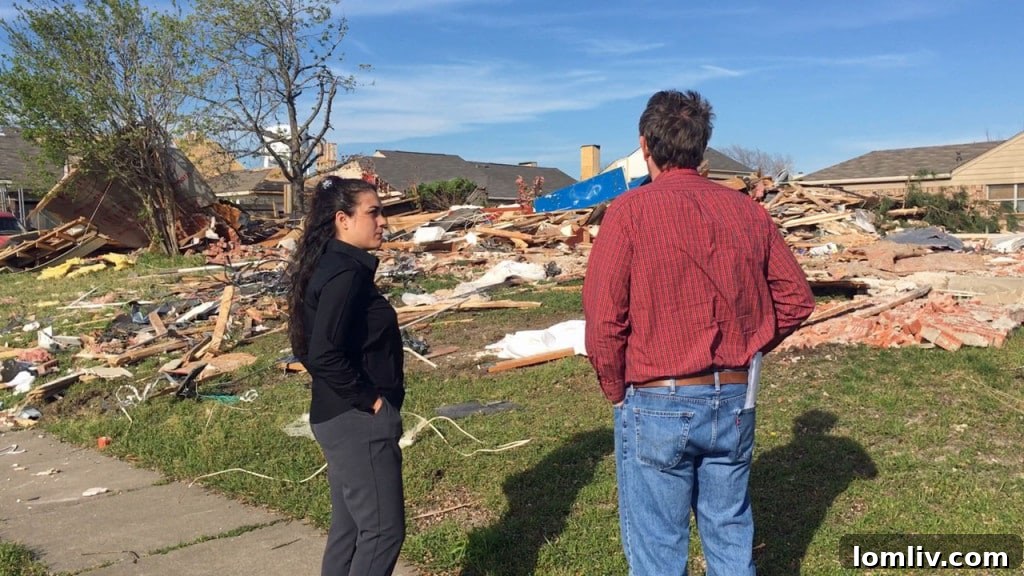
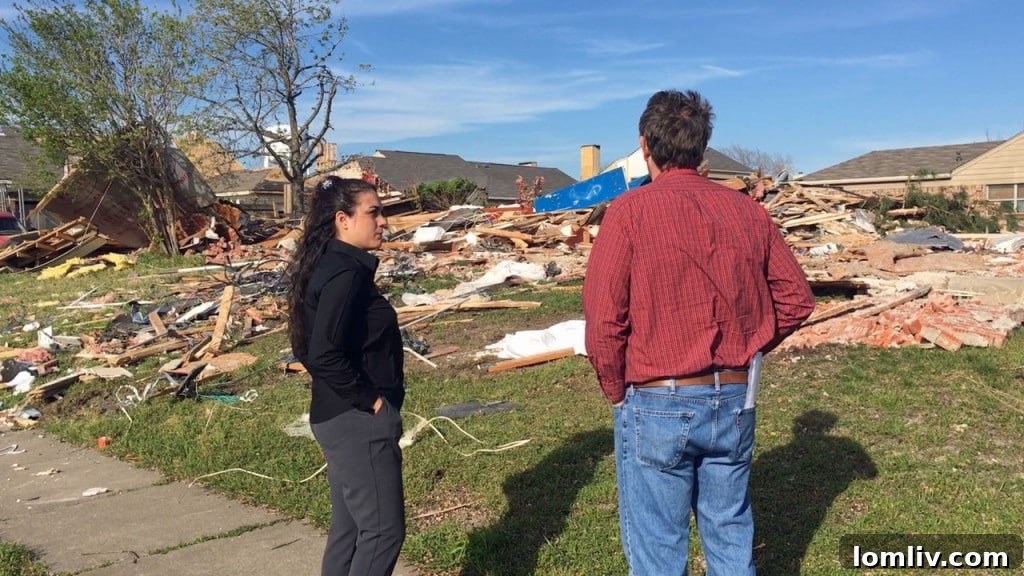
The plight of Lindsey Diaz, a homeowner in Rowlett, Texas, highlights a shocking incident that underscores the fragility of trust in the aftermath of disaster. Her story is not just about a home lost to a natural calamity, but about the profound injustice of having her property — her future — mistakenly destroyed by human error. It’s one thing to endure the devastation of a tornado; it’s an entirely different and far more galling experience to have your remaining hope and property wiped out by the very people entrusted to help rebuild. Diaz’s duplex, damaged by a recent tornado, was earmarked for repair, not demolition. Yet, in a bewildering turn of events, a demolition company irrevocably altered her life’s trajectory, leaving her with an empty lot where her home once stood.
An Unfathomable Error: The Wrongful Demolition
According to a detailed report from WFAA Channel 8’s David Goins, the demolition company responsible for this egregious mistake was Billy L. Nabors Demolition, based in Seagoville. Their intended target was a property located a block away at 7601 Cousteau Drive. The sheer magnitude of this error begs the question: how could such a fundamental and critical mistake occur? Demolishing the wrong property isn’t merely a minor oversight; it represents a catastrophic failure of due diligence, property identification, and basic operational protocols within the company.
When confronted about the incident, a representative from Nabors Demolition offered a terse “no comment,” stating only that “the situation was under investigation.” This response, while perhaps legally prudent for the company, offered little solace or clarity to Lindsey Diaz, who was left grappling with the immediate and long-term consequences of their error. Her heartfelt question resonated with many: “How do you make a mistake like this? I mean, this is just the worst.” Indeed, for a homeowner already reeling from the trauma of a natural disaster, this second, entirely preventable loss is an unimaginable blow.
Lindsey Diaz’s Double Tragedy: From Tornado Survivor to Home Loss Victim
Lindsey Diaz’s ordeal began long before the mistaken demolition. On December 26, her life, along with that of her young son, was irrevocably altered by a powerful tornado. They survived the terrifying event by seeking refuge in their bathtub, a testament to the sheer destructive force they faced. In the immediate aftermath, like many tornado victims, they found temporary shelter in a hotel before moving into a rented home. Their focus, however, remained firmly on rebuilding their lives and their home.
Diaz recalled, “We were geared towards getting the house ready; we were ready.” This statement powerfully conveys their determination and hope. They had navigated the initial shock, secured temporary housing, and were actively engaged in the arduous process of planning their return. They were on the path to recovery, working tirelessly to restore a sense of normalcy. The mistaken demolition didn’t just destroy a building; it obliterated their tangible progress, their plans, and their emotional stability. It robbed them of the chance to return to what remained of their home and embark on the healing process.
The Unacceptable Silence: Demolition Company Accountability
The “no comment” from Billy L. Nabors Demolition, while understandable from a legal defense perspective, does little to address the moral and ethical responsibilities inherent in such a profound mistake. In instances of egregious error that directly impact the lives and property of individuals, transparency and a clear commitment to rectification are paramount. The company’s silence only amplifies the distress for victims like Lindsey Diaz, leaving them in a state of uncertainty and fear regarding their future.
A responsible business, particularly one operating in sensitive areas like demolition and construction, is expected to uphold the highest standards of accuracy and accountability. The failure to correctly identify the target property points to potential systemic issues in their verification processes, site management, or communication. This incident serves as a stark reminder of the critical importance of due diligence in all stages of a project, especially when dealing with the significant impact of property destruction.
Navigating the Aftermath: Homeowner Rights and Legal Recourse
For Lindsey Diaz, the path forward will undoubtedly involve complex legal and insurance battles. When a property is mistakenly demolished, several legal avenues typically become available to the homeowner:
- Negligence: The primary legal claim will likely center on negligence. Demolition companies have a duty of care to ensure they are demolishing the correct property. A failure to exercise reasonable care in identifying the property constitutes negligence, making them liable for damages.
- Trespass to Land: Even if the structure was damaged, the land itself was not slated for demolition. The unauthorized entry and destruction of property would constitute trespass.
- Conversion: In some jurisdictions, the unauthorized destruction of property could be viewed as conversion, treating the property as if it were the demolition company’s own.
- Property Damage Compensation: Diaz would be entitled to compensation for the full market value of her home prior to the demolition (and potentially factoring in the tornado damage, though the company would be liable for the complete destruction). This includes the cost of rebuilding, temporary housing, and other related expenses.
- Emotional Distress: Given the severe emotional toll of enduring a tornado, planning to rebuild, and then having her home mistakenly destroyed, claims for emotional distress and mental anguish are highly probable.
It is crucial for homeowners in similar situations to immediately consult with an attorney specializing in property law and personal injury. Documenting everything – from communications with the demolition company and insurance providers to photographs of the property before and after – will be vital evidence in securing a fair resolution. This legal battle is not merely about financial compensation; it’s about holding irresponsible parties accountable and preventing such egregious errors from recurring.
Preventing Future Demolition Disasters: Lessons Learned
The Rowlett incident serves as a critical case study for both demolition companies and municipalities on how to prevent such devastating errors. Implementing stringent protocols is not just good practice; it’s essential for public trust and safety. Key preventative measures include:
- Multi-layered Verification: Demolition crews must conduct multiple checks against official permits, property records, and site plans. GPS coordinates, physical street addresses, and on-site markers should all be cross-referenced.
- Clear Site Identification: Properties slated for demolition should be clearly marked with highly visible signage, unique identifiers, and physical barriers where appropriate.
- Pre-Demolition Site Visits and Surveys: Thorough site visits by supervisors, independent surveyors, and potentially even city officials should be mandatory before any demolition work begins, especially in disaster-affected areas where surrounding properties may also be damaged or structurally compromised.
- Communication Protocols: Establishing clear lines of communication between the demolition company, property owners, city planning departments, and any involved insurance companies is vital.
- Training and Supervision: Ensuring all demolition personnel are adequately trained in site identification and safety protocols, with experienced supervisors overseeing operations, can mitigate risks significantly.
- Homeowner Engagement: In disaster zones, homeowners should be advised to clearly mark their properties, maintain communication with authorities, and even consider putting up personal “DO NOT DEMOLISH” signs if they are rebuilding.
These measures, while seemingly basic, are often overlooked or shortcuts are taken, leading to irreversible consequences. The cost of prevention is always far less than the cost of rectifying a catastrophic mistake.
A Call for Accountability and Justice
Lindsey Diaz’s story is a poignant reminder of the human cost of corporate negligence. Her situation transcends mere property damage; it speaks to the violation of peace of mind, the destruction of hope, and the profound emotional toll endured by an innocent victim. For a community striving to recover from the ravages of a natural disaster, such an incident further erodes trust and complicates the already arduous journey back to normalcy.
It is imperative that Billy L. Nabors Demolition takes full responsibility for its actions and provides comprehensive restitution to Lindsey Diaz. Justice in this case must not only cover the financial losses but also acknowledge the immense personal hardship she and her son have faced. This incident should serve as a powerful cautionary tale, urging all contractors and entities involved in property work to exercise the utmost care and precision, remembering that behind every address is a home, and behind every home, a life.
The eyes of the community, and indeed beyond, are on how this situation will be resolved. A just outcome for Lindsey Diaz is not just about her individual recovery, but about setting a precedent for accountability and reinforcing the fundamental right of homeowners to expect competence and care from those operating within their communities.