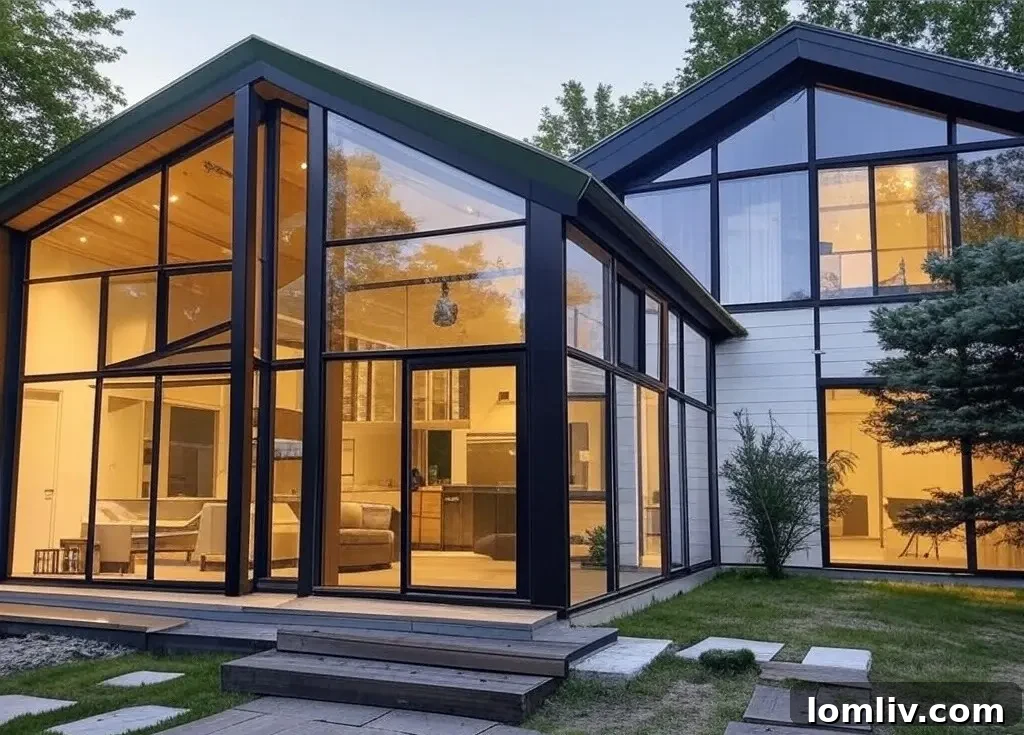
Navigating Alaska’s Evolving Home Landscape: Trends Shaping Future Living
Alaska, with its majestic wilderness, unique environmental challenges, and growing focus on sustainable living, is experiencing a remarkable transformation in residential design and construction. The state’s dynamic real estate market is increasingly influenced by innovative technologies, a strong emphasis on eco-friendly practices, and a deep understanding of its distinctive climate. For homeowners, prospective buyers, and real estate professionals alike, understanding these evolving trends is crucial. Staying abreast of these developments not only enables informed decision-making but also highlights properties that truly embody the future of Alaskan living – homes that are not just structures, but resilient, efficient, and harmonious extensions of their environment. Let’s delve into some of the most impactful changes defining Alaska’s modern home-building landscape.
Embracing Eco-Friendly and Energy-Saving Designs for Alaskan Winters
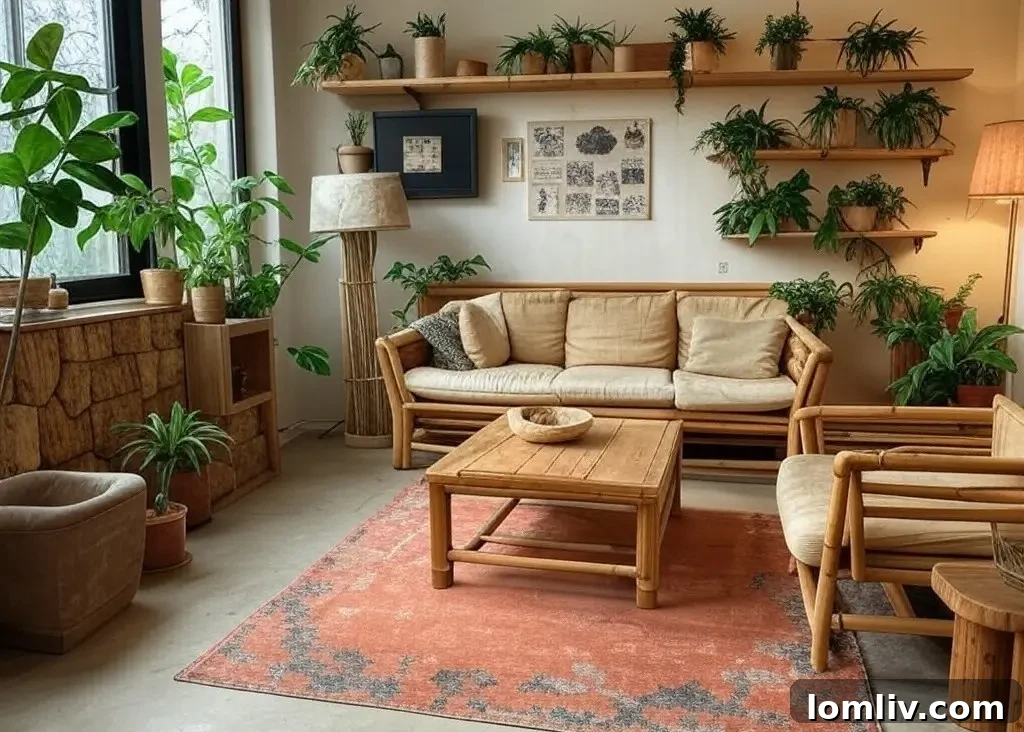
The pursuit of sustainability and energy efficiency has moved from a niche interest to a central pillar in Alaskan home design. Given the state’s extreme temperatures and often remote locations, minimizing energy consumption is not just an environmental imperative but a financial necessity. Alaskan homeowners are increasingly seeking residences that incorporate advanced sustainable technologies and materials, dramatically reducing their carbon footprint and utility bills.
Renewable energy sources are gaining significant traction across the Last Frontier. Solar panels, for instance, are becoming more prevalent, even with Alaska’s unique light cycles. Advances in battery storage and panel efficiency make solar a viable option for many, especially when combined with grid-tie systems. Geothermal heating and cooling systems, which leverage the earth’s stable underground temperatures, offer a highly efficient way to maintain indoor comfort year-round, regardless of the brutal Alaskan cold. In certain windy regions, small-scale wind power installations are also contributing to a diversified energy portfolio for residential properties.
Beyond energy generation, the focus on insulation and building envelopes has intensified. New insulation techniques, such as structurally insulated panels (SIPs), spray foam insulation, and advanced cellulose, provide superior thermal resistance, drastically minimizing heat loss during winter and preventing overheating during summer. Energy-efficient windows, often featuring triple-pane glass and low-emissivity (Low-E) coatings, further seal the home against the elements. These innovations not only ensure optimal thermal comfort but also contribute to significant long-term savings on heating costs, making eco-friendly homes a wise investment for the future-conscious Alaskan homeowner.
The Rise of Modular and Prefabricated Homes in Alaska’s Diverse Terrain
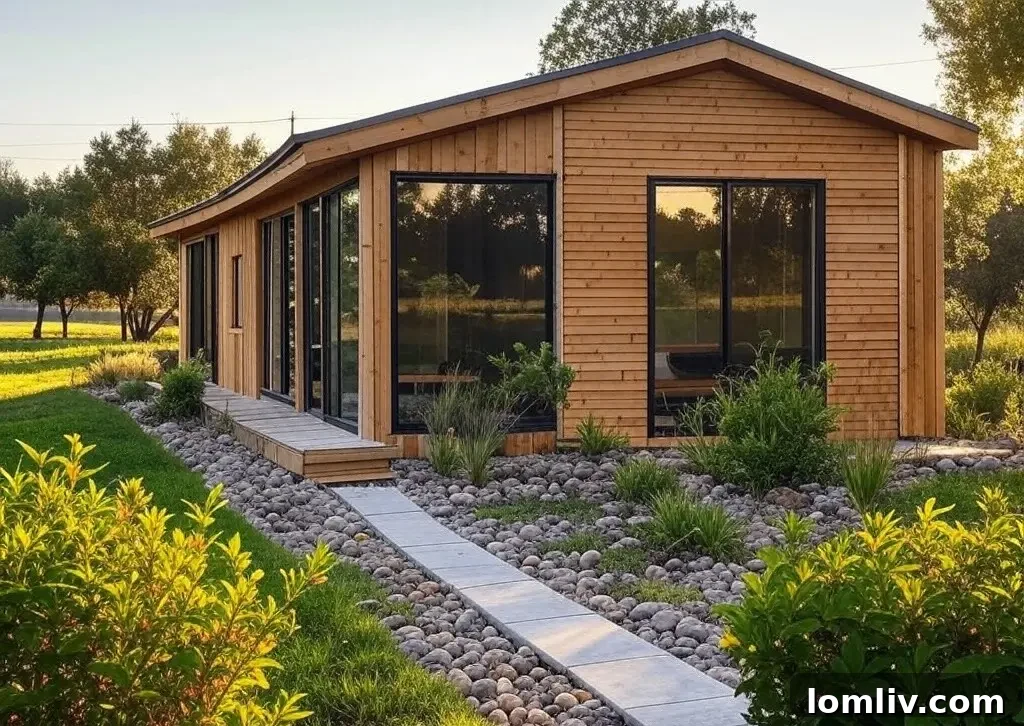
For a state characterized by vast distances and challenging terrain, modular and prefabricated homes offer an increasingly attractive solution. These innovative construction methods involve building sections of a home in a controlled factory environment before transporting them to the desired site for assembly. This approach provides a multitude of benefits, particularly suited to Alaska’s unique logistical and environmental considerations.
One of the primary advantages is accelerated construction time. With components built simultaneously off-site, weather delays are significantly reduced, and the overall construction timeline can be dramatically shortened. This is especially valuable in Alaska, where the building season can be limited. Factory production also allows for superior quality control; each module is built under strict conditions, ensuring precision, consistency, and adherence to high-quality standards. This controlled environment also leads to less material waste, contributing to a more sustainable building process.
Furthermore, modular and prefabricated homes are often more cost-effective due to streamlined production and reduced on-site labor. Despite the perception that such homes might be generic, modern modular construction offers extensive customization options. Buyers can choose from a wide range of floor plans, finishes, and architectural styles, tailoring their homes to personal tastes and specific needs. From cozy cabins in the wilderness to contemporary family residences in suburban areas, these homes provide an affordable, efficient, and environmentally conscious alternative for Alaskans looking for reliability and convenience in their housing solutions.
Harmonizing Modern Aesthetics with Traditional Alaskan Design Elements
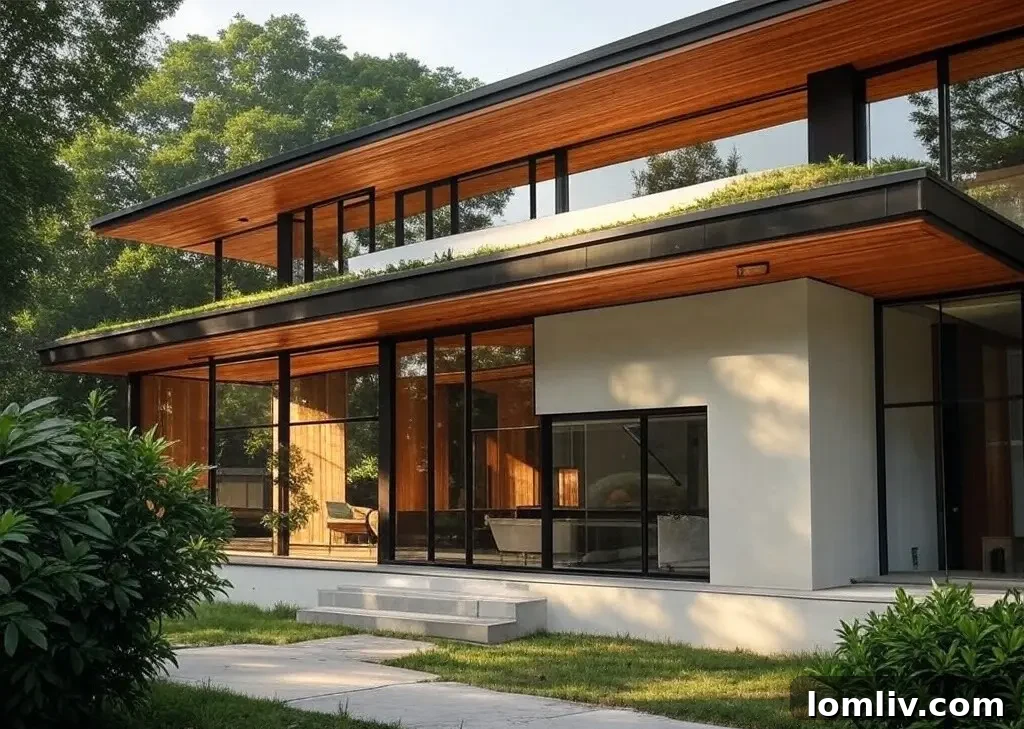
Alaskan home design is evolving to beautifully integrate contemporary architectural trends with the timeless appeal of traditional materials and an innate respect for the natural environment. Today’s Alaskan home designs often strike a sophisticated balance between sleek, modern lines and the rustic charm of local resources like wood and stone. This fusion creates homes that feel both current and deeply rooted in the Alaskan landscape.
The essence of modern design – characterized by open-concept floor plans, minimalist aesthetics, and an emphasis on functionality – is increasingly popular. These layouts create spacious, airy interiors that promote a sense of flow and connectivity. Complementing these modern forms are traditional materials that evoke Alaska’s rich heritage and natural beauty. Exposed timber beams, locally sourced stone accents, and natural wood siding are frequently incorporated, providing warmth, texture, and durability against the harsh climate. This thoughtful combination pays homage to Alaskan building traditions while embracing the conveniences and styles of contemporary living.
A hallmark of this blended design philosophy is the strategic use of expansive windows. In a region known for its breathtaking vistas and unique light cycles, maximizing natural light is paramount. Large, strategically placed windows not only flood interiors with daylight, reducing the need for artificial lighting, but also frame the stunning Alaskan scenery, bringing the outdoors in. Whether it’s the northern lights dancing across the winter sky or the vibrant colors of a summer sunset, these architectural choices allow homeowners to continually immerse themselves in their spectacular surroundings, enhancing well-being and creating truly inspiring living spaces.
Integrating Smart Home Technology for Enhanced Alaskan Living
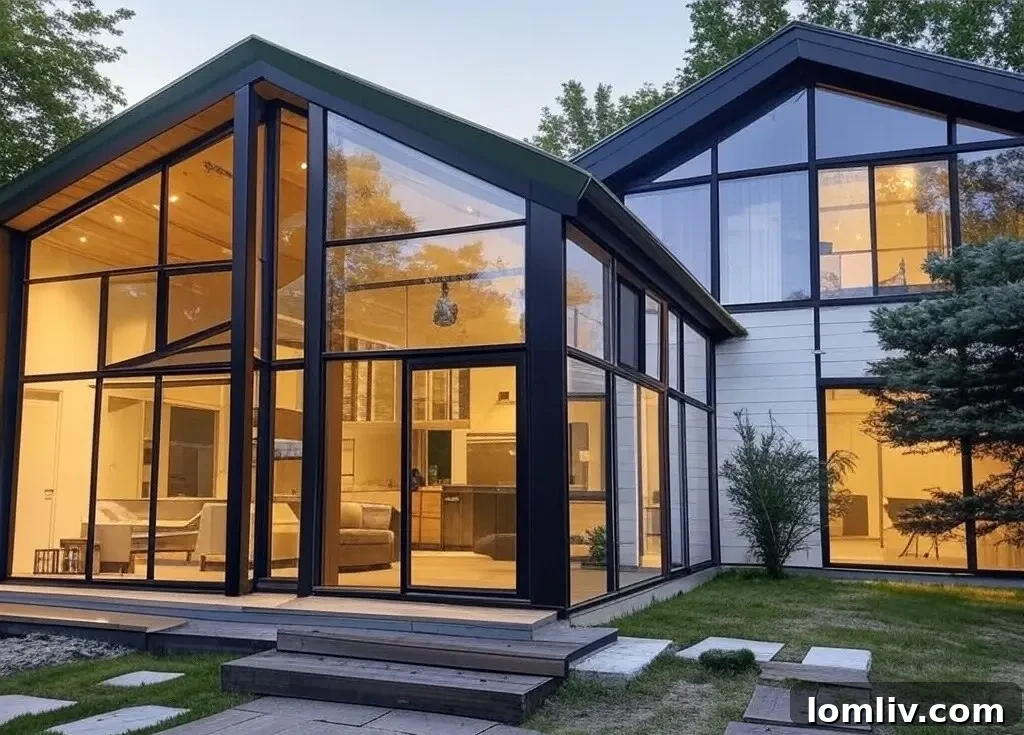
The integration of smart home technology is rapidly transforming residential living in Alaska, offering unparalleled levels of convenience, efficiency, and security. Modern Alaskan homes are now equipped with sophisticated systems that allow homeowners to manage various aspects of their property with unprecedented ease, often from anywhere in the world. These intelligent features are particularly valuable in a state where extreme weather conditions and remote living are common.
Energy management systems are at the forefront of this technological revolution. Smart thermostats learn household routines and adjust temperatures automatically, optimizing heating during freezing winters and cooling during warmer months. This not only ensures consistent comfort but also significantly reduces energy waste. Integrated lighting systems can be programmed to respond to natural light levels or motion, creating ideal ambiance and enhancing security. Beyond basic controls, advanced systems monitor overall energy consumption, providing homeowners with real-time data to make informed decisions about their usage.
Beyond energy efficiency, smart home technology enhances daily living through automated controls for various appliances and systems. Remote-controlled heating allows residents to warm their homes before arriving, a welcome feature after a long day in the cold. Smart security systems, including cameras, smart locks, and sensors, provide peace of mind, especially for properties that may be left unattended for extended periods. Even smart appliances, such as refrigerators that monitor inventory or ovens that can be preheated remotely, are becoming standard features in high-end Alaskan homes. For today’s tech-savvy buyers, these smart capabilities are more than just gadgets; they are essential tools that offer ultimate convenience, control, and a heightened sense of comfort and safety, making homes truly adapted to the unique Alaskan lifestyle.
Designing for Resilience and Adaptability: Homes Built to Withstand Alaska
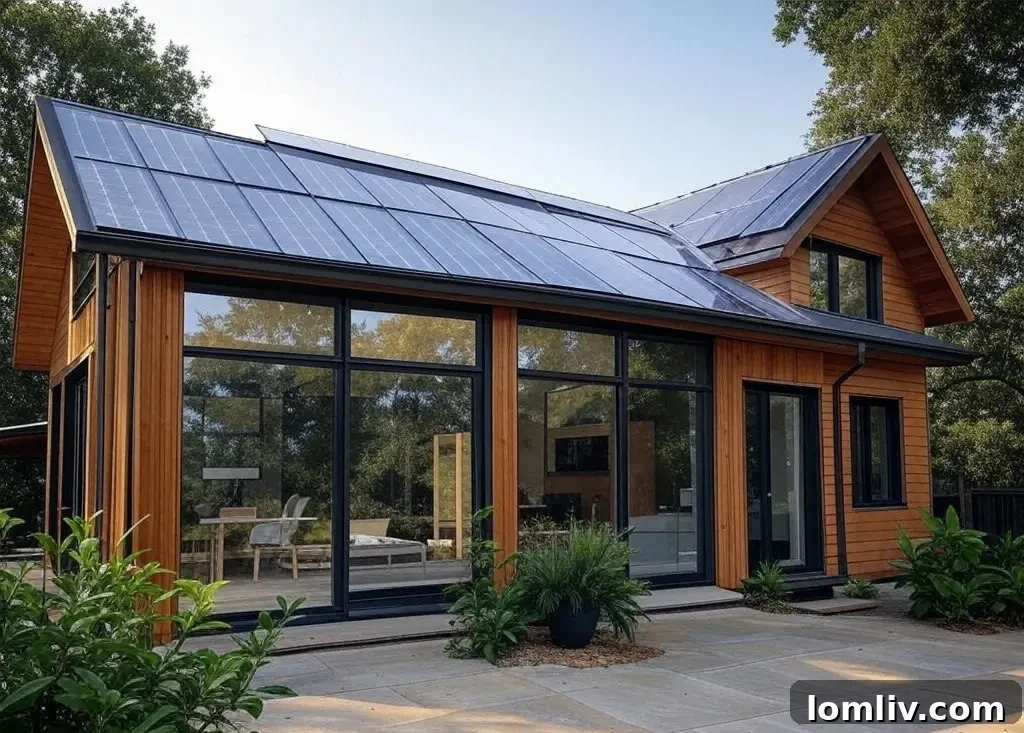
Building a home in Alaska demands more than just aesthetic appeal; it requires an unwavering commitment to resilience and adaptability. The state’s formidable weather conditions, unique geological characteristics, and potential for seismic activity necessitate construction practices that prioritize durability, safety, and longevity. Modern Alaskan builders are innovating to create homes that can truly stand the test of time and the elements.
Structural integrity is paramount. Reinforced roofs are designed to withstand heavy snow loads that accumulate over long winters, preventing structural damage and ensuring safety. Foundations are meticulously engineered to contend with unique Alaskan challenges, most notably permafrost. In areas with permafrost, elevated foundations, such as pilings or crawl spaces, are often employed to prevent thawing and subsequent ground instability. These methods ensure that homes remain stable and level, regardless of the seasonal freeze-thaw cycles.
Material selection is also critical. Builders are increasingly opting for materials that are specifically engineered to endure freezing temperatures, high winds, and moisture. This includes robust siding materials, high-performance windows and doors, and specialized sealants. The emphasis is on creating a tight, durable building envelope that minimizes energy loss and protects the interior from the harsh exterior environment. Furthermore, consideration for seismic activity in certain regions leads to the incorporation of earthquake-resistant design principles. The goal is to deliver homes that provide homeowners with ultimate peace of mind, knowing their dwelling is not only comfortable and efficient but also inherently tough, reliable, and meticulously constructed to thrive in Alaska’s challenging yet beautiful environment.
Fostering Community-Focused Neighborhoods in Alaska
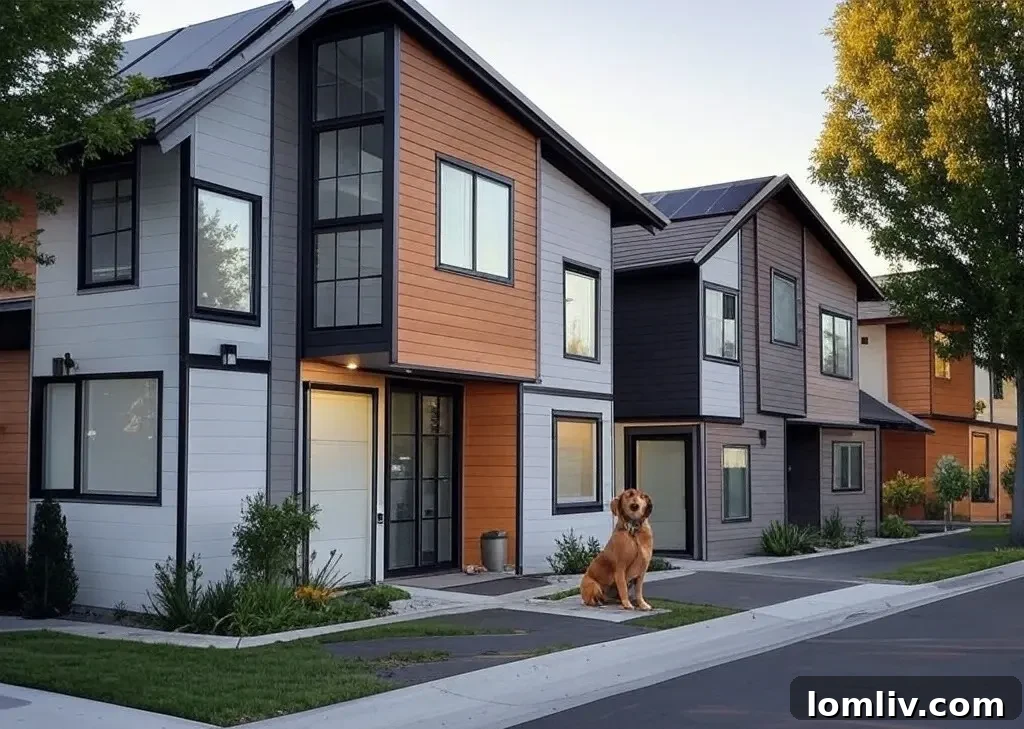
Beyond individual home designs, a significant trend emerging in Alaskan residential development is the creation of community-focused neighborhoods. These planned communities are designed to foster social interaction, encourage outdoor activity, and support a more integrated, sustainable lifestyle. This shift reflects a growing desire among Alaskans for environments that offer more than just a place to live, but a vibrant place to connect and thrive.
Central to these developments are shared green spaces. These can range from beautifully landscaped parks and recreational areas for children to more passive open spaces that preserve natural ecosystems. Such areas serve as gathering points for residents, encouraging impromptu meetings, outdoor play, and community events. Walking and biking trails are often interwoven throughout these neighborhoods, promoting active transportation and providing safe, accessible routes for exercise and enjoying the local scenery. These trails connect homes to common amenities, local businesses, and often to broader regional trail networks.
Many community-focused neighborhoods also incorporate communal gardens. These spaces offer residents the opportunity to grow their own produce, fostering a sense of shared responsibility, promoting food security, and providing a venue for social interaction and knowledge exchange. The emphasis is on creating pedestrian-friendly environments, reducing reliance on personal vehicles, and encouraging a healthier, more active lifestyle. This holistic approach to community planning builds stronger bonds among neighbors, enhances overall quality of life, and aligns perfectly with the values of sustainability and connection that many Alaskans cherish, creating truly integrated and enriching living experiences.
The Future of Home Building in Alaska: A Vision of Innovation and Harmony
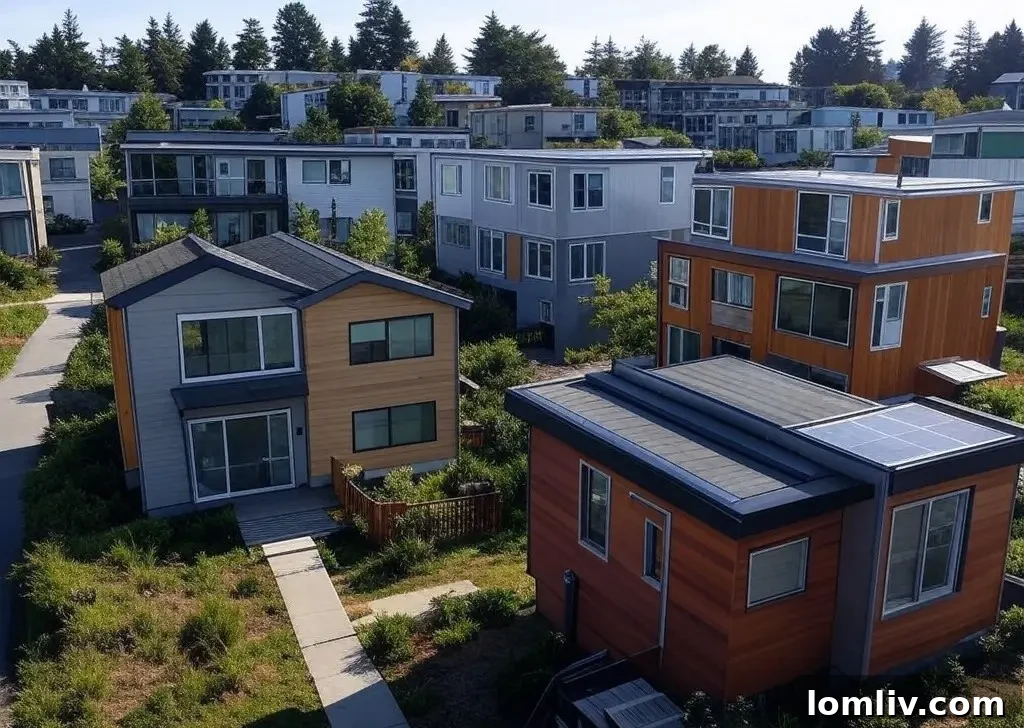
The trajectory of home building in Alaska is clear: it’s a future defined by innovation, sustainability, resilience, and a profound respect for the state’s natural grandeur. Builders, architects, and developers are increasingly focused on creating dwellings that are not only aesthetically pleasing and comfortable but also highly functional, environmentally responsible, and capable of withstanding Alaska’s unique challenges. The emphasis on cutting-edge technology, eco-conscious materials, and thoughtful design ensures that new homes are well-equipped for the demands of tomorrow.
This evolving landscape presents immense opportunities for both homeowners and real estate professionals. For those looking to invest in property, understanding these trends means identifying homes that offer long-term value, reduced operating costs, and an enhanced quality of life. Homes built with sustainability in mind, featuring advanced energy systems and durable construction, are not just good for the planet but also represent a sound financial investment, often commanding higher resale values. Similarly, properties integrated with smart home technology provide modern conveniences that are increasingly sought after by today’s discerning buyers.
For real estate professionals, staying informed about these advancements is key to effectively serving clients and navigating the market. Being able to articulate the benefits of eco-friendly designs, resilient construction, or smart home features can differentiate a property and appeal to a broad range of buyers who prioritize efficiency, comfort, and peace of mind. The future of Alaskan home building is bright, promising a continued evolution towards homes that are perfectly attuned to their environment, offering an ideal blend of contemporary living and rugged Alaskan spirit. These properties are more than just structures; they are gateways to a sustainable, connected, and truly Alaskan lifestyle.