Texas, a state synonymous with opportunity and growth, continues to be a magnet for homebuyers and real estate investors alike. Its robust economy, thriving business landscape, and generally more affordable cost of living compared to coastal states have historically drawn a steady stream of new residents. However, the dynamic Texas housing market is currently navigating a nuanced transition, moving away from the frenetic pace of recent years towards a more balanced, albeit still competitive, environment. This comprehensive analysis will delve into the most recent price trends, inventory levels, construction activities, and future predictions, offering a clearer picture of what prospective buyers and sellers can expect in the diverse and expansive Lone Star State.
Understanding the Current Trends in the Texas Housing Market

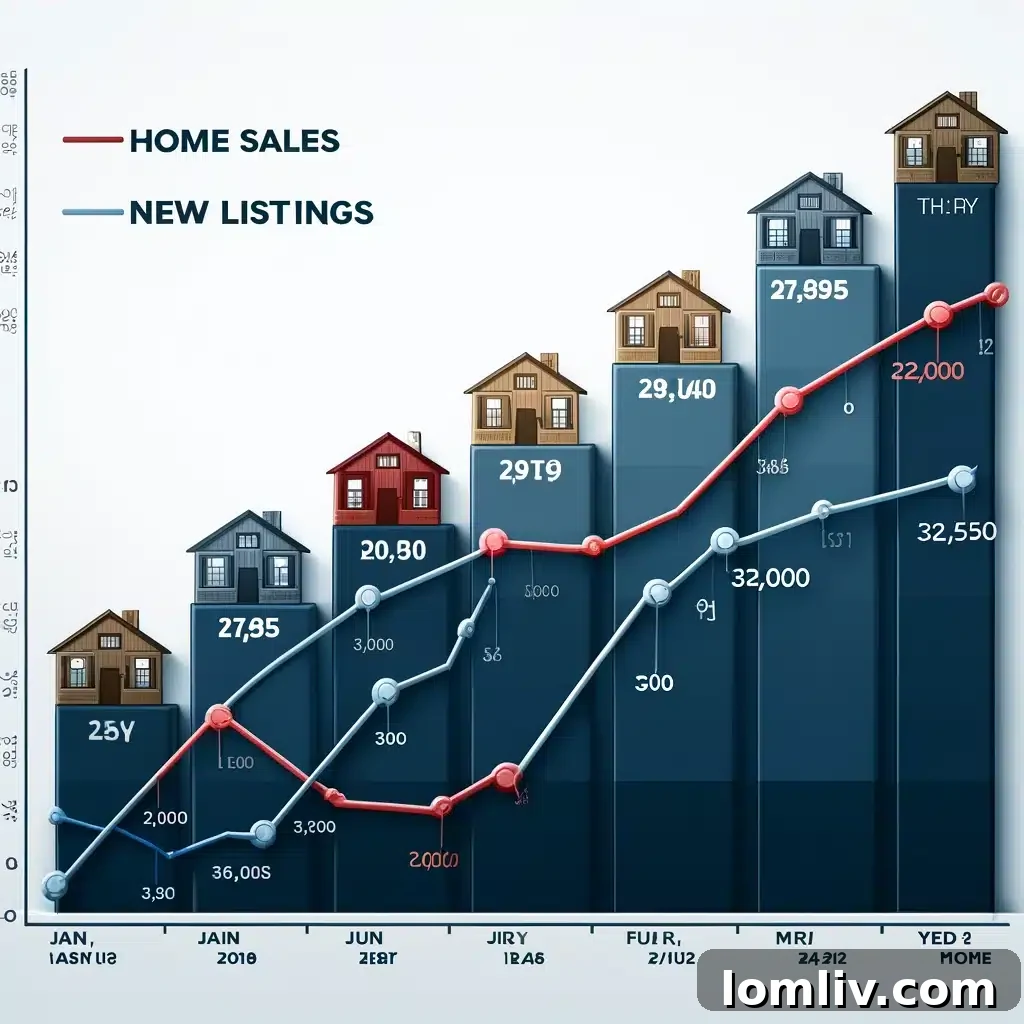
The Texas housing market is experiencing a period of adjustment, characterized by fluctuating sales volumes and evolving inventory dynamics. In March, the state witnessed a 7.1 percent month-over-month decrease in home sales, with a total of 27,595 transactions recorded. While this might suggest a cooling trend, it’s crucial to consider the broader context: cumulative home sales for the first three months of the year remain largely on par with figures from the previous year, indicating underlying resilience despite short-term dips. This suggests that while the extraordinary growth rates of the pandemic era may be subsiding, the market is not collapsing but rather recalibrating to a more sustainable pace.
Delving deeper into specific metropolitan areas reveals varied performances:
- San Antonio experienced a notable 9.2 percent decline in home sales, reflecting potential shifts in buyer activity or increased market saturation in certain submarkets.
- Dallas-Fort Worth saw a more moderate 3.2 percent drop, underscoring the enduring demand and strong economic fundamentals in the North Texas region.
- Across the state, new listings registered a slight dip, with Dallas and Houston experiencing the most significant impacts. This suggests that while demand might be softening, sellers are also showing some reticence, possibly due to uncertainty over pricing or a desire to hold onto existing low mortgage rates.
- In contrast, Austin maintained stable new listing figures, which could be attributed to its unique tech-driven economy and continued influx of high-income earners, counterbalancing broader market trends.
- Notably, the average days on the market decreased by one day statewide. This metric is a powerful indicator of continued buyer interest and the market’s ability to absorb available inventory relatively quickly, even as sales volumes fluctuate. It suggests that well-priced homes in desirable locations are still attracting prompt offers, maintaining a degree of competitiveness for buyers.
These trends collectively paint a picture of a market that is finding its new equilibrium. While monthly sales may not match previous highs, the sustained cumulative activity and quick turnover of properties point to a foundation that remains robust, supported by ongoing population and job growth.
Robust Construction Activity Signals Long-Term Confidence
Amidst market adjustments, the construction sector in Texas demonstrates remarkable strength and confidence in future housing demand. In March, single-family construction permits across the state increased by 2.6 percent, reaching a total of 14,013 issuances. This upward trend in permits is a critical forward-looking indicator, signaling that builders are actively planning and preparing for new developments, often in anticipation of continued population growth and housing needs.
However, similar to sales, construction activity also shows regional variations:
- While the state saw an overall increase, Houston experienced a decline in new permits, which might be due to existing inventory levels or temporary pauses in large-scale developments.
- Conversely, Austin and San Antonio both recorded increases in permits, suggesting strong developer confidence in these rapidly expanding metropolitan areas, particularly in their ability to absorb new housing units.
- Statewide, construction starts also rose by 2.6 percent, directly correlating with the increase in permits and indicating that planned projects are indeed breaking ground.
- Perhaps the most compelling statistic for the construction sector is the surge in the total value of single-family starts, which climbed from $6.55 billion to an impressive $9.51 billion compared to the previous year. This significant increase underscores sustained and substantial investment in residential construction, reflecting not only the volume of homes being built but potentially also the rising costs of materials and labor, as well as a focus on larger or higher-value properties. This investment is crucial for addressing the state’s long-term housing supply challenges and accommodating its burgeoning population.
The continued vigor in construction activity is a testament to Texas’s fundamental appeal and the belief among developers that demand for housing will persist, even if the market experiences short-term fluctuations. This fresh supply of homes will play a vital role in balancing the market and potentially easing some of the price pressures experienced in recent years.
Navigating Texas Home Prices: Stability with Regional Nuances
One of the most reassuring aspects of the current Texas housing market is the stability of median home prices. For the second consecutive month, the statewide median home price remained steady at approximately $340,000. This stability offers a sense of predictability, contrasting sharply with the volatile price surges observed during the peak of the pandemic housing boom. However, beneath this statewide average, local markets exhibit their own unique trajectories, influenced by specific economic drivers, inventory levels, and buyer preferences. For instance, San Antonio experienced a healthy 4.2 percent increase in median prices, reflecting its strong job market and relative affordability, which continues to attract new residents. Conversely, Austin saw a 5.2 percent decline, a trend that could be attributed to a combination of factors including increased inventory, a recalibration of previously overheated prices, and potential buyer resistance to the city’s higher price points.
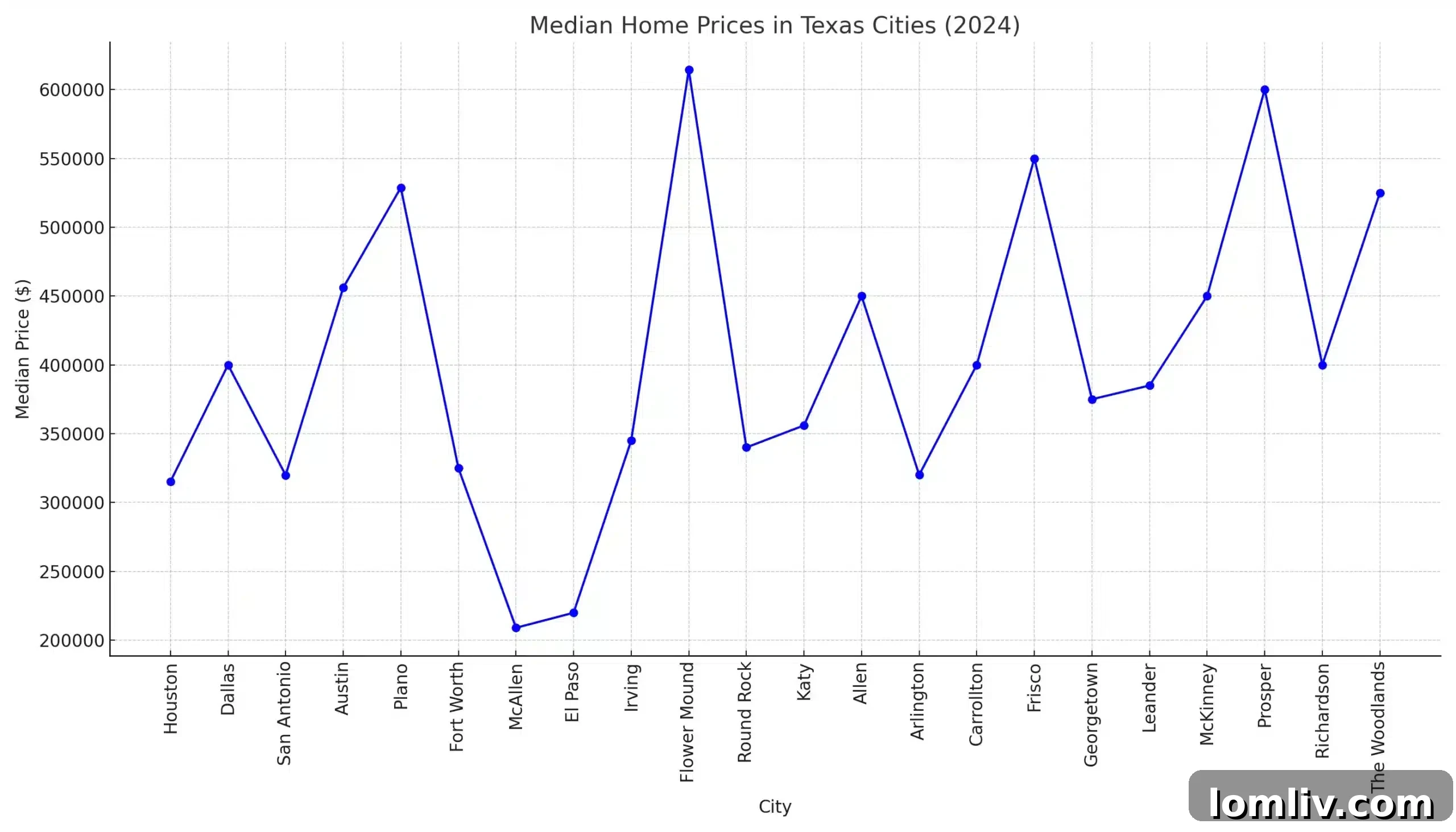
To provide a more granular understanding, here’s a detailed look at median and average home prices, along with typical list price ranges, across various key Texas cities. These figures highlight the significant diversity within the state’s real estate landscape, from the bustling metropolises to the thriving suburban communities:
| City | Median Price | Average Price | Median List Price | Price Range |
|---|---|---|---|---|
| Houston | $315,136 | $345,000 | $362,000 | $238,900 – $1,580,000 |
| Dallas | $400,000 | $400,000 | $410,000 | $300,000 – $800,000 |
| San Antonio | $319,900 | $287,871 | $330,167 | $225,000 – $429,000 |
| Austin | $456,000 | $573,000 | $550,000 | $365,000 – $1,475,000 |
| Plano | $528,786 | $540,000 | $550,000 | $450,000 – $650,000 |
| Fort Worth | $325,000 | $330,000 | $340,000 | $250,000 – $700,000 |
| McAllen | $209,000 | $214,000 | $215,000 | $180,000 – $250,000 |
| El Paso | $219,900 | $224,000 | $225,000 | $200,000 – $250,000 |
| Irving | $345,000 | $350,000 | $355,000 | $300,000 – $450,000 |
| Flower Mound | $614,284 | $620,000 | $630,000 | $550,000 – $700,000 |
| Round Rock | $340,000 | $345,000 | $350,000 | $300,000 – $400,000 |
| Katy | $356,000 | $360,000 | $365,000 | $300,000 – $450,000 |
| Allen | $450,000 | $455,000 | $460,000 | $400,000 – $550,000 |
| Arlington | $320,000 | $325,000 | $330,000 | $275,000 – $400,000 |
| Carrollton | $400,000 | $405,000 | $410,000 | $350,000 – $500,000 |
| Frisco | $550,000 | $560,000 | $570,000 | $500,000 – $700,000 |
| Georgetown | $375,000 | $380,000 | $385,000 | $325,000 – $450,000 |
| Leander | $385,000 | $390,000 | $395,000 | $340,000 – $470,000 |
| McKinney | $450,000 | $455,000 | $460,000 | $400,000 – $550,000 |
| Prosper | $600,000 | $610,000 | $620,000 | $550,000 – $750,000 |
| Richardson | $400,000 | $405,000 | $410,000 | $350,000 – $500,000 |
| The Woodlands | $525,000 | $530,000 | $535,000 | $450,000 – $650,000 |
This table vividly illustrates that while the statewide median offers a general barometer, the true “affordability” and investment potential in Texas real estate are highly localized. Suburban communities surrounding major hubs, like Plano, Frisco, and The Woodlands, consistently show higher price points, reflecting their desirability due to excellent schools, amenities, and strong local economies. Conversely, cities like McAllen and El Paso continue to offer more accessible entry points for homebuyers. Understanding these regional variations is paramount for anyone looking to navigate the Texas housing market effectively.
Texas Housing Market Predictions: A Look Ahead
Forecasting the future of the Texas housing market involves analyzing current metrics and understanding the underlying forces at play. As of recent data, the average Texas home value stands at $307,038, representing a modest 1.0% increase over the past year. This gentle appreciation signifies a healthy, sustainable growth rather than speculative bubble-like expansion. Homes are going to pending status in approximately 25 days, a relatively quick turnaround that still indicates strong buyer interest and efficient market mechanisms. The median sale price in March 2024 was $321,667, while the median list price for April 2024 was $358,333, with May’s median list price projected at $360,000. The difference between sale and list prices, along with the speed of sales, are critical indicators of market competitiveness.
Crucially, the “percent of sales over list price” and “percent of sales under list price” offer insights into negotiation dynamics. On March 31, 2024, 16.9% of sales closed above list price, while 62.3% closed below list price. By April 30, 2024, these figures shifted slightly to 17.5% over list and 61.8% under list. These percentages suggest that while competitive bidding still occurs in desirable segments, a significant majority of transactions involve some degree of negotiation, a characteristic of a more balanced market where buyers have more leverage than in a seller’s market peak. The average days on market also slightly increased to 40 days in April 2024, further supporting the narrative of a moderating pace.
Here’s a snapshot of key metrics and predictions shaping the Texas housing outlook:
| Metric | Value |
|---|---|
| Average Texas Home Value | $307,038 (up 1.0% over past year) |
| Median Sale Price (March 2024) | $321,667 |
| Median List Price (April 2024) | $358,333 |
| Percent of Sales Over List Price (March 31, 2024) | 16.9% |
| Percent of Sales Under List Price (March 31, 2024) | 62.3% |
| Median List Price (May 2024) | $360,000 (projected) |
| Percent of Sales Over List Price (April 30, 2024) | 17.5% |
| Percent of Sales Under List Price (April 30, 2024) | 61.8% |
| Average Days on Market (April 2024) | 40 days |
| New Listings (April 2024) | 3,200 (a significant indicator of supply influx) |
| Inventory Levels (April 2024) | 24,000 homes (signifying more choice for buyers) |
| Mortgage Rates (April 2024) | ~4.0% (hypothetical, but critical factor for affordability) |
These projections suggest that the market is poised for continued moderation. While housing values are still appreciating, the pace has become more measured. An increase in inventory levels, combined with a slight rise in days on market, points towards a more competitive environment for sellers and greater opportunities for buyers. The relatively low percentage of sales above list price compared to those below indicates a shift in negotiating power, moving slowly towards buyers.
Market Adjustments: Towards a Balanced Ecosystem
Real estate experts largely agree that the Texas housing market is set for further adjustments throughout 2024. The relentless, fast-paced sales environment that characterized recent years is expected to ease, paving the way for a more balanced market. This shift is a healthy development, benefiting both buyers and sellers by fostering more predictable and sustainable conditions.
- Inventory is likely to rise as more homeowners decide to list their properties. This increase in supply can be driven by several factors, including changing life circumstances, relocation for work, or simply homeowners opting to capitalize on lingering equity. Higher mortgage rates also play a role, as fewer homeowners are incentivized to refinance, potentially freeing up inventory.
- This anticipated rise in inventory, coupled with potentially softening demand due to higher borrowing costs and general economic uncertainty, could lead to a more balanced market. A balanced market typically means more options for buyers, reducing the intense bidding wars that were once common, and allowing for more considered decision-making.
- While some price drops are predicted in certain micro-markets or for specific property types, experts widely agree that a severe market crash is highly unlikely. Texas’s robust economy, continuous population influx, and fundamentally strong job market provide a solid buffer against a significant downturn. Any price adjustments are more likely to be corrections from overinflated values rather than a broad market collapse.
- Overall price growth is expected to moderate significantly, settling into a more sustainable range of 2-4% over the next few years. This stable, gradual appreciation is a healthier indicator for long-term real estate investment, moving away from speculative booms towards consistent, fundamental-driven value increases.
These market adjustments are creating new opportunities. Buyers, who once faced overwhelming competition, may find more choices and greater negotiating power. Sellers, in turn, will need to be more strategic in their pricing and marketing to attract interest in a less frenzied environment.
The Enduring Influence of Mortgage Rates
Mortgage Rates from 2020 to 2024: A Rollercoaster Ride
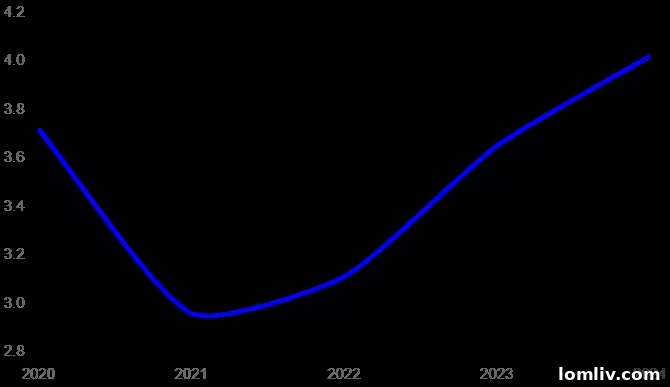
Mortgage rates stand as one of the most significant external factors influencing the housing market. The Federal Reserve’s monetary policy, particularly its decisions on the federal funds rate, directly impacts the cost of borrowing for home loans. While the Fed is expected to continue raising rates in 2024 to combat inflation, some forecasts suggest that the pace and intensity of these hikes may slow down in the latter half of the year, or even reverse course if economic conditions warrant. Any decrease in mortgage rates, even a modest one, could act as a powerful incentive, bringing more prospective buyers and sellers back into the market. Lower rates enhance affordability, allowing buyers to qualify for larger loans or reduce their monthly payments. For sellers, a dip in rates could stimulate demand for their properties, contributing to a more active and balanced transactional environment. The historical volatility of rates, as depicted in the 2020-2024 trend, underscores the sensitivity of the housing market to these economic levers, making future Fed decisions a key watch point for anyone involved in Texas real estate.
Texas’s Unwavering Appeal Continues to Drive Demand
Beyond the immediate market statistics, Texas possesses fundamental strengths that ensure its long-term appeal and sustained housing demand. The state’s vibrant and diversified economy, driven by innovation in technology, robust energy sectors, burgeoning manufacturing, and strategic logistics, consistently generates a wealth of job opportunities. This economic vitality acts as a powerful magnet, attracting talent and new residents from across the nation and even internationally. Furthermore, Texas’s comparatively lower cost of living, particularly when weighed against its economic opportunities and the absence of a state income tax, continues to be a significant draw. This unique combination of economic prosperity and fiscal advantages makes Texas an attractive destination for individuals and families seeking a better quality of life and career advancement.
This relentless influx of people will continue to sustain underlying demand for housing, especially within the major metropolitan areas. Cities like Austin, with its burgeoning tech scene; Dallas-Fort Worth, a sprawling economic powerhouse; Houston, the energy capital and a diverse economic hub; and San Antonio, rich in history and growing in commerce, are expected to remain prime targets for residential growth. These urban centers and their surrounding suburban rings offer a wide range of employment, educational, and cultural amenities, ensuring that housing demand, though perhaps less frantic, will remain robust and foundational to the state’s continued prosperity.
Understanding Local Market Variations for Strategic Decisions
It is crucial to recognize that “the Texas housing market” is not a monolithic entity. It is a vast and diverse landscape, comprising numerous distinct local markets, each with its own unique characteristics, economic drivers, and housing dynamics. What holds true for a high-growth tech corridor in Austin might be entirely different from a more established, suburban community in Houston or a rural area in West Texas. Some areas, particularly those with a heavy concentration of tech industries or those that experienced rapid appreciation during the pandemic, may experience a slight cooling or price stabilization as the market recalibrates. These areas might see inventory levels rise more significantly or days on market extend further. Conversely, other regions, perhaps those with strong, diversified local economies, continuous job creation, and relatively more affordable housing stock, could continue to experience strong, albeit moderate, growth.
Therefore, relying solely on statewide averages or broad predictions can be misleading. For anyone contemplating a real estate transaction in Texas, whether buying or selling, access to and analysis of hyper-local market data is absolutely essential. This involves examining neighborhood-specific trends in sales volume, median prices, days on market, new listings, and inventory levels. Consulting with local real estate professionals who possess deep knowledge of specific communities and their unique market forces is invaluable for obtaining the most accurate picture and making informed, strategic decisions tailored to individual goals and circumstances.
Opportunities for Strategic Buyers and Sellers in 2024
The evolving market conditions in 2024 present distinct opportunities for both strategic buyers and sellers who are well-informed and agile.
- For Buyers: The shift towards a more balanced market translates into increased negotiating power and a wider array of options. Buyers are likely to find less competition, fewer bidding wars, and potentially more time to conduct due diligence. This period favors those who are pre-approved for mortgages, clear about their priorities, and willing to act decisively when the right opportunity arises. It’s an opportune time to explore different neighborhoods, consider homes that might have previously been out of reach, and potentially negotiate on price, repairs, or closing costs.
- For Sellers: The emphasis has shifted from simply listing a home to strategically marketing it. Sellers must now price their properties competitively from the outset to attract serious buyers. This might involve setting a realistic price based on recent comparable sales, investing in home staging and professional photography to make a strong first impression, and being prepared to negotiate. While the days of guaranteed multiple offers might be less common, well-maintained, appropriately priced homes in desirable locations will still command attention. Working with an experienced local real estate agent who understands current market nuances and can craft an effective marketing strategy is more crucial than ever.
The key for both parties is to understand that the market has matured. Success will depend less on riding a wave of unprecedented demand and more on thoughtful planning, thorough research, and a willingness to adapt to current conditions.
Conclusion: Navigating a Market in Transition
The Texas housing market in 2024 is undoubtedly poised for a significant transition. While the breakneck pace of the recent past is expected to slow, the state’s underlying real estate fundamentals remain exceptionally strong. Its continually growing population, diverse and robust economy, and persistent job creation provide a solid bedrock that mitigates risks of a severe downturn. Affordability, while still a concern in some high-demand areas, is becoming a more central theme, with regional variations offering different entry points for homebuyers. For all participants, staying highly informed about local market trends, understanding the impact of mortgage rates, and adopting a strategic approach are absolutely vital for navigating this evolving landscape successfully. Texas continues to offer immense potential, but success in its housing market now demands a more discerning and informed perspective.