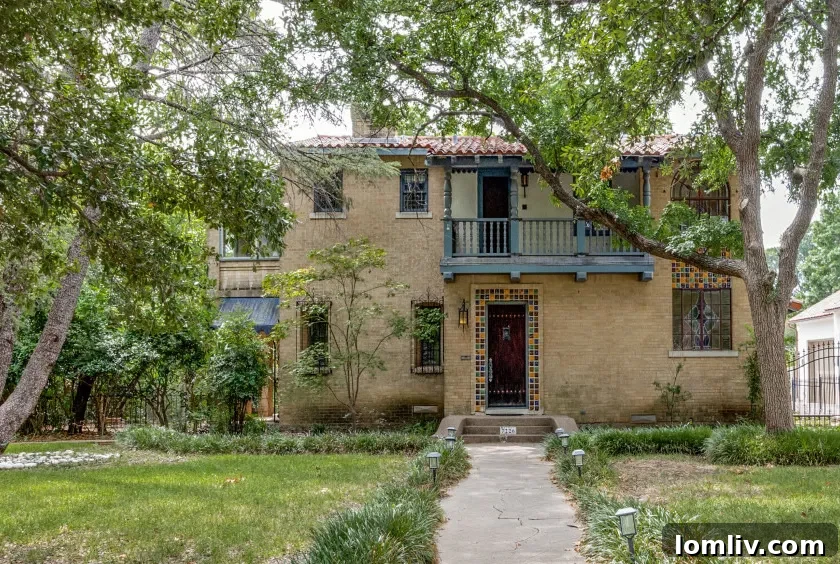
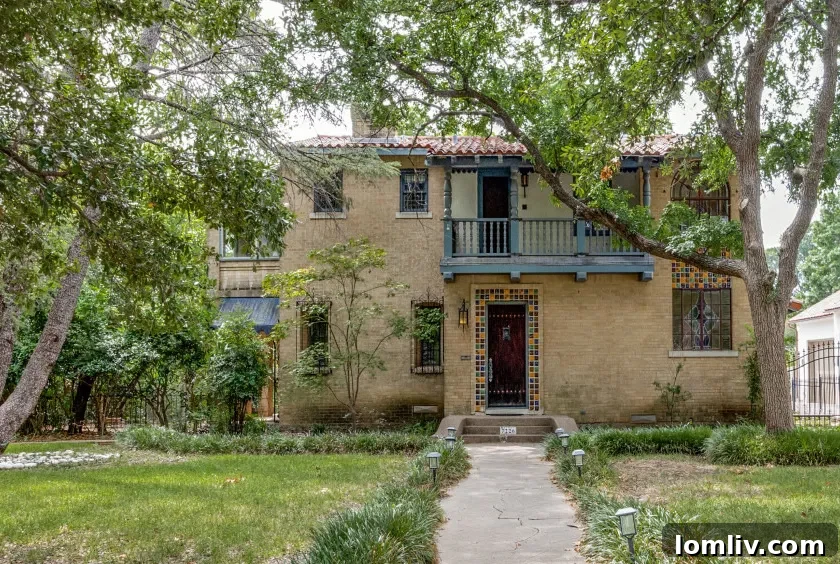
A Unique Clifford D. Hutsell Residence on Lakewood Blvd., Demolished in 2023.
Preserving Dallas’s Architectural Heritage: Why Historic Preservation Matters More Than Ever
At Dallas, TX Real Estate, we champion the cause of historic preservation, recognizing it as a cornerstone of our city’s identity and future growth. Far from being an obstacle to progress, preservation is about thoughtfully integrating our rich past with a vibrant future. We celebrate the beauty of new construction and innovative designs, yet we firmly believe that this progress should never necessitate the sacrifice of our invaluable historic homes and buildings. These structures are not just old; they are critical threads in the tapestry of our city, embodying its history, culture, and unique architectural character. When presented with the choice to save them, understanding the profound importance of preservation becomes paramount.
Our commitment extends to educating our readers and providing accessible resources, especially concerning historic preservation in Dallas. Many individuals and organizations remain unaware of the powerful tools and incentives available to protect these irreplaceable assets. The significant losses of the iconic Lakewood Hutsell home and Exchange Park in 2023 serve as poignant reminders of what can be lost and emphasize the urgency for collective action. This article revisits crucial insights and shares vital information to empower everyone who cherishes Dallas’s distinctive architectural legacy.
The Irreparable Loss of a Clifford D. Hutsell Masterpiece
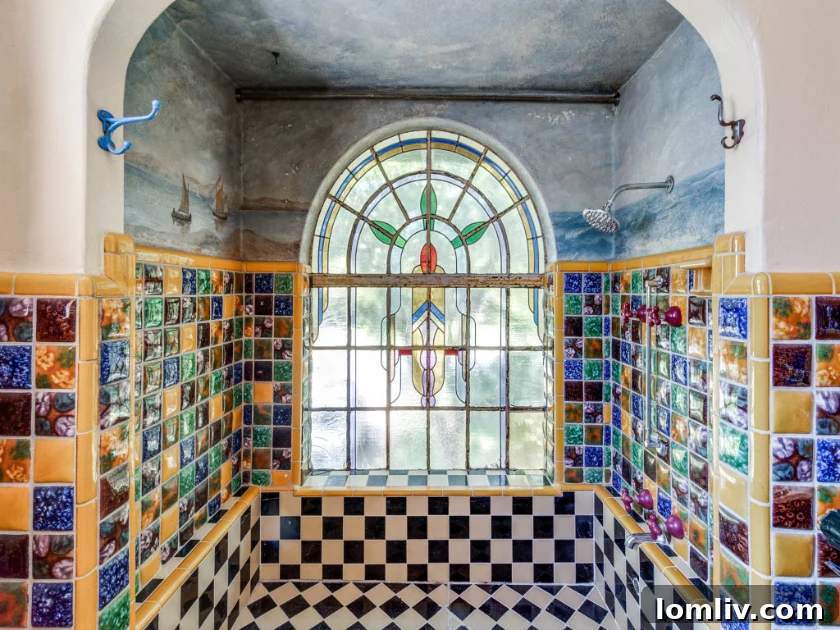
A striking example of original craftsmanship: the perfectly intact pillow tile bathroom from the demolished Hutsell residence at 7226 Lakewood Blvd.
Few events have stirred as much public interest and collective dismay as the demolition of a beloved Clifford D. Hutsell residence on Lakewood Boulevard. The news spread like wildfire across social media, igniting widespread outrage and highlighting the deep emotional connection Dallasites have to their architectural heritage. Clifford D. Hutsell, a master architect, sculpted the Dallas landscape with his distinctive Spanish Eclectic style, characterized by intricate tile work, ornate details, and a timeless elegance. Each Hutsell home is a unique work of art, contributing significantly to the aesthetic and historical fabric of neighborhoods like Lakewood.
The specific Hutsell home at 7226 Lakewood Blvd was a prime example of his genius, a living testament to a bygone era of unparalleled craftsmanship. Its loss was particularly tragic because it represented several crucial missed opportunities for preservation. Had the proposed expansion of the Lakewood Conservation District been approved more swiftly, this architecturally significant property would have gained vital protection against demolition. Furthermore, it was deeply distressing that the property sellers were reportedly unaware of powerful preservation tools at their disposal. They could have proactively sought landmark designation for their home, which would have granted it official historic status and legal protection, or imposed a deed restriction, a private legal agreement designed to safeguard its architectural integrity for generations to come. Either of these proactive measures would have undoubtedly preserved this beautiful residence, preventing an irreplaceable loss to Dallas’s rich cultural heritage.
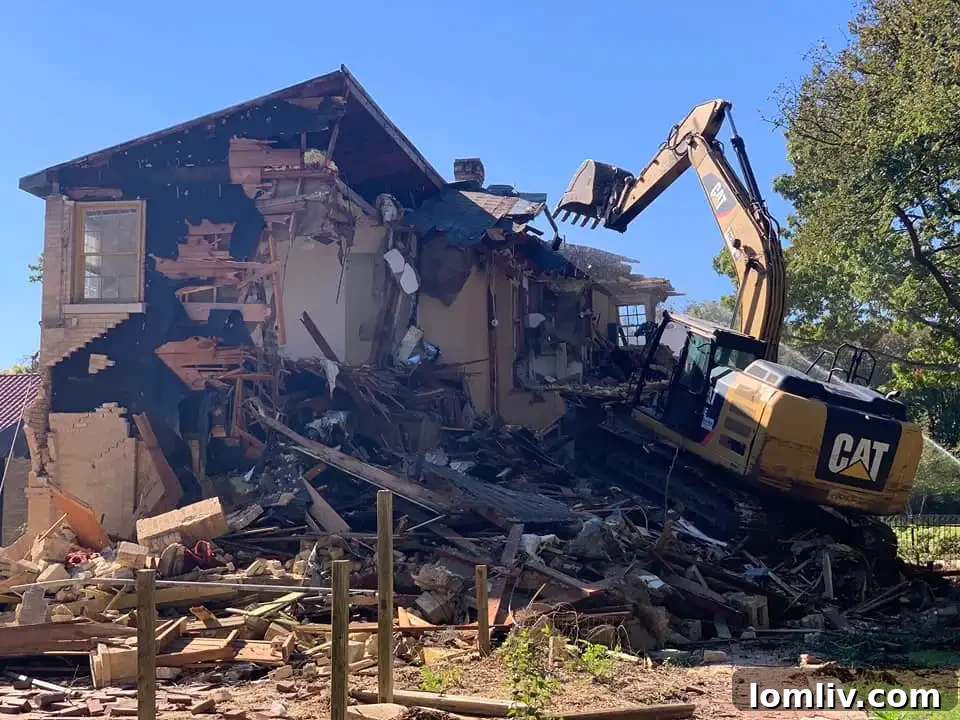
The unfortunate demolition of a beloved Hutsell home, a significant loss to Lakewood’s architectural character.
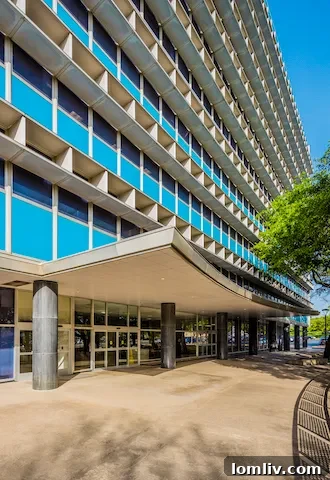
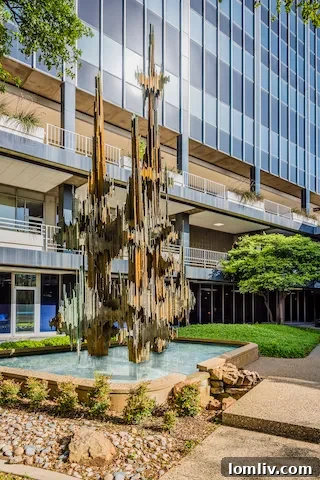
The End of an Era: The Demolition of Exchange Park
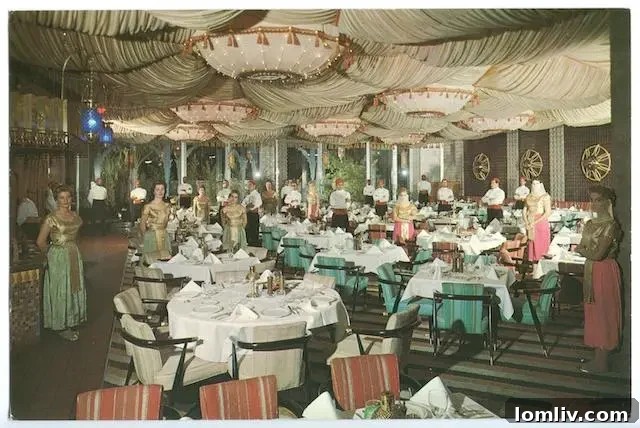
The year 2023 also witnessed another profound architectural loss for our city: the demolition of Exchange Park. This was not merely a commercial complex; it was a deeply woven part of Dallas’s social and economic fabric for decades. The immense outpouring of memories shared by our readers, prompted by reports of its demolition, truly underscored its significance. For countless individuals, Exchange Park was a landmark where careers began, financial milestones were reached, and cherished meals were shared at establishments like the famous La Tunisia restaurant. It functioned as a vibrant community hub, a place where personal histories intertwined and collective memories were forged across generations. Its removal represents not just the loss of physical structures, but the severing of a tangible link to our city’s past, erasing a building that resonated deeply with the lived experiences of multiple generations of Dallasites.
Why Historic Preservation Is Essential for Dallas’s Future and Identity
The recent demolitions of beloved structures like the Hutsell home and Exchange Park compel us to ask a critical question: What kind of city do we envision for Dallas? If we fail to proactively preserve our architectural heritage, we risk succumbing to an aesthetically monotonous and historically disconnected urban landscape. Historic preservation is far more than an aesthetic preference; it offers profound and multifaceted benefits that enrich our communities in countless ways, shaping a more sustainable, vibrant, and authentic Dallas.
1. Safeguarding Cultural and Historical Identity
Historic buildings are invaluable storytellers, offering a tangible connection to the people, pivotal events, and transformative movements that have shaped Dallas. Each preserved structure holds narratives of innovation, community development, and evolving lifestyles, providing a physical link to our collective past. Preserving these buildings ensures that future generations can physically engage with their history, fostering a deeper understanding and appreciation for their roots. It’s about maintaining the unique character that truly differentiates Dallas from any other city, preventing a homogenized urban environment devoid of distinctive landmarks and the rich narratives they contain.
2. Driving Economic Vitality and Growth
Far from being an economic burden, historic preservation serves as a powerful engine for local economies. Historic districts frequently evolve into vibrant hubs for cultural tourism, drawing visitors who seek authentic experiences and a glimpse into a city’s unique charm. This influx generates significant revenue for local businesses, stimulates job creation, and encourages private investment in meticulously planned restoration projects. Research consistently demonstrates that properties within historic districts often appreciate in value more rapidly and maintain higher occupancy rates. Furthermore, the rehabilitation of existing buildings typically employs local craftspeople and specialized trades, ensuring that investment circulates within the community.
3. Advancing Environmental Sustainability
In an era where environmental consciousness is paramount, historic preservation is inherently sustainable. The adage “the greenest building is one that already exists” rings profoundly true. Demolishing older buildings generates immense quantities of landfill waste and demands substantial energy and resources for new construction. Conversely, rehabilitating and reusing historic structures significantly reduces the demand for new raw materials, minimizes construction waste, and lowers embodied energy—the total energy expended in the production and transportation of building materials. This approach aligns perfectly with modern sustainability goals, offering a responsible and eco-friendly pathway for urban development.
4. Fostering Community and a Strong Sense of Place
Historic buildings and their surrounding districts contribute immensely to a community’s sense of place and belonging. They serve as familiar landmarks, cherished gathering spots, and visual anchors that provide continuity and stability amidst rapid urban change. Preserving these shared spaces strengthens community bonds, encourages social interaction, and helps residents feel deeply rooted in their environment. A city that values and actively protects its past often cultivates a more cohesive, engaged, and proud citizenry, fostering a stronger collective identity.
5. Promoting Architectural Diversity and Quality
Historic preservation actively promotes a diverse and aesthetically rich urban fabric. It ensures that innovative and unique architectural styles, ranging from the intricate Spanish Eclectic to the sleek Art Deco and beyond, continue to stand proudly alongside contemporary designs. This invaluable variety prevents the emergence of a sterile, uniform cityscape, instead offering a visually stimulating environment that reflects the broad spectrum of human creativity and ingenuity across different eras. It celebrates the artistry of previous generations and inspires architectural excellence in the present.
Essential Tools and Resources for Historic Preservation in Dallas
Understanding and effectively utilizing the various tools available for historic preservation is critical for individuals, developers, and the city as a whole. These mechanisms provide both legal protection and financial incentives, making the preservation of architecturally and historically significant properties a viable and attractive option.
1. Landmarking
Landmarking is the official process by which the City of Dallas designates a specific building, structure, site, or object as historically significant. This formal designation confers crucial legal protection against demolition or insensitive alterations, ensuring the property’s integrity. While landmark status does introduce certain restrictions on modifications, it simultaneously unlocks significant benefits, including access to financial incentives, grants specifically allocated for restoration, and valuable technical assistance from historic preservation experts. Property owners considering landmarking should consult with the Dallas Historic Preservation staff to thoroughly understand the full scope of benefits and responsibilities involved. It stands as a powerful and enduring step towards ensuring a property’s long-term survival and contribution to the city’s heritage.
2. Historic Tax Credits
Both federal and state governments offer substantial tax incentives designed to encourage the rehabilitation of historic properties. The Federal Historic Preservation Tax Incentives Program, jointly administered by the National Park Service and the IRS, provides a generous 20% income tax credit for the certified rehabilitation of income-producing historic buildings. Complementing this, Texas also offers its own state historic preservation tax credit for eligible projects. These credits can significantly offset the often-considerable costs associated with thoughtful renovation, making preservation a far more financially attractive and viable option for both property owners and developers. Detailed information on these invaluable programs can typically be found through the City of Dallas’s historic preservation resources.
3. Deed Restrictions
Deed restrictions are private, legally binding agreements that can be placed on a property’s deed to stipulate specific limitations on future development, demolition, or alterations. Unlike landmarking, which is a public designation initiated by the city, deed restrictions are voluntary agreements typically initiated and recorded by the property owner. They can be exceptionally effective in protecting specific architectural features, preserving the character of a property, or preventing its demolition, offering a highly tailored and flexible preservation solution that can endure through changes in ownership. The absence of such a restriction was a significant missed opportunity for the Lakewood Hutsell home, underscoring the vital importance of informing property owners about this potent preservation tool.
4. Conservation Districts
Conservation Districts, exemplified by the proposed Lakewood Conservation District expansion, are city-initiated zoning overlays specifically designed to preserve the distinctive physical character and unique ambiance of an entire area or neighborhood. These districts establish comprehensive guidelines for new construction, demolitions, and alterations within their defined boundaries, with the overarching goal of maintaining historical integrity and cohesive aesthetic. Actively engaging with efforts to establish or expand these districts represents a powerful collective approach to safeguarding the character of entire neighborhoods, rather than relying solely on individual property protection.
A Call to Action for 2024 and Beyond
The events of 2023 serve as a powerful and undeniable wake-up call for everyone invested in Dallas’s future. We simply cannot afford to be complacent when it comes to safeguarding our architectural heritage. As residents of this vibrant city, we all share a collective responsibility and have a crucial role to play—whether through actively advocating for stronger preservation policies, diligently educating ourselves and others about the available tools and resources, or by actively engaging in the thoughtful rehabilitation of historic properties within our communities.
When we build, let us think that we build forever. Let it not be for present delight nor for present use alone. Let it be such work as our descendants will thank us for, and let us think, as we lay stone on stone, that a time is to come when those stones will be held sacred because our hands have touched them and that men will say, as they look upon the labor and wrought substance of the, “See! This our father did for us.”
John Ruskin
John Ruskin’s timeless and profound words resonate deeply, reminding us of our solemn responsibility to future generations. Our collective actions and decisions today will irrevocably determine the architectural landscape and cultural legacy that Dallas bequeaths to tomorrow. Let us strive to build and preserve with utmost foresight, ensuring that the structures we pass down are not merely functional, but are cherished, appreciated, and continue to inspire for centuries to come.
There may have been a time when preservation was about saving an old building here or there, but those days are gone. Preservation is in the business of saving communities and the values they embody.
Richard Moe, National Trust for Historic Preservation
Richard Moe’s insightful perspective powerfully emphasizes that preservation is fundamentally about community. It’s about safeguarding the rich tapestry of stories, the indelible memories, and the shared values that are inextricably embedded within our built environment. Let’s make 2024 the pivotal year Dallas takes a decisive and united stand for its architectural soul. Let’s work hand-in-hand to ensure that our city’s rich and compelling history continues to profoundly inspire, deeply educate, and distinctly define us for generations to come. Explore more resources and join the movement for Historic Preservation on Dallas, TX Real Estate.