
Crafting Your Dream Home: The Indispensable Role of Residential Architects

Imagine stepping into a home where every element feels perfectly aligned with your lifestyle. A space bathed in natural light, offering effortless flow between rooms, and embodying a sense of calm and belonging. This isn’t just a fantasy; it’s the tangible outcome of collaborating with a skilled residential architect. These design professionals are the visionaries who transform raw ideas into functional, beautiful, and enduring living spaces that truly resonate with their inhabitants.
Whether you’re embarking on the exciting journey of building a new custom home or envisioning a transformative remodel of your current residence, engaging a qualified architect elevates your project beyond mere construction. They don’t just design structures; they craft environments that enhance well-being, maximize efficiency, and reflect your unique identity, turning a simple house into a cherished home.
The Pivotal Role of Residential Architects in Home Design
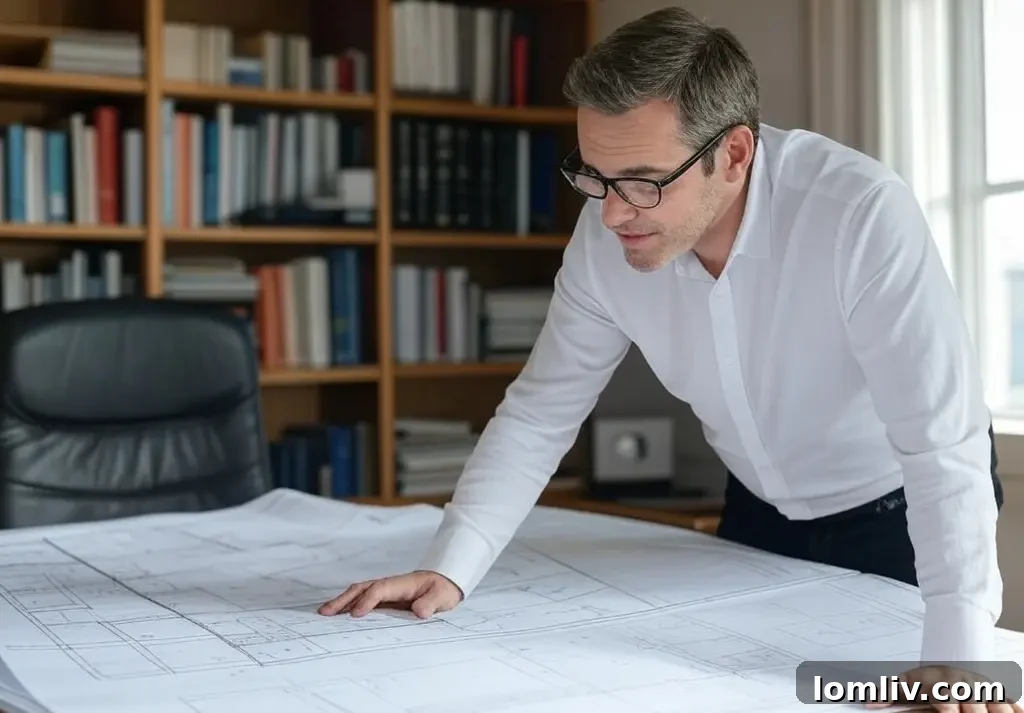
At its core, a residential architect serves as the mastermind and guiding force behind your home’s design journey. They are far more than just drafters of blueprints; they are problem-solvers, innovators, and your primary advocate throughout the complex process of home creation. Their role begins with a deep understanding of your needs, aspirations, and the intricacies of your chosen site.
Architects meticulously translate your abstract vision into detailed, actionable drawings and specifications that builders can execute. They consider every detail, from the grand sweeping gestures of a home’s overall aesthetic to the subtle nuances of how natural light interacts with interior spaces. This comprehensive approach encompasses optimal floor layouts, seamless functionality, strategic material selection, and the overarching style that defines your home. They expertly navigate building codes, zoning regulations, and structural requirements, ensuring safety, compliance, and longevity.
From initial concept sketches to overseeing construction, architects ensure that the design integrity is maintained, acting as a crucial link between you, the builder, and various contractors. Their expertise saves you time, reduces stress, and, most importantly, helps avoid costly mistakes that can arise from inadequate planning.
Beyond Aesthetics: Tangible Benefits of Hiring a Residential Architect
While the visual appeal of a home designed by an architect is often immediately evident, the benefits extend far beyond mere aesthetics. Engaging a professional offers a multitude of advantages that impact your daily living, long-term comfort, and even your financial investment.
Customized Home Designs Tailored to Your Lifestyle
Every family is unique, with distinct needs, routines, and preferences. A residential architect excels at crafting bespoke designs that are meticulously tailored to fit your specific lifestyle. Whether you require flexible spaces that adapt to changing needs, ample storage solutions, a dedicated home office, or a seamless transition between indoor and outdoor living, an architect will design a home that responds thoughtfully to how you live, work, and entertain. This personalization creates a home that truly feels like an extension of you.
Enhanced Functionality, Efficiency, and Livability
A truly great home design is not just visually appealing; it functions flawlessly. Architects are experts in optimizing space. They meticulously plan each area to eliminate wasted space, awkward corners that are difficult to furnish, and inefficient layouts. By considering traffic flow, natural light, ventilation, and ergonomic principles, they design homes that are intuitive, comfortable, and a joy to inhabit. This leads to better energy efficiency through smart window placement and insulation, maximizing comfort while minimizing utility costs.
Significant Increase in Property Value and Market Appeal
In a competitive housing market, a professionally designed home stands out. The thoughtful design, superior space planning, and refined aesthetics that an architect brings to a project significantly increase a property’s market appeal and resale value. A well-designed home signals quality, sophistication, and enduring style to potential buyers, often commanding a higher price and selling more quickly than a comparably sized but less thoughtfully designed property. It’s an investment that pays dividends.
Expert Problem Solving and Risk Mitigation
The construction process can be fraught with challenges. Architects anticipate potential issues before they become costly problems, from navigating complex zoning laws to selecting appropriate materials for specific site conditions. Their expertise mitigates risks, prevents expensive change orders, and ensures that your project adheres to budget and timeline constraints as closely as possible. They act as your trusted advisor, safeguarding your interests throughout the project.

Evolving Trends in Residential Architecture Shaping Modern Homes
Residential architecture is a dynamic field, continually evolving to meet changing lifestyles, technological advancements, and environmental consciousness. Architects are at the forefront of integrating these trends to create contemporary, comfortable, and future-ready homes.
The Enduring Appeal of Open-Plan Living
Modern homes frequently embrace open layouts that seamlessly connect core living areas like the kitchen, dining room, and living room. This design philosophy creates a sense of expansive space, encourages social interaction, and allows natural light to permeate deeper into the home. Architects skillfully design these spaces to maintain definition and functionality without resorting to restrictive walls, often using subtle changes in ceiling height, flooring, or strategically placed furniture.
Seamless Indoor-Outdoor Integration
Blurring the lines between interior comfort and the natural world is a hallmark of contemporary residential design. Many homes now feature wide sliding or bi-fold doors, expansive glass walls, and thoughtfully designed alfresco dining areas, garden courtyards, and extended patios that become integral extensions of the living space. This integration promotes a sense of well-being, provides additional entertaining areas, and maximizes connection with nature, regardless of lot size.
The Rise of Smart Home Technology Integration
In today’s connected world, smart home technology is no longer a luxury but an expectation for many homeowners. Architects are adept at integrating automated lighting, sophisticated security systems, climate control, entertainment systems, and even smart appliances directly into building designs. This forward-thinking approach ensures that technology enhances convenience, energy efficiency, and security without compromising the aesthetic appeal of the home.
Biophilic Design: Connecting with Nature
An emerging trend, biophilic design, focuses on incorporating elements of the natural world into built environments to improve occupant health and well-being. This can include maximizing natural light, using natural materials, designing views of greenery, incorporating indoor plants, and even mimicking natural patterns and forms. Architects utilize biophilic principles to create calming, restorative, and inspiring living spaces.

Effective Collaboration with Your Residential Architect
A successful architectural project hinges on effective collaboration and clear communication between you and your architect. Think of your architect as a partner in bringing your vision to life, and your active involvement is crucial every step of the way.
How to Articulate and Communicate Your Vision
The more specific and detailed you are about your preferences, needs, and lifestyle, the better equipped your architect will be to incorporate them into a cohesive design. Start by:
- Gathering Inspiration: Collect images from magazines, Pinterest, Instagram, or architectural websites that capture styles, features, and atmospheres you admire.
- Creating a Comprehensive Mood Board: This visual tool helps express your aesthetic preferences, desired color palettes, material inclinations, and overall feel you want for your home.
- Being Clear About Priorities and Non-Negotiables: Distinguish between “must-have” features (e.g., five bedrooms, a spacious kitchen island) and “nice-to-have” elements (e.g., a specific type of faucet, a particular landscaping feature). Also, be upfront about your budget and timeline expectations.
- Explaining Your Daily Routines: Describe how you live, work, and entertain. Do you host large dinner parties? Do you work from home? Are pets a central part of your family? These details inform spatial planning.
Embracing Sustainable Design Practices in Home Architecture

Sustainability is no longer a niche concept but a fundamental consideration in modern home design. Residential architects play a critical role in integrating environmentally responsible practices, creating homes that are not only beautiful but also energy-efficient, resource-conscious, and healthier for their occupants.
Strategic Selection of Energy-Efficient and Sustainable Materials
Architects guide clients in selecting materials that minimize environmental impact and enhance a home’s performance. This includes opting for locally sourced materials to reduce transportation emissions, using recycled timber, bamboo, or composite decking, specifying high-performance insulation, and incorporating energy-efficient glass for windows and doors. They also consider materials with low volatile organic compounds (VOCs) to improve indoor air quality, contributing to a healthier living environment.
Harnessing the Power of Passive Solar Design
A well-designed home maximizes natural elements to reduce reliance on artificial heating and cooling systems. Passive solar design principles involve orienting the home strategically to optimize sunlight exposure in winter for warmth and incorporating shading elements (like overhangs or deciduous trees) to block excessive sun in summer. Features like thermal mass (heavy materials that absorb and release heat) and effective cross-ventilation are designed to keep your home comfortable year-round, significantly reducing energy consumption and utility bills.
Innovative Water Conservation Features
Water conservation is a growing focus in residential architecture, especially in regions facing water scarcity. Architects integrate various features to reduce water usage, from rainwater harvesting systems for irrigation and toilet flushing, to greywater recycling systems that repurpose water from sinks and showers. Low-flow fixtures, water-efficient appliances, and drought-resistant native landscaping are also key components of a sustainable home, promoting responsible resource management.
The Pursuit of Net-Zero and Regenerative Design
Many architects are now designing homes that aim for “net-zero energy,” meaning they produce as much energy as they consume, often through solar panels and superior insulation. Some go even further with “regenerative design,” where the home actively contributes positively to its environment, for example, by collecting and purifying water, generating surplus energy, or fostering biodiversity. These advanced approaches represent the pinnacle of sustainable residential architecture.
Maximizing Space and Light in Residential Design
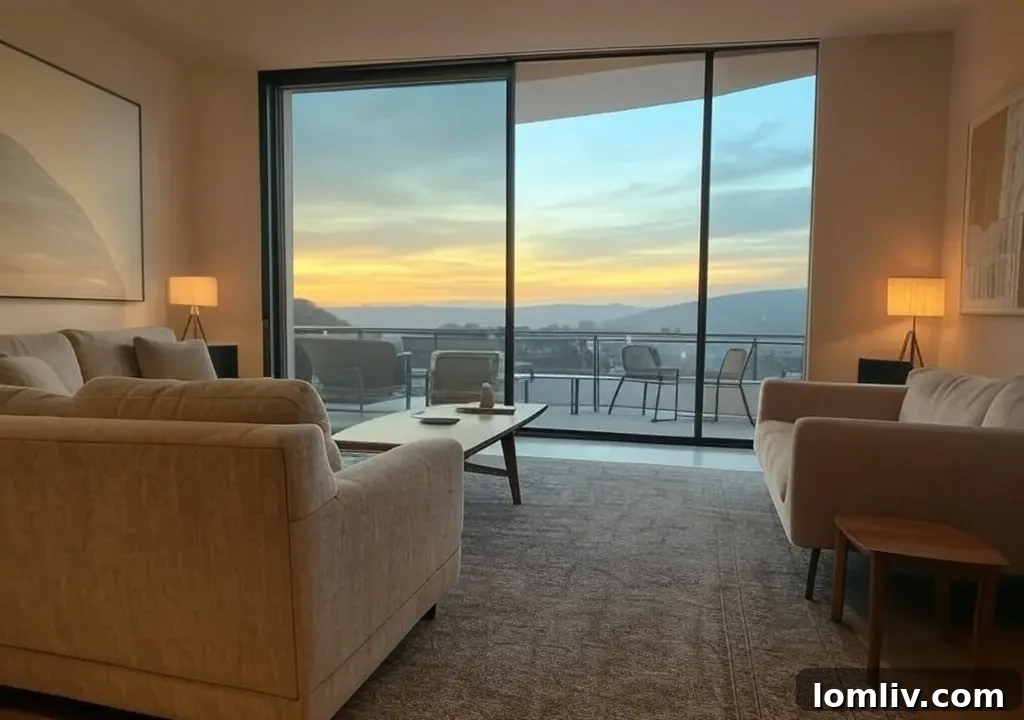
Even modest homes can feel expansive and inviting with thoughtful architectural design that maximizes both space and natural light. These elements are crucial for creating environments that feel airy, comfortable, and aesthetically pleasing.
Strategic Window Placement for Optimal Light and Views
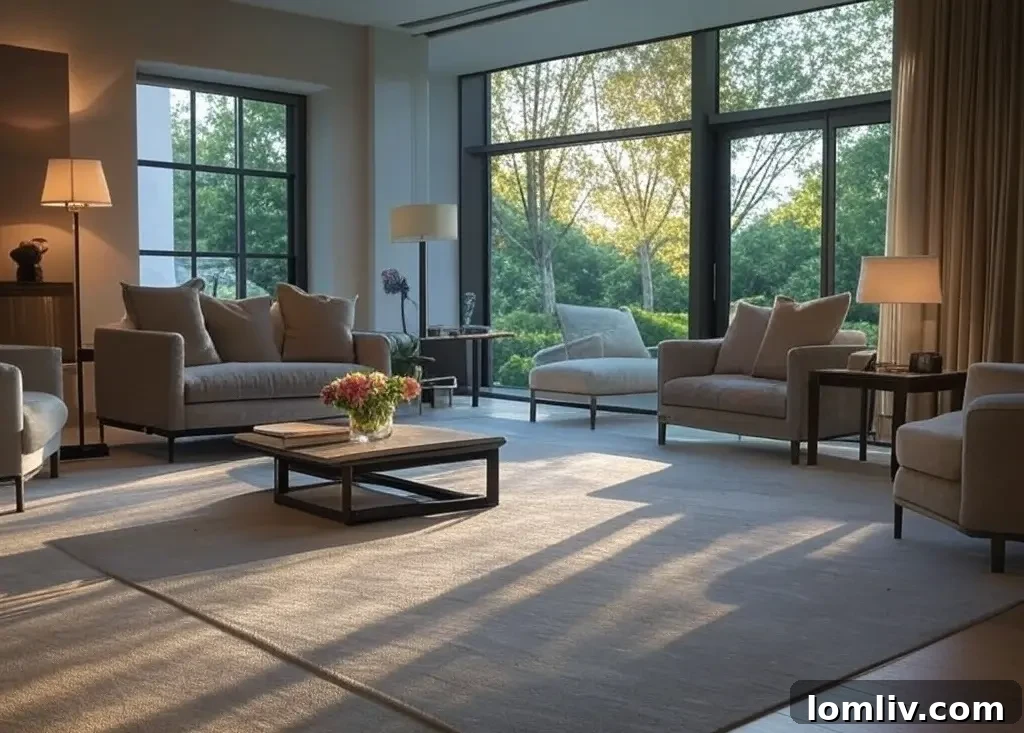
Windows are far more than mere openings for views; they are powerful tools for transforming a space. Architects strategically place windows to optimize natural light penetration, enhance cross-ventilation, frame desirable outdoor views, and even create dynamic shadows and patterns indoors. Considering factors like sun path, privacy, and heat gain/loss, a well-placed window can drastically improve a room’s ambiance, reducing the need for artificial lighting during the day and fostering a deeper connection with the external environment.
Designing Multi-Purpose Rooms and Flexible Spaces
As modern lifestyles evolve, particularly with the increase in remote work, homes need to be adaptable. Architects are experts at designing multi-purpose rooms that can serve various functions throughout the day or over time. A guest room might seamlessly double as a productive study, a living area could convert into a cozy home theatre, or a dining nook might become a children’s play area. This flexibility is achieved through clever built-ins, sliding partitions, innovative furniture solutions, and thoughtful spatial planning, ensuring every square foot is utilized effectively.
The Illusion of Space: Using Mirrors and Glass
Reflective surfaces are powerful allies in making spaces feel larger and brighter. Architects frequently employ mirrors strategically to reflect light, multiply views, and create the illusion of depth in a room. Glass, in various forms—from internal glass partitions that maintain sightlines while offering acoustic separation, to skylights that flood interiors with overhead light—can significantly enhance spaciousness and connectivity. The use of light color palettes and minimalist aesthetics further amplifies this effect, creating an open and serene atmosphere.
Showcasing Innovative Residential Architecture Projects
Across the globe, visionary architects are continually pushing the boundaries of residential design, creating homes that are both functional masterpieces and artistic statements. For instance, cities like Sydney boast an array of stunning homes designed by leading residential architects Sydney has to offer, showcasing remarkable diversity.
These projects range from minimalist beach houses that perfectly blend with their coastal surroundings to highly energy-efficient urban dwellings that demonstrate how creative thinking can transform even challenging sites into exceptional living spaces. Exploring case studies of innovative residential architecture can provide invaluable inspiration, offering practical ideas and fresh perspectives on how to approach your own unique project, whether it’s a new build or a significant renovation.
Finding the Right Residential Architect for Your Vision

The success of your home design project largely depends on selecting the right architect—a professional whose expertise, style, and communication align perfectly with your needs. This crucial decision requires careful consideration.
Begin your search by looking for architects with a strong portfolio that includes projects similar in scope and style to what you envision. Pay close attention to their aesthetic and ensure it resonates with your personal taste. Beyond talent, clear and effective communication is paramount, as you will be working closely with your architect for an extended period. A responsive and articulate architect ensures a smoother, more enjoyable process, keeping you informed and engaged at every stage.
Before making a hiring decision, always request to see examples of their past work, and ideally, speak with previous clients to gain insights into their experience. Inquire about their design philosophy, how they source ideas, and who will be the primary point of contact throughout the approvals and construction phases. Additionally, discuss their approach to budgeting and cost control, including how they manage unexpected expenses. An architect who demonstrates transparency and a commitment to staying within financial parameters is invaluable.
Ensure the architect is licensed and insured, and clarify the scope of services included in their fee agreement. A good architect will not only design your home but also serve as your advocate, ensuring the contractor executes the plan faithfully and addresses any issues that arise with professional expertise.
Understanding Cost Considerations When Working with Residential Architects
Investing in a residential architect is a decision that requires a clear understanding of financial commitments. Architects apply different fee structures depending on the project’s complexity, scope, and their individual practice. Common methods include a percentage of the total construction cost, a fixed flat fee for the entire project, or an hourly rate for specific services.
It is absolutely essential to understand their pricing model upfront and clarify what services are included and excluded from their fees. This transparency allows you to plan your overall budget accurately and avoid any surprises. While architectural fees represent an initial investment, a well-designed home can often lead to significant long-term savings through increased energy efficiency, reduced maintenance, and enhanced property value.
Setting a realistic and detailed budget from the very beginning is critical for keeping project spending under control. Communicate your financial limits clearly and honestly with your architect. This enables them to suggest the most cost-effective design options, materials, and construction methods without compromising quality or your vision. Prioritize “must-have” features over “nice-to-have” elements if budget constraints arise, and always factor in a contingency fund (typically 10-15% of the total project cost) for unforeseen circumstances.
Conclusion
Engaging a residential architect is far more than simply giving your property a cosmetic update; it’s a strategic investment in creating a living space that is perfectly aligned with your unique needs, aspirations, and future. A meticulously designed home offers unparalleled comfort and functionality today, delivers lasting aesthetic appeal, and contributes significantly to its resale value in the years to come. It’s about building a legacy, a place where memories are made and lives are enriched.
If you’re contemplating upgrading your existing residence or embarking on the exciting adventure of building a new home, the expertise of professional residential architects is invaluable. Now is the ideal moment to explore diverse architectural blueprints, find the right specialist who understands your vision, and take the definitive step towards moving into a home that truly reflects your identity, supports your lifestyle, and brings you lasting joy.