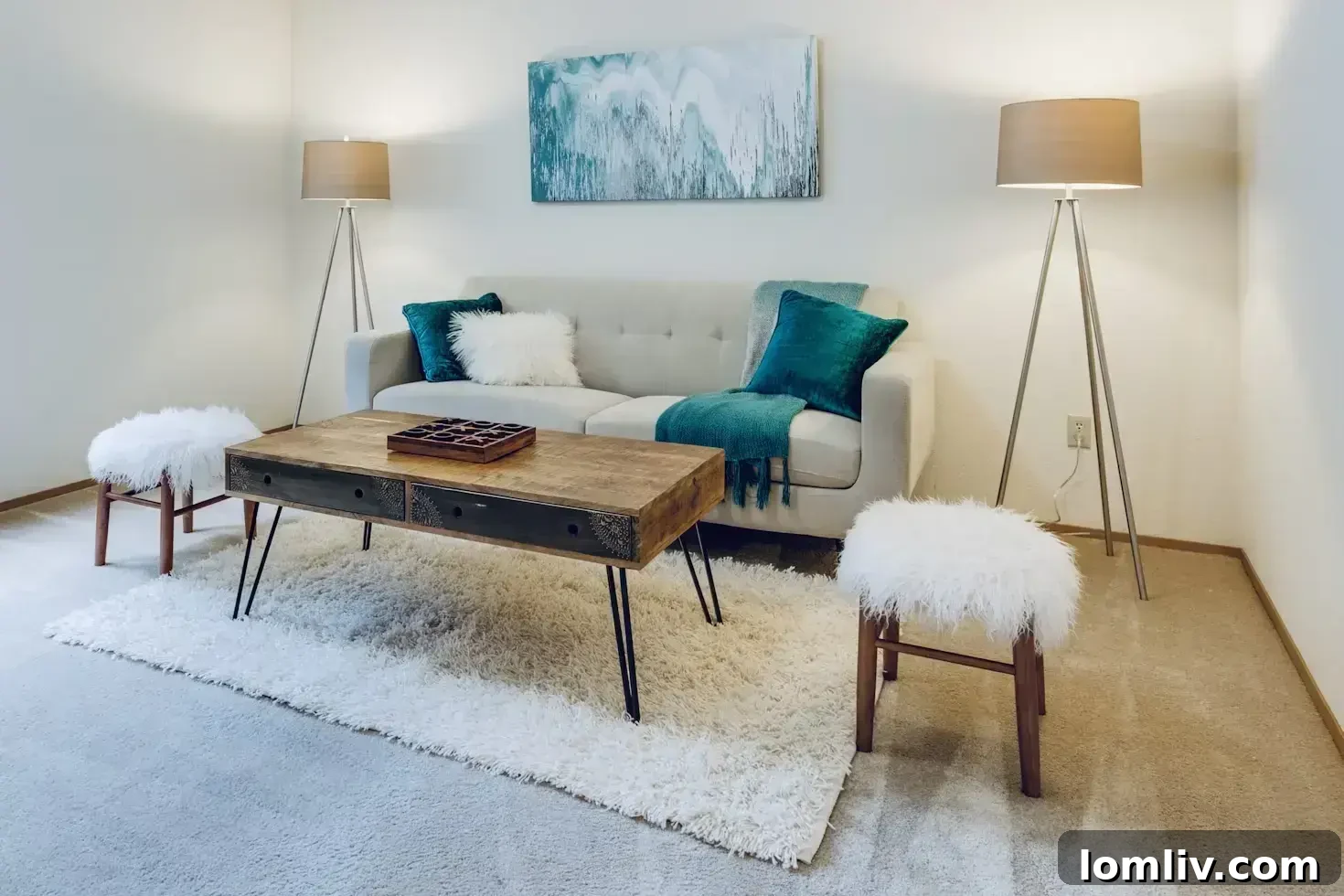
In the competitive real estate market, making your property stand out is paramount to achieving a swift and profitable sale. This is where the art and science of home staging come into play. Proper home staging goes beyond simple decorating; it’s a strategic process designed to downplay your home’s minor imperfections, dramatically highlight its most appealing features, and resonate with the widest possible audience of potential buyers. The fundamental goal is to transform your personal living space into a neutral, aspirational environment where prospective buyers can easily envision themselves living and thriving.
Effective home staging is a proven method to significantly enhance your property’s marketability, often leading to quicker sales and higher offers. It’s about creating an emotional connection, allowing buyers to see the true potential and lifestyle your home offers, rather than just its current state. By meticulously preparing your home, you’re not just selling a house; you’re selling a dream. In this comprehensive guide, we will delve into a series of actionable tips and expert strategies to help you stage your home effectively, ensuring it captivates buyers and secures a fast, desirable sale.
Declutter and Deep Clean: The Foundation of First Impressions
The first and arguably most crucial step in home staging is a thorough decluttering and deep cleaning. Clutter is a major deterrent for buyers. It distracts them from appreciating your home’s unique architectural features and spaciousness, instead drawing their focus to personal items and disorganization. More critically, clutter creates a perception of reduced space, making rooms feel smaller and less inviting than they truly are.
The Art of Decluttering
Begin by systematically boxing up items you no longer use on a daily basis. This includes seasonal clothing, seldom-used kitchen gadgets, excess decorative items, and any personal keepsakes that will be covered in the “Depersonalize” section. Think of it as an early start to packing for your move. If you have a significant amount of items, consider renting a storage unit. This keeps your belongings safe and out of sight, preventing your storage rooms, garage, or attic from looking overstuffed and negating the effort.
Focus on clearing all surfaces: countertops, tables, shelves, and even floors. Empty closets and pantries to at least 50-70% capacity, neatly arranging the remaining items. This showcases ample storage space, a highly desirable feature for any homeowner. Remember, less is more when staging; a minimalist approach helps buyers project their own style onto the space without visual interference.
The Power of a Spotless Home
Beyond decluttering, a deep, professional-level clean signals to prospective buyers that the property has been well-maintained and cared for. Every corner of your home, from the highest ceiling to the lowest floor, should sparkle. This isn’t just about surface cleaning; it’s about meticulous attention to detail.
Pay particular attention to kitchens and bathrooms, as these rooms heavily influence a buyer’s decision. Ensure your bathrooms gleam, scrubbing every surface—especially those often-overlooked spots like behind the toilet, inside sink drains, the corners of bathtubs, and grout lines. Eliminate all soap scum, water stains, and mildew. In the kitchen, clean appliances inside and out, wipe down cabinet fronts, and ensure floors are spotless. Don’t forget windows; clean panes allow more natural light to flood in, making rooms feel brighter and larger. A truly clean home not only looks better but also smells fresher, creating an inviting atmosphere that encourages buyers to linger and imagine their future there.
Help Your Kitchen Shine: The Heart of the Home
The kitchen is often considered the heart of the home, and it’s frequently a deal-breaker for buyers. A well-staged kitchen can significantly increase your home’s appeal and value. Most buyers pay extra attention to these common spaces, so making yours exceptional is a top priority.
Start by clearing all clutter from your kitchen countertops. Only a few carefully selected items, such as a bowl of fresh fruit, a small potted herb plant, or a stylish coffee machine, should remain. This creates an inviting, functional aesthetic. Next, consider giving your kitchen cabinets a facelift. A fresh coat of paint can work wonders without the expense of a full renovation. You might opt for a timeless classic white, which brightens the space, or a sophisticated dark neutral like slate blue or warm gray for a modern touch. These colors appeal to a broad range of tastes and provide a clean, updated look.
To further enhance the kitchen’s appeal, showcase its storage capabilities. Pack away infrequently-used small appliances and clear out your pantry, organizing shelves neatly to demonstrate ample space. Replacing outdated hardware, such as cabinet knobs and drawer pulls, with modern, coordinated options is an inexpensive upgrade that makes a huge impact. Similarly, a corroded faucet or one covered with hard-water stains can be a significant turn-off. Consider swapping out the faucet for a sleek, contemporary model to add both function and style. If you have a kitchen island, adding a few chic kitchen bar stools can create a casual dining area, inviting buyers to imagine family breakfasts or entertaining friends.
Depersonalize: Creating a Blank Canvas
To enable potential buyers to truly envision themselves living in your home, it’s essential to depersonalize the space. This means systematically removing all highly personal items that remind buyers it’s currently *your* home, not theirs. Start with family photos, children’s artwork, refrigerator art, and any unique keepsakes or memorabilia. These items, while cherished by you, can make it difficult for others to form an emotional connection with the property.
Extend this depersonalization to less obvious areas. Store away excessive clothing, hide personal toiletries, and ensure bathroom counters are nearly empty, perhaps leaving only a simple hand soap and a neatly folded hand towel. Remove any religious or political items, as these can inadvertently alienate potential buyers. The objective is to create a neutral, welcoming canvas that allows buyers to project their own dreams and lifestyles onto the space without feeling like an intruder in someone else’s private sanctuary. This strategic detachment helps buyers see the home’s potential as *their* future home.
Define Rooms and Maximize Space Utilization
Every room and the space within it should have a clear, well-defined purpose. This helps potential buyers understand how to maximize every square foot of the home and appreciate its functionality. Ambiguous or multi-purpose rooms can confuse buyers and lead them to undervalue the space.
Consider converting that finished attic into a functional home office, transforming a basement into an inviting entertainment room or a family media space, and converting a cluttered “junk room” into a comfortable guest bedroom. Even if a buyer has different plans for the space, seeing a defined purpose helps them grasp the room’s potential and practical applications. Clearly delineating these areas demonstrates that every inch of the home is usable space, adding tangible value.
This principle also applies to smaller, often overlooked areas such as breakfast nooks, corners, window seats, and alcoves. Stage these areas to highlight their charm and utility. A cozy armchair in a reading nook, a small table in a breakfast area, or decorative pillows on a window seat can transform these spaces from empty corners into appealing features. The goal is to ensure that buyers perceive the entire home as functional, well-designed, and optimized for living, rather than encountering wasted or undefined areas.
Strategic Lighting: Brighten and Expand Your Home
Proper lighting is a powerful tool in home staging. It can dramatically alter the perception of space, making rooms feel larger, more open, and undeniably more inviting. Maximizing your home’s natural lighting should be your first priority.
When showing your home, ensure all blinds, curtains, and drapes are fully open. Clean windows allow unobstructed natural light to flood the interiors. Strategically position mirrors opposite windows or in darker corners to reflect light and create an illusion of greater depth and brightness. This simple trick can make even smaller rooms feel significantly more spacious and airy.
Beyond natural light, pay close attention to your artificial lighting. Replace outdated or broken light fixtures with modern, appealing options that complement your home’s style. Ensure all light bulbs throughout the house are functional and, ideally, of a consistent color temperature (warm white or soft white is generally preferred for a cozy, inviting ambiance). Turn on every light when prospective buyers arrive, even during the day. This instantly brightens the space and eliminates any dark or shadowy areas that might feel unwelcoming.
Remember to incorporate various types of lighting for maximum impact: ambient lighting for general illumination, task lighting (like pendants over an island or under-cabinet lights in the kitchen) for functional areas, and accent lighting (such as wall sconces or picture lights) to highlight architectural features or artwork. A well-lit home feels warm, spacious, and welcoming, making a lasting positive impression on buyers.
Enhancing Curb Appeal: The All-Important First Impression
While much of staging focuses on the interior, the exterior of your home is the very first thing buyers see—and it sets the tone for their entire visit. Excellent curb appeal can entice buyers to step inside with enthusiasm, while a neglected exterior can deter them before they even reach the front door. This initial impression is critical.
Start with your lawn: ensure it’s neatly mowed, edged, and free of weeds. Trim any overgrown shrubs or trees that might block windows or pathways. Plant fresh, colorful flowers in beds or pots near the entrance to add a pop of vibrant appeal. Consider mulching flowerbeds for a tidy, manicured look. Walkways and driveways should be swept clean, free of debris, cracks, or moss. If your driveway has oil stains, power-wash them away.
Inspect your home’s exterior for any visible issues. A fresh coat of paint on the front door can make a significant difference; a bold, welcoming color can add character. Ensure your house numbers are modern and visible. Clean all exterior surfaces, including siding, windows, and gutters. If your roof has moss or debris, clean it. Small details like a new doormat or a decorative planter can also enhance the entrance. Remember, a well-maintained exterior suggests a well-maintained interior.
Addressing Minor Repairs and Updates
Before buyers even notice your staging efforts, their eyes will likely catch any glaring imperfections. Address all minor repairs and small updates that can significantly improve your home’s perceived value. These are often inexpensive fixes that yield a high return on investment and prevent buyers from seeing “fixer-upper” opportunities rather than a move-in-ready home.
Fix leaky faucets, sticky doors, and squeaky hinges. Repair any holes in walls, cracked tiles, or loose cabinet handles. Touch up chipped paint, particularly on trim, baseboards, and doorways. Re-caulk bathtubs, showers, and sinks for a fresh, clean look. Ensure all electrical outlets and light switches are functional and have matching covers. Replacing old, tarnished hardware on doors and cabinets with modern alternatives is an affordable update that instantly elevates a room. By taking care of these small details, you present a home that feels well-cared for and maintained, instilling confidence in potential buyers.
Neutral Paint Colors: Broadening Appeal
The color of your walls plays a significant role in how a room feels and is perceived. While you might love bold, personal colors, they can be polarizing for buyers. Repainting walls in neutral tones is one of the most effective and cost-efficient staging strategies.
Opt for shades of off-white, light gray, beige, or greige (a blend of gray and beige). These colors create a serene, expansive backdrop that allows buyers to easily envision their own furniture and decor. Neutral colors also reflect light better, contributing to a brighter, more open feel. They help to make rooms feel larger and more airy, which are highly desirable qualities. This clean, blank canvas allows the home’s features to shine without competing with specific color preferences, broadening your home’s appeal to a wider audience.
Strategic Furniture Arrangement: Flow and Function
The way you arrange your furniture can dramatically impact how buyers perceive a room’s size and functionality. Good furniture arrangement creates clear pathways, defines distinct zones, and showcases the room’s purpose without feeling cramped or cluttered.
Start by removing any oversized or excessive furniture that might make a room feel small. Arrange furniture to create inviting conversation areas, rather than pushing everything against the walls. For instance, in a living room, place a sofa and two chairs facing each other with a coffee table in the center. Ensure there’s enough space for people to move comfortably through the room without bumping into obstacles. In bedrooms, center the bed on the main wall and use appropriately sized nightstands. The goal is to illustrate the room’s best layout while emphasizing spaciousness and ease of movement.
Adding Greenery and Subtle Scents
Once your home is decluttered, cleaned, and freshly painted, adding a touch of life and subtle sensory appeal can make a world of difference. Strategically placed plants and flowers can instantly inject warmth, freshness, and color into a room.
Consider placing a vibrant potted plant in the living room, a small herb garden on the kitchen counter, or a fresh bouquet of flowers on the dining table. These natural elements bring a sense of tranquility and a connection to the outdoors, making the space feel more alive and inviting. Be mindful of plant care; ensure all greenery is healthy and well-maintained.
Regarding scent, less is often more. Avoid strong, overpowering fragrances, as these can be off-putting or even trigger allergies in some buyers. Instead, aim for subtle, pleasant aromas. Light a few mild, natural-scented candles (vanilla, citrus, or linen are good choices) before showings, or use an air diffuser with a light essential oil. Baking cookies or brewing coffee just before a showing can also create a wonderfully welcoming and homey atmosphere, evoking positive emotions without being too artificial. Ensure you eliminate any unpleasant odors, especially pet odors, by deep cleaning carpets and upholstery.
The Final Touches: Pets and Professional Help
If you have pets, it’s crucial to manage their presence effectively during showings. While you adore your furry friends, not all buyers share the same sentiment, and some may have allergies or be wary of animals. Before showings, remove all pet-related items such as food bowls, litter boxes, toys, and pet beds. Deep clean carpets and upholstery to eliminate any lingering pet odors or hair. It’s also advisable to take your pets out of the house during showings to ensure buyers can explore freely without distraction or discomfort.
Finally, while these tips provide a robust framework for DIY home staging, sometimes a professional touch can make all the difference. Consider consulting with a professional home stager, especially if your property is struggling to sell or if you need an objective eye. Professional stagers have an expert understanding of current design trends and buyer psychology, and they can provide valuable insights and access to rental furniture and decor to truly elevate your home’s presentation. Their expertise can be a worthwhile investment that pays off with a quicker sale and a higher selling price.
By diligently applying these comprehensive staging tips, you can significantly spruce up your home, enhance its market appeal, and attract quality buyers quickly. Remember to stage each room individually to bring out the full potential of the entire space. Emphasize your home’s best features, highlight its spaciousness, and let buyers clearly see that every square foot is usable and thoughtfully presented. Your efforts in staging are an investment in your sale, paving the way for a successful and satisfying outcome.